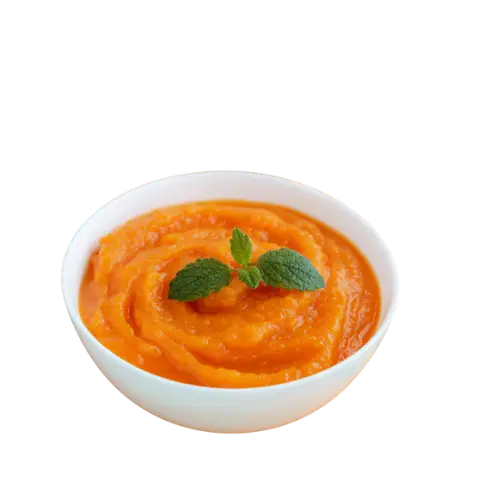
Pumpkin puree is essentially cooked pumpkin pureed smooth, with no other ingredients. The canned version from Libby’s or store brands is fine for most baking — in fact, canned pumpkin tends to have more consistent moisture content than homemade puree, which can vary based on the squash you used. The trap to avoid is buying pumpkin pie filling by mistake; that product is already sweetened and spiced for one specific use and will throw off any recipe that calls for puree. Adding pumpkin pie spice to plain puree is the closest equivalent if you want to mimic the filling.
The moisture content of pumpkin puree is what makes it tricky to substitute into recipes that were not designed for it. A cup of puree adds significantly more moisture than a cup of mashed banana or applesauce, which is why direct swaps usually fail. Fudgy Pumpkin Brownies is built around the moisture pumpkin brings — the recipe reduces the butter and eggs from a standard brownie ratio specifically because the puree is doing some of that work.
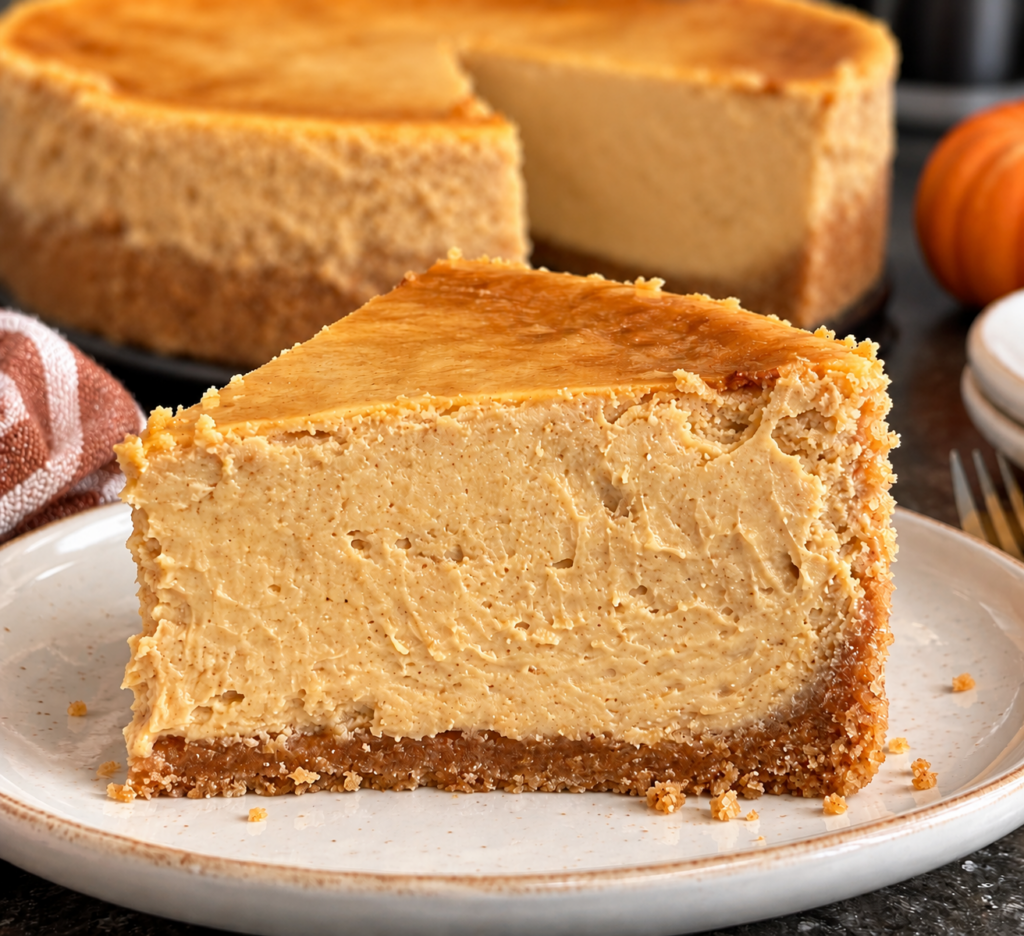
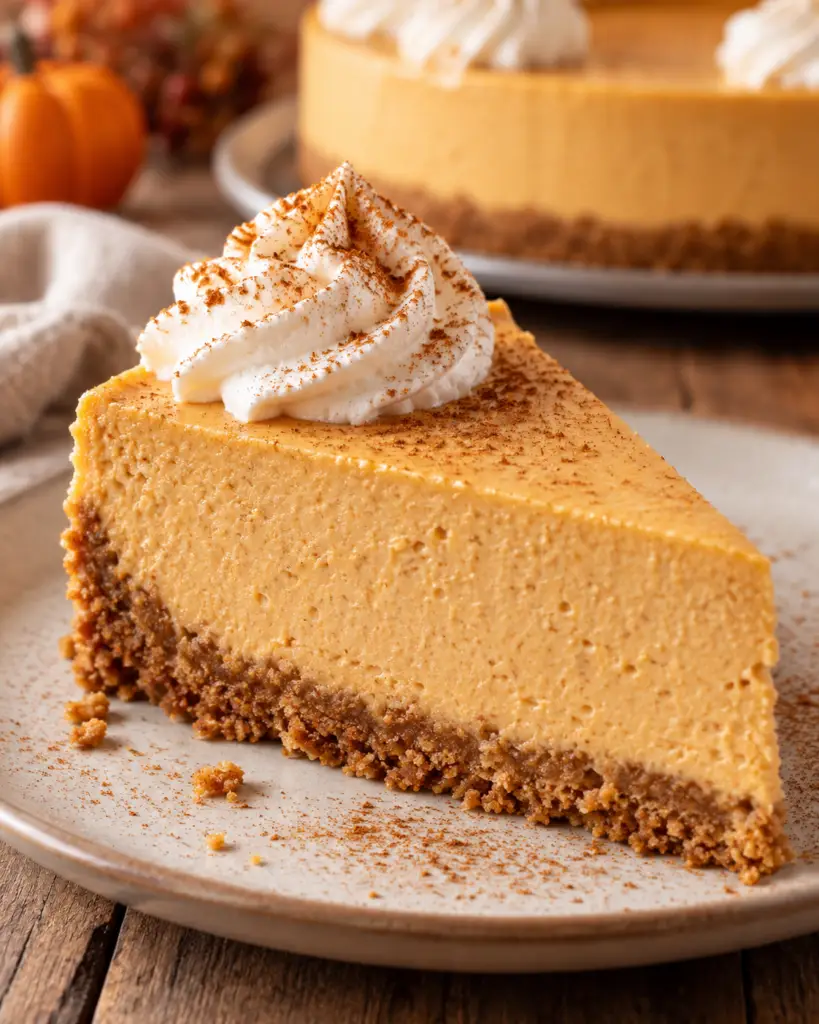
For desserts where pumpkin is meant to read as a distinct flavor rather than a background note, the recipe needs enough other strong flavors to support it without overwhelming. Pumpkin Caramel Cheesecake demonstrates the balance: the cream cheese base would taste flat with too much pumpkin, but with the right ratio plus dark brown sugar in the crust, the pumpkin reads clearly without taking over. The same logic applies to pumpkin pies, pumpkin breads, and any bake where pumpkin is the lead flavor rather than supporting.
For non-dessert applications, pumpkin puree works as a thickener in soups, a moisture booster in muffins, and a hidden vegetable in kid-friendly bakes. The neutral flavor takes on whatever seasoning is around it, which is why a tablespoon of cocoa powder can mask the pumpkin entirely in a chocolate-based bake while still contributing the moisture. That trick is the reason pumpkin shows up in so many “healthy” dessert recipes — not because pumpkin tastes like chocolate, but because cocoa can completely cover its flavor while pumpkin does the moisture-and-fiber work.