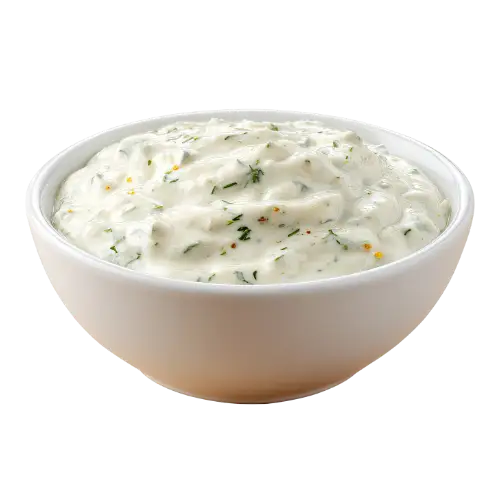
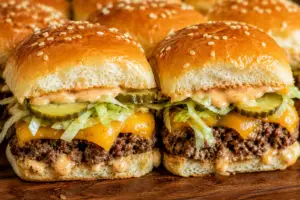
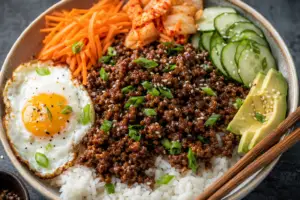
The three mayonnaises worth knowing: Hellmann’s (Best Foods west of the Rockies) is mild, balanced, and the American standard for most applications. Duke’s is tangier from more vinegar and no added sugar, preferred in Southern cooking for potato salad and coleslaw. Kewpie is richer, more eggy (made with only egg yolks, not whole eggs), and slightly sweet from rice vinegar, and produces noticeably better results in Japanese-inspired applications. Pairing with dijon mustard in any mayonnaise-based dressing adds emulsification stability and depth.
For homemade mayonnaise, the technique is to blend 1 egg yolk, 1 teaspoon dijon mustard, and 1 tablespoon lemon juice in a bowl, then drizzle in 1 cup of neutral oil extremely slowly while whisking constantly. The slow pour allows the emulsion to form. Too fast and the oil separates. A food processor or immersion blender makes the process more forgiving: blend the base ingredients first, then drizzle in the oil through the feed tube while the machine runs. The Honey Mustard Dressing on this site uses mayo as the creamy base that holds the honey and mustard in emulsion, making it cling to salads and wraps rather than pooling at the bottom of the bowl.
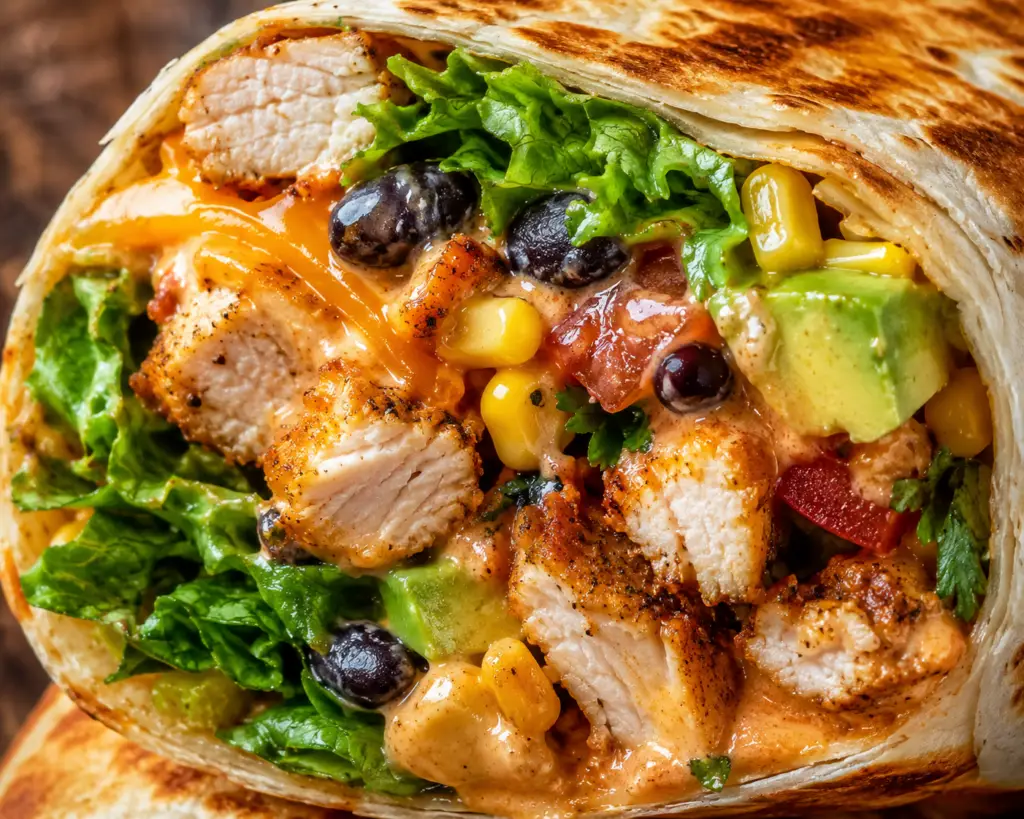
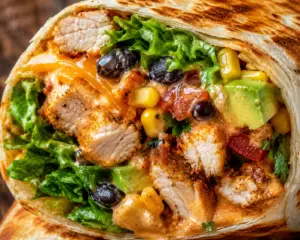
For baked chicken with mayo, the technique is to spread a thin layer of mayonnaise over chicken breasts or thighs before coating with breadcrumbs and baking at 425°F. The mayo acts as both an adhesive for the coating and a fat that keeps the chicken moist during baking. garlic powder and parmesan cheese mixed into the mayo coating produces a crust that rivals deep-fried results without the oil. The Chicken Shawarma Bowls uses a garlic mayo sauce as the finishing drizzle that ties the bowl together, and the Healthy Chicken Wrap shows how mayo as a spread changes the texture of a wrap by acting as a moisture barrier between the tortilla and the filling. Browse hot sauce, sriracha, and pickle for closely related condiment and spread applications.
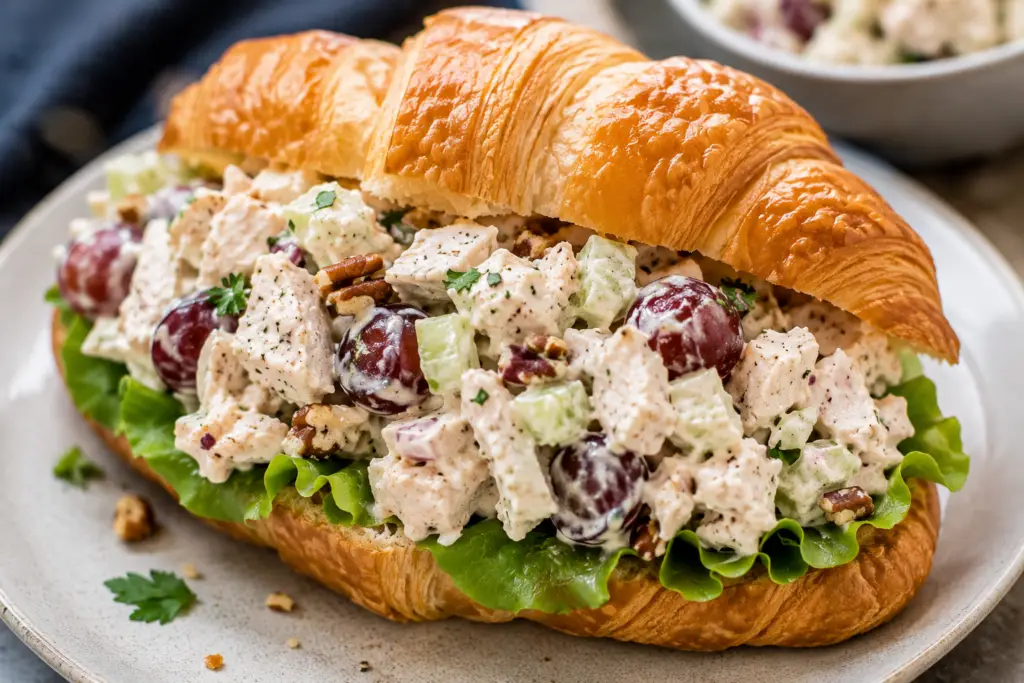
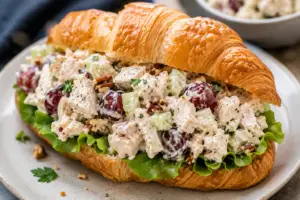
For mayo-based salads (chicken, tuna, egg, macaroni), the standard ratio is roughly 1/4 cup mayo per cup of main ingredient, adjusted to taste. Overmixing breaks the mayonnaise and produces a greasy, separated result. Fold gently. Adding the mayo when the main ingredient is still warm produces a richer, creamier finished texture when chilled.