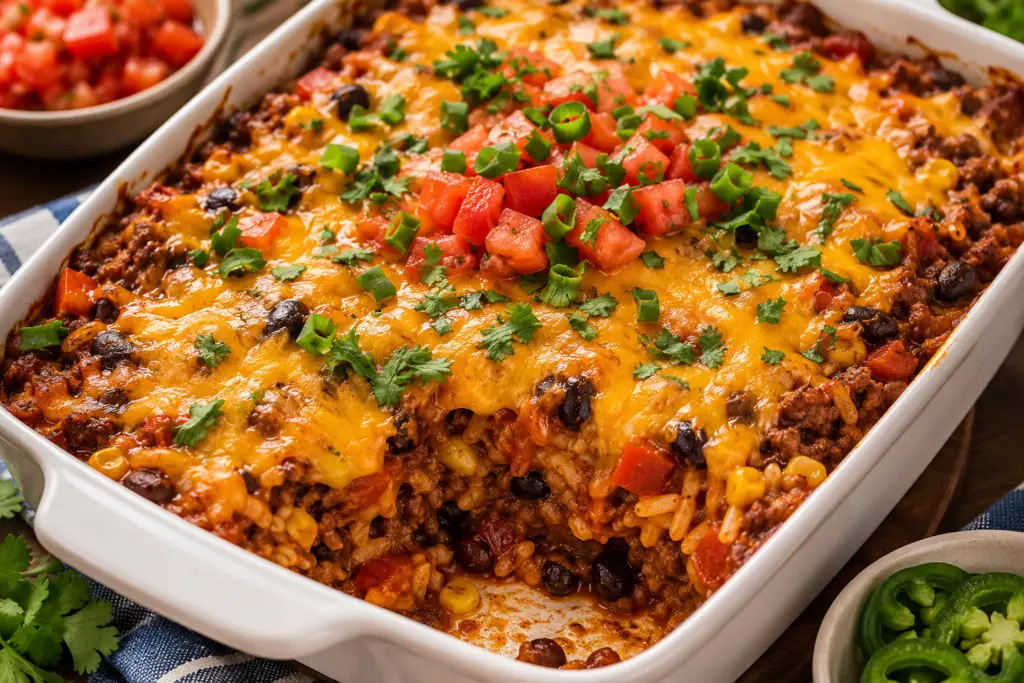
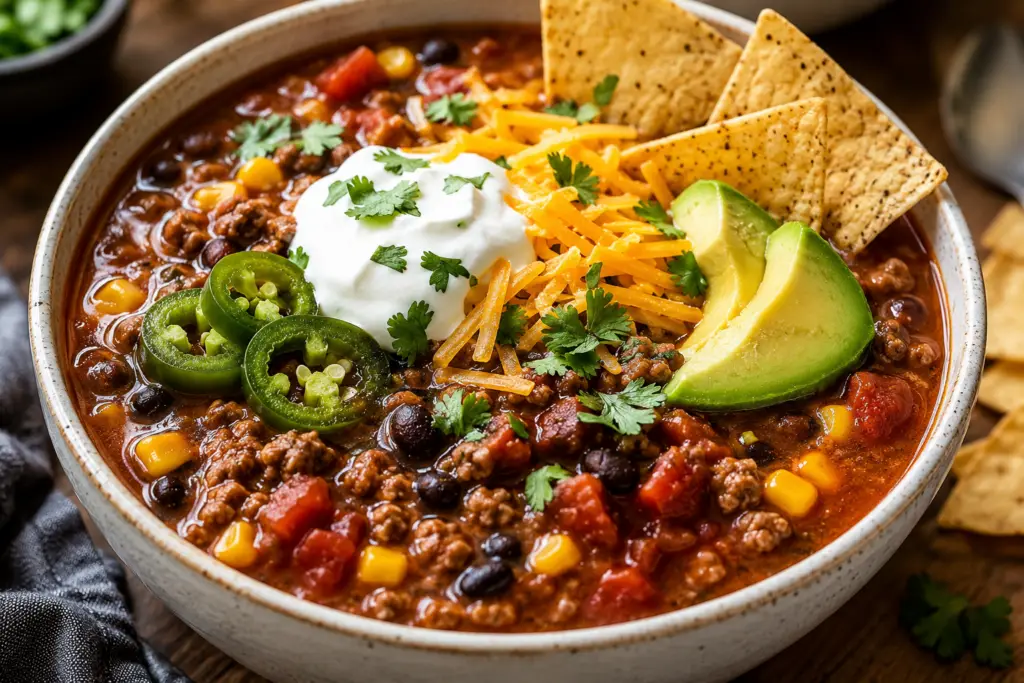
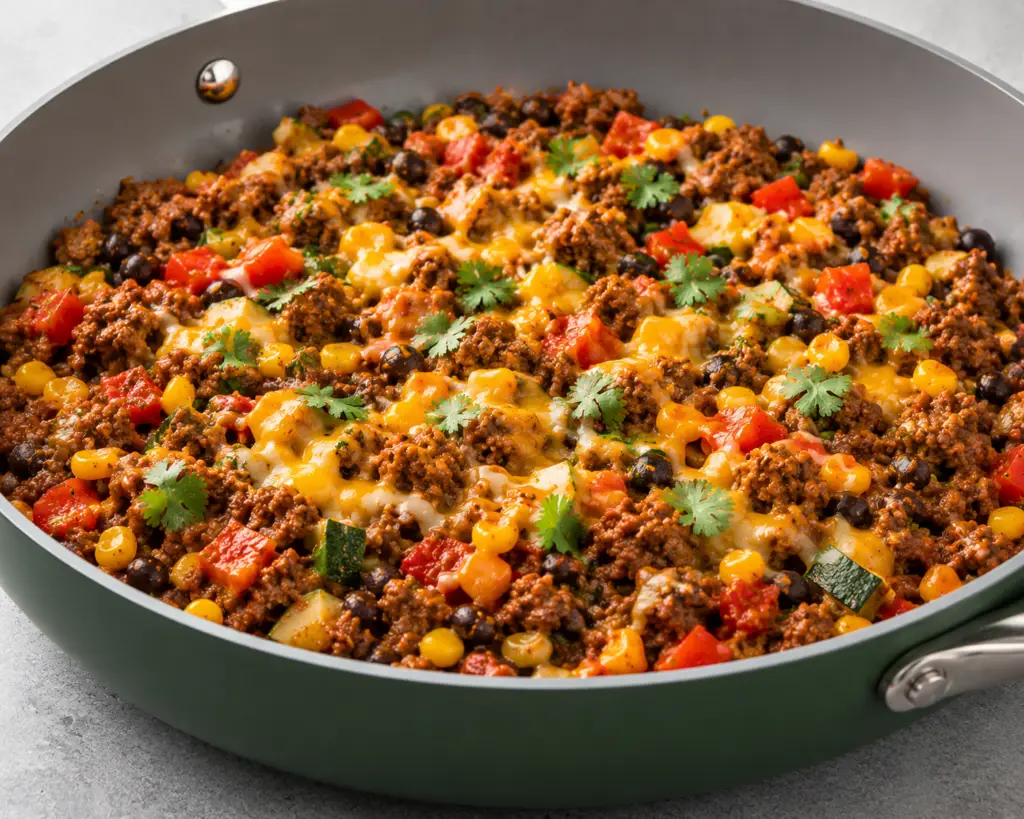
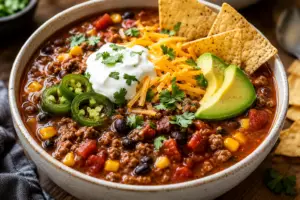
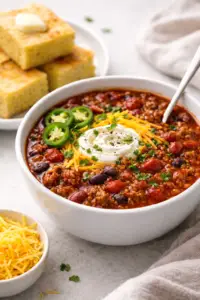
Black beans and pinto beans are interchangeable in most chili and Mexican-style recipes but produce different finished textures. Black beans hold their shape better in long cooks and have a slightly firmer bite. Pinto beans break down more readily and produce creamier finished textures. cilantro is the standard finishing herb for both, since it bridges any Latin-style dish.
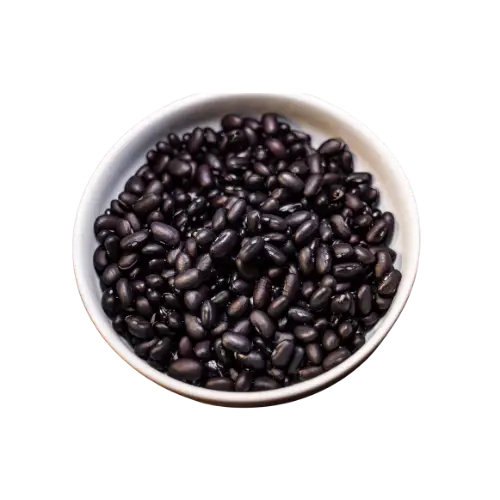
Rinsing canned black beans before use removes most of the metallic, sodium-heavy canning liquid. The rinse step takes 30 seconds and dramatically improves the finished dish. The Cuban-style black bean technique skips the rinse intentionally. The starchy liquid thickens the broth into a sauce. But for most American applications, rinsing wins. Combining beans with garlic and cumin bloomed in oil at the start of a cook produces the depth most home black bean recipes lack.
For black bean burgers and patties, the technique is to mash about 2/3 of the drained beans into a paste, then fold in the remaining 1/3 whole for texture variation. Bind with breadcrumbs, an egg, and chopped onion. Pan-fry over medium heat for 4-5 minutes per side until crisp. The smoked paprika in the seasoning is what gives homemade black bean burgers the smoky depth that distinguishes them from the bland store-bought versions. Browse chickpeas, pinto bean, and cumin for closely related cooking applications.
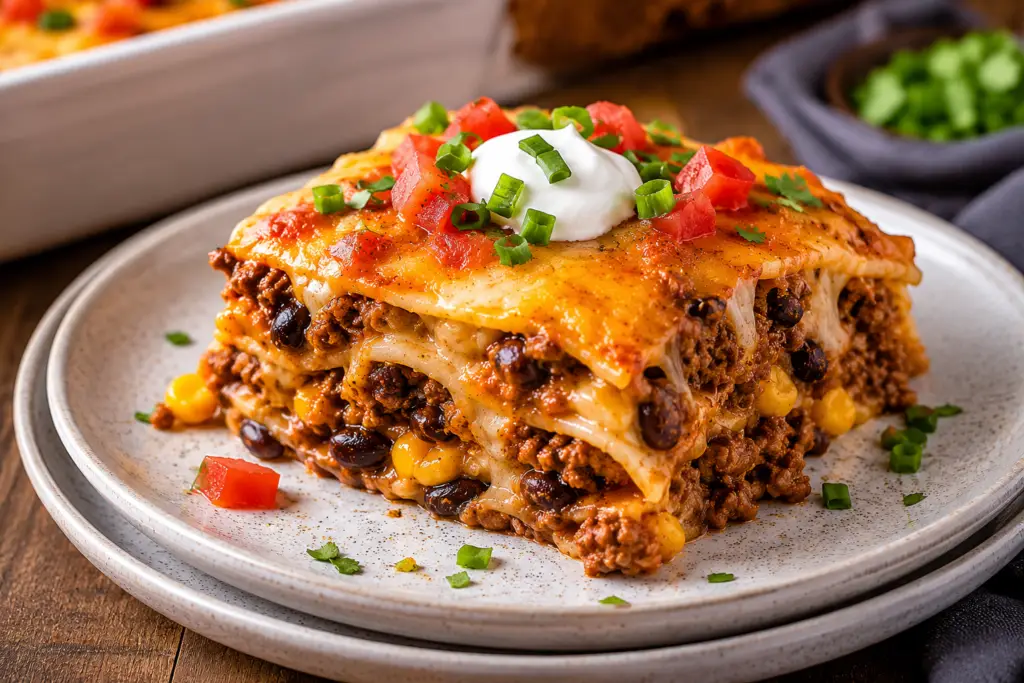
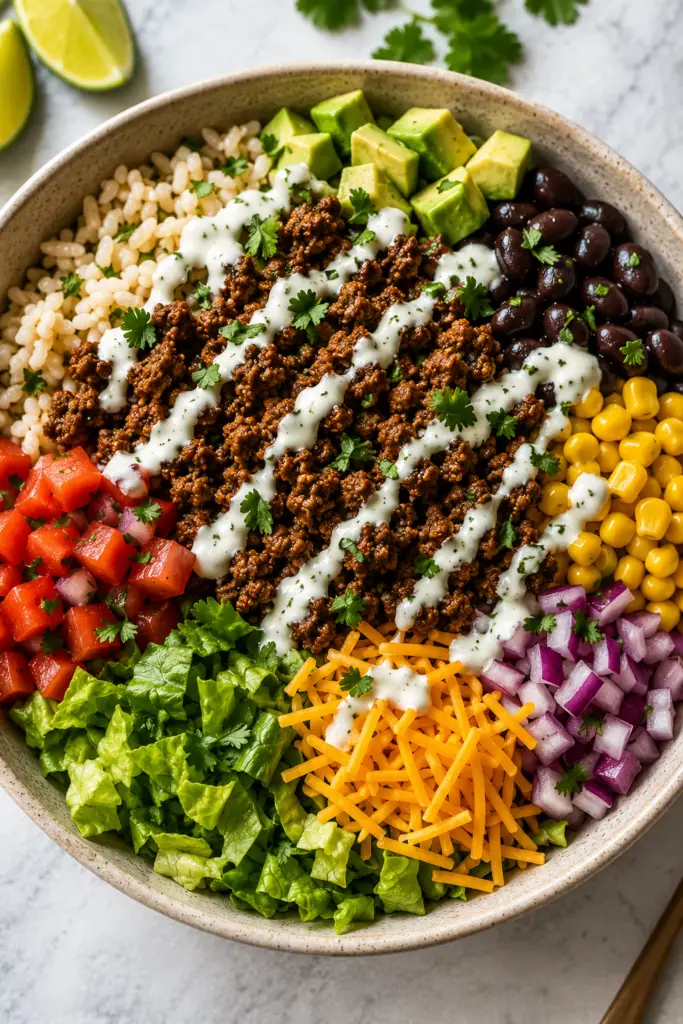
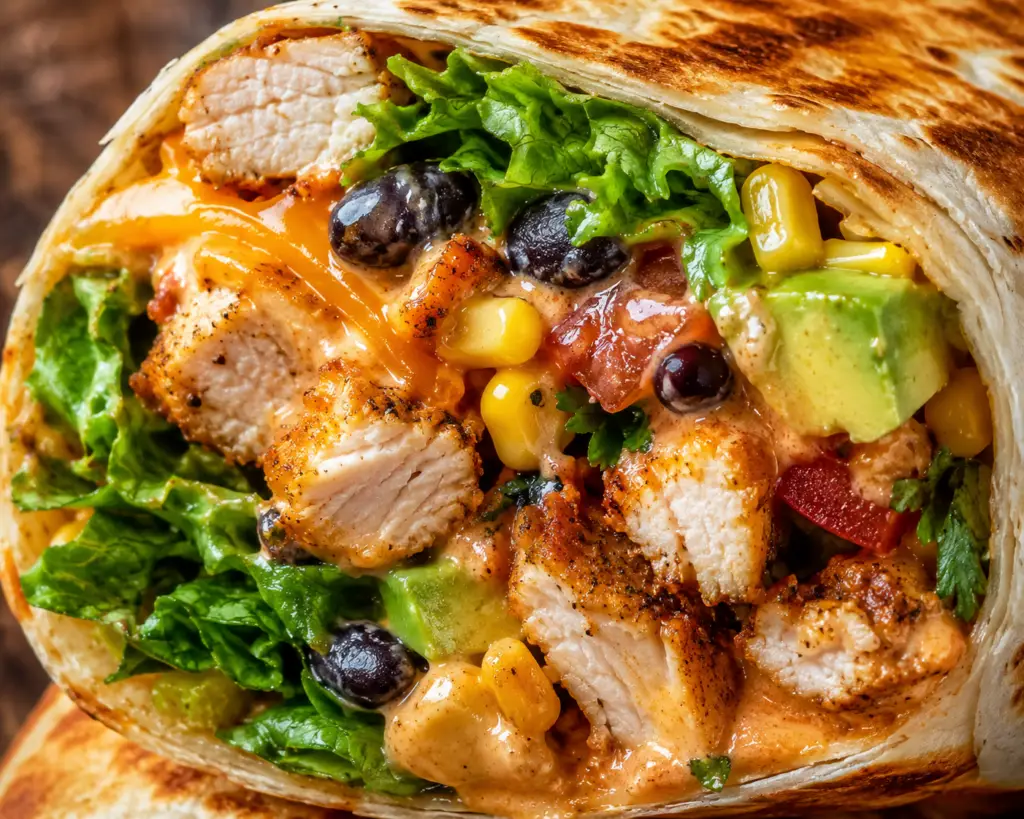
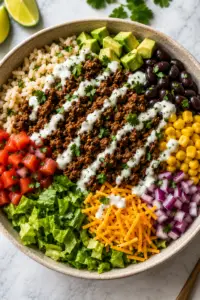
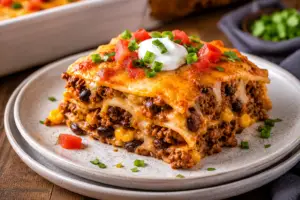
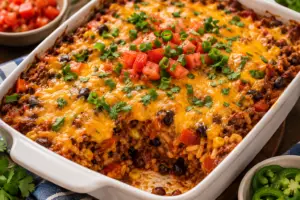
For salads and grain bowls, black beans pair particularly well with lime juice, corn, diced peppers, and a cilantro-lime vinaigrette. The standard quick lunch is 1 can rinsed black beans, 1/2 cup cooked rice, 1/2 cup corn, diced bell pepper, lime juice, salt, and cilantro. 5 minutes of assembly produces a meal-prep lunch that holds for the full week. For a heartier weeknight application of canned black beans, The Best Ground Beef Burrito folds them into the seasoned beef filling alongside rice and cheese.