
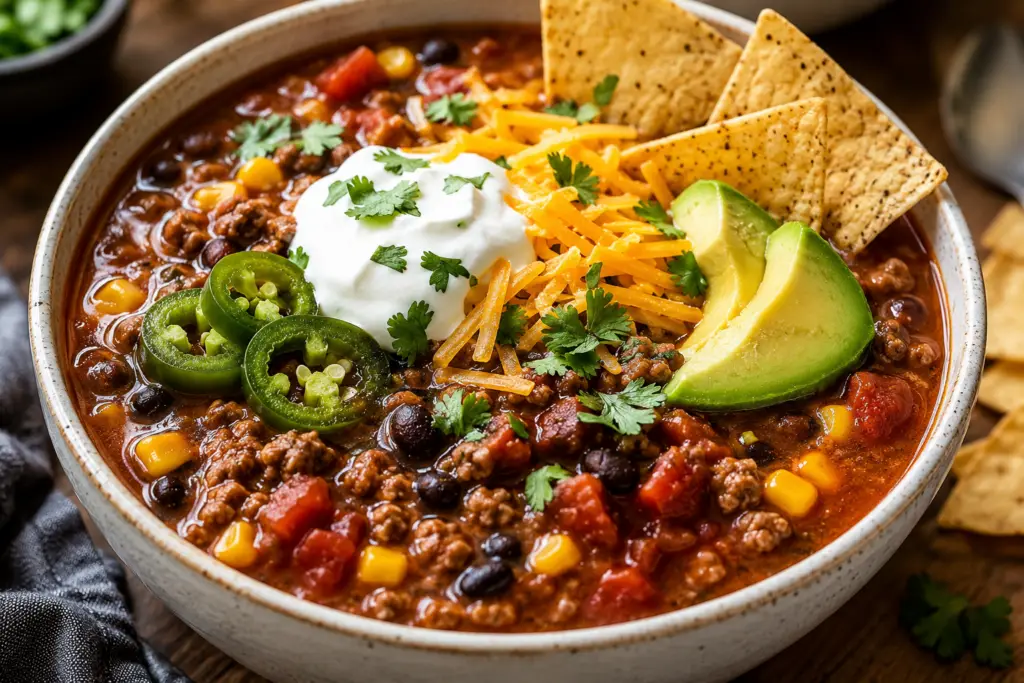
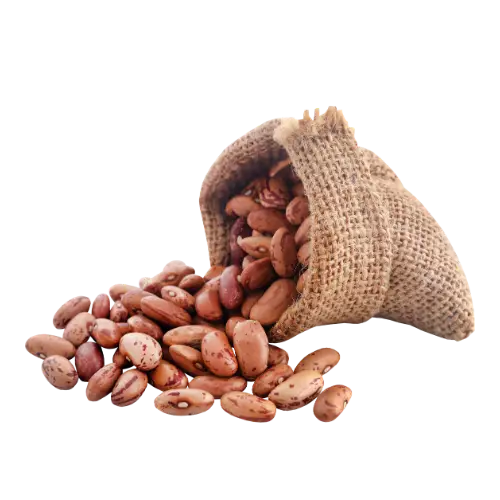
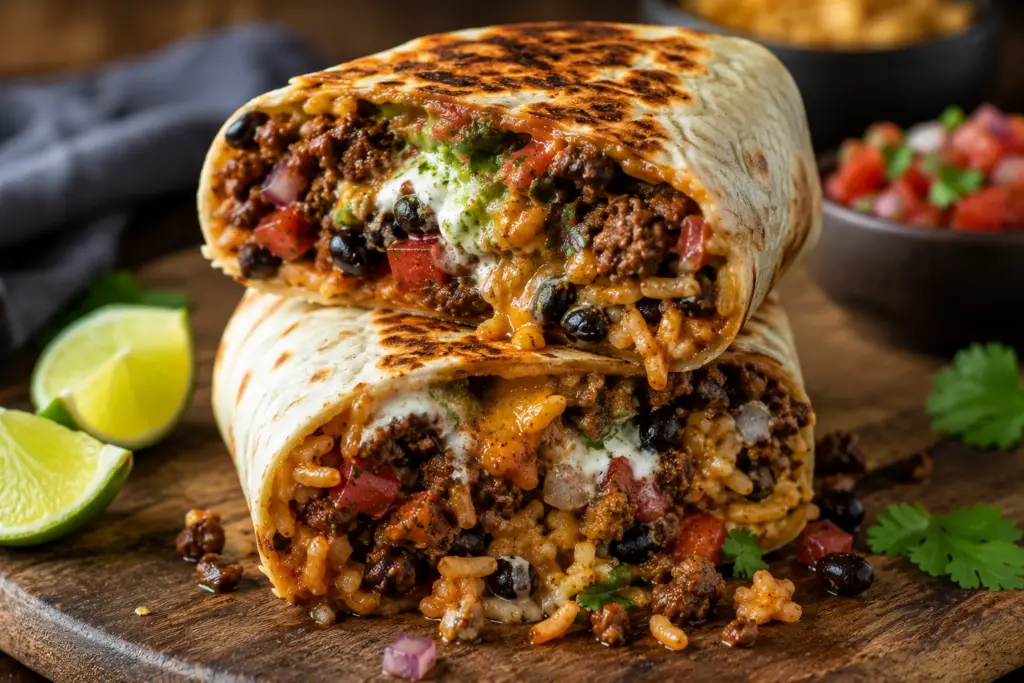
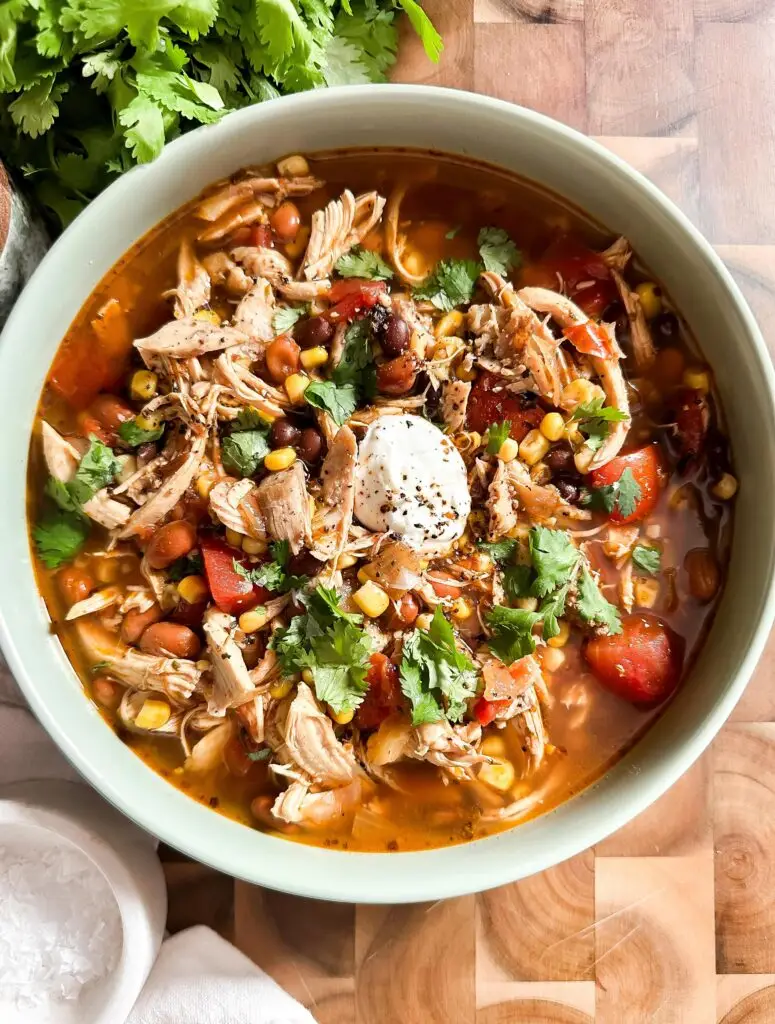
Pinto beans are the speckled brown-and-pink beans that turn solid brown when cooked, the workhorse legume for Mexican and Tex-Mex cooking. The mild, slightly nutty, slightly sweet flavor takes seasoning well and the soft texture is ideal for refried beans, soups, and burrito fillings. Reader favorites built on it include Easy Taco Soup with Ground Beef, The Best Ground Beef Burrito, and Chicken Taco Soup where the pinto beans add fiber, protein, and mild legume flavor that anchors the dish as either a filler or main ingredient.
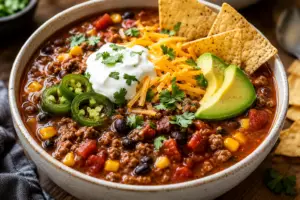


Pinto beans and black beans are the two most common Mexican-cooking beans, with different flavors and applications. Pinto beans are milder, softer, and turn into refried beans well. Black beans are firmer, slightly more bitter, hold their shape better in soups and salads. Many recipes work with either; some specifically need one or the other.
For soup-based recipes, canned pinto beans go in undrained or drained depending on whether you want extra body. The starchy liquid in the can thickens the broth slightly; draining produces a clearer soup. Either approach is correct; the recipe usually specifies. Pairing with chili powder (seen in Homemade Hamburger Helper and The Best Ground Beef Chili) and ground cumin (such as in The Best Sheperds Pie and Chicken Marinade) at the start of cooking produces the layered Tex-Mex flavor.
For burritos, pinto beans (either whole canned beans or refried) stretch the protein filling and add fiber. The standard burrito has 1/4 cup beans per serving alongside seasoned ground beef, rice (as in Poppy Seed Chicken and Chicken Shawarma Bowls), cheese, and toppings. Smashing whole beans lightly with a fork before adding gives a chunky-refried texture that holds the filling together better than whole intact beans.
For homemade refried beans, drain 2 cans pinto beans (reserve liquid), saute 1 chopped onion (used in The Best Slow Cooker Goulash and The Best Old Fashioned Goulash) + 2 cloves garlic (seen in Ground Beef and Tater Tot Casserole and Halal Chicken and Rice) in 2 tablespoons oil, add beans + 1/4 cup reserved liquid, mash with a potato masher to desired consistency, season with salt (such as in Egg Free Cottage Cheese Muffins and Banana Bread Overnight Oats) + cumin + chili powder. This 15-minute version is dramatically better than canned refried beans.
For dry pinto beans, the standard prep is to soak 1 lb beans overnight in 4 cups water + 1 teaspoon salt, drain, then simmer in 6 cups fresh water + aromatics for 60-90 minutes until tender. One pound dry yields about 6 cups cooked beans, equivalent to 4 cans. Substantially cheaper than canned but requires planning.
For storage, dry pinto beans keep 1-2 years in a sealed pantry container. Canned beans keep until the printed date (usually 2-3 years). Cooked beans keep 4-5 days refrigerated or 6 months frozen in 2-cup portions. Cooked beans freeze in their liquid for best thawed texture.
Healthy pinto bean recipes include soups, stews, chili, bean salads, and veggie bowls made with whole ingredients and simple seasonings.
Good substitutes for pinto beans include black beans, kidney beans, or navy beans depending on the dish and desired texture.
Pinto beans pair well with rice, vegetables, meats, and spices. They are commonly used in Mexican and Southwestern dishes.
To cook pinto beans quickly, use a pressure cooker or Instant Pot. Soaking the beans beforehand can also help reduce cooking time.
For more Tex-Mex pantry options, see our black bean and ranch style bean recipes.