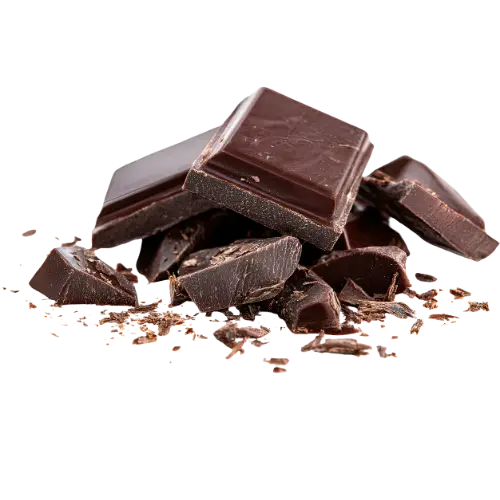
Bittersweet chocolate sits between semisweet (50-60% cacao) and unsweetened baking chocolate (100% cacao) on the chocolate intensity scale. The 60-70% range produces noticeable cocoa bitterness alongside sweetness, which is what makes ganache and flourless cakes taste ‘serious’ rather than candy-sweet. For most American baking that calls for bittersweet, anything in the 60-72% range will work; above 75% the chocolate starts to taste industrial rather than dessert-ready.
For ganache, the technique is dead simple: equal weights bittersweet chocolate and heavy cream, heated together until smooth. The chocolate’s higher cocoa butter content produces a smoother emulsion than chocolate chips can manage (the stabilizers in chips actually break the ganache). For dipping, slightly more cream produces a thinner coat. For truffles, slightly less cream produces a firmer center. Use real bittersweet bars (Ghirardelli, Lindt, Valrhona, Callebaut) rather than chips for any ganache application.
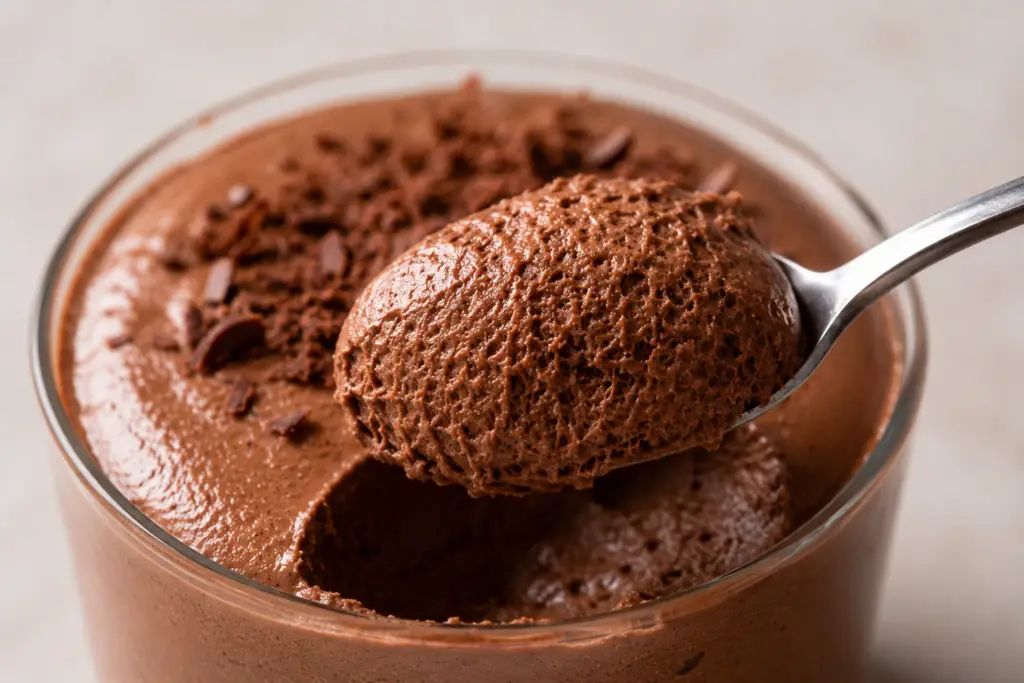
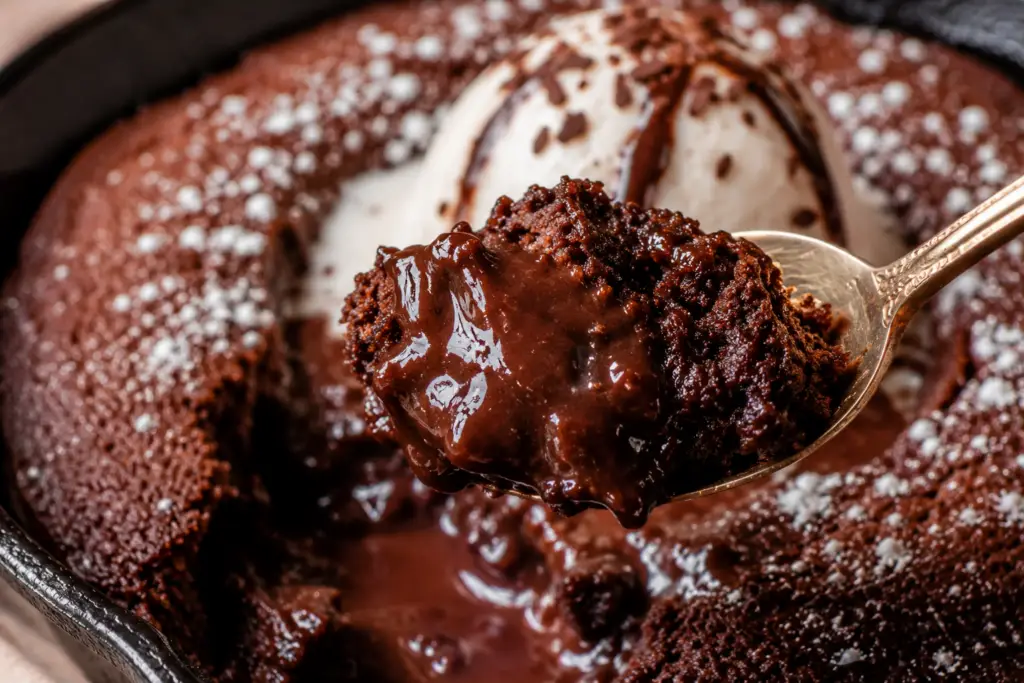
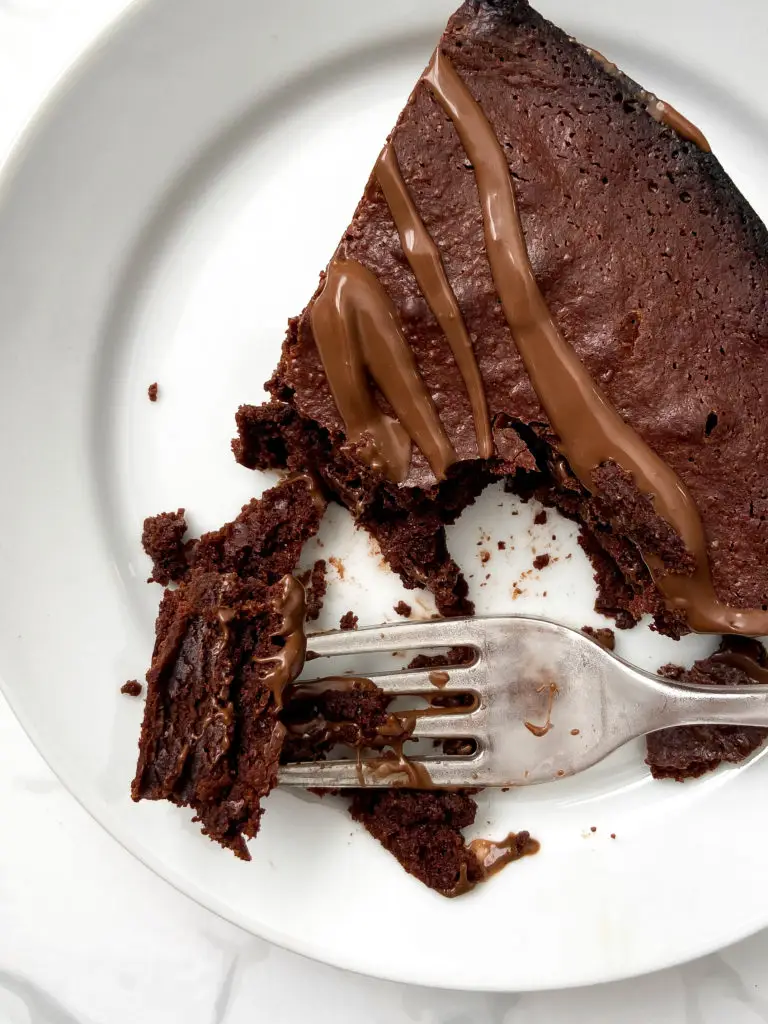
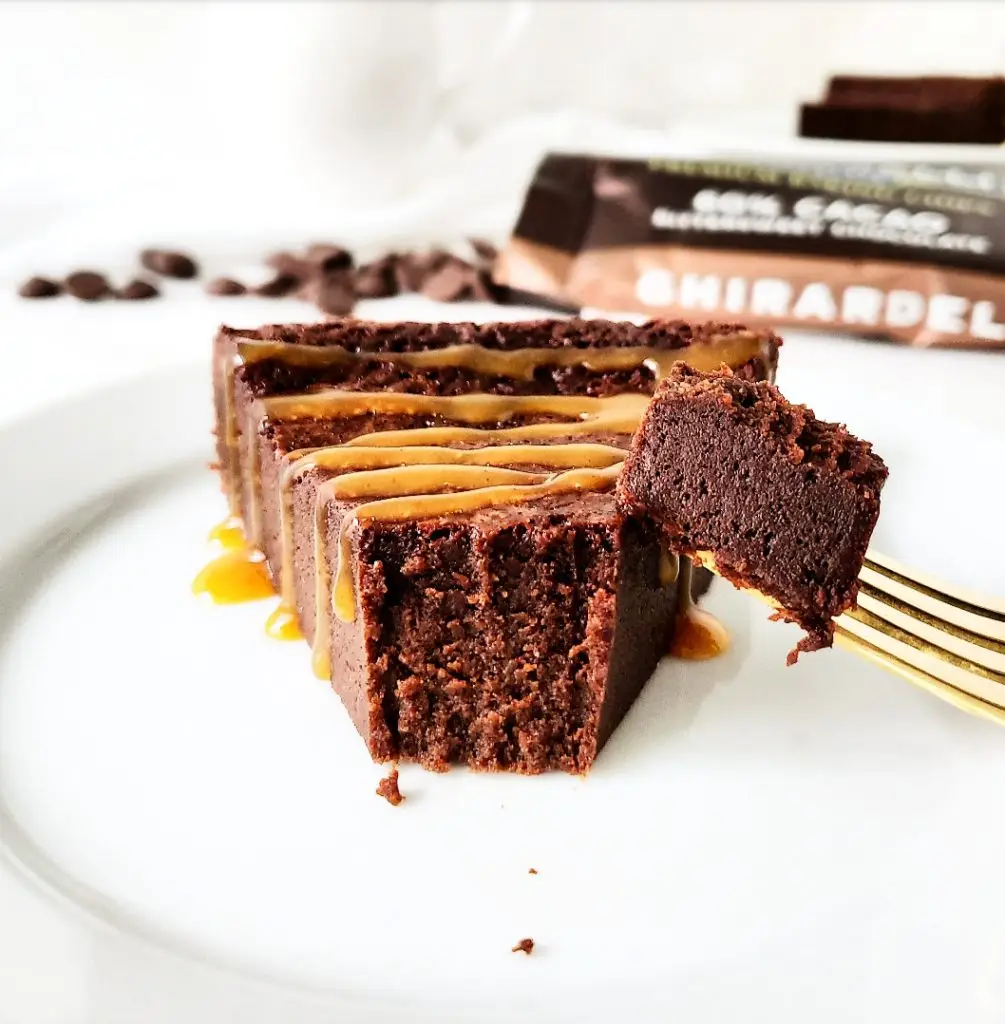
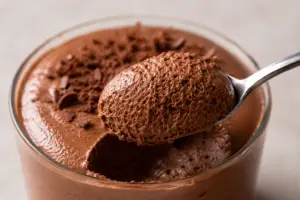
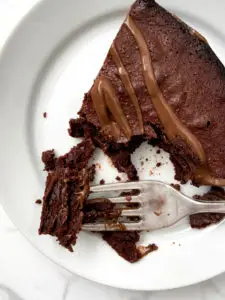
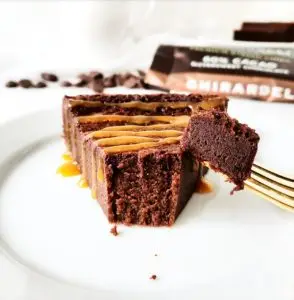
Flourless chocolate cake is the dish where bittersweet chocolate is non-negotiable. The cake is essentially chocolate, butter, eggs, sugar, and salt, there’s nowhere for the chocolate to hide. Cheap chocolate produces a thin, waxy cake; quality bittersweet (Ghirardelli 60% or Lindt 70%) produces the deep, fudgy texture that makes this dessert worthwhile. The same rule applies to chocolate pots de creme and chocolate panna cotta.
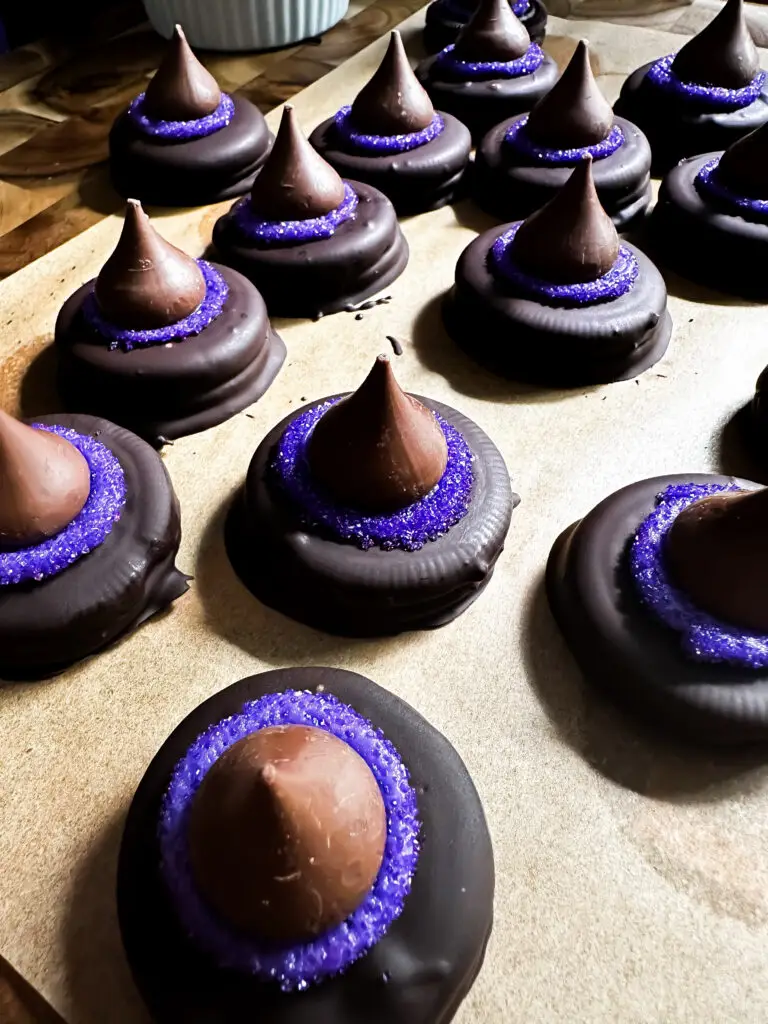
For cookies and brownies, bittersweet chocolate chopped into chunks (rather than chips) produces a different finished result. Chopped bittersweet melts in larger pools that read as ‘rivers of chocolate’ rather than discrete chips. The cocoa powder pairing in the same dough, 2 tablespoons of cocoa with the chopped bittersweet, compounds the chocolate intensity in a way that pure chips cannot match. This is the technique behind most upscale bakery chocolate cookies. For straightforward applications, Classic Chocolate Fudge leans on bittersweet for the deep cocoa note and The Best Fudgy Brownies uses it in the batter for a rich, fudgy crumb. Browse semisweet chocolate chips, chocolate, and salt for closely related cooking applications.