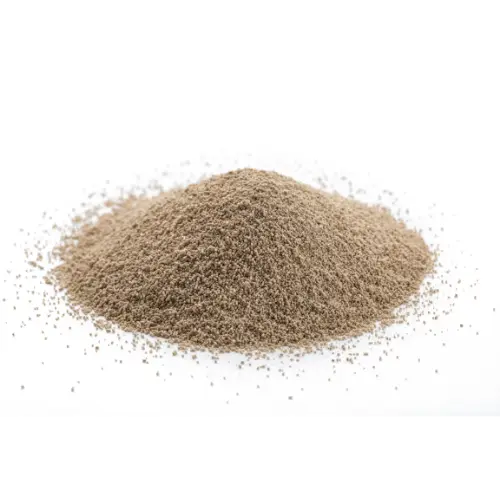
Active dry yeast, instant yeast (rapid-rise), and fresh yeast (cake yeast) are the three forms commercially available. Active dry needs proofing in warm water (105-110°F) before use. Instant goes directly into dry ingredients. Fresh yeast is more potent but harder to find and shorter shelf life. For home bakers in 2026, instant yeast is the most practical choice. Skip the proofing step, get equivalent results.
Yeast is alive until it isn’t. Old or improperly stored yeast loses potency and eventually dies. To test if yeast is still alive: dissolve 1 teaspoon in 1/4 cup warm water with a pinch of sugar. If it foams within 10 minutes, the yeast is alive and active. If nothing happens, discard and buy fresh. The proofing test takes 10 minutes; baking with dead yeast wastes 4+ hours.
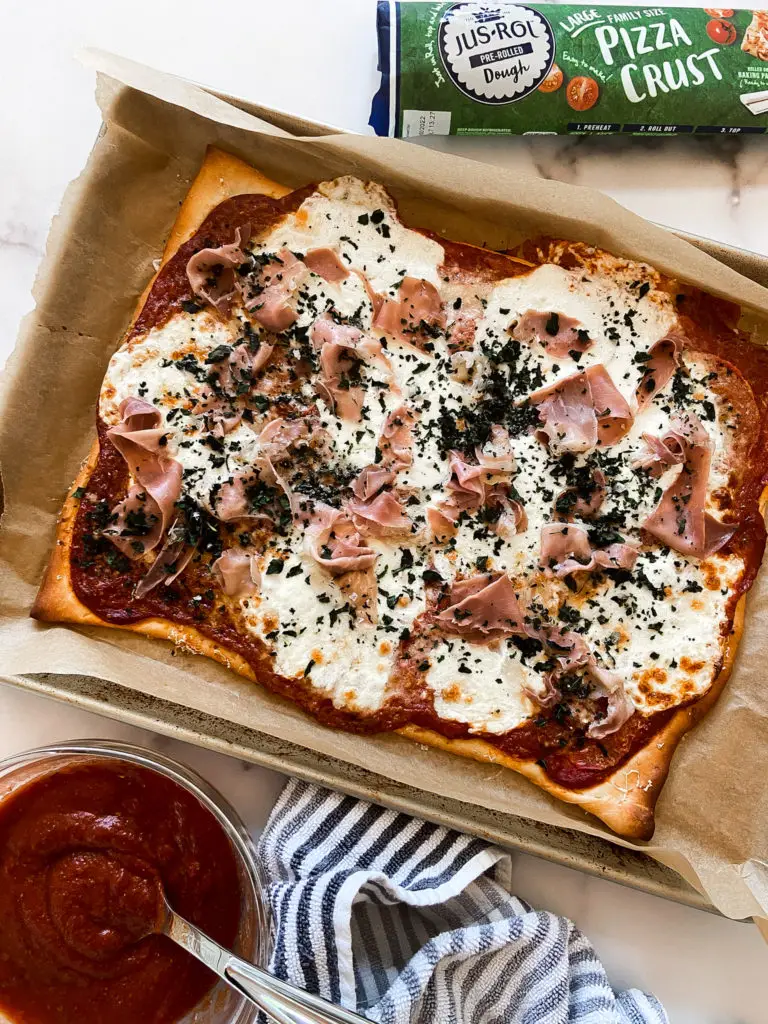
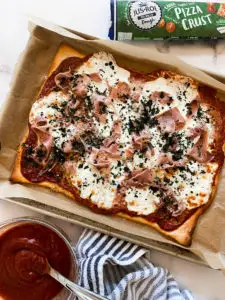
For pizza dough (the foundational yeast application), the standard recipe is 3 cups bread flour or all-purpose flour, 2 1/4 teaspoons yeast (1 packet), 1 teaspoon salt, 1 cup warm water, 2 tablespoons olive oil. Mix, knead 5-7 minutes, let rise 1-1.5 hours until doubled. Divide for 2 pizzas. The slightly longer rise (1.5-2 hours) produces better flavor development; the shorter rise (1 hour) produces functional but flatter-tasting dough.
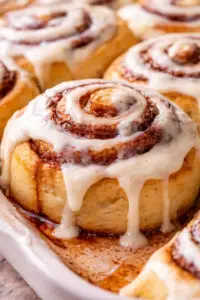
For cinnamon rolls, the dough is enriched with butter, milk, and eggs. Which slows the yeast’s activity. Expect 90-minute first rise and 30-minute second rise. The full recipe: 4 cups all-purpose flour, 1/4 cup sugar, 2 1/4 teaspoons yeast, 1 teaspoon salt, 1 cup warm milk, 1/3 cup melted butter, 2 eggs. Knead, rise, roll out, fill with cinnamon-and-brown-sugar, slice, second rise, bake at 375°F for 22-25 minutes. For storage, unopened yeast packets keep 2 years; opened transfer to sealed jars and refrigerate (4 months) or freeze (1+ year). Other reader picks that build on yeast include Banana Bread Overnight Oats and Cottage Cheese Banana Bread. Browse active dry yeast, flour, and salt for closely related cooking applications.