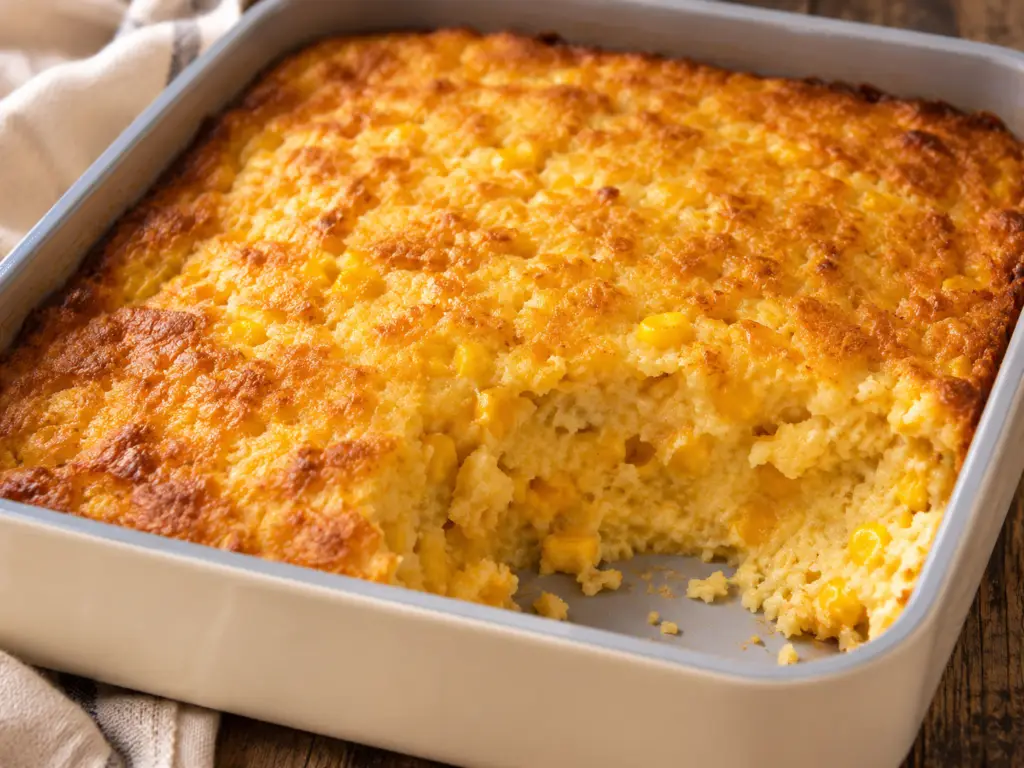
Sausage, Egg and Cheese Breakfast Casserole
This easy sausage, egg and cheese breakfast casserole is everything you want in a hearty homemade breakfast. Loaded with savory breakfast sausage, fluffy eggs, sharp cheddar cheese, buttery bread and just the right amount of seasoning, this oven-baked breakfast casserole is golden on top, soft and cheesy in the center, and perfect for feeding a hungry crowd.
The best part? You can assemble the entire casserole the night before and pop it into the oven in the morning. Whether you’re hosting Christmas morning breakfast, Easter brunch, a holiday gathering or simply looking for an easy breakfast meal prep recipe, this is one you’ll want to keep on repeat.
I love a breakfast recipe that doesn’t require standing over the stove while everyone else is enjoying their morning coffee. This sausage breakfast casserole takes care of breakfast in one baking dish, uses affordable grocery store ingredients and makes enough to feed the whole family.
Serve it alongside fresh fruit, cinnamon rolls, breakfast potatoes or a warm slice of banana bread for the ultimate homemade brunch spread.
Why You’ll Love This Sausage, Egg and Cheese Breakfast Casserole
Make-ahead friendly: Assemble everything up to 24 hours before baking.
Perfect for Christmas morning: Spend more time opening presents and less time in the kitchen.
Feeds a crowd: One 9×13-inch casserole makes 12 servings.
High-protein breakfast: Eggs, sausage and cheese make this a satisfying morning meal.
Budget-friendly: Made with simple, affordable ingredients.
Great for meal prep: Refrigerate or freeze individual portions for busy mornings.
Easy to customize: Add vegetables, swap the meat or experiment with different cheeses.
No complicated ingredients: Everything can be found at your local grocery store.
Perfect year-round: Great for holiday breakfasts, weekend brunches, potlucks and breakfast for dinner.
What Is a Sausage, Egg and Cheese Breakfast Casserole?
A sausage, egg and cheese breakfast casserole is a baked breakfast dish made by combining cooked breakfast sausage, whisked eggs, milk, shredded cheese and cubed bread.
Unlike scrambled eggs or an omelet, everything cooks together in one baking dish. The bread absorbs the seasoned egg mixture as it bakes, creating a soft, almost custard-like interior with pockets of melted cheese and savory sausage in every bite.
This style of breakfast casserole is also commonly called an overnight breakfast casserole, breakfast strata, sausage egg bake or Christmas morning breakfast casserole.
Some breakfast casseroles use hash browns, crescent rolls or biscuits instead of bread. This version uses slightly dried bread for a hearty texture that holds together beautifully when sliced without becoming overly dense or soggy.
Ingredients for Sausage, Egg and Cheese Breakfast Casserole
You don’t need anything fancy to make a delicious homemade breakfast casserole. A handful of everyday ingredients comes together to create a breakfast that tastes like you spent much more time preparing it than you actually did.
Breakfast Sausage
One pound of ground pork breakfast sausage gives this casserole its classic savory flavor. Mild breakfast sausage is great for the whole family, but hot sausage, maple sausage or sage breakfast sausage also works.
Make sure to brown the sausage before adding it to the casserole. This adds flavor and allows you to drain away excess grease.
Eggs
Ten large eggs create the foundation of this breakfast casserole. Whisking the eggs thoroughly with the milk helps distribute the mixture evenly throughout the bread, sausage and cheese.
Whole Milk
Whole milk creates a tender, creamy egg filling without making the casserole excessively heavy. You can also use 2% milk or replace half a cup of the milk with half-and-half for a richer breakfast casserole.
Sharp Cheddar Cheese
Sharp cheddar cheese gives this casserole plenty of cheesy flavor without needing an excessive amount of cheese.
I recommend shredding cheese directly from the block when possible. Freshly shredded cheese generally melts more smoothly than packaged shredded cheese.
Monterey Jack Cheese
Monterey Jack melts beautifully and balances the stronger flavor of sharp cheddar. Combining the two cheeses gives you a creamy interior and a delicious golden cheese topping.
Bread
Use approximately six cups of cubed French bread, sourdough, brioche or sturdy white sandwich bread.
Slightly stale bread works especially well because it absorbs the egg mixture without immediately falling apart.
Dijon Mustard
A small amount of Dijon mustard adds depth to the egg mixture without making the casserole taste strongly of mustard. Dry mustard powder is another great option.
Seasonings
Garlic powder, onion powder, salt, black pepper and a little smoked paprika bring everything together. Breakfast sausage already contains seasoning, so you don’t need much additional salt.
Green Onions
Sliced green onions add a little freshness and color to the finished breakfast casserole. They’re optional, but they make a simple casserole look especially inviting on a holiday brunch table.
What Is the Best Bread for Breakfast Casserole?
The type of bread you use can change the texture of your finished breakfast casserole.
Bread | Texture and flavor |
|---|---|
French bread | Classic, sturdy and soft inside |
Sourdough | Slightly tangy with a firmer texture |
Brioche | Rich, buttery and extra tender |
White sandwich bread | Soft, affordable and traditional |
Texas toast | Thick, hearty and filling |
Gluten-free bread | Great for a gluten-free variation |
Leftover dinner rolls | Buttery, soft and slightly sweet |
French bread is a great all-around choice because it absorbs the egg mixture while maintaining enough structure to prevent the casserole from turning mushy.
If you’re using very fresh bread, spread the cubes on a baking sheet and bake at 300°F for 10–15 minutes to dry them slightly. Allow the bread to cool before assembling the casserole.
This is also a wonderful way to use leftover holiday dinner rolls instead of letting them go to waste.
How to Make Sausage, Egg and Cheese Breakfast Casserole
Step 1: Brown the Breakfast Sausage
Heat a large skillet over medium heat. Add the ground breakfast sausage and cook for approximately 7–10 minutes, breaking it into small crumbles as it cooks.
Continue cooking until the sausage is completely browned and cooked through. Ground pork sausage should reach 160°F.
Drain excess grease and set the sausage aside to cool slightly.
Step 2: Prepare the Baking Dish
Lightly grease a 9×13-inch baking dish with butter or cooking spray.
Cut the bread into approximately 1-inch cubes and spread them evenly across the bottom of the baking dish.
Scatter the cooked sausage over the bread, followed by approximately three-quarters of the shredded cheese.
Distributing the ingredients evenly helps ensure every slice contains plenty of sausage and melted cheese.
Step 3: Prepare the Egg Mixture
In a large mixing bowl, whisk together the eggs, milk, Dijon mustard, garlic powder, onion powder, smoked paprika, salt and black pepper.
Whisk until the eggs and milk are fully combined and no large streaks of egg white remain.
Slowly pour the egg mixture over the bread, sausage and cheese.
Use the back of a spoon to gently press the bread into the liquid so the pieces can absorb the egg mixture.
Step 4: Add the Cheese and Rest
Sprinkle the remaining cheese evenly over the casserole.
For a same-day breakfast casserole, allow the assembled dish to rest for approximately 15–20 minutes while the oven preheats.
For an overnight breakfast casserole, cover tightly and refrigerate for up to 24 hours.
Step 5: Bake Until Golden
Preheat the oven to 350°F.
Bake the casserole uncovered for 45–55 minutes, or until the edges are golden brown, the cheese is melted and the center is set.
If the cheese begins browning too quickly, loosely cover the baking dish with aluminum foil during the final 10–15 minutes.
The center of the breakfast casserole should reach an internal temperature of 160°F.
Step 6: Rest, Slice and Serve
Allow the breakfast casserole to rest for 10 minutes before slicing.
This gives the egg filling time to settle and makes it easier to cut neat portions.
Sprinkle with sliced green onions, freshly cracked black pepper or chopped parsley before serving.
How to Make Overnight Sausage Breakfast Casserole
If you’re planning Christmas morning breakfast, this overnight sausage breakfast casserole might be your new favorite holiday tradition.
Instead of waking up early to cook breakfast, you can have everything assembled and ready to bake before you go to bed.
Cook and drain the breakfast sausage.
Cube the bread and shred the cheese.
Assemble the casserole according to the recipe.
Pour the seasoned egg mixture over the ingredients.
Cover tightly and refrigerate for 8–24 hours.
Remove from the refrigerator while the oven preheats, following your baking dish manufacturer’s temperature-change instructions.
Bake at 350°F for approximately 50–65 minutes, checking that the center reaches 160°F.
The overnight resting period allows the bread to absorb the egg mixture, creating a softer, more evenly baked casserole.
If you’re hosting a holiday brunch, prepare your breakfast casserole, cinnamon rolls and fruit the night before. In the morning, all that’s left to do is turn on the oven and make the coffee.
Tips for the Best Sausage and Egg Breakfast Casserole
Always Cook the Sausage First
Adding raw sausage directly to the casserole can release too much grease and moisture during baking. Browning the sausage first also creates those delicious little caramelized pieces that add flavor throughout the casserole.
Don’t Use Too Much Milk
While milk helps create a tender egg filling, adding too much can prevent the casserole from setting properly. Ten large eggs and two cups of whole milk provide a good balance for this bread-based breakfast casserole.
Shred Your Own Cheese
Pre-shredded cheese contains ingredients that help prevent it from clumping together in the bag. While it still works in this recipe, freshly shredded cheese generally gives you a smoother, creamier finish.
Give the Bread Time to Absorb the Eggs
Even if you’re making this casserole the same morning, let the assembled ingredients rest before baking. This helps prevent dry pieces of bread from sticking out of the casserole.
Don’t Overbake the Eggs
Eggs continue to firm up slightly as the casserole rests. Remove the dish from the oven once the center reaches 160°F to help prevent a dry, rubbery texture.
Cook Vegetables Before Adding Them
Mushrooms, spinach, onions and bell peppers release moisture as they cook. Sautéing them first helps prevent a watery breakfast casserole.
Season Every Layer
A little seasoning in the egg mixture combined with flavorful breakfast sausage and sharp cheddar makes a much better casserole than relying on salt and pepper alone.
My Favorite Bakeware for Breakfast Casseroles
A good 9×13-inch baking dish is one of those kitchen essentials that gets used constantly, especially during the holidays. I love using my Caraway ceramic-coated bakeware for breakfast casseroles because the nonstick surface makes serving those cheesy corner pieces and cleaning up afterward so much easier. It’s also pretty enough to take straight from the oven to the brunch table, which means one less serving dish to wash. If you’re hosting this holiday season or looking to upgrade your everyday cookware and bakeware, use my code STACIEZ10 when shopping Caraway.
Sausage, Egg and Cheese Breakfast Casserole Variations
One of the reasons breakfast casseroles are so popular is that you can change the ingredients depending on what you already have in the refrigerator. Think of this recipe as a starting point for plenty of delicious breakfast combinations.
Sausage Breakfast Casserole with Hash Browns
Replace the cubed bread with one 30-ounce bag of thawed shredded hash browns. Pat the potatoes dry before adding them to the baking dish.
Reduce the milk to one cup since potatoes do not absorb liquid the same way bread does.
This creates a heartier, potato-based breakfast casserole that is naturally gluten-free when made with gluten-free sausage and seasonings.
Sausage and Egg Breakfast Casserole Without Bread
Looking for a lower-carb breakfast casserole? Skip the bread and reduce the milk to ½ cup.
Add two additional eggs and, if desired, one cup of cooked vegetables. Begin checking for doneness after 30–35 minutes.
Bacon, Egg and Cheese Breakfast Casserole
Replace the breakfast sausage with 12 ounces of uncooked bacon that has been cooked until crisp, drained and chopped.
You can also use half bacon and half sausage if you can’t decide between the two.
Sausage Breakfast Casserole with Biscuits
Replace the cubed bread with six cups of cubed, fully baked buttermilk biscuits.
The buttery biscuits create a rich, tender breakfast casserole that tastes especially delicious with a spoonful of homemade sausage gravy.
Crescent Roll Breakfast Casserole
For a crescent roll version, press one 8-ounce package of refrigerated crescent dough into the bottom of the baking dish.
Prebake according to the package directions until lightly golden. Add the sausage, cheese and eggs, reducing the milk to ½ cup. Bake until the egg filling is fully set.
This variation has a buttery pastry base rather than the custard-like bread layers of the original recipe.
Sausage and Egg Breakfast Casserole with Vegetables
Add up to 1½ cups of cooked vegetables, such as:
Diced red or green bell peppers
Sautéed mushrooms
Chopped baby spinach
Diced yellow onion
Chopped broccoli
Roasted poblano peppers
Make sure the vegetables are cooked and excess moisture has been removed before assembling the casserole.
Spicy Sausage Breakfast Casserole
Use hot breakfast sausage, pepper jack cheese and diced jalapeños. Add a pinch of crushed red pepper flakes to the egg mixture.
Serve with hot sauce, salsa or sliced avocado for a Southwest-inspired breakfast.
Maple Sausage Breakfast Casserole
Use maple breakfast sausage and replace the French bread with brioche. The subtle sweetness pairs beautifully with sharp cheddar cheese and savory eggs.
This is an especially delicious combination for Christmas morning.
Turkey Sausage Breakfast Casserole
Replace traditional pork sausage with ground turkey breakfast sausage. Cook the turkey sausage to 165°F before adding it to the casserole.
This is a simple way to reduce the fat content while keeping plenty of protein in each serving.
High-Protein Cottage Cheese Breakfast Casserole
Blend one cup of full-fat cottage cheese with one cup of milk before whisking it into the eggs.
The cottage cheese adds additional protein and creates a creamy egg mixture without leaving large visible curds throughout the casserole.
This is a great option if you’re looking for another way to incorporate cottage cheese into your breakfast routine.
Vegetarian Breakfast Casserole
Replace the sausage with two cups of cooked mushrooms, peppers, onions and spinach or use your favorite plant-based breakfast sausage.
A combination of sharp cheddar and smoked Gouda adds plenty of flavor without traditional breakfast sausage.
Can You Make Sausage Breakfast Casserole Gluten-Free?
Yes! Replace the regular bread with your favorite gluten-free sandwich bread or gluten-free French bread.
Gluten-free bread can sometimes be softer or more delicate than traditional bread, so lightly toasting the cubes before assembling the casserole may help them hold their shape.
Always check the labels on your breakfast sausage, mustard and seasonings to make sure they are gluten-free.
For a naturally gluten-free alternative, use the shredded hash brown variation.
How to Make Dairy-Free Breakfast Casserole
To make this breakfast casserole dairy-free, use unsweetened, unflavored plant-based milk and your favorite dairy-free shredded cheese.
Unsweetened soy milk is a good option because it has more protein than many other plant-based milk alternatives.
Grease your baking dish with olive oil or dairy-free butter instead of regular butter, and check that your bread and sausage do not contain dairy.
Keep in mind that dairy-free cheese may melt differently from traditional cheddar and Monterey Jack.
Why Is My Breakfast Casserole Watery?
A watery breakfast casserole usually comes down to excess moisture or an undercooked egg mixture.
Here are the most common reasons and how to prevent them:
Problem | Solution |
|---|---|
Too much milk | Measure the milk carefully. |
Undrained sausage | Drain excess grease after cooking. |
Raw vegetables | Sauté vegetables before adding them. |
Frozen potatoes | Thaw and pat dry before using. |
Undercooked eggs | Bake until the center reaches 160°F. |
Sliced too soon | Rest for 10 minutes before serving. |
Too little bread | Use the full six cups of cubed bread. |
If your casserole is still wet in the middle but the top is already golden brown, loosely cover it with foil and continue baking in five-minute increments until the eggs are fully cooked.
Why Is My Egg Casserole Rubbery?
Egg casseroles become rubbery when the eggs are exposed to too much heat for too long.
Although it may be tempting to increase the oven temperature to get breakfast on the table faster, baking at 350°F allows the egg mixture to cook more evenly.
Using whole milk, allowing the bread to absorb the eggs and removing the casserole once the center reaches the proper temperature all help create a softer texture.
If you’re reheating leftovers, avoid microwaving them for several minutes at a time. Short intervals help prevent the eggs from becoming tough.
Breakfast Casserole with Bread vs. Hash Browns
Both versions make a delicious homemade breakfast, but the texture and flavor are quite different.
Breakfast casserole with bread | Breakfast casserole with hash browns |
|---|---|
Soft, custard-like interior | Hearty potato-based interior |
Similar to a breakfast strata | Similar to a loaded potato bake |
Excellent for overnight preparation | Great for a potato-based brunch |
Uses inexpensive leftover bread | Uses convenient frozen potatoes |
Absorbs more milk | Requires less milk |
Easy to slice into squares | Slightly softer when served |
If you’re making breakfast for a holiday gathering, the bread-based version is especially convenient because you can assemble it the night before and bake it in the morning.
Christmas Morning Sausage Breakfast Casserole
There is something about waking up on Christmas morning to the smell of breakfast baking in the oven that makes the holiday feel extra special.
This overnight Christmas breakfast casserole is perfect when you want to spend time with family instead of cooking multiple batches of eggs, sausage and pancakes.
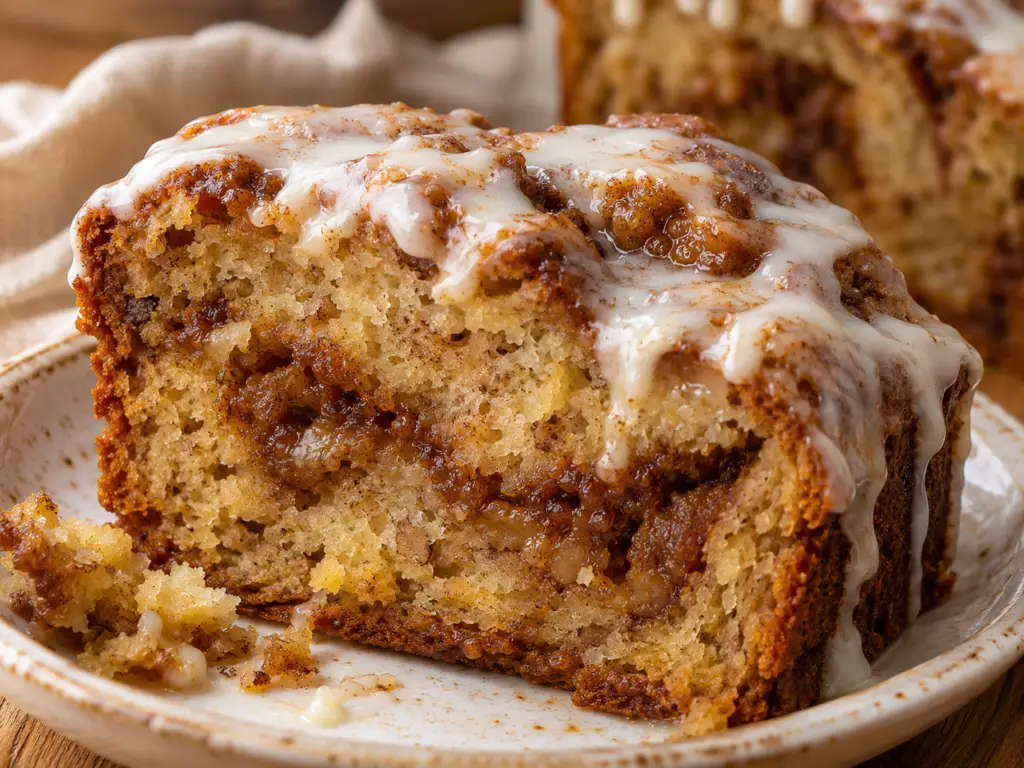
Pair it with my Cinnamon Roll Banana Bread for an irresistible combination of sweet and savory breakfast favorites.
Easy Christmas Morning Breakfast Menu
Overnight sausage, egg and cheese breakfast casserole
Cinnamon roll banana bread
Fresh strawberries, blueberries and orange slices
Homemade cinnamon rolls
Hot chocolate for the kids
Freshly brewed coffee
Orange juice or holiday mimosas
You don’t need an elaborate breakfast buffet to make Christmas morning memorable. A few homemade recipes that can be prepared ahead of time make entertaining so much easier.
Christmas Eve Breakfast Prep Timeline
When | What to prepare |
|---|---|
Christmas Eve afternoon | Bake banana bread and prepare any sweet breakfast recipes. |
Christmas Eve evening | Cook the sausage and assemble the casserole. |
Before bed | Cover the casserole and refrigerate. |
Christmas morning | Preheat the oven and bake the casserole. |
While it bakes | Prepare coffee, beverages and fresh fruit. |
Before serving | Let the casserole rest, slice and serve. |
What to Serve with Sausage, Egg and Cheese Breakfast Casserole
This breakfast casserole is filling enough to serve on its own, but a few simple breakfast sides can turn it into a beautiful brunch spread.
Sweet Breakfast Sides
A sweet breakfast dish pairs perfectly with the savory sausage and sharp cheddar cheese.
Try serving it with my Pumpkin Cinnamon Rolls, homemade muffins, pancakes, coffee cake or a warm slice of banana bread.
Breakfast Potatoes
Crispy roasted breakfast potatoes, hash browns or cheesy potato casserole are great additions when serving a larger crowd.
Season diced potatoes with olive oil, garlic powder, paprika, salt and pepper before roasting until golden.
Fresh Fruit
Fresh fruit adds a lighter option to balance the richness of the casserole.
Strawberries, blueberries, grapes, pineapple, oranges and sliced apples are all great choices for a breakfast buffet.
Sauces and Toppings
Set out a few toppings so everyone can customize their breakfast:
Fresh salsa
Hot sauce
Sliced avocado
Sour cream
Chopped green onions
Fresh parsley
Crumbled bacon
Homemade sausage gravy
A spoonful of salsa and a few slices of avocado are especially delicious if you’re serving leftovers for breakfast or lunch.
How to Make Breakfast Casserole for a Crowd
This recipe makes 12 generous breakfast portions, making it ideal for holiday gatherings, family reunions, church breakfasts and potluck brunches.
Ingredient | 6 servings | 12 servings | 24 servings |
|---|---|---|---|
Breakfast sausage | ½ lb | 1 lb | 2 lbs |
Eggs | 5 | 10 | 20 |
Milk | 1 cup | 2 cups | 4 cups |
Bread | 3 cups | 6 cups | 12 cups |
Cheddar cheese | ¾ cup | 1½ cups | 3 cups |
Monterey Jack | ½ cup | 1 cup | 2 cups |
For six servings, halve all remaining ingredients and use an 8×8-inch or 9×9-inch baking dish. Start checking for doneness after approximately 35 minutes.
For 24 servings, double all ingredients and divide the mixture between two 9×13-inch baking dishes.
Avoid putting a double batch into one deep baking dish. The edges may become overcooked before the egg mixture in the center has finished baking.
How to Meal Prep Sausage and Egg Breakfast Casserole
If you’re tired of figuring out what to eat every morning, breakfast casserole is a great recipe to prepare at the beginning of the week.
Bake the casserole, allow it to rest and divide it into 12 individual portions. Refrigerate the portions you plan to eat within three to four days and freeze the remaining servings.
Each portion contains protein from the eggs, sausage, milk and cheese, making it a satisfying grab-and-go breakfast.
For a balanced breakfast, pair a slice with fresh fruit or vegetables.
You can also wrap a reheated portion inside a warm tortilla with salsa and avocado for an easy breakfast burrito.
How to Store Breakfast Casserole
In the Refrigerator
Store leftover sausage breakfast casserole in an airtight container in the refrigerator for up to four days.
Refrigerate leftovers within two hours of cooking rather than allowing the entire casserole to sit on the countertop throughout brunch.
Individual portions are especially convenient for quick reheating.
In the Freezer
This breakfast casserole freezes well, making it a great option for busy mornings.
For the best results:
Allow the baked casserole to cool slightly and divide it into individual servings.
Refrigerate promptly until chilled.
Wrap each portion tightly in plastic wrap or aluminum foil.
Place the wrapped portions into a freezer-safe container.
Freeze for up to three months for the best quality.
Thaw overnight in the refrigerator before reheating.
Freezing individual slices allows you to reheat only what you need.
How to Reheat Breakfast Casserole
Microwave: Heat an individual portion for 60–90 seconds, followed by additional short intervals as needed.
Oven: Cover with foil and bake at 325°F for approximately 15–20 minutes for individual portions or until thoroughly heated.
Air fryer: Place an individual portion in an air fryer-safe dish and heat at 300°F, checking after five minutes.
Leftover casserole should reach an internal temperature of 165°F before serving.
More Breakfast and Brunch Recipes to Try
If you love easy breakfast recipes that feed the whole family, try some of my other homemade breakfast favorites from Sugar Face Bakes.
Cinnamon Roll Banana Bread: Moist banana bread with buttery cinnamon sugar ribbons and a thick cream cheese glaze.
Pumpkin Cinnamon Rolls: Soft, fluffy cinnamon rolls filled with warm spices and topped with cream cheese frosting.
Eggless Banana Bread: An easy, moist banana bread made without eggs, perfect for preparing ahead of time.
Easy Breakfast and Brunch Recipes: Find my make-ahead blueberry brioche French toast casserole, copycat Starbucks egg bites, cheesy Cracker Barrel hashbrown casserole, fluffy pancakes, caramel apple cinnamon rolls and more homemade brunch favorites.
Homemade Bread Recipes: From soft cinnamon rolls to homemade banana bread, find something sweet to serve alongside your savory breakfast casserole.
Frequently Asked Questions
Can I make sausage, egg and cheese breakfast casserole the night before?
Yes! Assemble the entire casserole, cover tightly and refrigerate for up to 24 hours. Bake it the following morning, allowing additional baking time since the ingredients will be cold.
Do you have to refrigerate breakfast casserole overnight?
No. Allowing the casserole to rest for 15–20 minutes before baking gives the bread enough time to begin absorbing the egg mixture. Overnight refrigeration is convenient but not required.
Can you make sausage breakfast casserole without bread?
Yes. Omit the bread, reduce the milk to ½ cup and increase the eggs to 12 large eggs. The result will have a texture similar to a crustless quiche or baked frittata.
Do you cook sausage before putting it in a breakfast casserole?
Yes. Always cook and drain the sausage before adding it to the casserole. This prevents excess grease from collecting in the baking dish and adds more flavor to the finished breakfast.
How many eggs do you need for a 9×13 breakfast casserole?
Ten to twelve large eggs are generally enough for a 9×13-inch breakfast casserole. This recipe uses 10 eggs along with bread, milk, sausage and cheese to create 12 servings.
What is the best cheese for sausage and egg casserole?
Sharp cheddar, Monterey Jack, Colby Jack, pepper jack, Gruyère and smoked Gouda are all delicious options. Combining sharp cheddar with Monterey Jack gives you both a strong cheesy flavor and a creamy texture.
Can I use heavy cream instead of milk?
Yes. For a richer casserole, replace up to half of the milk with heavy cream or half-and-half. Using only heavy cream may make the casserole heavier than intended.
Can I use almond milk in breakfast casserole?
Yes. Unsweetened, unflavored almond milk can replace regular milk in equal amounts. Keep in mind that the finished casserole may have a slightly less creamy texture.
How do you know when an egg breakfast casserole is done?
The edges should be golden, the center should be set and there should be no visible liquid egg mixture when the pan is gently moved. An instant-read thermometer inserted into the center should register 160°F.
Should breakfast casserole be baked covered or uncovered?
Bake this breakfast casserole uncovered to allow the cheese and exposed bread to become golden. If the top starts browning before the center finishes cooking, loosely cover the dish with foil.
Can you freeze an egg and sausage breakfast casserole?
Yes. For the best texture, freeze the casserole after baking. Divide it into individual portions, wrap tightly and freeze for up to three months.
Can you freeze breakfast casserole before baking?
You can freeze an assembled, unbaked casserole, but the texture of the eggs and bread may change slightly after thawing. Thaw completely in the refrigerator before baking. Freezing individual cooked portions is my preferred method.
Can you make breakfast casserole two days ahead?
You can bake the entire casserole up to two days before serving and reheat it when needed. However, I recommend refrigerating an unbaked casserole for no more than 24 hours before baking.
Why is my sausage breakfast casserole soggy?
Too much milk, fresh bread, undrained sausage or vegetables with excess moisture can create a soggy casserole. Using slightly stale bread and carefully measuring the liquid ingredients helps prevent this problem.
Why did my breakfast casserole puff up and then sink?
Eggs naturally expand as they cook and settle as they cool. A little sinking is completely normal and does not mean anything is wrong with your casserole.
Can I add cream cheese to breakfast casserole?
Yes. Scatter small pieces of softened cream cheese throughout the casserole before adding the egg mixture. About four ounces will add creamy pockets without making the casserole excessively rich.
Can I use leftover cooked sausage?
Absolutely! Leftover breakfast sausage works wonderfully in this recipe as long as it has been properly refrigerated and is still within its safe storage period.
Can I use Italian sausage instead of breakfast sausage?
Yes. Mild or hot Italian sausage will give the casserole a slightly different flavor. It pairs especially well with mozzarella, Parmesan, bell peppers and onions.
Can I use frozen sausage in breakfast casserole?
Yes, but thaw the sausage safely in the refrigerator before browning and draining it.
Can you make sausage breakfast casserole in muffin tins?
Yes. Cut the bread into smaller cubes and divide the ingredients evenly between greased standard muffin cups. Fill each cup no more than three-quarters full and bake at 350°F, beginning to check after 20 minutes. Make sure the centers reach 160°F.
Can I make breakfast casserole in a glass baking dish?
Yes. An oven-safe glass, ceramic or metal baking dish will work. Avoid exposing a cold glass baking dish to sudden temperature changes, and follow the manufacturer’s instructions.
Is sausage, egg and cheese breakfast casserole keto-friendly?
The original recipe contains bread, so it is not designed for a ketogenic diet. The bread-free variation is much lower in carbohydrates.
Is breakfast casserole good for meal prep?
Yes! Breakfast casserole is an excellent make-ahead breakfast because it can be portioned, refrigerated, frozen and reheated throughout the week.
Can you eat breakfast casserole for dinner?
Of course! Breakfast for dinner is one of my favorite ways to keep meals simple. Serve it with a green salad, roasted vegetables or crispy breakfast potatoes.
What is the difference between a breakfast casserole and a quiche?
A traditional quiche usually has a pastry crust and a smooth egg custard filling. A breakfast casserole typically includes layers of meat, cheese, bread or potatoes throughout the egg mixture.
What is the difference between a strata and a breakfast casserole?
A strata is a type of breakfast casserole that specifically contains layers of bread soaked in an egg and milk mixture. This sausage, egg and cheese casserole is also considered a breakfast strata.
What is the best breakfast casserole for Christmas morning?
An overnight sausage, egg and cheese breakfast casserole is a wonderful choice because it feeds a crowd, uses simple ingredients and can be assembled entirely on Christmas Eve. Pair it with something sweet, fresh fruit and coffee for an easy holiday breakfast.
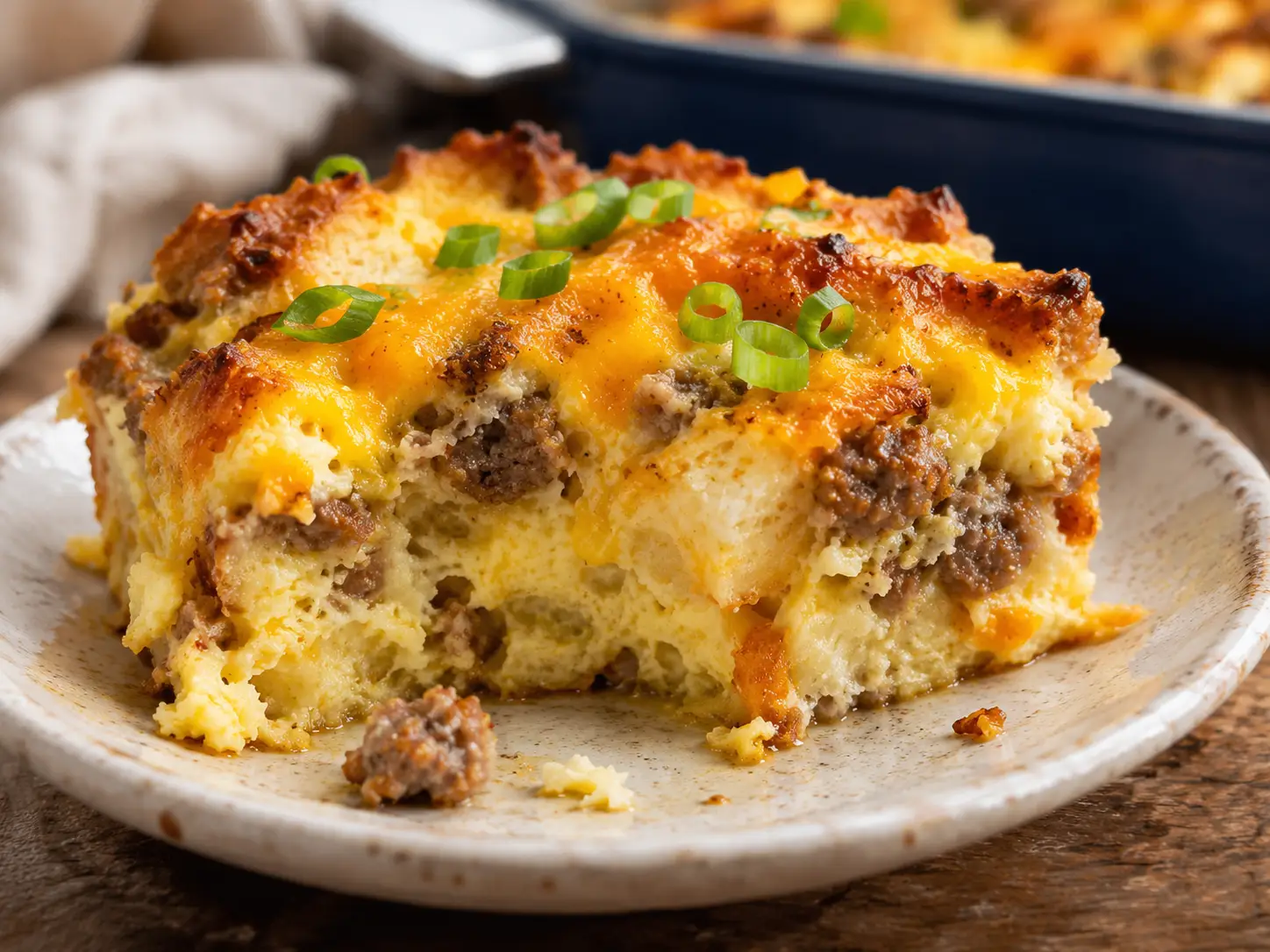
Sausage, Egg and Cheese Breakfast Casserole
Ingredients
- 1 pound ground pork breakfast sausage
- 10 large eggs
- 2 cups whole milk
- 6 cups cubed French bread or sturdy white bread
- 1½ cups shredded sharp cheddar cheese
- 1 cup shredded Monterey Jack cheese
- 2 teaspoons Dijon mustard
- ½ teaspoon garlic powder
- ½ teaspoon onion powder
- ½ teaspoon smoked paprika
- ¼ teaspoon salt or to taste
- ½ teaspoon ground black pepper
- 1 tablespoon unsalted butter for greasing the baking dish
- 2 tablespoons sliced green onions optional for serving
 Get Recipe Ingredients
Instructions
- Heat a large skillet over medium heat. Add the breakfast sausage and cook for 7–10 minutes, breaking it into small crumbles until fully cooked. Drain excess grease and set aside to cool slightly.
- Grease a 9x13-inch baking dish with butter. Spread the cubed bread evenly across the bottom.
- Scatter the cooked sausage over the bread. Sprinkle approximately three-quarters of the cheddar and Monterey Jack cheese over the sausage.
- In a large mixing bowl, whisk together the eggs, milk, Dijon mustard, garlic powder, onion powder, smoked paprika, salt and black pepper.
- Pour the egg mixture evenly over the casserole. Gently press the bread into the liquid and sprinkle the remaining cheese on top.
- Let the casserole rest for 15–20 minutes while preheating the oven to 350°F. Alternatively, cover and refrigerate for up to 24 hours before baking.
- Bake uncovered for 45–55 minutes for a freshly assembled casserole or approximately 50–65 minutes for a refrigerated casserole. The edges should be golden and the center should reach 160°F.
- Remove from the oven and allow the casserole to rest for 10 minutes.
- Garnish with sliced green onions, cut into 12 portions and serve warm.
Notes
Recipe Notes and Gram Measurements
| Ingredient | Weight |
|---|---|
| Breakfast sausage | 454 g |
| Large eggs, without shells | 500 g |
| Whole milk | 490 g |
| Cubed French bread | Approximately 300 g |
| Sharp cheddar cheese | 170 g |
| Monterey Jack cheese | 113 g |
| Dijon mustard | 10 g |
| Garlic powder | 1.5 g |
| Onion powder | 1.2 g |
| Smoked paprika | 1.2 g |
| Fine salt | 1.5 g |
| Black pepper | 1 g |
| Unsalted butter | 14 g |
| Green onions | 12 g |
-
Slightly stale bread works better than extremely soft, fresh bread.
-
Bread weights vary depending on the type and density of the loaf.
-
Freshly grated cheese melts more smoothly.
-
Drain the cooked sausage before assembling the casserole.
-
Reduce added salt if using a strongly seasoned breakfast sausage.
-
Overnight casseroles may require additional baking time.
-
Cover loosely with foil if the cheese browns before the center is fully cooked.
-
Refrigerate leftovers within two hours.
-
Baking times may vary depending on your oven and baking dish.