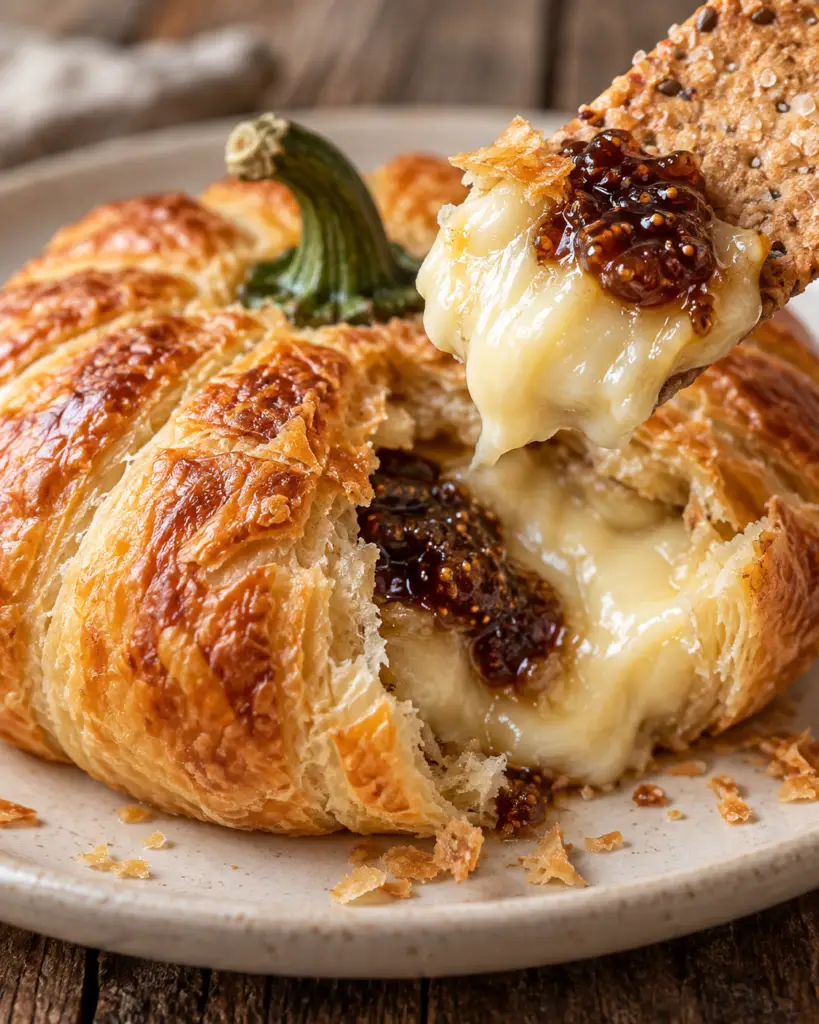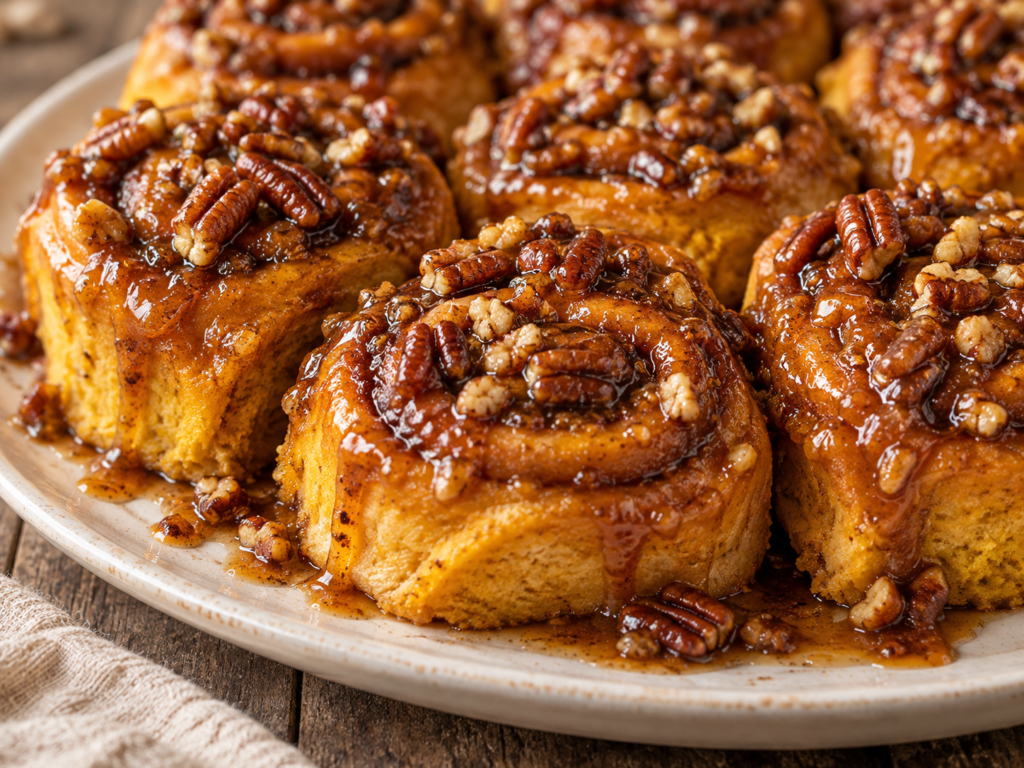
If there is one dessert that deserves a permanent spot on the Thanksgiving table, it might be pumpkin cheesecake.
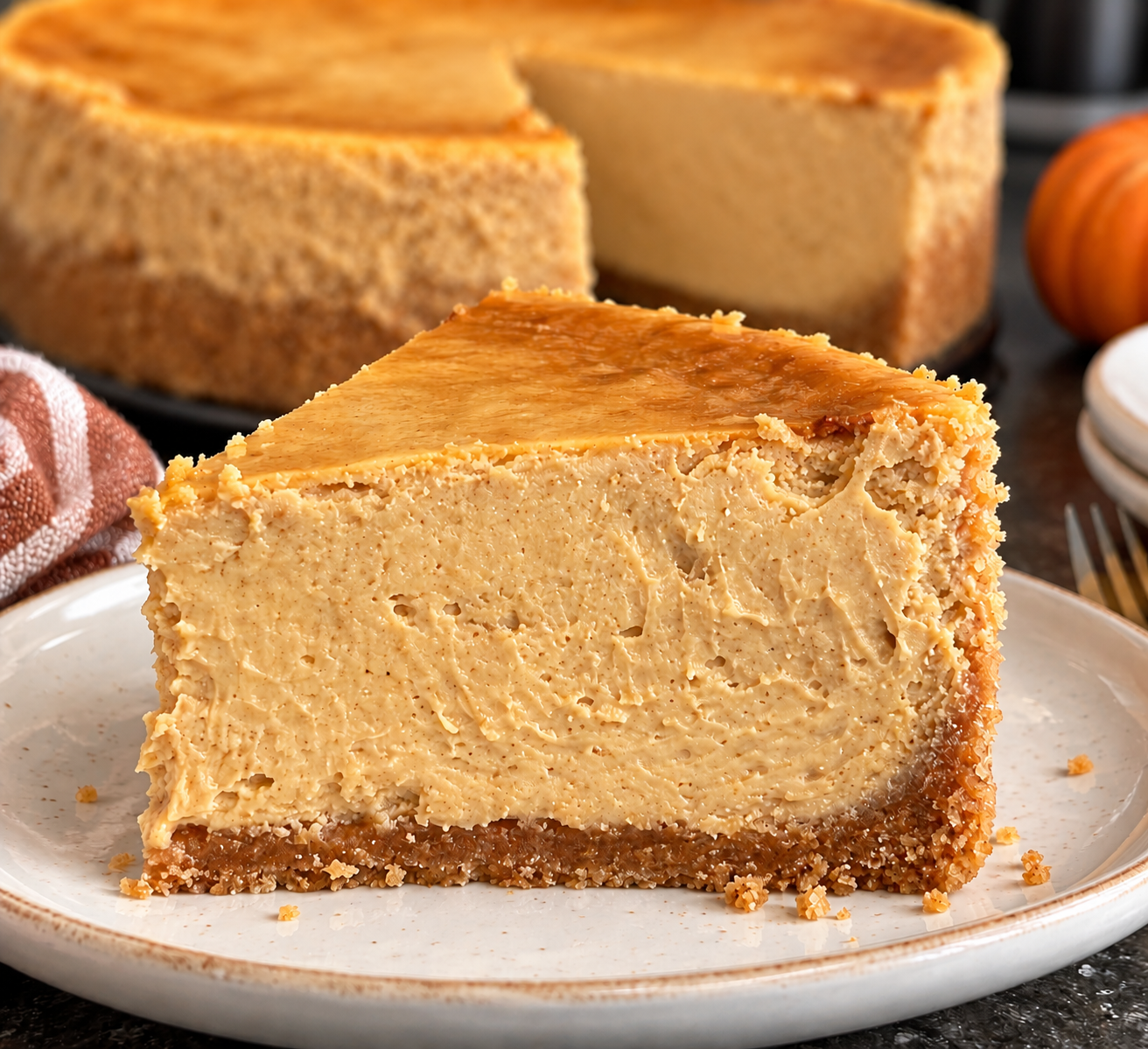
This pumpkin cheesecake has everything I want in a fall dessert. The filling is thick and creamy without feeling heavy, there is plenty of real pumpkin flavor, and the warm cinnamon and pumpkin pie spices come through without overpowering the cheesecake. Underneath it all is a buttery graham cracker crust that gives every slice just enough crunch.
And yes, we are making a real baked cheesecake.
Cheesecake can have a reputation for being fussy, but most of the problems people run into come down to a few simple things: ingredient temperature, overmixing, oven temperature, and cooling the cheesecake too quickly.
Once you know what to watch for, homemade pumpkin cheesecake is surprisingly manageable.
This guide walks you through the entire process, including how to make pumpkin cheesecake from scratch, how to prevent cracks, whether you really need a water bath, how to tell when cheesecake is done, and how far ahead you can make it for Thanksgiving.
Why You’ll Love This Pumpkin Cheesecake
There are plenty of pumpkin desserts out there, but this one gives you the best parts of pumpkin pie and classic cheesecake in one slice.
Here’s why I keep coming back to it:
- Thick, creamy cheesecake filling
- Real pumpkin puree
- Buttery graham cracker crust
- Warm cinnamon and pumpkin spice
- Not overly sweet
- Easy to make ahead
- Perfect for Thanksgiving and fall parties
- Freezer-friendly
- Beautiful enough for a holiday dessert table
- Detailed instructions to help prevent cracks
And because cheesecake needs several hours to chill, it is actually one of my favorite desserts to make before a holiday. You can get dessert completely finished the day before Thanksgiving instead of trying to squeeze one more thing into the oven Thursday morning.
What Does Pumpkin Cheesecake Taste Like?
Think classic New York-style cheesecake meets pumpkin pie.
The cream cheese keeps the filling rich and tangy while pumpkin puree gives it a mellow pumpkin flavor. Brown sugar adds a slight caramel note, and cinnamon, ginger, nutmeg, and cloves bring in those familiar fall flavors.
The result is richer and creamier than pumpkin pie but still tastes unmistakably like pumpkin.
Then there is the crust.
A buttery graham cracker crust adds texture and a lightly toasted flavor that balances the soft filling.
Add a spoonful of whipped cream on top and I am very happy.
Ingredients for Pumpkin Cheesecake
For the Graham Cracker Crust
You will need:
- finely crushed graham cracker crumbs
- granulated sugar
- ground cinnamon
- unsalted butter, melted
The cinnamon is optional, but I like adding a little to the crust because it carries the fall flavor all the way through the cheesecake.
For the Pumpkin Cheesecake Filling
You will need:
- full-fat block cream cheese, softened to room temperature
- light or dark brown sugar
- granulated sugar
- pure pumpkin puree
- full-fat sour cream, room temperature
- vanilla extract
- cinnamon
- pumpkin pie spice
- salt
- large eggs, room temperature
Optional Toppings
Try:
- Homemade whipped cream
- Cinnamon
- Caramel sauce
- Chopped toasted pecans
- Maple whipped cream
- Candied pecans
- Graham cracker crumbs
I usually keep the topping simple. A swirl of whipped cream and a light dusting of cinnamon lets the pumpkin cheesecake itself stay front and center.
Use Pure Pumpkin Puree, Not Pumpkin Pie Filling
This distinction matters.
For this recipe, use 100% pure pumpkin puree.
Do not use canned pumpkin pie filling.
Pumpkin pie filling already contains sugar and spices, which would change both the sweetness and flavor of the cheesecake.
Check the ingredient list on the can. Pumpkin should be the only ingredient.
Why Full-Fat Cream Cheese Works Best
This is dessert. Use the good stuff.
Full-fat block cream cheese produces the thick, smooth texture we want from a baked cheesecake.
I don’t recommend using whipped cream cheese or cream cheese sold in a tub. Those products contain different amounts of moisture and can give the filling a softer consistency.
For the most dependable results, use four 8-ounce blocks of full-fat cream cheese.
Room Temperature Ingredients Matter
Cold cream cheese is one of the fastest ways to end up with lumpy cheesecake batter.
Your cream cheese, eggs, and sour cream should all be around room temperature before you begin.
Soft cream cheese blends smoothly with the sugar and pumpkin, so you don’t have to beat the batter excessively trying to remove lumps.
That matters because beating cheesecake batter too much can incorporate extra air. Those air bubbles expand in the oven and collapse during cooling, which can contribute to cracks.
Take your cream cheese out of the refrigerator about 1 to 2 hours before baking, depending on the temperature of your kitchen.
How to Make Pumpkin Cheesecake
- Step 1: Prepare Your Pan
Preheat the oven to 350°F.
Lightly grease a 9-inch springform pan.
If you are using a traditional water bath, wrap the outside bottom and sides of the springform pan tightly with two or three layers of heavy-duty aluminum foil.
Be generous with the foil. Water finding its way into a springform pan is not the surprise we are looking for.
- Step 2: Make the Graham Cracker Crust
Combine the graham cracker crumbs, sugar, cinnamon, and melted butter.
Stir until every crumb looks evenly moistened.
The mixture should resemble damp sand and hold together when squeezed.
Pour it into your prepared springform pan.
Use the bottom of a measuring cup or drinking glass to firmly press the crumbs across the bottom and slightly up the sides.
Bake the crust at 350°F for 8 to 10 minutes.
Remove it from the oven and allow it to cool while you prepare the filling.
Reduce the oven temperature to 325°F.
- Step 3: Beat the Cream Cheese
Place the softened cream cheese into a large mixing bowl.
Using a stand mixer fitted with the paddle attachment or an electric hand mixer, beat on low to medium-low speed until smooth.
Scrape down the sides and bottom of the bowl.
Add the brown sugar and granulated sugar.
Mix just until smooth and combined.
You do not need to whip it.
Slow and steady is better for cheesecake batter.
- Step 4: Add the Pumpkin
Add:
- Pumpkin puree
- Sour cream
- Vanilla
- Cinnamon
- Pumpkin pie spice
- Salt
Mix on low speed until everything is evenly combined.
Scrape the bowl again, especially along the bottom where small pockets of cream cheese like to hide.
- Step 5: Add the Eggs Last
Add the eggs one at a time.
Mix on low speed after each egg just until the yolk disappears into the batter.
Once the final egg is incorporated, stop mixing.
This is one of the biggest tricks to making smooth cheesecake.
The goal is not to whip the filling. We want to combine it while introducing as little unnecessary air as possible.
- Step 6: Fill the Crust
Pour the pumpkin cheesecake filling over the cooled crust.
Use a spatula to smooth the top.
Gently tap the pan against the counter a few times to encourage larger air bubbles to rise.
Pop any obvious bubbles on the surface with a toothpick.
How to Make a Water Bath for Cheesecake
Place your foil-wrapped springform pan inside a large roasting pan.
Carefully pour hot water into the roasting pan until it reaches roughly halfway up the outside of the springform pan.
Then carefully transfer everything to the oven.
A water bath creates a humid baking environment and helps the cheesecake cook more gently and evenly.
That can reduce dramatic temperature differences between the center and outer edges of the cheesecake, which helps reduce cracking.
Worried About Water Leaking Into the Cheesecake?
There is another method I really like.
Instead of placing the springform pan directly into water, place a large roasting pan filled with hot water on the rack underneath the cheesecake.
Place the cheesecake on the rack above it.
You don’t get quite the same direct temperature control as a traditional water bath, but the added steam can still help keep the oven humid, and there is no chance of water leaking through the springform pan.
How Long to Bake Pumpkin Cheesecake
Bake the cheesecake at 325°F for approximately 65 to 80 minutes.
Do not wait for the entire cheesecake to become completely firm.
That is how cheesecake gets overbaked.
The outer 2 to 3 inches should look set while the center should still have a slight wobble when you gently move the pan.
Think wobble, not slosh.
The center will continue setting as the cheesecake cools.
How Do You Know When Pumpkin Cheesecake Is Done?
One of the hardest parts of baking cheesecake is knowing when to pull it from the oven.
Look for these signs:
- The outer edges appear set.
- The center still has a gentle jiggle.
- The surface no longer looks wet.
- The cheesecake has slightly puffed around the edges.
- The middle moves as one area rather than looking liquid.
If you use an instant-read thermometer, the center of a baked cheesecake is generally ready around 145°F to 150°F.
Do not repeatedly poke the cheesecake with a thermometer because every hole can affect the finished appearance.
The Secret to Cooling Cheesecake Without Cracks
When the cheesecake is finished baking, turn off the oven.
Crack the oven door slightly.
Leave the cheesecake inside for 45 to 60 minutes.
Then remove it from the oven and water bath.
Place the cheesecake on a wire rack and let it cool to room temperature.
Once cooled, cover it and refrigerate for at least 6 hours, preferably overnight.
Gradual cooling is one of the best things you can do for cheesecake.
Moving a piping-hot cheesecake directly into a cold room can cause it to contract quickly, increasing the chance of cracking.
Why Did My Pumpkin Cheesecake Crack?
First, a cracked cheesecake still tastes like cheesecake.
Put whipped cream over it and carry on.
But if you’re chasing that smooth bakery-style surface, there are a few common causes.
1. The Cheesecake Was Overbaked
This is probably the biggest culprit.
Cheesecake should still wobble slightly in the center when it comes out of the oven.
Waiting until the center looks completely firm can leave you with an overbaked cheesecake that cracks as it cools.
2. The Batter Was Overmixed
Once you begin adding eggs, keep your mixer on low.
Extra air can cause the cheesecake to puff dramatically in the oven and sink as it cools.
3. The Ingredients Were Too Cold
Cold cream cheese does not blend smoothly.
You then have to mix the batter longer, which can introduce more air.
4. The Cheesecake Cooled Too Quickly
A slow transition from hot oven to room temperature helps the cheesecake settle gradually.
5. The Sides Stuck to the Pan
As cheesecake cools, it naturally contracts.
If the sides are firmly stuck to the pan, the center can pull inward while the outside remains attached, creating cracks.
Once the cheesecake has cooled for a bit, carefully run a thin knife around the edge if needed.
Do You Have to Use a Water Bath for Pumpkin Cheesecake?
Technically, no.
You can bake cheesecake without one.
But I recommend using either a traditional water bath or the steam-pan method when appearance and texture matter.
Pumpkin cheesecake contains additional moisture from pumpkin puree, and slow, gentle baking helps the filling set evenly.
If you’re making this for Thanksgiving or Christmas and want a smooth, creamy cheesecake, the extra few minutes of setup are worth it.
How to Get Clean Cheesecake Slices
You’ve waited all night for your cheesecake.
Don’t attack it with a warm, crumb-covered knife.
For neat slices:
- Chill the cheesecake completely.
- Use a long, sharp knife.
- Dip the knife into hot water.
- Wipe it completely dry.
- Make one clean cut.
- Wipe the blade.
- Repeat for every slice.
Yes, clean the knife between every cut.
It takes another minute or two, but your slices will look much better.
Pumpkin Cheesecake Topping Ideas
Pumpkin cheesecake is rich, so toppings don’t need to be complicated.
Whipped Cream
This is my first choice.
The lightness of whipped cream is perfect against the dense, creamy cheesecake.
Salted Caramel
A thin drizzle of caramel works especially well with pumpkin and brown sugar.
Just don’t drown the cheesecake in it.
Toasted Pecans
Chopped pecans add crunch and a toasted, nutty flavor.
Maple Whipped Cream
Add a small amount of pure maple syrup to homemade whipped cream for another layer of fall flavor.
Candied Pecans
These are especially pretty if you’re serving the cheesecake for Thanksgiving.
Tips for the Best Pumpkin Cheesecake
A few small details can make a big difference:
- Use full-fat block cream cheese.
- Bring dairy and eggs to room temperature.
- Use pure pumpkin puree.
- Don’t overmix after adding the eggs.
- Bake at a lower temperature.
- Use a water bath when possible.
- Don’t overbake the center.
- Cool the cheesecake gradually.
- Chill overnight before slicing.
- Clean your knife between cuts.
Most importantly, give the cheesecake enough time.
This isn’t a dessert I would start three hours before dinner.
Cheesecake likes patience.
Can I Make Pumpkin Cheesecake Ahead of Time?
Yes, and I recommend it.
Pumpkin cheesecake is one of the best make-ahead Thanksgiving desserts because it needs a long chilling period anyway.
Make the cheesecake one or two days before serving.
Bake and cool it completely, then refrigerate it covered.
Wait to add whipped cream or decorative toppings until shortly before serving.
That gives you one less dessert to worry about on Thanksgiving Day.
How Long Does Pumpkin Cheesecake Last?
Store pumpkin cheesecake covered in the refrigerator for up to 4 to 5 days.
Because it contains cream cheese, sour cream, and eggs, it needs to stay refrigerated.
For the best texture, I like to remove individual slices from the refrigerator about 10 to 15 minutes before serving.
Can You Freeze Pumpkin Cheesecake?
Absolutely.
Cheesecake freezes surprisingly well.
Chill the cheesecake completely first.
You can freeze the entire cheesecake or individual slices.
For individual pieces, wrap each slice tightly in plastic wrap and then place the slices inside an airtight freezer container or freezer bag.
Freeze for up to 2 months for the best texture.
Thaw overnight in the refrigerator.
Add whipped cream and other toppings after thawing.
Can I Make This Cheesecake Without a Springform Pan?
A springform pan is strongly recommended for a full-size cheesecake because the removable sides make releasing the dessert much easier.
A deep cake pan can technically work, but removing a delicate cheesecake from a standard pan is much trickier.
If you bake cheesecake regularly, a 9-inch springform pan is worth keeping in the kitchen.
Can I Use Fresh Pumpkin Instead of Canned Pumpkin?
Yes, but there is a catch.
Homemade pumpkin puree can contain much more water than canned pumpkin.
Extra water can make cheesecake filling softer.
If using homemade pumpkin puree, strain it through cheesecloth or a fine mesh strainer until it has a thick consistency similar to canned pumpkin.
For consistency, I usually use canned pure pumpkin.
How to Make Mini Pumpkin Cheesecakes
You can turn this recipe into mini cheesecakes using a muffin pan lined with paper liners.
Add about 1 tablespoon of graham cracker mixture to each liner and press it firmly into the bottom.
Prebake the crusts for about 5 minutes.
Fill each cup approximately 3/4 full with cheesecake batter.
Bake at 325°F until the edges are set and centers still have a slight wobble, approximately 18 to 24 minutes depending on size.
Cool completely before refrigerating.
Mini pumpkin cheesecakes are great for parties because no slicing is required.
Pumpkin Cheesecake vs. Pumpkin Pie
I love both, but they are very different desserts.
Pumpkin pie has a custard-style filling that is softer and lighter. Pumpkin cheesecake is thicker, richer, tangier, and much creamier because cream cheese forms the base of the filling.
If pumpkin pie is the traditional Thanksgiving choice, pumpkin cheesecake is its extra-creamy cousin who showed up dressed for the holiday.
What to Serve With Pumpkin Cheesecake
Pumpkin cheesecake works beautifully with:
- Hot coffee
- Espresso
- Chai
- Apple cider
- Hot chocolate
- Fresh whipped cream
- Vanilla ice cream
- Caramel sauce
- Toasted pecans
For Thanksgiving, I usually keep it simple with coffee and whipped cream.
After a big holiday meal, you don’t need much else.
Common Pumpkin Cheesecake Mistakes
- Using Pumpkin Pie Filling
Use pure pumpkin puree instead.
- Using Cold Cream Cheese
Cold cream cheese creates lumps that are difficult to remove without overmixing.
- Mixing Eggs Too Aggressively
Add them last and mix gently.
- Opening the Oven Constantly
Every time you open the oven, the temperature drops.
Use the oven light instead.
- Baking Until Completely Firm
The center should still wobble slightly.
- Skipping the Chill Time
Warm cheesecake does not have the same texture as properly chilled cheesecake.
Six hours is the minimum. Overnight is better.
- Adding Toppings Too Early
Whipped cream can soften or weep during storage. Add decorative toppings closer to serving.
How to Make Pumpkin Cheesecake for Thanksgiving
If this cheesecake is going on your Thanksgiving menu, here is the schedule I recommend.
- Two Days Before Thanksgiving
Shop for ingredients and make sure your cream cheese, pumpkin, graham crackers, and eggs are ready.
- Day Before Thanksgiving
Bake the cheesecake in the morning or early afternoon.
Allow it to cool gradually, then refrigerate it overnight.
- Thanksgiving Day
Remove the cheesecake from the springform pan.
Add whipped cream and your preferred toppings.
Keep refrigerated until dessert.
That’s it.
Your Thanksgiving dessert is finished before the turkey ever goes into the oven.
More Fall Desserts to Try
If pumpkin cheesecake has you ready for fall baking, try pairing your holiday dessert menu with:
- Pumpkin bars
- Apple crisp
- Pumpkin muffins
- Pumpkin caramel sauce
- Cinnamon rolls
- Pecan pie
- Apple cinnamon bread
- Snickerdoodle cookies
- Classic cheesecake
A mix of pumpkin, apple, cinnamon, and pecan desserts gives everyone something to reach for.
Before You Go
Pumpkin cheesecake looks like the kind of dessert that requires bakery-level skills, but most of the work comes down to patience.
Start with room-temperature ingredients. Don’t overmix the eggs. Give the cheesecake a gentle bake. Don’t wait for the center to become completely firm. Let it cool slowly, and give it plenty of time in the refrigerator.
Then comes the best part.
Cut yourself a thick slice, add a spoonful of whipped cream, sprinkle a little cinnamon over the top, and enjoy what might just become your new Thanksgiving dessert tradition.
Pumpkin Cheesecake Recipe
Ingredients
Graham Cracker Crust (I double the crust for a crust that is high around the edges)
- 2 cups finely crushed graham cracker crumbs
- 3 tablespoons granulated sugar
- ½ teaspoon ground cinnamon
- ½ tsp pumpkin spice optional but recommended
- 6 tablespoons unsalted butter melted
For The Cheesecake Filling
- 32 ounces full-fat block cream cheese room temperature
- 1 cup packed light brown sugar
- 1/2 cup granulated sugar
- 1 cup pure pumpkin puree
- 3/4 cup full-fat sour cream room temperature
- 1 tablespoon vanilla extract
- 1 1/2 teaspoons ground cinnamon
- 1 1/2 teaspoons pumpkin pie spice
- 1/4 teaspoon salt
- 4 large eggs room temperature
Optional Toppings
- Whipped cream
- Ground cinnamon
- Caramel sauce
- Toasted pecans

Instructions
- Preheat the oven to 350°F. Lightly grease a 9-inch springform pan. Wrap heavy duty foil around the bottom and edges. Set on a baking sheet or inside a large baking pan.
- Combine graham cracker crumbs, sugar, cinnamon, and melted butter.
- Press the mixture firmly into the bottom and slightly up the sides of the springform pan.
- Bake for 10 minutes.
- Remove the crust.
- Beat the softened cream cheese on low to medium-low speed until smooth.
- Add brown sugar and granulated sugar. Mix just until combined.
- Add pumpkin puree, sour cream, vanilla, cinnamon, pumpkin pie spice, and salt. Mix on low until smooth.
- Add eggs one at a time, mixing on low just until incorporated.
- Pour the filling over the prepared crust and smooth the surface.
- Place the springform pan inside a large roasting pan.
- Carefully pour hot water into the roasting pan until it reaches approximately 1/4 to 1/3 up the sides of the springform pan.
- Bake at 350°F for 65 to minutes, until the edges are set but the center/top still gently wobbles. 70 minutes max.
- Turn off the oven, crack the oven door, and leave the cheesecake inside for 60 minutes. Don't rush this process.
- Remove from the oven and water bath.
- Cool for 25-30 minutes.
- Cover and refrigerate for at least 12-14 hours or overnight.
- Heat a knife or offset spatula under hot water for 1 minutes. Carefully scrape around the sides of the baked cheesecake to loosen it from the pan. Carefully remove the sides of the springform pan.
- Top with whipped cream, cinnamon, caramel, or pecans before serving.
Notes
Pumpkin Cheesecake Nutrition
Approximate nutrition per slice based on 12 servings and without optional toppings:- Calories: 510
- Protein: 8g
- Carbohydrates: 45g
- Fat: 34g
- Saturated Fat: 19g
- Sugar: 34g
- Fiber: 1g
- Sodium: 350mg
- Cholesterol: 155mg