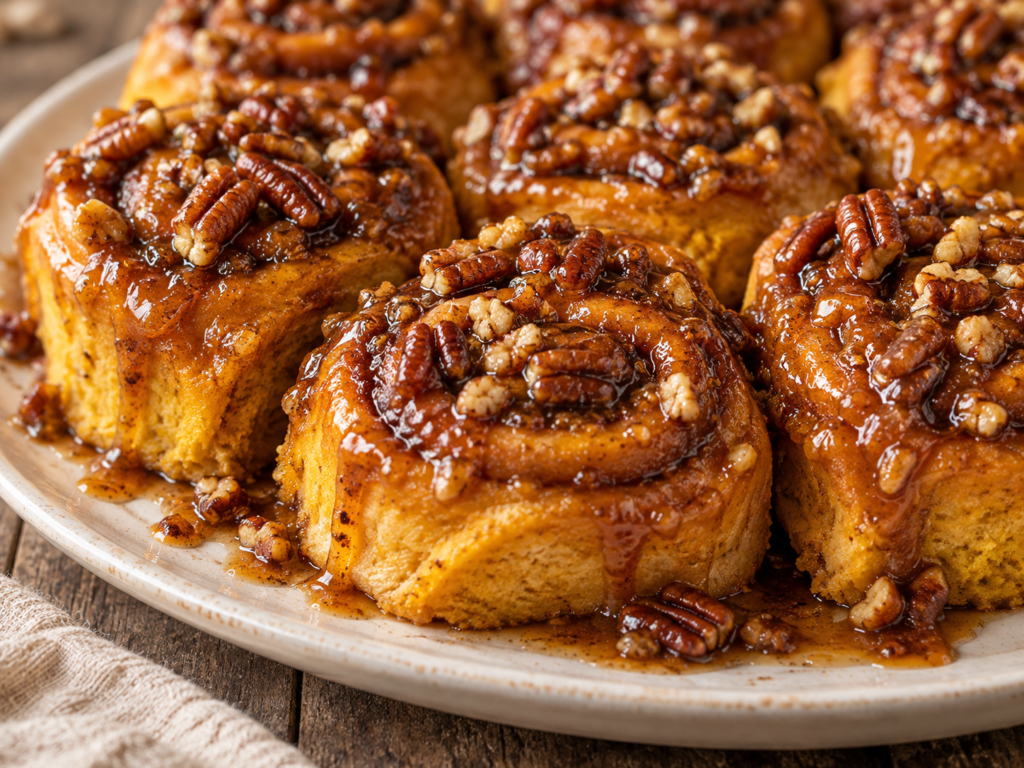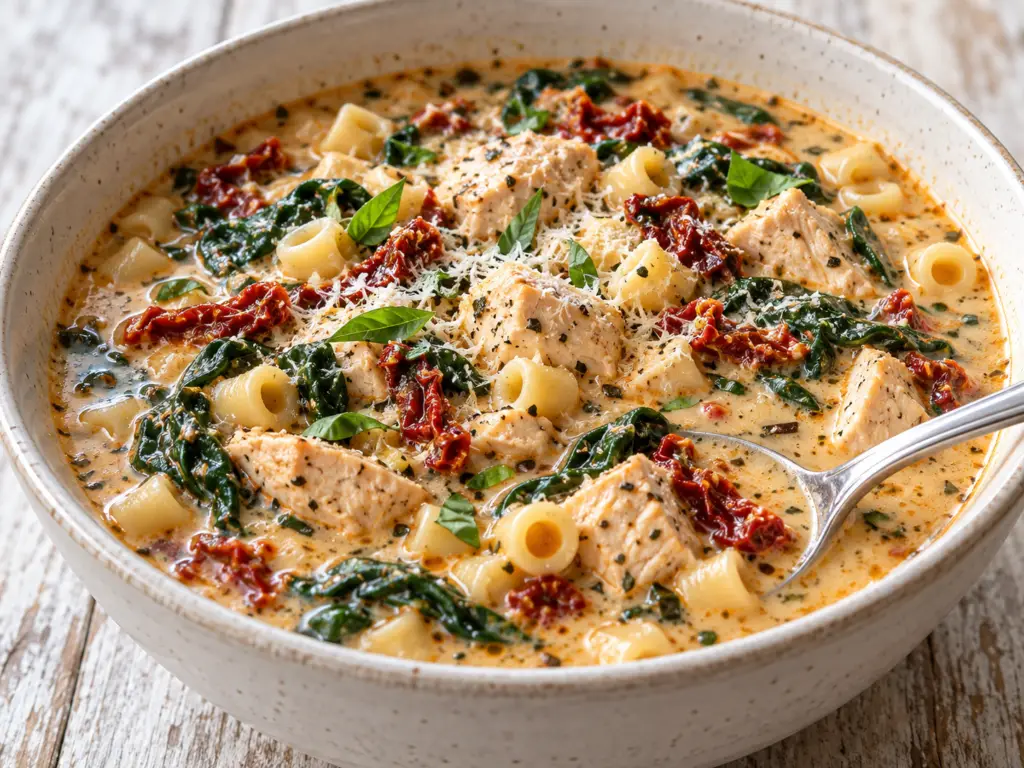
Making a recipe dairy-free does not mean settling for bland sauces, dry baked goods, or cheese that refuses to melt. The right substitute depends on what the dairy ingredient is doing in the recipe. Milk may add moisture, butter may supply fat and flavor, and heavy cream may create a thick, silky texture.
Once you understand the role of each ingredient, dairy-free cooking and baking become much easier. You can make creamy soups, tender cakes, buttery biscuits, rich pasta sauces, and comforting casseroles without traditional dairy products.
This guide explains how to make almost any recipe dairy-free while keeping the taste and texture as close to the original as possible.
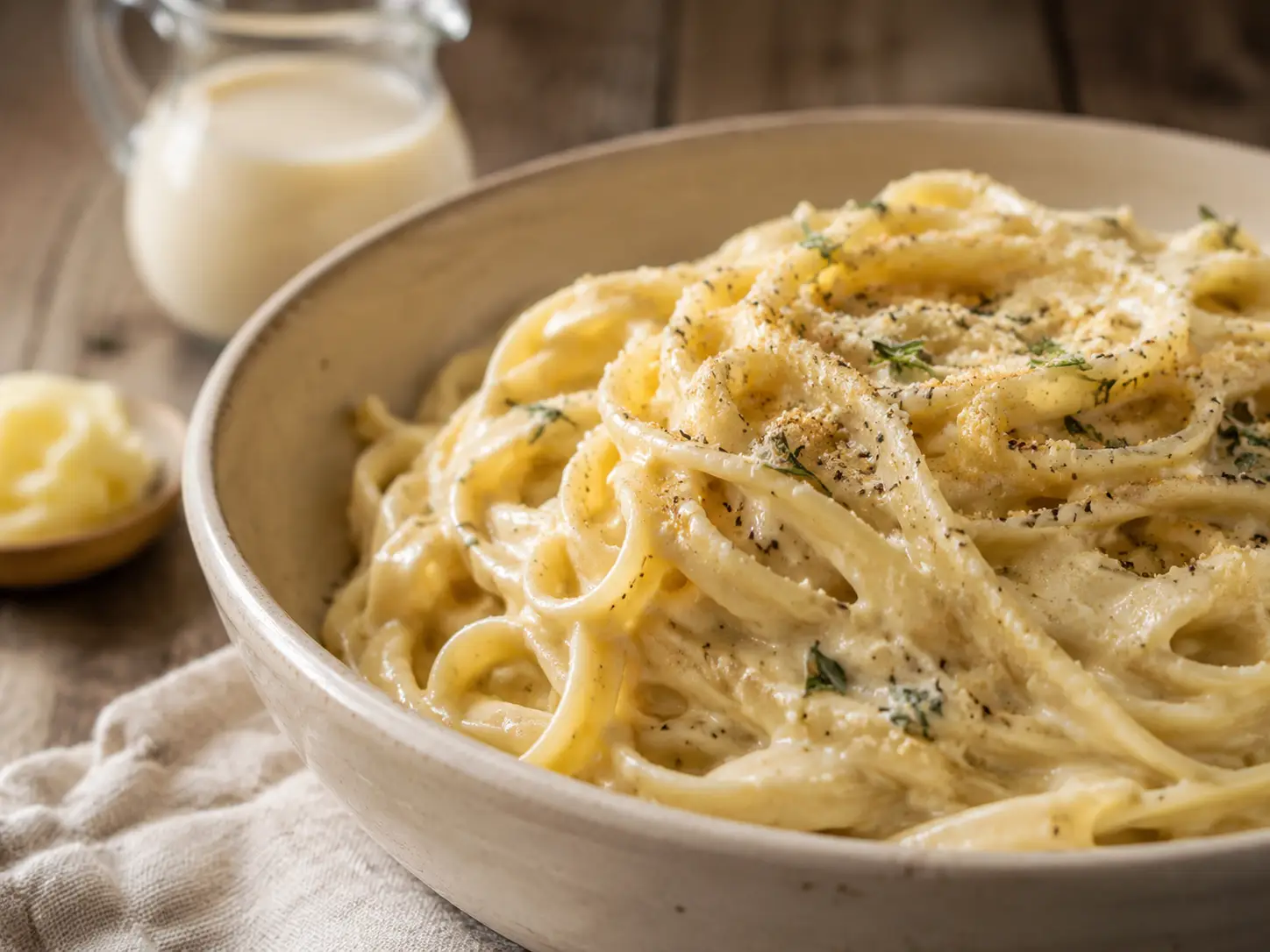
What Does Dairy-Free Mean?
A dairy-free recipe contains no ingredients made from animal milk. This includes cow, goat, and sheep milk.
Common dairy ingredients include:
- Milk
- Butter
- Buttermilk
- Heavy cream
- Half-and-half
- Cheese
- Cream cheese
- Sour cream
- Yogurt
- Whey
- Casein
- Milk powder
- Evaporated milk
- Sweetened condensed milk
Eggs are not dairy. They are often stocked near milk and butter at the grocery store, but people following a dairy-free diet can usually eat eggs unless they have a separate egg allergy or follow a vegan diet.
Lactose-free products are also not dairy-free. Lactose-free milk is still made from dairy milk. It simply has the lactose broken down to make it easier for some people to digest.
Why People Choose Dairy-Free Recipes
People avoid dairy for many different reasons. Some have a milk allergy, while others experience digestive discomfort after eating lactose. A dairy-free diet may also be part of a vegan lifestyle or a personal food preference.
The reason matters when you shop for substitutes. Someone with lactose intolerance may be able to eat lactose-free butter or aged cheese. Someone with a milk allergy needs to avoid all milk proteins, including casein and whey.
If you are cooking for another person, ask what they need instead of assuming lactose-free and dairy-free mean the same thing.
The Secret to Making Any Recipe Dairy-Free
Before replacing an ingredient, ask what that ingredient contributes to the recipe.
Dairy ingredients generally provide one or more of the following:
- Fat
- Moisture
- Creaminess
- Acidity
- Structure
- Browning
- Salt
- Rich flavor
- Binding
- Meltability
A splash of milk in pancake batter is easy to replace with plant-based milk. Heavy cream in a pasta sauce requires a substitute with enough fat to create a smooth texture. Butter in pie crust needs a firm replacement that stays cold and creates flaky layers.
Choosing a dairy-free substitute by function gives you a much better result than using the same product in every recipe.
Best Dairy-Free Milk Substitutes
Most recipes allow you to replace dairy milk with an equal amount of unsweetened plant-based milk. The type you choose can affect the flavor, color, thickness, and browning of the finished dish.
Oat Milk
Oat milk is one of the easiest all-purpose replacements for dairy milk. It has a mild flavor and a creamy texture that works well in both sweet and savory recipes.
Use oat milk in:
- Cakes
- Muffins
- Pancakes
- Waffles
- Creamy soups
- Mashed potatoes
- Sauces
- Hot chocolate
- Casseroles
Choose unsweetened, unflavored oat milk for savory dishes. Barista-style oat milk has more fat and creates a richer sauce, although it can be slightly thicker than regular oat milk.
Soy Milk
Soy milk has more protein than many other plant-based milks. That protein helps with structure and browning, making soy milk a dependable choice for baking.
Use soy milk in:
- Yeast breads
- Cakes
- Muffins
- Biscuits
- Custards
- Puddings
- Savory sauces
Plain, unsweetened soy milk usually gives the most neutral result. Check the label if you need to avoid added sugar.
Almond Milk
Almond milk has a light consistency and a mild nutty flavor. It works well when milk is added mainly for moisture.
Use almond milk in:
- Smoothies
- Quick breads
- Pancakes
- Muffins
- Cereals
- Light soups
- Simple sauces
Because almond milk is thinner and lower in fat than whole milk, it may not create the same richness in cream sauces or custards.
Coconut Milk
Canned coconut milk is thick and high in fat. It is one of the best replacements for heavy cream, but it can add a noticeable coconut flavor.
Use full-fat canned coconut milk in:
- Curries
- Creamy soups
- Dairy-free ice cream
- Puddings
- Ganache
- Sauces
- Whipped toppings
Carton coconut milk is much thinner than canned coconut milk. It can replace regular milk, but it cannot replace heavy cream without other adjustments.
Cashew Milk
Cashew milk has a mild taste and creamy texture. It is a good choice for savory recipes where you do not want a strong nut flavor.
Use cashew milk in:
- Alfredo-style sauce
- Creamy soups
- Mashed potatoes
- Casseroles
- Mac and cheese
- Salad dressings
People with tree nut allergies should avoid cashew and almond products.
Rice Milk
Rice milk is thin, light, and naturally sweet. It can be helpful for people who cannot have soy, oats, or nuts, but its low fat content makes it less suited to rich recipes.
Use rice milk in:
- Cereal
- Smoothies
- Light cakes
- Muffins
- Pancakes
You may need a little extra fat when using rice milk in recipes originally made with whole milk.
How to Replace Milk in Any Recipe
In most recipes, replace dairy milk with the same amount of unsweetened dairy-free milk.
Use this basic conversion:
1 cup dairy milk = 1 cup unsweetened plant-based milk
For the closest result, match the richness of the original milk:
- Skim milk: almond milk or rice milk
- Two-percent milk: soy milk or regular oat milk
- Whole milk: full-fat oat milk, soy milk, or cashew milk
- Heavy cream: canned coconut milk or dairy-free cooking cream
Vanilla-flavored milk can work in some desserts, but it may make savory food taste odd. Plain milk is the safer choice for a general replacement.
Best Dairy-Free Butter Substitutes
Butter adds more than fat. It contributes flavor, tenderness, browning, and texture. The best replacement depends on whether you are baking, sautéing, or spreading it over toast.
Vegan Butter
Dairy-free butter sticks are usually the closest one-for-one substitute for traditional butter.
Use them in:
- Cookies
- Cakes
- Frosting
- Pie crust
- Biscuits
- Sauces
- Garlic bread
- Sautéed vegetables
Choose firm baking sticks instead of soft tub-style spreads when making cookies, pastry, or frosting. Tub spreads often contain more water, which can cause cookies to spread or frosting to become loose.
Use this conversion:
1 cup butter = 1 cup dairy-free butter
Check the label carefully. Some products marketed as plant-based blends may still contain milk ingredients.
Refined Coconut Oil
Refined coconut oil has a mild flavor and can replace butter in many baked goods. Unrefined coconut oil has a stronger coconut taste.
Use coconut oil in:
- Brownies
- Cookies
- Quick breads
- Crumb toppings
- No-bake desserts
For recipes that call for melted butter, use an equal amount of melted coconut oil.
When replacing softened butter, use coconut oil that is soft but not liquid. Coconut oil behaves differently at various room temperatures, so results can change depending on how warm your kitchen is.
Olive Oil
Olive oil works especially well in cakes, muffins, breads, dressings, and savory dishes. It creates moist baked goods and adds a light fruity flavor.
Use about three-quarters of the amount of butter called for:
1 cup butter = 3/4 cup olive oil
A mild olive oil is best for desserts. Extra-virgin olive oil can be delicious in chocolate, citrus, or spice cakes when its flavor fits the recipe.
Avocado Oil
Avocado oil has a neutral taste and works well in both sweet and savory recipes.
Use avocado oil in:
- Muffins
- Cakes
- Brownies
- Quick breads
- Marinades
- Sautéed dishes
Like olive oil, use approximately 3/4 cup oil for every 1 cup of butter.
Vegetable Shortening
Shortening can replace butter in pie crust, biscuits, cookies, and frosting. It creates a tender or flaky texture but does not have the same buttery flavor.
You can mix shortening with vegan butter to get both structure and flavor.
How to Replace Heavy Cream
Heavy cream contains much more fat than regular milk. Replacing it with thin plant milk can make sauces watery and desserts less rich.
Better dairy-free heavy cream substitutes include:
- Full-fat canned coconut milk
- Coconut cream
- Dairy-free cooking cream
- Cashew cream
- Plant milk thickened with cornstarch
- Plant milk blended with dairy-free butter
For many soups and sauces, use an equal amount of full-fat canned coconut milk or dairy-free cooking cream.
Easy Dairy-Free Heavy Cream Substitute
For 1 cup of dairy-free heavy cream, combine:
- 3/4 cup unsweetened plant-based milk
- 1/4 cup melted dairy-free butter
This works well in sauces, soups, and some baking recipes. It will not whip like traditional heavy cream.
How to Make Cashew Cream
Cashew cream is one of my favorite ways to add richness without an obvious coconut flavor.
Blend:
- 1 cup raw cashews, soaked in hot water for 30 minutes
- 3/4 to 1 cup water
- A pinch of salt
Start with less water and add more until the cream reaches your preferred consistency. Use it in pasta sauce, soup, casseroles, dips, and dairy-free salad dressing.
Cashew cream is not safe for someone with a tree nut allergy.
How to Replace Half-and-Half
You can make a quick dairy-free half-and-half replacement by mixing equal parts unsweetened plant milk and dairy-free heavy cream.
For 1 cup of dairy-free half-and-half, combine:
- 1/2 cup unsweetened oat or soy milk
- 1/2 cup dairy-free cooking cream or full-fat coconut milk
This mixture works well in coffee, soup, sauce, and casserole recipes. Coconut milk may add a mild coconut taste, so oat-based cream is often better for neutral savory dishes.
How to Replace Buttermilk
Buttermilk adds moisture and acidity. The acid reacts with baking soda, helps tenderize baked goods, and adds a slight tang.
To make 1 cup of dairy-free buttermilk:
- Add 1 tablespoon lemon juice or white vinegar to a measuring cup.
- Add unsweetened soy or oat milk until the total reaches 1 cup.
- Stir and let it sit for 5 to 10 minutes.
Soy milk usually thickens more than almond milk because it contains more protein. Oat milk is also a good choice for muffins, pancakes, biscuits, and cakes.
Use dairy-free buttermilk in the same amount as regular buttermilk.
How to Replace Sour Cream
Dairy-free sour cream products can usually be used one-for-one in dips, baked goods, tacos, and casseroles.
Other options include:
- Unsweetened dairy-free yogurt
- Blended cashew cream with lemon juice
- Thick coconut yogurt
- Dairy-free cream cheese thinned with plant milk
For a savory sour cream replacement, mix plain dairy-free yogurt with a little lemon juice and salt.
Avoid sweetened or vanilla yogurt in savory recipes.
How to Replace Yogurt
Plain dairy-free yogurt can replace dairy yogurt in equal amounts. Choose a product that matches the thickness of the original ingredient.
Thick dairy-free yogurt works well in:
- Muffins
- Cakes
- Marinades
- Dressings
- Dips
- Smoothies
- Sauces
Coconut yogurt is rich but may add coconut flavor. Almond yogurt is often mild but can be thin. Soy yogurt has protein that can help baked goods hold their shape.
If the yogurt is very runny, reduce another liquid in the recipe slightly or strain the yogurt before using it.
How to Replace Cream Cheese
Dairy-free cream cheese can replace regular cream cheese in many recipes, but brands differ in texture. Some are firm and tangy, while others become soft quickly.
Use dairy-free cream cheese in:
- Cheesecake
- Frosting
- Dips
- Stuffed peppers
- Pasta sauces
- Bagel spreads
For frosting, use a firm dairy-free cream cheese and add powdered sugar slowly. Chill the cream cheese and vegan butter before mixing because dairy-free frosting can soften faster than traditional cream cheese frosting.
For cheesecake, choose a product made for baking and follow a recipe tested with that type of cream cheese. A direct swap in a traditional cheesecake recipe can produce a softer filling.
How to Replace Cheese
Cheese is often the hardest dairy ingredient to replace because it brings salt, fat, tang, texture, and browning to a dish.
Dairy-free cheese has improved, but not every variety melts the same way. Some shreds soften without becoming stretchy, while others melt best when covered or mixed with moisture.
Best Ways to Keep Cheesy Flavor
Try a combination of:
- Nutritional yeast
- White miso
- Lemon juice
- Dijon mustard
- Garlic powder
- Onion powder
- Dairy-free cheese
- Cashew cream
- Salt
- Smoked paprika
Nutritional yeast adds a savory, nutty taste. Miso adds salt and depth. Lemon juice provides the tang that people often miss when dairy cheese is removed.
Tips for Melting Dairy-Free Cheese
- Shred it finely.
- Add it while the food is hot.
- Cover the pan briefly to trap heat.
- Add a splash of plant milk to cheese sauce.
- Use lower heat so the sauce stays smooth.
- Mix dairy-free cheese with a creamy base instead of using it alone.
For casseroles and pizza, a light spray of oil can help the top brown. Watch it closely because dairy-free cheese may brown at a different rate than traditional cheese.
How to Make Dairy-Free Cheese Sauce
A good dairy-free cheese sauce needs creaminess, seasoning, and enough acidity to keep it from tasting flat.
Start with:
- 2 tablespoons dairy-free butter
- 2 tablespoons all-purpose flour
- 2 cups unsweetened oat or soy milk
- 1 to 1 1/2 cups dairy-free shredded cheese
- 2 tablespoons nutritional yeast
- 1 teaspoon Dijon mustard
- 1/2 teaspoon garlic powder
- Salt and pepper to taste
Melt the dairy-free butter over medium heat. Stir in the flour and cook for about one minute. Slowly whisk in the milk. Cook until the sauce thickens, then reduce the heat and add the remaining ingredients.
Keep the heat low after adding the cheese. High heat can make some dairy-free products oily or grainy.
How to Make Dairy-Free Baked Goods Taste Rich
Butter and milk help create tenderness, browning, and flavor in baked goods. Removing them without replacing their fat and moisture can leave cakes dry or cookies pale.
For better dairy-free baking:
- Use dairy-free butter sticks for recipes that depend on creaming.
- Use oat or soy milk when you need a close milk replacement.
- Add vanilla, spices, citrus zest, or cocoa for fuller flavor.
- Include enough salt to balance sweetness.
- Use an acidic dairy-free buttermilk in biscuits and pancakes.
- Avoid low-fat replacements when the original recipe uses heavy cream or whole milk.
- Measure substitutes carefully.
- Watch baking time because plant-based ingredients can brown differently.
Dairy-Free Cookies
Use firm vegan butter sticks and chill the dough if it feels soft. Some dairy-free butter contains more water than traditional butter, which can cause extra spreading.
If the cookies spread too much, refrigerate the dough for 30 to 60 minutes before baking. You can also bake one test cookie before placing the entire batch in the oven.
Dairy-Free Cakes and Cupcakes
Oat milk and soy milk work well in most cake recipes. Use vegan butter for a classic buttery crumb or neutral oil for a soft, moist texture.
Do not overmix the batter. Dairy-free cake batter can still become tough when the flour is mixed for too long.
Dairy-Free Biscuits and Pie Crust
Use very cold dairy-free butter sticks or shortening. Keep the fat firm while mixing and chill the dough before baking.
The cold fat creates small pockets in the dough that help produce flaky layers. If it melts before the dough enters the oven, the finished pastry may be dense.
Dairy-Free Frosting
Use firm dairy-free butter sticks and sifted powdered sugar. If the frosting becomes too soft, refrigerate it for 15 to 20 minutes.
Add plant milk one teaspoon at a time. It is easy to thin dairy-free frosting, but harder to make it firm again.
Dairy-Free Chocolate
Not all dark chocolate is dairy-free. Some chocolate chips, baking bars, cocoa mixes, and melting wafers contain milk fat, whey, or milk powder.
Look for chocolate labeled dairy-free and check the allergen statement. If you are baking for someone with a milk allergy, also look for shared-equipment warnings.
How to Make Creamy Dairy-Free Soups
Milk or cream gives soup a smooth texture, but several dairy-free ingredients can do the same job.
Try:
- Blended white beans
- Puréed potatoes
- Full-fat coconut milk
- Cashew cream
- Oat-based cooking cream
- Puréed cauliflower
- Dairy-free cream cheese
- A flour or cornstarch slurry
Blending part of the soup is a simple way to thicken it without adding another product. This works especially well with potato soup, corn chowder, broccoli soup, and vegetable soup.
Add acidic ingredients, such as lemon juice or vinegar, near the end. Acid can cause some plant milks to separate when the mixture is boiling.
How to Make Dairy-Free Pasta Sauce
For a creamy dairy-free pasta sauce, start with a rich base such as cashew cream, oat cooking cream, or full-fat coconut milk.
Add flavor with:
- Roasted garlic
- Caramelized onions
- Nutritional yeast
- Fresh herbs
- Lemon juice
- White miso
- Dijon mustard
- Vegetable or chicken stock
- Black pepper
- Red pepper flakes
Save some pasta water before draining. The starchy water helps loosen the sauce while keeping it creamy.
If the sauce becomes grainy, lower the heat and whisk in a small amount of warm plant milk. Avoid boiling dairy-free cheese sauce for an extended time.
How to Make Dairy-Free Mashed Potatoes
Replace butter with vegan butter, olive oil, or roasted garlic oil. Replace milk with warm unsweetened oat milk, cashew milk, or dairy-free cooking cream.
Warm the plant milk before adding it. Cold liquid can cool the potatoes and make the texture less smooth.
For richer dairy-free mashed potatoes, add:
- Roasted garlic
- Dairy-free sour cream
- Chives
- Salted vegan butter
- Olive oil
- Dairy-free cream cheese
Make sure the plant milk is unsweetened and unflavored. Vanilla almond milk and mashed potatoes are not a happy pairing.
How to Keep Dairy-Free Food From Tasting Bland
Dairy adds fat and salt, both of which carry flavor. When dairy is removed, the other seasonings may need a small adjustment.
Add Enough Fat
A little olive oil, avocado oil, coconut cream, or vegan butter can make a dairy-free dish feel richer and more satisfying.
Use Acidity
Lemon juice, vinegar, mustard, or pickle brine can add brightness and imitate some of the tang found in cheese, yogurt, and sour cream.
Add Savory Ingredients
Nutritional yeast, miso, mushrooms, roasted garlic, caramelized onions, and tomato paste can make dairy-free sauces and soups taste fuller.
Season in Layers
Add salt during cooking instead of waiting until the end. Taste again after adding plant milk or dairy-free cream because these ingredients may soften the seasoning.
Use Fresh Herbs and Spices
Basil, thyme, rosemary, chives, dill, smoked paprika, garlic powder, and black pepper can bring back the character that disappears when cheese or butter is removed.
Common Mistakes When Converting a Recipe to Dairy-Free
Using Sweetened Plant Milk
Sweetened or vanilla milk can change the taste of soup, gravy, mashed potatoes, and casserole. Choose plain, unsweetened milk unless you are making a dessert that works with added sweetness.
Replacing Heavy Cream With Thin Almond Milk
Thin plant milk does not contain enough fat to mimic heavy cream on its own. Use dairy-free cooking cream, cashew cream, or canned coconut milk instead.
Assuming Margarine Is Dairy-Free
Some margarine contains whey, casein, or other milk ingredients. Read the full ingredient list before using it.
Ignoring the Function of Butter
Liquid oil may work in muffins, but it cannot always replace cold butter in pie dough or softened butter in cookies. Match the substitute to the recipe.
Adding Plant Milk Over High Heat
Some plant milks separate when boiled or combined with acidic ingredients. Use moderate heat and add acidic ingredients near the end when possible.
Expecting Every Dairy-Free Cheese to Melt the Same Way
Brands vary widely. Test a small amount before using a new cheese in a full recipe.
Forgetting Hidden Dairy
Milk ingredients appear in more foods than many people expect, including:
- Bread
- Crackers
- Seasoning packets
- Instant potatoes
- Chocolate
- Caramel
- Deli meat
- Protein powder
- Chips
- Bread crumbs
- Soup mixes
- Salad dressing
- Non-dairy creamer
The term “non-dairy” does not always mean completely free from milk proteins. Read the label if an allergy is involved.
Dairy-Free Substitution Chart
| Dairy ingredient | Dairy-free replacement | Typical conversion |
|---|---|---|
| Milk | Unsweetened oat or soy milk | 1:1 |
| Buttermilk | Plant milk plus lemon juice or vinegar | 1:1 |
| Butter | Dairy-free butter sticks | 1:1 |
| Melted butter | Refined coconut oil | 1:1 |
| Butter in muffins or cakes | Olive or avocado oil | 3/4 cup oil per 1 cup butter |
| Heavy cream | Dairy-free cooking cream or canned coconut milk | 1:1 |
| Half-and-half | Half plant milk and half dairy-free cream | 1:1 |
| Sour cream | Plain dairy-free yogurt or vegan sour cream | 1:1 |
| Yogurt | Plain dairy-free yogurt | 1:1 |
| Cream cheese | Firm dairy-free cream cheese | 1:1 |
| Evaporated milk | Dairy-free evaporated milk or reduced plant milk | 1:1 |
| Sweetened condensed milk | Dairy-free condensed coconut or oat milk | 1:1 |
| Parmesan | Nutritional yeast or dairy-free Parmesan | To taste |
| Cheese | Dairy-free cheese plus nutritional yeast | Depends on recipe |
How to Replace Evaporated Milk
Dairy-free evaporated milk is available in oat and coconut varieties. It can usually replace regular evaporated milk in equal amounts.
You can also make your own by gently simmering unsweetened plant milk until the volume is reduced by about half. Stir often so it does not scorch.
Soy and oat milk tend to work better than thin almond or rice milk because they produce a creamier result.
How to Replace Sweetened Condensed Milk
Look for sweetened condensed coconut milk or sweetened condensed oat milk. These products work well in bars, pies, fudge, coffee drinks, and no-bake desserts.
Coconut versions may add a mild coconut taste. That flavor pairs especially well with chocolate, lime, caramel, and tropical desserts.
Because condensed milk affects both sweetness and texture, do not replace it with plain plant milk and sugar without using a recipe tested for that mixture.
Dairy-Free Swaps for Savory Recipes
Here are a few quick starting points for common meals:
- Mac and cheese: Oat milk, vegan butter, dairy-free cheese, nutritional yeast, and Dijon mustard
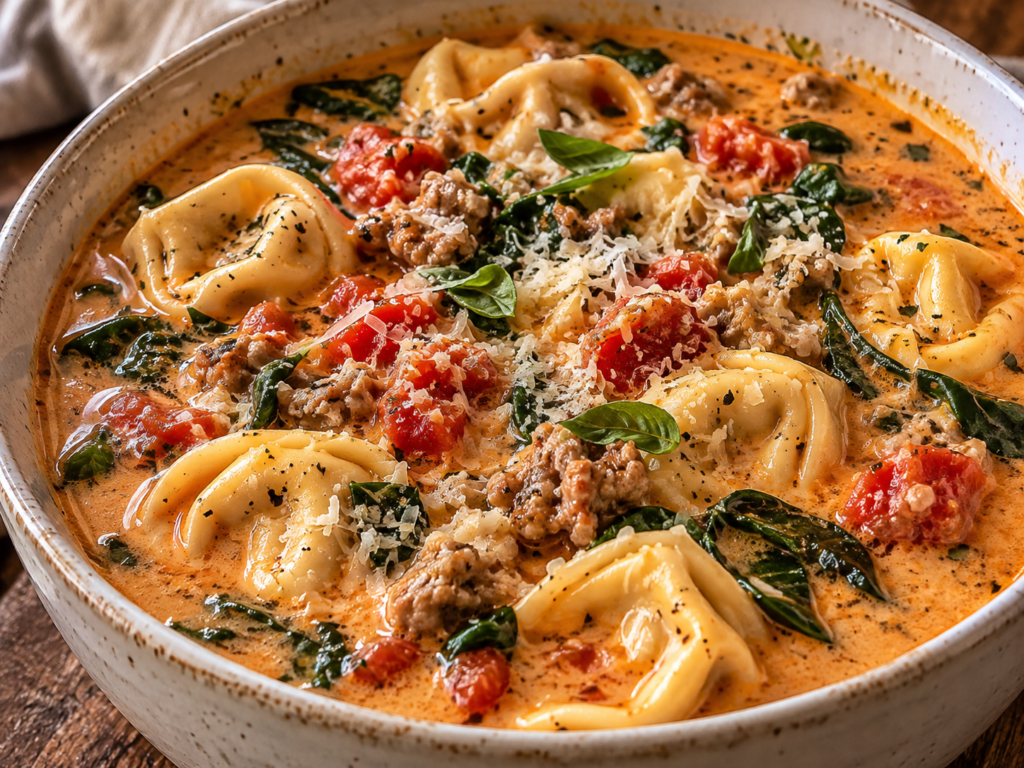
- Creamy soup: Cashew cream, oat cooking cream, or blended white beans
- Mashed potatoes: Vegan butter and warm unsweetened oat milk
- Alfredo sauce: Cashew cream, roasted garlic, nutritional yeast, lemon juice, and pasta water
- Casserole: Dairy-free sour cream, plant milk, and dairy-free cheese
- Creamy gravy: Vegan butter, flour, stock, and unsweetened soy or oat milk
- Tacos: Dairy-free sour cream, avocado crema, or lime cashew cream
- Pizza: Dairy-free mozzarella, seasoned cashew cream, or a drizzle of garlic oil
Dairy-Free Swaps for Desserts
For common desserts, try these combinations:
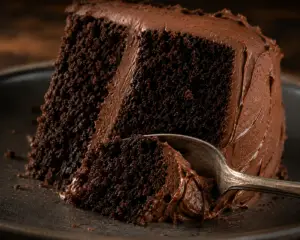
- Chocolate cake: Neutral oil and oat milk
- Vanilla cupcakes: Vegan butter and soy milk
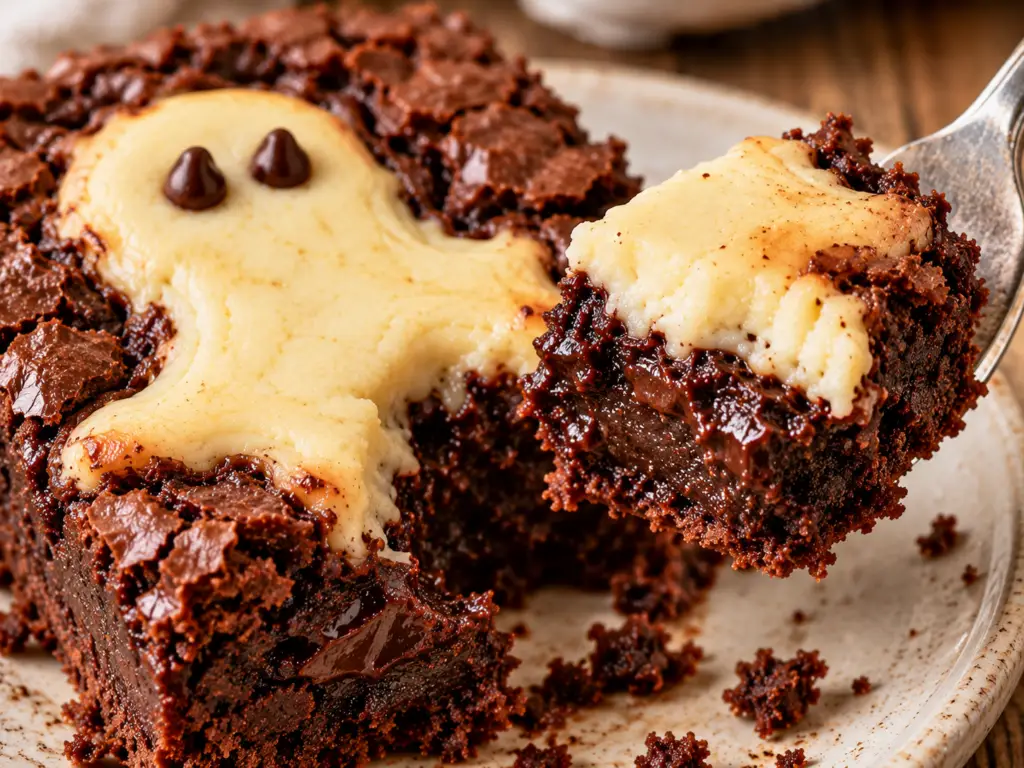
- Brownies: Dairy-free butter or refined coconut oil with dairy-free chocolate
- Cheesecake: Dairy-free cream cheese and dairy-free sour cream
- Pudding: Full-fat oat milk, soy milk, or canned coconut milk
- Whipped topping: Coconut cream or plant-based whipping cream
- Buttercream: Firm vegan butter sticks and powdered sugar
- Ice cream: Coconut milk, cashew cream, or a dairy-free ice cream base
- Pie crust: Cold vegan butter sticks or vegetable shortening
What to Look for on Ingredient Labels
For a milk allergy, scan labels for words such as:
- Milk
- Butter
- Cream
- Buttermilk
- Casein
- Caseinate
- Whey
- Lactalbumin
- Milk solids
- Milk powder
- Curds
- Ghee
- Lactose
In the United States, milk is a major food allergen and must be identified on packaged food labels. Still, formulas can change, so check the package each time you buy a product.
If the recipe is being served to someone with a serious allergy, use clean utensils, pans, cutting boards, and work surfaces. Cross-contact can happen even when the recipe itself contains no dairy ingredients.
How to Convert a Recipe to Dairy-Free Step by Step
1. Read the Entire Recipe
List every ingredient that contains dairy, including packaged sauces, chocolate, bread crumbs, and seasoning mixes.
2. Identify the Job of Each Dairy Ingredient
Decide whether it provides fat, moisture, acidity, structure, flavor, or creaminess.
3. Choose the Closest Substitute
Use vegan butter for butter-based cookies, dairy-free cooking cream for creamy sauce, and soured plant milk for buttermilk.
4. Choose Neutral or Flavored Products Carefully
Coconut works beautifully in curry and chocolate pie but may be distracting in mashed potatoes or chicken gravy.
5. Make Small Adjustments
If the mixture looks dry, add plant milk one tablespoon at a time. If it looks thin, allow it to simmer or use a small amount of cornstarch slurry.
6. Taste Before Serving
Check the salt, acidity, and richness. A squeeze of lemon, a pinch of salt, or a spoonful of nutritional yeast may be all the recipe needs.
7. Write Down What Worked
Plant-based products vary by brand. Keep a note of which milk, butter, cream, and cheese gave you the best result so it is easy to repeat later.
Final Thoughts
You can make most recipes dairy-free without giving up the creamy texture, rich taste, or comfort-food feeling you love. The key is choosing a substitute that does the same job as the original dairy ingredient.
Use oat or soy milk for everyday cooking and baking, firm vegan butter for cookies and pastry, and cashew cream or dairy-free cooking cream for sauces. Then replace the salt, tang, and savory flavor that cheese or cultured dairy would normally provide.
Start with recipes that only contain one dairy ingredient, then work your way toward creamy casseroles, frostings, and cheese-based sauces. With a few dependable products in your kitchen, dairy-free cooking becomes much less complicated.