Add Your Heading Text Here
If you have ever been to Texas Roadhouse, you already know the warm, fluffy rolls are half the reason to go! There is something about those soft, pillowy dinner rolls brushed with melted butter and served with sweet cinnamon honey butter that makes it nearly impossible to stop at just one. The good news? You can make your own copycat Texas Roadhouse rolls at home, and they are every bit as buttery, soft, and delicious as you remember.
This homemade Texas Roadhouse rolls recipe uses simple pantry ingredients, a little patience, and a few baking tricks to create golden, bakery-style rolls with the softest centers. No fancy equipment or professional baking skills required!
Whether you are making them for Thanksgiving, Christmas dinner, Sunday supper, or just because you are craving warm bread, these homemade dinner rolls are guaranteed to disappear quickly.
And yes, we are making the famous cinnamon honey butter to go with them because what is a Texas Roadhouse roll without that sweet, creamy butter?
One of my favorite things about making these homemade Copycat Texas Roadhouse Rolls is baking them on my Caraway Baking Sheet and Cake Pans! The naturally slick, non-toxic ceramic coating make baking and cleanup so much easier. I love how the rolls bake up beautifully golden on the outside while staying soft and fluffy in the center. Whether I’m making homemade dinner rolls, cookies, or roasted vegetables, my Caraway bakeware is always in rotation. Plus, it looks just as beautiful in my kitchen as it does in my food photos! If you’ve been thinking about adding Caraway to your kitchen, you can use my link to save on your order. Happy baking!
Why You’ll Love These Copycat Texas Roadhouse Rolls
There are plenty of homemade dinner roll recipes out there, but these have everything you want in a soft, fluffy restaurant-style roll.
Incredibly soft and fluffy: The combination of warm milk, butter, and eggs creates a tender dough that bakes into light, pillowy rolls.
Buttery golden tops: Brushing the rolls with melted butter immediately after baking gives them that beautiful finish and extra buttery flavor.
Easy pantry ingredients: You probably already have most of what you need in your kitchen.
Perfect for beginners: If you have never made yeast rolls before, I will walk you through every step.
Make-ahead friendly: Prepare the dough ahead of time, refrigerate it overnight, or freeze the baked rolls for later.
Perfect for any occasion: These homemade rolls are just as good alongside a weeknight dinner as they are on a holiday table.
That cinnamon honey butter: Sweet, creamy, lightly spiced, and absolutely worth making.
What Makes Texas Roadhouse Rolls So Good?
Texas Roadhouse rolls are known for their soft, slightly sweet dough, golden tops, and signature square shape. Unlike crusty artisan bread, these rolls have a delicate exterior and a light, tender center.
The secret to recreating that texture at home comes down to a few things.
First, milk and butter help soften the dough while adding richness. A little sugar gives the rolls their signature sweetness and helps the yeast work. Eggs add structure and tenderness, and kneading develops enough gluten to give the rolls their fluffy texture.
Finally, allowing the dough to rise properly creates those soft, airy centers that make homemade yeast rolls so good.
The result is a slightly sweet, buttery dinner roll that pulls apart beautifully without being heavy or dense.
How to Make Copycat Texas Roadhouse Rolls
Making homemade yeast rolls takes a little time, but most of that time is simply waiting for the dough to rise. Follow these steps for soft, buttery rolls every time.
Step 1: Activate the Yeast
In the bowl of a stand mixer or a large mixing bowl, combine the warm milk, active dry yeast, and 1 tablespoon of the measured sugar.
Gently stir and let the mixture sit for 5–10 minutes until it becomes foamy.
If the mixture does not foam, your yeast may be expired or the milk may have been too hot. Start again with fresh yeast before adding the remaining ingredients.
Important: Milk that is too hot can damage the yeast. Aim for 105–110°F for active dry yeast.
Step 2: Mix the Dough
Add the remaining sugar, melted and cooled butter, eggs, and salt to the yeast mixture.
Mix until combined.
Gradually add 4 cups of all-purpose flour, mixing until a soft dough begins to form.
The dough should pull together but still feel slightly tacky. If it is extremely wet and cannot hold its shape, add more flour 1 tablespoon at a time.
Avoid adding too much flour. A soft dough is what gives these copycat Texas Roadhouse rolls their fluffy texture.
Step 3: Knead Until Smooth
Using the dough hook attachment, knead the dough on low to medium-low speed for approximately 7–9 minutes.
If kneading by hand, transfer the dough to a lightly floured surface and knead for approximately 10–12 minutes.
The dough should become smooth, elastic, and soft.
To check whether it is ready, gently stretch a small piece of dough between your fingers. It should stretch into a thin membrane before tearing.
This is called the windowpane test, and it helps determine whether enough gluten has developed.
Step 4: Let the Dough Rise
Lightly grease a large bowl with butter or neutral oil.
Place the dough inside, turning it once to coat the surface.
Cover the bowl with plastic wrap or a clean kitchen towel and place it in a warm, draft-free area.
Allow the dough to rise for approximately 60–90 minutes, or until doubled in size.
My tip: Go by how the dough looks rather than watching the clock. A cooler kitchen may require additional rising time.
Step 5: Roll and Cut the Dough
Once the dough has doubled, gently press it down to release the larger air pockets.
Transfer it to a lightly floured work surface.
Using a rolling pin, roll the dough into a rectangle approximately ½ inch thick.
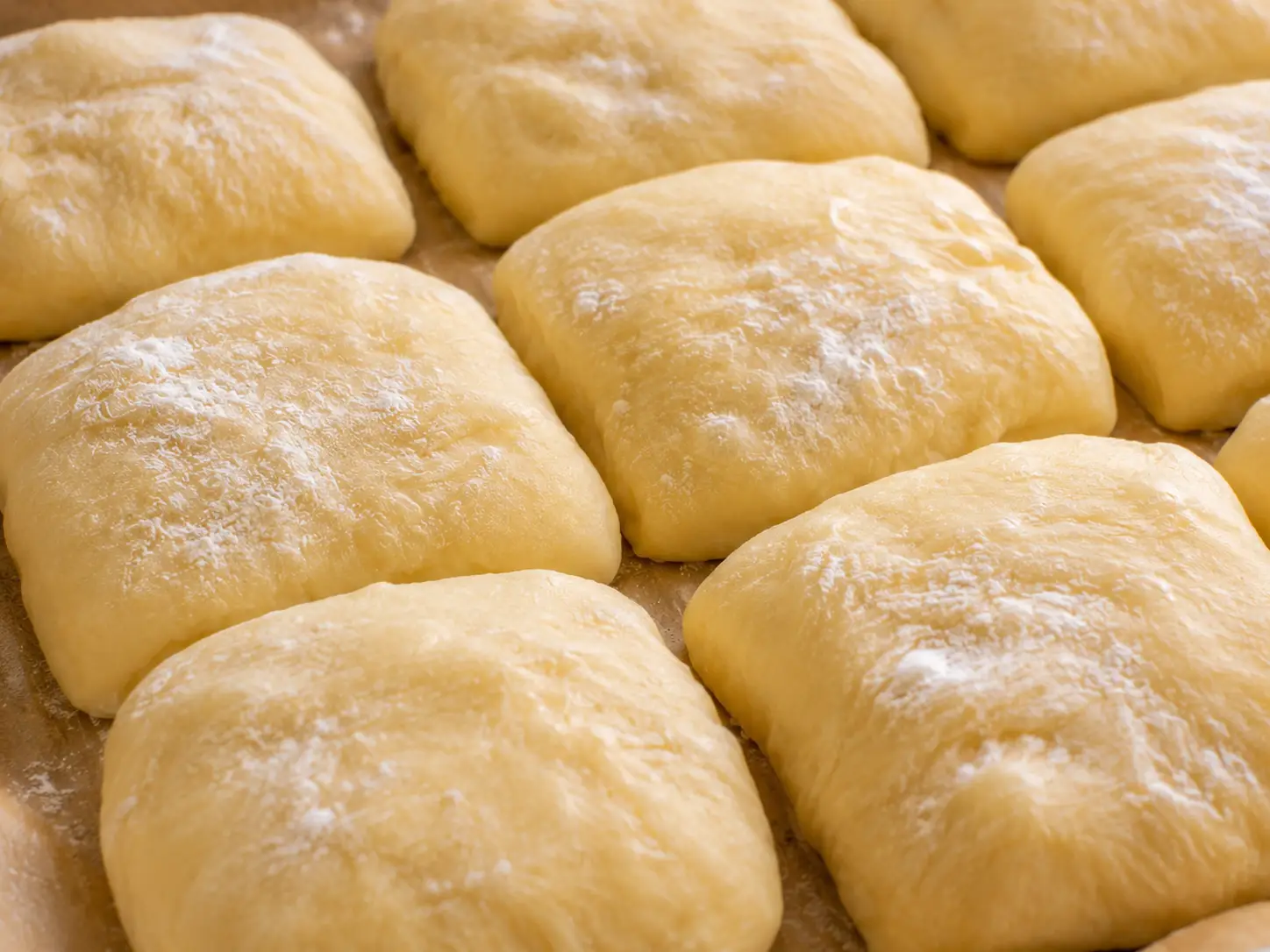
With a sharp knife, bench scraper, or pizza cutter, cut the dough into 24 roughly equal rectangular or square pieces.
The pieces do not need to be perfectly identical. Slightly uneven shapes give homemade rolls their natural appearance.
Step 6: Let the Rolls Rise Again
Line two large baking sheets with parchment paper.
Arrange the cut rolls approximately 1½–2 inches apart.
Cover loosely with lightly greased plastic wrap or a clean kitchen towel.
Allow the rolls to rise for another 30–45 minutes, or until noticeably puffy.
Do not skip the second rise. This is what helps create those light, airy centers.
Step 7: Bake Until Golden Brown
Preheat your oven to 350°F toward the end of the second rise.
Bake the rolls for approximately 14–18 minutes, or until the tops are lightly golden brown and the centers are baked through.
For the most reliable results, the center of a roll should reach approximately 190°F.
If baking both sheets at once, rotate the pans halfway through baking for more even browning.
Step 8: Brush With Melted Butter
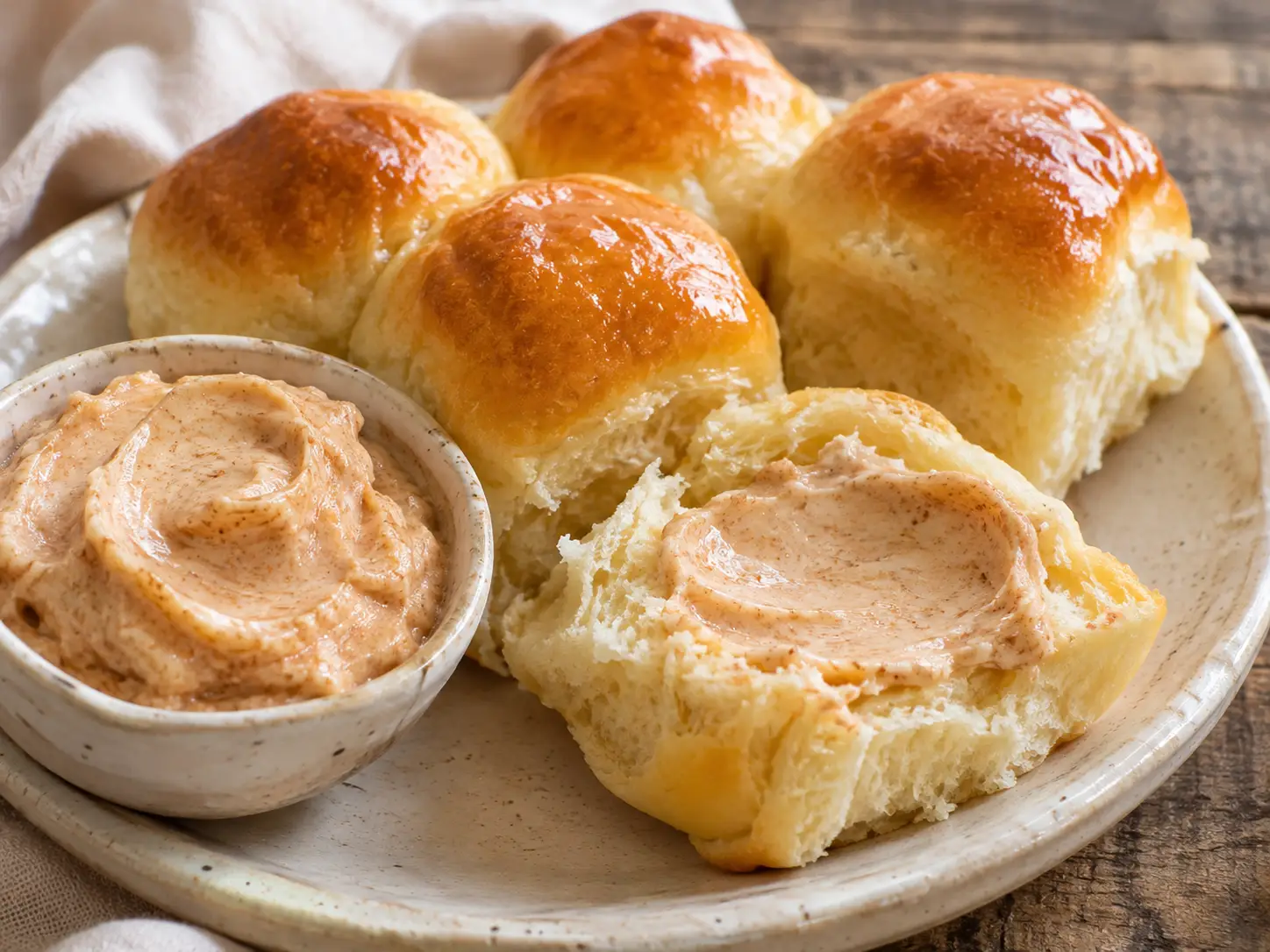
As soon as the rolls come out of the oven, brush the tops generously with melted butter.
Let them cool for a few minutes before serving.
The warm rolls will absorb some of the butter, creating that soft, buttery finish.
Serve immediately with homemade cinnamon honey butter.
How to Make Texas Roadhouse Cinnamon Honey Butter
The rolls are delicious on their own, but the cinnamon honey butter makes them taste even more like the restaurant favorite.
Add the softened butter to a medium mixing bowl.
Beat with a hand mixer for 1–2 minutes until smooth and creamy.
Add the powdered sugar, honey, cinnamon, vanilla extract, and salt.
Continue beating for 2–3 minutes until light and fluffy.
Taste and adjust the cinnamon or honey if desired.
Serve immediately with warm dinner rolls or refrigerate until ready to use.
My tip: Make sure the butter is softened but not melted. Softened butter whips beautifully, giving you a creamy, spreadable cinnamon honey butter instead of a runny mixture.
Tips for Making the Best Texas Roadhouse Rolls
Homemade yeast rolls are not difficult, but a few small details can make the difference between rolls that are just okay and rolls that are incredibly soft.
Measure Your Flour Correctly
Too much flour makes dinner rolls dense, dry, and heavy.
For the best results, weigh your flour using a kitchen scale. If using measuring cups, spoon the flour into the cup and level it with a knife.
Do not scoop directly from the flour bag because this packs extra flour into the measuring cup.
Use Warm Milk, Not Hot Milk
The ideal temperature for activating active dry yeast is approximately 105–110°F.
Milk that is too cold slows down yeast activity, while milk that is too hot can damage the yeast.
A kitchen thermometer takes the guesswork out of this step.
Do Not Rush the Rising Time
Yeast needs time to produce the gas that gives bread its airy texture.
If your dough has not doubled after an hour, give it more time.
Cold kitchens naturally slow down rising, especially during the winter months.
Knead the Dough Long Enough
Proper kneading develops gluten, which helps the dough hold the air produced by the yeast.
Under-kneaded dough can produce rolls that are heavy or crumbly instead of fluffy.
Look for dough that feels smooth, elastic, and slightly tacky.
Avoid Overbaking
These rolls should be lightly golden, not dark brown.
Overbaking dries out the centers and makes the outside tougher.
Start checking the rolls around the 14-minute mark.
Brush With Butter While Warm
Do not wait until the rolls have cooled.
Brushing them immediately after baking allows some of the melted butter to absorb into the tops while keeping the crust soft.
How to Get Soft, Fluffy Dinner Rolls Every Time
If your goal is to make homemade dinner rolls that are light, airy, and soft enough to pull apart with your fingers, pay attention to the dough.
A soft dough with enough moisture produces a more tender roll than a stiff dough loaded with extra flour.
Whole milk adds richness, while butter and eggs help create a delicate crumb.
Proper kneading gives the dough enough strength to rise without becoming dense.
Finally, the second rise allows the shaped rolls to become puffy before they enter the oven.
The biggest mistake I see with homemade bread is adding too much flour because the dough feels sticky. A little tackiness is completely normal. Give the dough time to knead before reaching for more flour.
Can You Make Texas Roadhouse Rolls Without a Stand Mixer?
Absolutely!
You can make these homemade dinner rolls entirely by hand.
Start by mixing the ingredients in a large bowl with a sturdy wooden spoon until a shaggy dough forms.
Transfer the dough to a lightly floured surface and knead for approximately 10–12 minutes.
Push the dough away from you with the heel of your hand, fold it back over itself, rotate, and repeat.
Continue until the dough becomes smooth and elastic.
The remaining steps are exactly the same.
A stand mixer makes kneading easier, but it is not required to make soft homemade yeast rolls.
Can You Use Instant Yeast Instead of Active Dry Yeast?
Yes! Instant yeast works well in this copycat Texas Roadhouse rolls recipe.
Use the same amount, 2¼ teaspoons.
Unlike active dry yeast, instant yeast does not need to be dissolved in warm liquid first.
Simply mix it directly with the flour and other dry ingredients before adding the wet ingredients.
Instant yeast may also shorten the rising time slightly, so watch the dough rather than relying only on the clock.
Can You Make Texas Roadhouse Rolls Ahead of Time?
Yes, and this is one of my favorite ways to prepare homemade dinner rolls for Thanksgiving, Christmas, or a large family gathering.
Overnight Refrigerator Method
Prepare the dough through the first rise.
After the dough has doubled, gently press it down and shape the rolls as directed.
Arrange the rolls on parchment-lined baking sheets, cover tightly, and refrigerate for up to 16 hours.
The next day, remove the rolls from the refrigerator and allow them to sit at room temperature until puffy, usually 45–90 minutes, depending on your kitchen temperature and how much they rose overnight.
Bake according to the recipe instructions.
This method makes holiday meal preparation much easier because most of the work is already finished.
Can You Freeze Homemade Texas Roadhouse Rolls?
Yes! These rolls freeze beautifully, making them a great option for meal prep or holiday baking.
How to Freeze Baked Rolls
Allow the rolls to cool completely.
Transfer them to a freezer-safe bag or airtight container.
Freeze for up to 3 months for the best texture.
When ready to serve, thaw at room temperature and warm in a 300°F oven for approximately 8–10 minutes.
Brush with a little melted butter before serving.
How to Freeze Unbaked Rolls
After the first rise, shape and cut the dough.
Arrange the rolls on a parchment-lined baking sheet and freeze until firm.
Transfer the frozen rolls to a freezer-safe container or bag.
Freeze for up to 1 month for the most reliable rise.
When ready to bake, place the frozen rolls on prepared baking sheets, cover loosely, and allow them to thaw and rise until noticeably puffy.
This can take several hours, depending on room temperature.
Bake as directed.
My recommendation: Freezing fully baked rolls is the easiest option and generally gives more consistent results.
How to Store Leftover Texas Roadhouse Rolls
If you happen to have leftovers, storing them correctly will help keep them soft.
Room temperature: Store cooled rolls in an airtight container or sealed bag for up to 2 days.
Refrigerator: Refrigeration can make bread stale faster, so room-temperature storage or freezing is usually better for the rolls.
Freezer: Freeze cooled rolls for up to 3 months.
Keep cinnamon honey butter in a covered container in the refrigerator for up to 1 week.
How to Reheat Texas Roadhouse Rolls
Warm rolls taste almost as good as freshly baked ones when reheated correctly.
Oven Method
Preheat your oven to 300°F.
Wrap the rolls loosely in aluminum foil and warm for approximately 8–10 minutes.
Brush with melted butter before serving.
Microwave Method
Place one roll on a microwave-safe plate.
Cover with a slightly damp paper towel.
Microwave for approximately 10–15 seconds, adding a few seconds if necessary.
Be careful not to overheat because microwaving bread too long can make it chewy.
Air Fryer Method
Preheat the air fryer to 300°F.
Place the rolls in the basket in a single layer.
Heat for approximately 2–3 minutes, checking frequently.
Brush with melted butter before serving.
What to Serve With Texas Roadhouse Rolls
These buttery homemade dinner rolls pair with just about anything. They are especially delicious alongside comfort food, holiday dinners, and hearty homemade soups.
Here are a few of my favorite ways to serve them:
Steak or grilled chicken: Perfect for soaking up all those delicious juices.
Homemade chili: Serve warm rolls alongside a big bowl of beef chili.
Creamy soups: These rolls are delicious with broccoli cheddar soup, chicken gnocchi soup, or creamy chicken and dumplings.
Holiday dinners: Add them to your Thanksgiving or Christmas table alongside turkey, ham, and mashed potatoes.
Pot roast: A soft buttery roll is perfect for soaking up the rich gravy.
Breakfast: Split a leftover roll, toast it lightly, and spread with cinnamon honey butter.
You can also turn leftover rolls into mini sandwiches using ham, turkey, cheese, or shredded chicken.
Common Mistakes When Making Homemade Yeast Rolls
Even experienced home bakers run into bread problems occasionally. Here are some of the most common issues and how to fix them.
Why Are My Texas Roadhouse Rolls Dense?
Dense rolls usually happen when too much flour is added, the dough is not kneaded long enough, or the rolls do not rise properly.
Make sure your yeast is active, measure the flour carefully, and allow both rises to finish before baking.
Why Didn’t My Dough Rise?
The yeast may be expired, the milk may have been too hot, or your kitchen may be too cold.
Check the expiration date on your yeast and use a thermometer when warming the milk.
If the dough is rising slowly, move it to a slightly warmer location.
Why Are My Dinner Rolls Dry?
Dry rolls are often caused by too much flour or overbaking.
Keep the dough soft and slightly tacky, and remove the rolls from the oven once they are lightly golden and baked through.
Why Are My Rolls Flat?
Flat rolls may result from overproofing, weak gluten development, or yeast that is no longer active.
If the dough rises too long, it can lose its ability to hold its shape.
During the second rise, look for rolls that are noticeably puffy but still have enough structure to hold their shape.
Why Are My Rolls Tough?
Tough rolls can happen when the dough contains too much flour or the rolls bake too long.
Use a light hand when adding flour and avoid overbaking.
How to Make Texas Roadhouse Rolls for a Crowd
This recipe makes approximately 24 rolls, making it perfect for family dinners and holiday gatherings.
If you need more, you can double the recipe.
For the best results, prepare the dough in two separate batches unless your stand mixer is large enough to handle the additional dough.
Divide and shape the rolls evenly, and use multiple baking sheets to avoid overcrowding.
You can also bake the rolls a day ahead and reheat them shortly before serving.
For holiday meals, I recommend preparing the cinnamon honey butter in advance so everything is ready when the warm rolls come out of the oven.
Can You Make These Rolls Dairy-Free?
Yes, with a few substitutions.
Replace the whole milk with an unsweetened, unflavored dairy-free milk such as soy or oat milk.
Use a plant-based butter alternative in the dough and for brushing the rolls.
For the cinnamon honey butter, use a dairy-free butter alternative.
The texture and flavor may be slightly different from the original recipe, but you can still make soft, delicious dinner rolls.
Can You Make Texas Roadhouse Rolls Gluten-Free?
Traditional Texas Roadhouse-style rolls rely on gluten to create their soft, stretchy texture.
A one-to-one gluten-free flour blend may not work as a direct substitute in this yeast dough.
For the best results, use a gluten-free yeast roll recipe specifically developed for gluten-free flour, with the appropriate binder and hydration.
More Recipes to Try
If you love homemade comfort food and restaurant-inspired recipes, here are a few more delicious recipes to add to your menu.
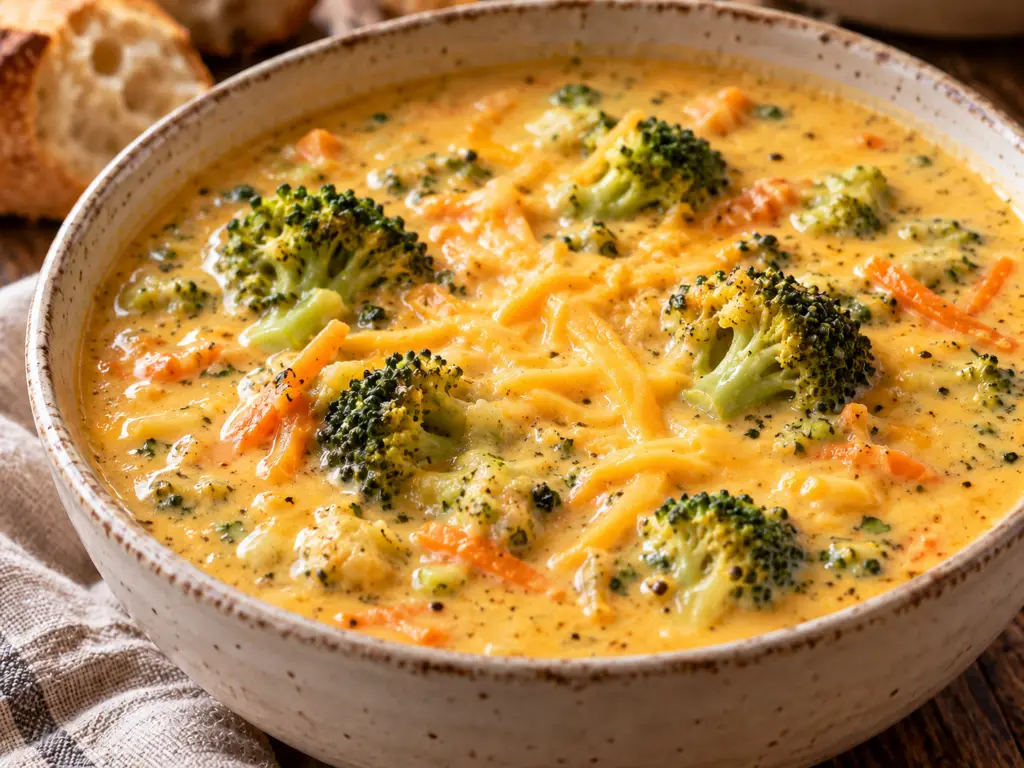
Copycat Panera Broccoli Cheddar Soup: Creamy, cheesy, and perfect for dipping warm dinner rolls.
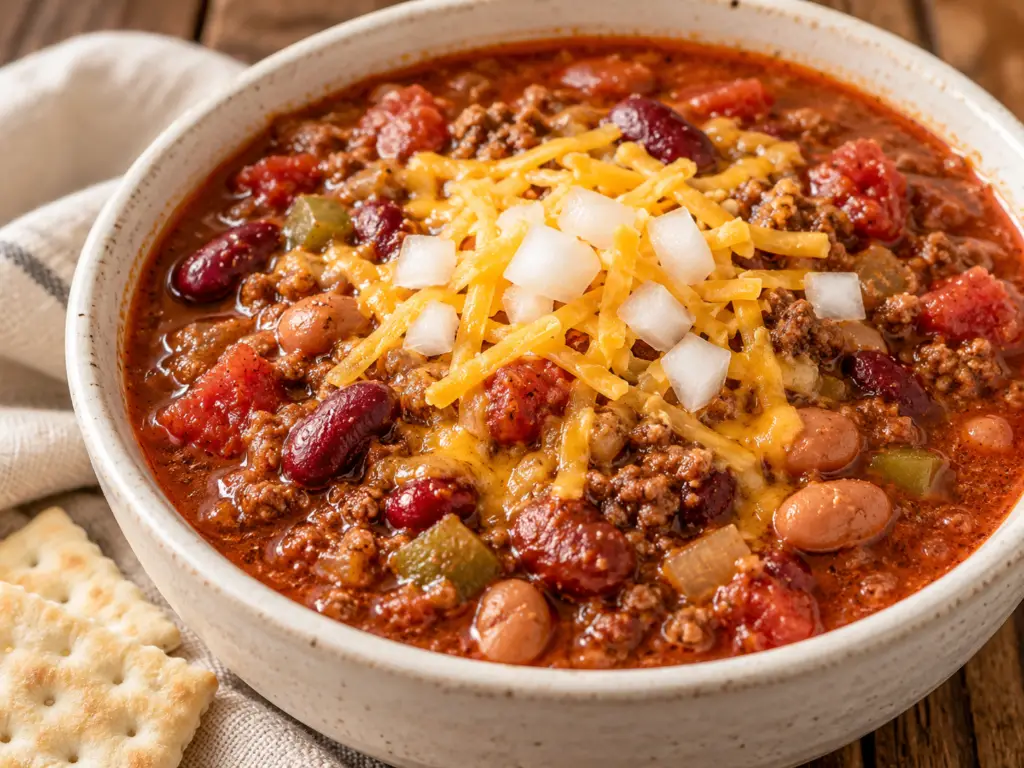
Copycat Wendy’s Chili: A hearty, comforting chili made with ground beef, beans, and tomatoes.
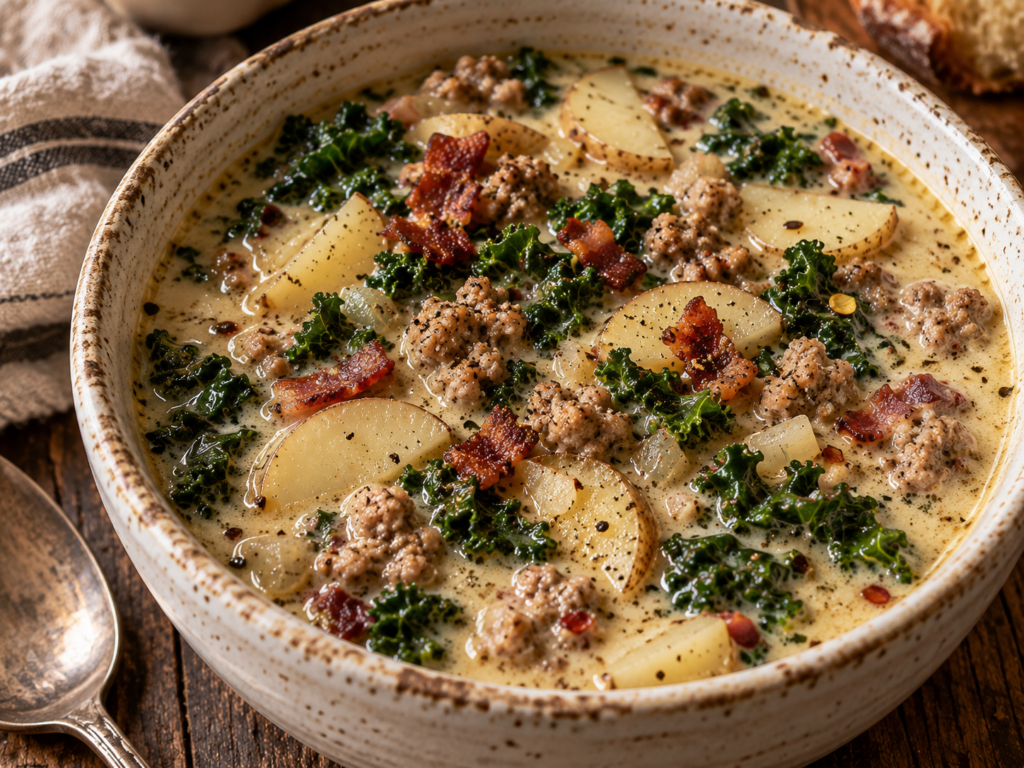
Copycat Olive Garden Zuppa Toscana: A creamy soup with Italian sausage, potatoes, kale, and bacon.
One Pot Chicken and Dumplings: Tender chicken and fluffy dumplings in a comforting homemade broth.
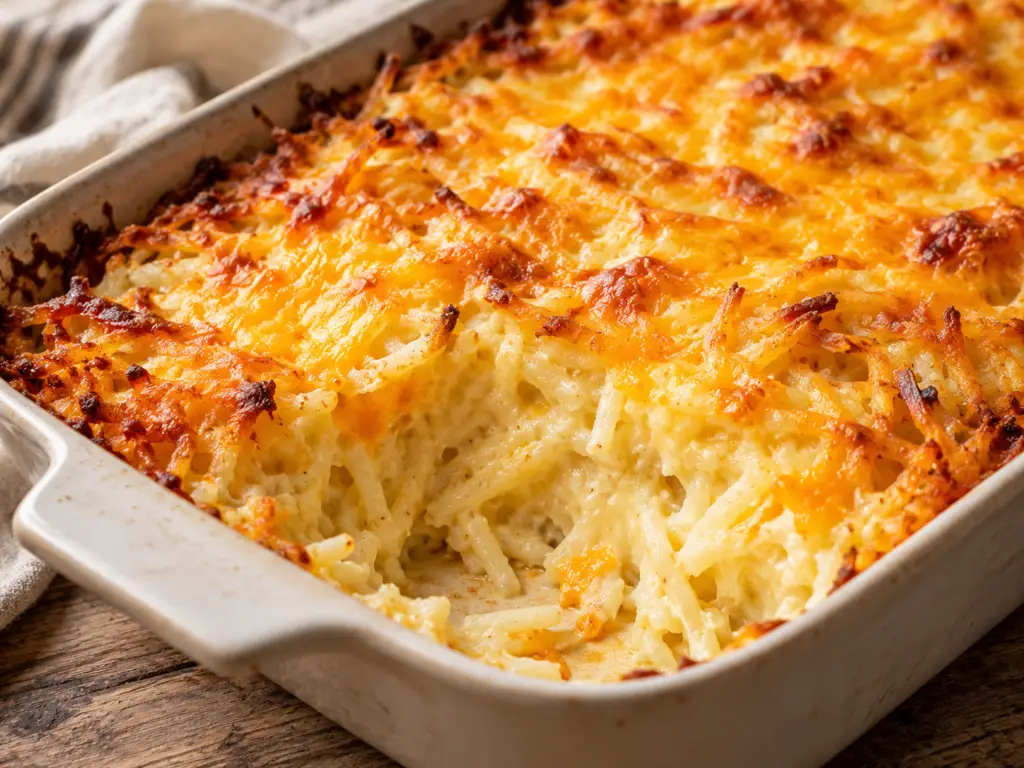
Copycat Cracker Barrel Hashbrown Casserole: Cheesy, creamy shredded potatoes with a golden baked topping.
One Pot Marry Me Chicken Soup: A rich, creamy chicken soup loaded with pasta, sun-dried tomatoes, and Parmesan.
Frequently Asked Questions About Texas Roadhouse Rolls
What Kind of Rolls Does Texas Roadhouse Serve?
Texas Roadhouse serves soft, slightly sweet yeast rolls with a signature square shape. They are served warm with cinnamon honey butter. This homemade recipe is inspired by those popular restaurant rolls.
Are Texas Roadhouse Rolls Made From Scratch?
Texas Roadhouse is known for serving fresh-baked rolls. This copycat version is made from scratch using flour, milk, yeast, sugar, butter, eggs, and salt.
Why Are Texas Roadhouse Rolls So Fluffy?
The soft texture comes from a rich yeast dough, proper kneading, and enough rising time. Milk, butter, and eggs help create a tender crumb, while yeast produces the air pockets that make the rolls light.
What Is Texas Roadhouse Cinnamon Butter Made Of?
The restaurant’s exact recipe is not needed to make a delicious homemade version. This copycat cinnamon honey butter combines softened butter, powdered sugar, honey, cinnamon, vanilla, and a pinch of salt.
Can I Make Texas Roadhouse Rolls the Night Before?
Yes. Shape the rolls after the first rise, cover, and refrigerate overnight. Allow them to become puffy at room temperature before baking.
Can I Make Texas Roadhouse Rolls Without Eggs?
You can experiment with replacing the eggs, but the texture will be different. Eggs contribute richness, softness, and structure. For more predictable results, use a yeast roll recipe developed without eggs.
Can I Use Bread Flour Instead of All-Purpose Flour?
Yes. Bread flour has a higher protein content and may create a slightly chewier roll. All-purpose flour is my preference for achieving a soft, tender texture.
How Do You Keep Homemade Rolls Soft After Baking?
Brush the rolls with melted butter immediately after baking. Once cooled, store them in an airtight container to prevent them from drying out.
Can You Make Texas Roadhouse Rolls in a Bread Machine?
Yes! Add the ingredients according to your bread machine manufacturer’s instructions and select the dough cycle. Once the cycle is complete, remove the dough, roll it out, cut it into squares, allow the pieces to rise, and bake in the oven.
How Do You Know When Dinner Rolls Are Done?
The tops should be lightly golden brown, and the centers should be fully baked. An instant-read thermometer inserted into the center of a roll should register approximately 190°F.
How Long Does It Take to Make Texas Roadhouse Rolls?
Plan for approximately 2 hours and 45 minutes to 3 hours, including mixing, kneading, rising, shaping, and baking. Most of that time is hands-off.
Can I Double the Recipe?
Absolutely! Double all ingredients to make approximately 48 rolls. If your stand mixer is small, prepare the dough in separate batches to avoid overloading the motor.
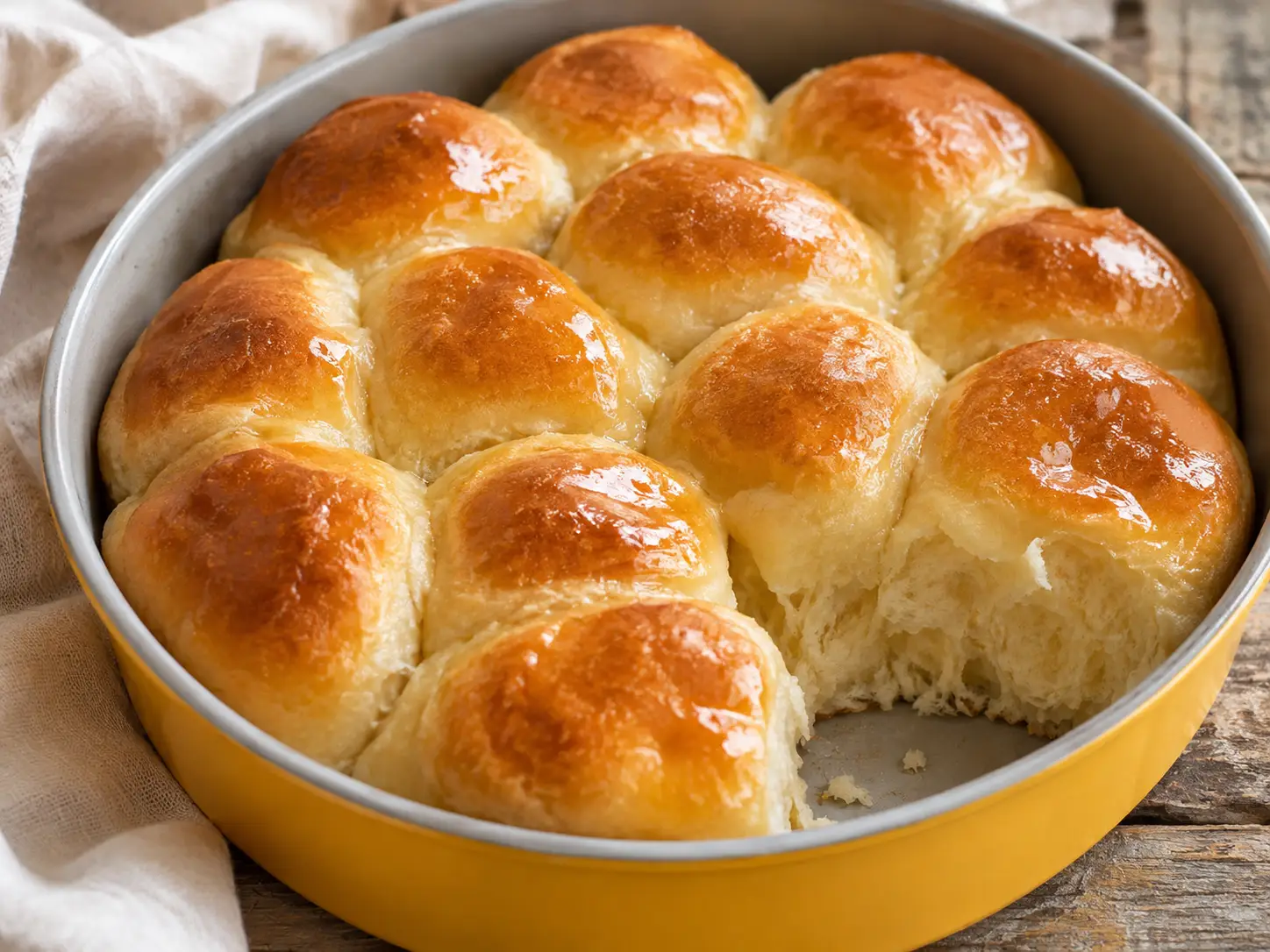
Copycat Texas Roadhouse Rolls
Ingredients
Texas Road House Rolls
- 1 cup whole milk warmed to 105–110°F
- 2¼ teaspoons active dry yeast
- ¼ cup granulated sugar divided
- 4 tablespoons unsalted butter melted and cooled
- 2 large eggs room temperature
- 1 teaspoon fine salt
- 4 to 4½ cups all-purpose flour
- 2 tablespoons unsalted butter melted, for brushing
Cinnamon Honey Butter
- ½ cup unsalted butter softened
- ¼ cup powdered sugar
- 3 tablespoons honey
- 1 teaspoon ground cinnamon
- ¼ teaspoon vanilla extract
- Pinch of salt
 Get Recipe Ingredients
Instructions
- Combine warm milk, yeast, and 1 tablespoon sugar in a large mixing bowl. Let stand for 5–10 minutes until foamy.
- Add the remaining sugar, melted butter, eggs, and salt. Mix until combined.
- Gradually add 4 cups flour until a soft dough forms. Add additional flour only if necessary.
- Knead with a dough hook for 7–9 minutes or by hand for 10–12 minutes, until smooth and elastic.
- Transfer to a lightly greased bowl, cover, and let rise for 60–90 minutes or until doubled.
- Gently press down the dough and roll into a rectangle approximately ½ inch thick.
- Cut into 24 roughly equal squares or rectangles and arrange on two parchment-lined baking sheets.
- Cover and allow to rise for another 30–45 minutes, until puffy.
- Preheat oven to 350°F. Bake for 14–18 minutes until lightly golden and baked through.
- Immediately brush the warm rolls with 2 tablespoons melted butter.
- For the cinnamon honey butter, beat softened butter until creamy. Add powdered sugar, honey, cinnamon, vanilla, and salt. Beat until fluffy.
- Serve warm rolls with cinnamon honey butter.
Notes
Recipe Notes
- Start with 4 cups of flour and add more only as needed.
- Use warm milk between 105–110°F when activating active dry yeast.
- Do not rush either rise.
- Bake until lightly golden and approximately 190°F internally.
- Brush with melted butter immediately after baking.
- Store cooled rolls in an airtight container at room temperature for up to 2 days.
- Freeze baked rolls for up to 3 months.
- Store cinnamon honey butter in the refrigerator for up to 1 week.
Estimated Nutrition Information
Per serving: 1 roll with approximately 1 tablespoon cinnamon honey butter| Nutrient | Estimated Amount |
|---|---|
| Calories | 250 kcal |
| Carbohydrates | 29 g |
| Protein | 4 g |
| Total Fat | 13 g |
| Saturated Fat | 8 g |
| Cholesterol | 48 mg |
| Sodium | 125 mg |
| Fiber | 1 g |
| Sugar | 10 g |
| Nutrition Disclaimer: Nutrition values are estimates and may vary depending on the brands used, the amount of flour added, the size of each roll, and the amount of cinnamon honey butter served. The recipe makes 24 rolls, and the butter recipe provides approximately 12–14 tablespoons, so the amount of butter per serving will vary. |