Healthy cooking does not have to mean plain chicken, steamed broccoli, and a sad bowl of lettuce. You can still enjoy pasta, tacos, burgers, pizza, casseroles, baked goods, and creamy comfort foods while making small changes that better support your goals.
The trick is not removing everything you love from your kitchen. It is learning how to adjust ingredients, portions, and cooking methods without losing the flavor and texture that make food satisfying.
A healthier meal should still taste like something you want to eat. If dinner leaves you disappointed, you probably will not make it again. That is why this guide focuses on realistic changes instead of strict food rules.
Whether you want to add more protein, eat more vegetables, cut back on added sugar, or cook with less saturated fat, you can do it without completely changing your favorite recipes.
What Does It Mean to Cook Healthier?
Healthy cooking looks different for every household. One person may want more protein, while someone else may need more fiber or fewer highly processed ingredients.
In general, cooking healthier can mean:
- Adding more vegetables and fruit
- Choosing whole grains more often
- Including a filling source of protein
- Using less added sugar
- Reducing saturated fat
- Watching sodium
- Cooking at home more often
- Serving portions that leave you comfortably full
- Using ingredients that provide both flavor and nutrition
You do not have to make every change at once. Start with one or two adjustments that fit naturally into the way you already cook.
Start with What You Already Love
One of the easiest ways to eat healthier is to begin with meals you already enjoy. You do not need an entirely new recipe collection or a cart filled with unfamiliar ingredients.
Look at your usual dinners and ask a few simple questions:
- Can I add a vegetable?
- Can I include more protein?
- Can I use slightly less cheese, butter, or cream?
- Can I bake, roast, grill, or air fry this instead of deep-frying it?
- Can I replace part of a refined grain with a whole grain?
- Can I make the sauce at home so I control the sugar and sodium?
A few small changes can improve a meal while keeping its familiar flavor.
For example, you could keep taco night exactly as it is but add black beans to the ground beef, serve a crunchy cabbage slaw, and set out Greek yogurt alongside the sour cream. The meal still feels like taco night. It simply includes more protein, fiber, and vegetables.
Focus on Adding Before You Start Subtracting
Many healthy eating plans begin with a long list of foods to avoid. That approach can make cooking feel restrictive before you even turn on the oven.
Instead, think about what you can add.
Add spinach to scrambled eggs. Stir shredded zucchini into meatballs. Mix cauliflower into mashed potatoes. Add beans to taco meat. Top pizza with peppers, mushrooms, and onions. Serve burgers with a salad or roasted vegetables.
Adding nutritious ingredients often works better than removing everything that makes a meal enjoyable.
It can also help you build a more filling plate. Meals with protein, fiber, and healthy fats tend to keep hunger away longer than meals built mostly around refined carbohydrates.
Build a Balanced Plate
You do not have to count every calorie or measure every bite to make a balanced meal. A simple plate method can help you put together satisfying meals without turning dinner into a math problem.
Try filling your plate with:
- One-half vegetables or fruit
- One-quarter protein
- One-quarter grains or starchy vegetables
- A small amount of fat or sauce for flavor
This is a flexible guide, not a strict rule. A taco bowl, pasta dish, casserole, soup, or sandwich can still include the same basic parts.
For example, a balanced pasta dinner might include whole wheat or protein pasta, grilled chicken, tomato sauce, spinach, mushrooms, and a sprinkle of Parmesan.
Keep Flavor at the Center of Healthy Cooking
Food does not need large amounts of butter, salt, or sugar to taste good. It does, however, need thoughtful seasoning.
Use herbs and spices
Dried spices and fresh herbs add flavor without adding much fat, sugar, or sodium.
Keep a few dependable seasonings in your pantry:
- Garlic powder
- Onion powder
- Smoked paprika
- Chili powder
- Cumin
- Italian seasoning
- Oregano
- Cinnamon
- Crushed red pepper
- Black pepper
- Curry powder
Season food in layers rather than waiting until the end. Add spices while cooking onions, season proteins before they go into the pan, and taste sauces before serving.
Add acidity
A small amount of acid can brighten a meal and make other flavors more noticeable.
Try:
- Fresh lemon juice
- Lime juice
- Red wine vinegar
- Apple cider vinegar
- Balsamic vinegar
- Pickled onions
- Pickled jalapeños
A squeeze of lemon can make roasted vegetables, chicken, fish, soups, and grain bowls taste fresher without requiring more salt.
Build savory flavor
Mushrooms, tomato paste, roasted garlic, Parmesan, soy sauce, miso, and caramelized onions can give food a richer taste.
A little of one strong ingredient may be more satisfying than a large amount of a mild sauce.
Use fresh toppings
Fresh toppings can make a simple meal feel complete.
Try finishing dinner with:
- Chopped cilantro
- Fresh parsley
- Sliced green onions
- Diced tomatoes
- Fresh salsa
- Avocado
- Toasted nuts
- Crumbled feta
- A spoonful of Greek yogurt
These toppings add different colors, textures, and flavors without hiding the meal under a heavy sauce.
Choose Cooking Methods That Use Less Oil
The way you cook an ingredient can change its nutrition without changing the ingredient itself.
Roast
Roasting brings out the natural sweetness in vegetables and creates crisp edges. Use enough oil to coat the food lightly rather than letting it pool on the pan.
Roasting works well for:
- Broccoli
- Cauliflower
- Brussels sprouts
- Carrots
- Sweet potatoes
- Green beans
- Chicken
- Fish
Grill
Grilling adds smoky flavor without requiring a heavy sauce. Chicken, lean beef, pork tenderloin, seafood, vegetables, and even fruit work well on the grill.
Air fry
An air fryer can create a crisp exterior with less oil than deep-frying. It is a good choice for chicken tenders, potatoes, vegetables, fish, and reheated leftovers.
Sauté
You do not need a large amount of oil to sauté food. Start with a small amount, keep the heat controlled, and add a splash of broth or water if the pan becomes dry.
Bake
Many traditionally fried foods can be baked with a light coating of oil. A hot sheet pan and enough room between the pieces will help the food brown instead of steam.
Make Smarter Ingredient Swaps
Ingredient swaps work best when they have a clear purpose. Replacing every ingredient in a recipe can leave you with a meal that no longer tastes like the original.
Choose one or two changes based on what you want from the dish.
Use Greek Yogurt in Creamy Recipes
Plain Greek yogurt can replace some or all of the sour cream, mayonnaise, or heavy cream in certain recipes.
It works well in:
- Dips
- Salad dressings
- Chicken salad
- Tuna salad
- Baked potatoes
- Taco bowls
- Muffins
- Pancakes
- Creamy marinades
Greek yogurt adds protein and creates a creamy texture. Full-fat or 2 percent Greek yogurt usually produces a smoother result than fat-free yogurt.
When using it in a hot sauce, remove the pan from the heat before stirring it in. High heat can cause yogurt to separate.
Replace Some Cream with Milk and Broth
You do not have to remove cream completely from soups, casseroles, or sauces. Try using a smaller amount of cream and making up the remaining liquid with milk or broth.
This keeps some of the richness while making the finished dish lighter.
For a thick sauce, use a small amount of flour or cornstarch rather than relying only on heavy cream.
Mix Lean and Higher-Fat Meat
Very lean meat can sometimes become dry, especially in burgers, meatballs, and meatloaf. Instead of switching immediately to the leanest option, blend lean meat with a smaller amount of higher-fat meat.
You can also add moisture with:
- Grated onion
- Finely chopped mushrooms
- Shredded zucchini
- Applesauce
- Greek yogurt
- An egg
- A small amount of olive oil
For ground beef recipes, choosing 90 percent lean beef is often a good middle ground between flavor and fat content.
Use Beans to Stretch Ground Meat
Beans add fiber, protein, and bulk to recipes made with ground meat.
Try mixing black beans, pinto beans, chickpeas, or lentils into:
- Taco filling
- Chili
- Sloppy joes
- Soups
- Stuffed peppers
- Burrito bowls
You can begin with a mixture of three parts meat to one part beans. Increase the beans over time if your family enjoys the texture.
Try Whole Grains
Whole grains often contain more fiber than their refined versions. You do not have to make an all-or-nothing switch.
Start by mixing the two:
- Half white rice and half brown rice
- Half regular pasta and half whole wheat pasta
- Half all-purpose flour and half white whole wheat flour
- Regular bread on some days and whole-grain bread on others
Gradual changes give you time to get used to a different taste and texture.
Add Vegetables Without Turning Dinner into a Salad
Vegetables can become part of the meal rather than a separate side everyone feels obligated to eat.
Try adding:
- Spinach to pasta sauce
- Mushrooms to ground beef
- Shredded carrots to meatloaf
- Bell peppers to fajitas
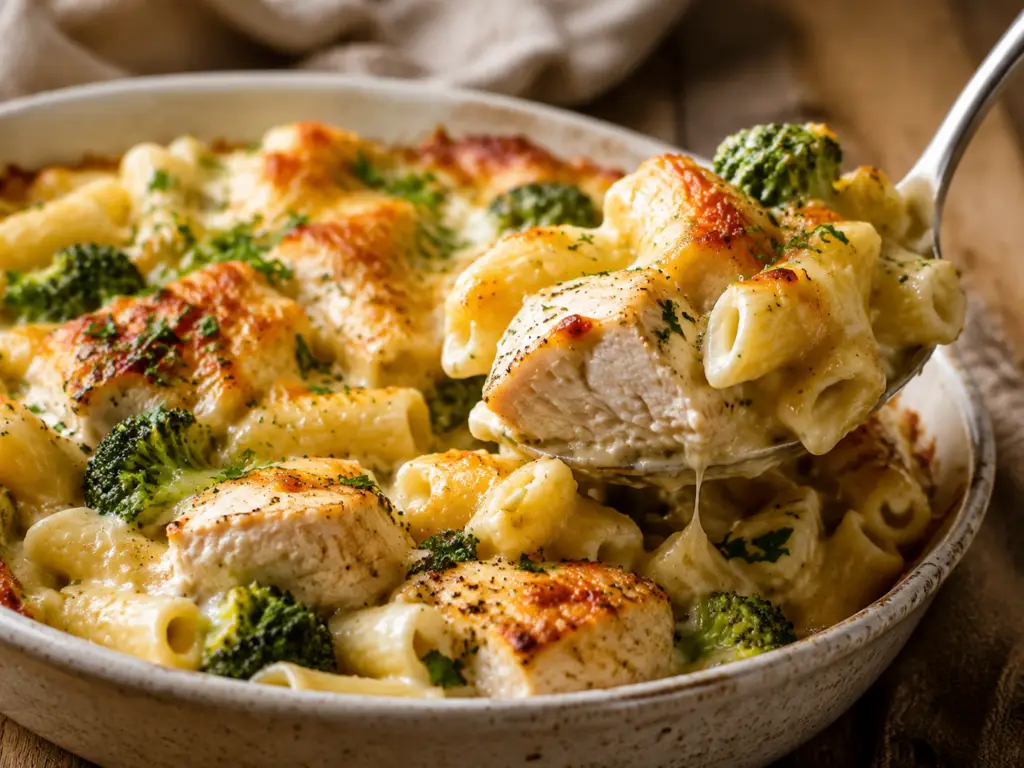
- Broccoli to macaroni and cheese
- Zucchini to muffins
- Cauliflower to mashed potatoes
- Frozen peas to rice
- Cabbage to tacos
- Butternut squash to soup
Frozen vegetables are perfectly useful for this. They are already washed and chopped, they last longer, and they can make weeknight cooking much easier.
How to Make Comfort Food Healthier
Comfort food is meant to be satisfying. The goal is not to turn macaroni and cheese into plain noodles with steamed vegetables. Keep the parts you love and adjust the supporting ingredients.
Macaroni and cheese
Try one or more of these changes:
- Use slightly less pasta and add broccoli
- Choose protein pasta
- Use sharp cheddar so a smaller amount still tastes cheesy
- Make the sauce with milk instead of only heavy cream
- Add puréed butternut squash for body and color
- Serve it with chicken or another protein
Mashed potatoes
For lighter mashed potatoes:
- Replace part of the potatoes with cauliflower
- Use warm milk instead of a large amount of cream
- Add roasted garlic
- Use Greek yogurt in place of some sour cream
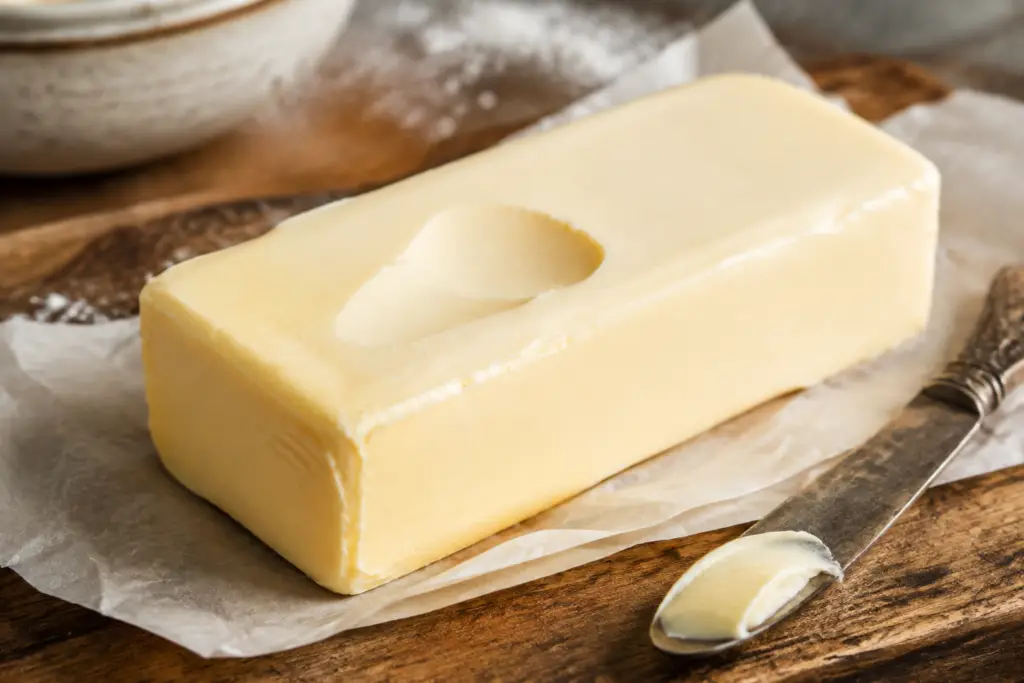
- Keep a moderate amount of butter for flavor
You do not need to remove all the butter. A smaller amount may be enough when the potatoes are properly seasoned.
Casseroles
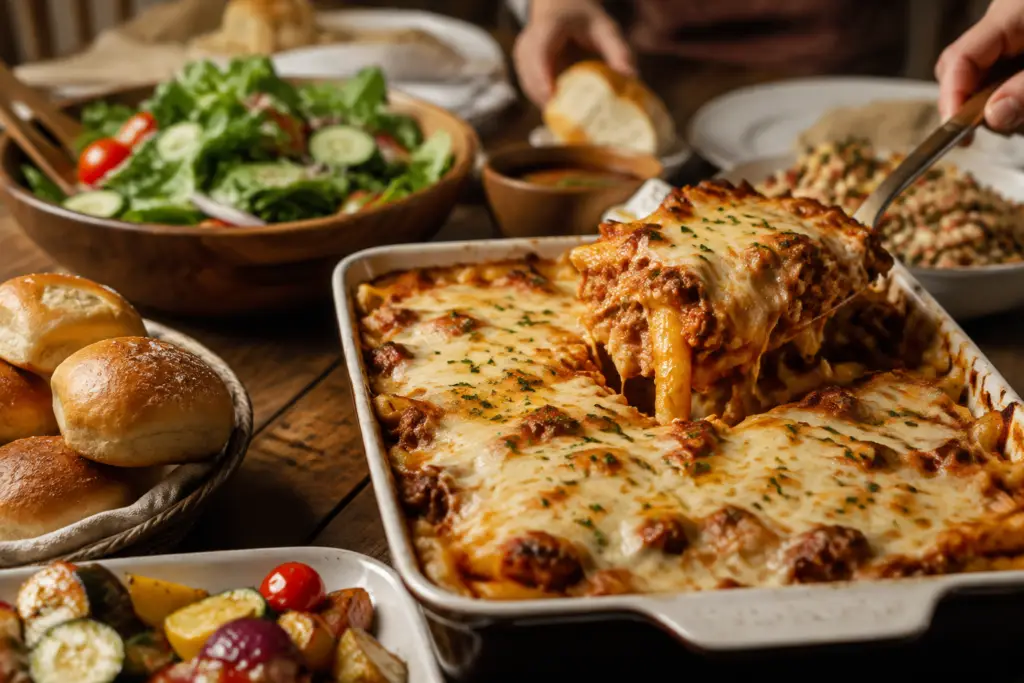
Make a casserole more balanced by adding vegetables, choosing a lean protein, and using less condensed soup or cheese.
A casserole can still be creamy and comforting when the sauce coats the ingredients instead of drowning them.
Pizza
Homemade pizza gives you control over the crust, sauce, cheese, and toppings.
Try:
- Using a thinner crust
- Adding grilled chicken
- Loading it with vegetables
- Using part-skim mozzarella
- Adding a side salad
- Cutting it into smaller pieces and serving it with another dish
Pizza does not need to become a cauliflower-crust experiment unless you truly like cauliflower crust.
Burgers
A burger can fit into a balanced meal.
Use a lean beef patty, turkey patty, chicken burger, or bean burger. Add lettuce, tomato, onion, and pickles, then serve it with roasted potatoes or vegetables.
If you love a traditional bun, keep the bun. You can make other adjustments around it.
How to Make Pasta Dishes Healthier
Pasta itself does not need to be removed. The problem is often that the meal contains a large serving of pasta with very little protein or fiber.
Build a more balanced pasta dish by adding:
- Chicken
- Shrimp
- Lean ground beef or turkey
- White beans
- Lentils
- Spinach
- Broccoli
- Zucchini
- Peppers
- Mushrooms
You can also choose whole wheat, chickpea, lentil, or higher-protein pasta. These options have different textures, so test a few before buying a large supply.
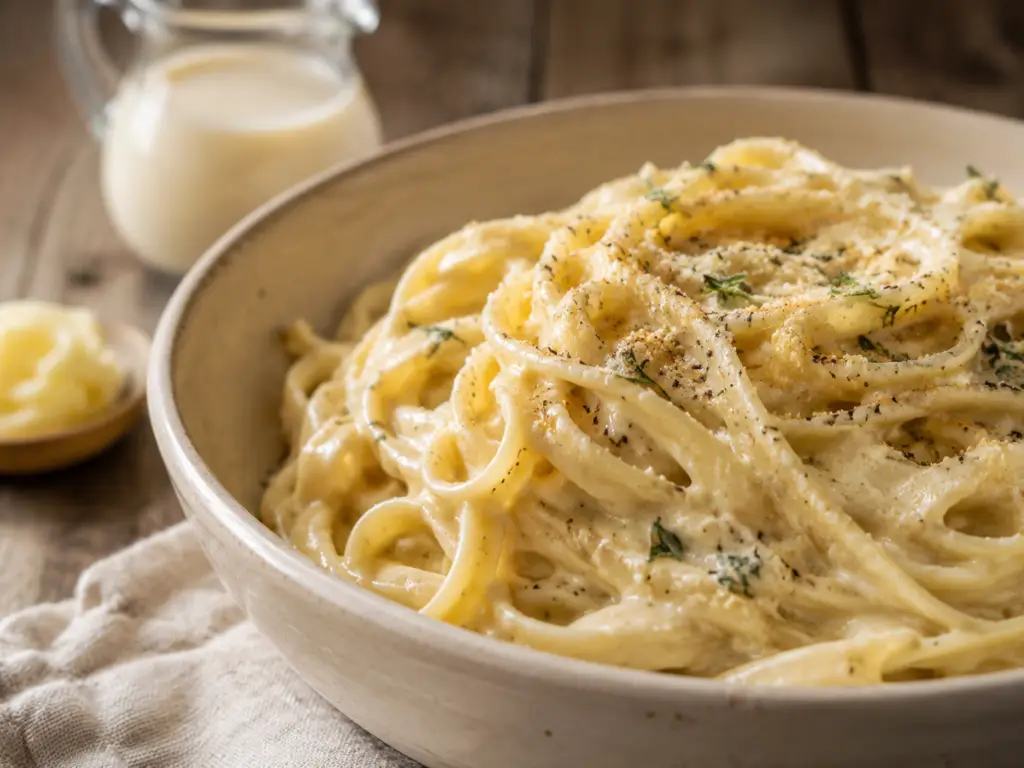
For creamy pasta, combine a smaller amount of cream or cheese with pasta water. The starch in pasta water helps the sauce coat the noodles.
How to Make Desserts a Little Healthier
Dessert can be part of a healthy way of eating. You do not need to remove sugar, butter, or chocolate from every baking recipe.
Baking depends on chemistry, so aggressive substitutions often create dry, dense, or rubbery results. Make small changes and keep notes so you know what worked.
Reduce sugar carefully
In some muffins, quick breads, and snack cakes, you may be able to reduce the sugar by about 10 to 20 percent without causing a major texture change.
Cookies, candy, caramel, and meringue are less forgiving because sugar affects structure as well as sweetness.
Add protein
You can add protein to baked goods with:
- Greek yogurt
- Cottage cheese
- Eggs
- Nut butter
- Protein powder
- Ground nuts
Protein powder absorbs liquid, so it should not replace all the flour. Start by replacing a small portion and check the batter consistency.
Add fruit
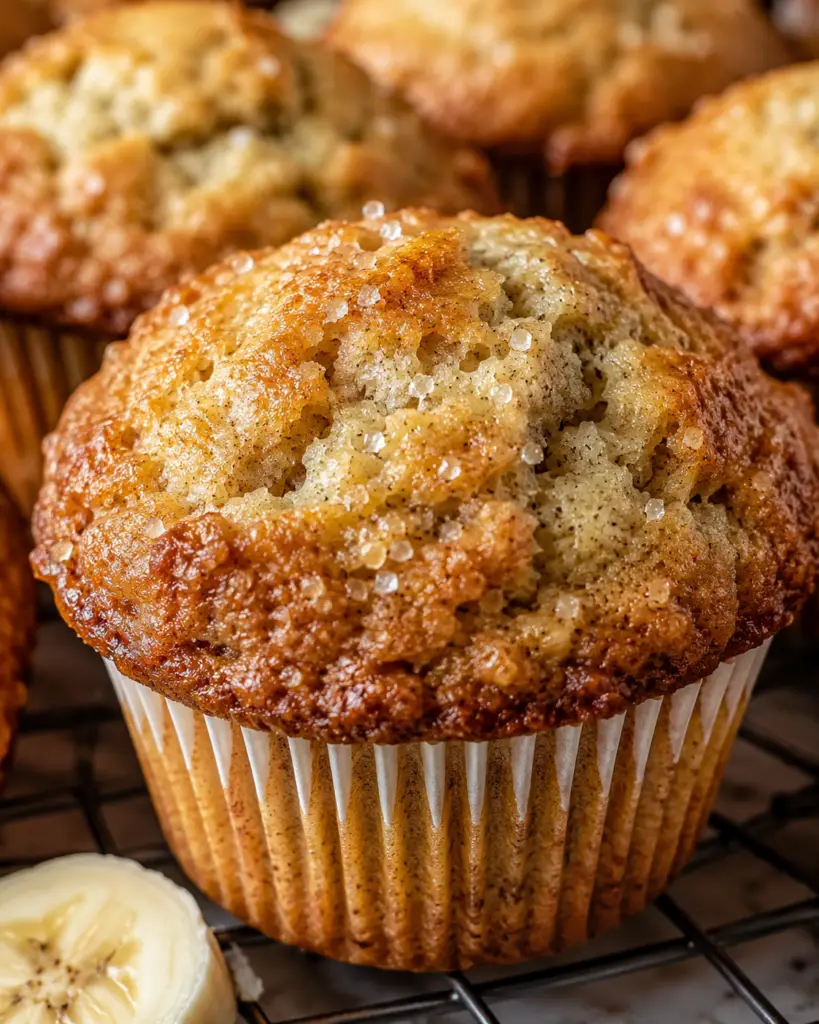
Bananas, applesauce, pumpkin, zucchini, and berries can add moisture, flavor, and natural sweetness.
They do not always replace oil or sugar in equal amounts. Start with a tested recipe when possible.
Make portions work for you
Bake cookies in a smaller size, make mini muffins, freeze individual slices, or divide a dessert into single servings.
Portioning allows you to enjoy dessert without relying on willpower every time you walk through the kitchen.
Do Not Fear Fat
Fat adds flavor, carries seasoning, helps with browning, and makes meals more satisfying. Healthy cooking does not require a completely fat-free kitchen.
Instead, pay attention to the type and amount you use.
Common cooking fats include:
- Olive oil
- Avocado oil
- Butter
- Nuts
- Seeds
- Nut butter
- Avocado
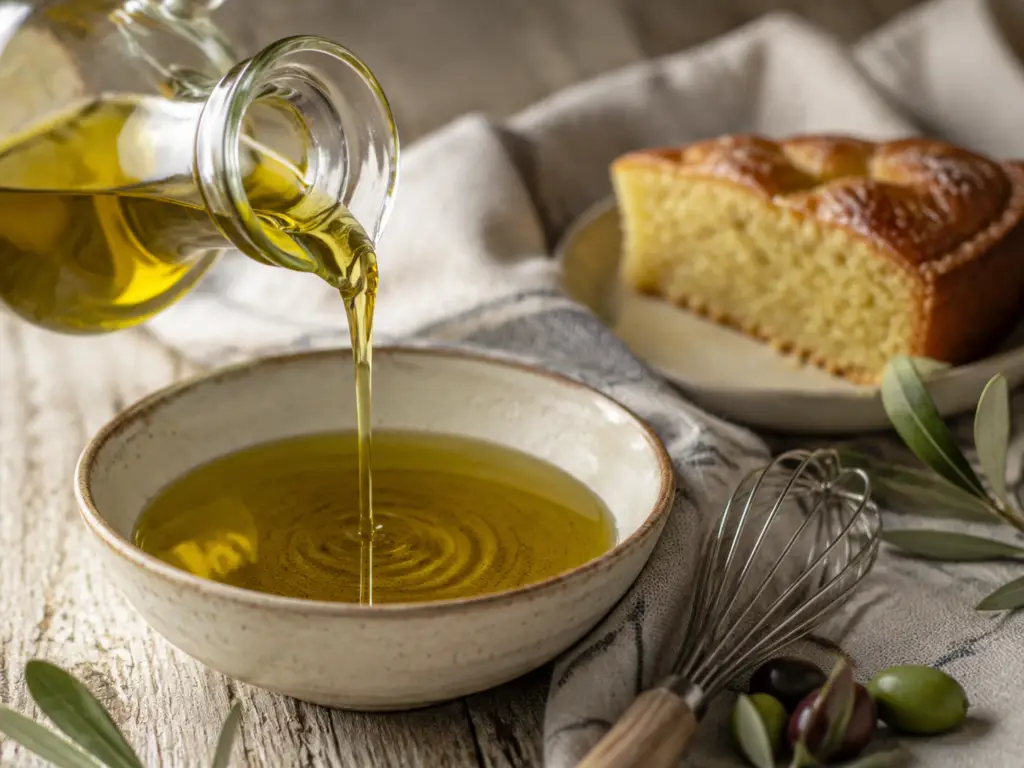
Measure oil before adding it to the pan. Pouring directly from the bottle can turn a tablespoon into several tablespoons before you notice.
You can also use more than one fat in a recipe. A small amount of butter paired with olive oil can give you buttery flavor without needing a large amount.
Add More Protein to Everyday Meals
Protein can make a meal more filling and support muscle repair and general health.
Easy protein choices include:
- Chicken
- Turkey
- Lean beef
- Pork tenderloin
- Fish
- Shrimp
- Eggs
- Greek yogurt
- Cottage cheese
- Beans
- Lentils
- Tofu
- Tempeh
- Edamame
You do not need a huge serving. Aim to include a reasonable source of protein at meals and snacks.
Easy ways to add protein
- Add an egg to avocado toast
- Stir cottage cheese into scrambled eggs
- Add Greek yogurt to a smoothie
- Mix beans into soup
- Use chicken in a pasta dish
- Add lentils to ground meat
- Serve fruit with yogurt or nut butter
- Use milk instead of water in oatmeal
- Add tuna or chicken to a salad
Cook with Less Sodium Without Losing Flavor
Reducing sodium does not mean food has to taste bland.
Use:
- Fresh herbs
- Dried spices
- Citrus juice
- Vinegar
- Garlic
- Onion
- Salt-free seasoning blends
- Roasted vegetables
- A small amount of strong cheese
Choose lower-sodium broth, canned beans, tomatoes, and sauces when possible. Rinsing canned beans can also remove some of the sodium.
Salt throughout the cooking process and taste as you go. This often gives you better flavor than adding a large amount at the table.
Be Careful with “Healthy” Labels
A package labeled natural, low-fat, keto, gluten-free, protein-packed, or organic is not automatically the best choice for you.
Check the ingredient list and nutrition label. Look at:
- Serving size
- Protein
- Fiber
- Added sugar
- Sodium
- Saturated fat
A food can fit into your routine even if it does not have a health claim printed across the front.
Make Sauces and Dressings at Home
Sauces and dressings can add a lot of sugar, sodium, and fat without making a meal more filling. Homemade versions let you control the balance.
Try a simple dressing made with:
- Olive oil
- Lemon juice or vinegar
- Dijon mustard
- Garlic
- Salt
- Pepper
For a creamy dressing, add plain Greek yogurt.
You do not need to make every condiment from scratch. Keep store-bought options you enjoy and compare labels when choosing between similar products.
Use Portion Changes Instead of Food Bans
Sometimes the simplest healthy change is keeping the food and changing the portion.
You can:
- Serve a smaller bowl of pasta with chicken and vegetables
- Have two slices of pizza with a salad
- Add fruit to a smaller serving of pancakes
- Pair a cookie with Greek yogurt
- Serve chips in a bowl instead of eating from the bag
This keeps favorite foods in your life while building meals that are more satisfying.
Plan for Convenience
Healthy cooking becomes harder when you are hungry, tired, and staring into an empty refrigerator.
Keep a few convenient foods available:
- Frozen vegetables
- Frozen fruit
- Rotisserie chicken
- Canned beans
- Microwaveable rice
- Eggs
- Greek yogurt
- Prewashed greens
- Whole-grain wraps
- Canned tuna
- Jarred pasta sauce
- Frozen fish
Convenience is not a failure. A quick meal made with a few prepared ingredients can still be balanced and filling.
Prep Ingredients Instead of Complete Meals
You do not have to spend Sunday cooking every meal for the week.
Try preparing a few flexible ingredients:
- Cooked chicken
- Roasted vegetables
- Rice or quinoa
- Washed fruit
- Chopped salad ingredients
- Hard-boiled eggs
- Homemade dressing
- Cooked ground beef or turkey
These ingredients can become bowls, wraps, salads, tacos, pasta dishes, or quick snacks throughout the week.
Keep Your Favorite Ingredients
If your family loves cheese, do not remove it from every meal. Use a flavorful cheese and add enough to make the dish satisfying.
If you love butter, use some butter. If you love white pasta, keep white pasta in the pantry. If you want dessert, plan for dessert.
The goal is a way of cooking you can continue. A plan built around foods you dislike will not last.
Common Healthy Cooking Mistakes
Changing too many ingredients at once
Replacing the flour, sugar, oil, eggs, and milk in one baking recipe will likely change the taste and texture.
Make one or two substitutions at a time so you can tell what worked.
Removing all the fat
Fat plays an important role in flavor and texture. Removing it completely can leave food dry and unsatisfying.
Use a moderate amount and measure it when needed.
Relying on oversized salads
A bowl of lettuce with a few vegetables may not keep you full for long.
Include protein, carbohydrates, and some fat. Add chicken, beans, eggs, grains, avocado, nuts, cheese, or a filling dressing.
Assuming homemade always means healthy
A homemade meal can still contain more sugar, sodium, or fat than you intended. Homemade food gives you control, but the ingredients and portions still matter.
Making meals too small
If dinner is not filling, you may spend the rest of the evening snacking.
Include enough protein, fiber, carbohydrates, and fat to make the meal satisfying.
Expecting perfection
One meal does not define your diet. Neither does one busy week, holiday dinner, or restaurant meal.
Return to your usual routine at the next meal instead of trying to make up for what you ate.
A Simple Formula for Healthier Meals
When you are not sure what to cook, use this basic formula:
- Choose a protein.
- Add at least one vegetable or fruit.
- Include a grain or starchy vegetable.
- Add a sauce, seasoning, or topping.
- Choose a cooking method that fits your schedule.
For example:
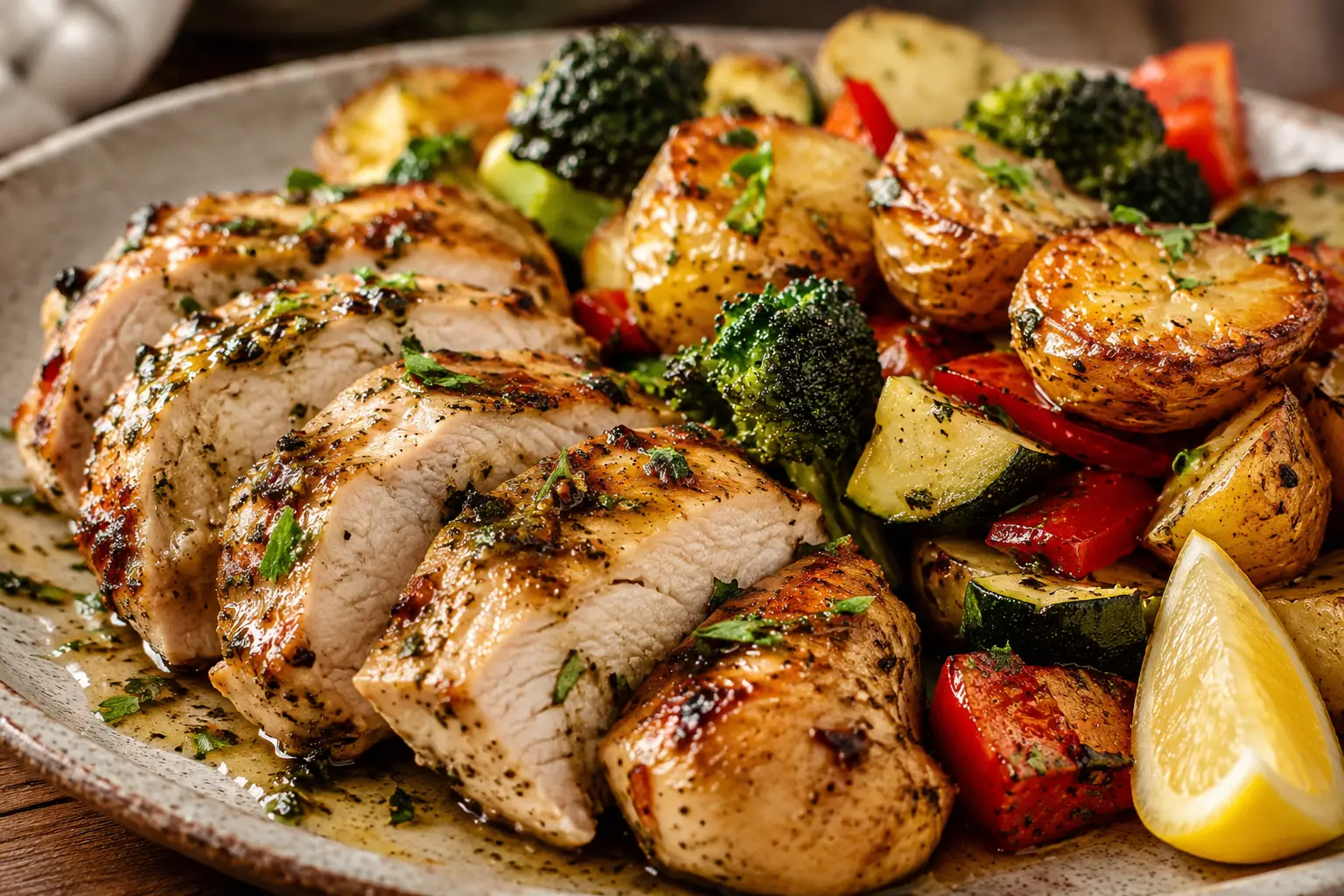
- Grilled chicken, roasted potatoes, green beans, and lemon yogurt sauce
- Ground turkey tacos with black beans, cabbage, salsa, and avocado
- Pasta with shrimp, spinach, tomatoes, and Parmesan
- Scrambled eggs with toast, berries, and avocado
- Salmon with rice, broccoli, and a garlic soy glaze
A Sample Week of Healthier Comfort Food
Monday
Chicken tacos with black beans, cabbage, salsa, avocado, and Greek yogurt
Tuesday
Protein pasta with meat sauce, spinach, and Parmesan
Wednesday
Sheet pan chicken with roasted potatoes and broccoli
Thursday
Turkey burgers with oven-roasted potato wedges and a side salad
Friday
Homemade pizza with chicken, peppers, mushrooms, and mozzarella
Saturday
Slow cooker chili with lean ground beef, beans, tomatoes, and your favorite toppings
Sunday
Roasted chicken, mashed potatoes mixed with cauliflower, green beans, and gravy
This plan includes familiar meals rather than a full week of foods that feel like diet replacements.
How to Start Cooking Healthier Today
Choose one change that feels easy enough to repeat.
You might:
- Add a frozen vegetable to dinner
- Include protein at breakfast
- Measure cooking oil
- Replace part of the sour cream with Greek yogurt
- Add beans to taco meat
- Roast potatoes instead of deep-frying them
- Serve a smaller portion of pasta with extra chicken and vegetables
- Prepare one homemade dressing
Once that change feels normal, add another.
Small changes may not feel dramatic, but they are often easier to maintain than a complete kitchen overhaul.
More Recipes and Cooking Guides to Try
Once you start adjusting familiar meals, these recipe topics can help you keep going:
- How to Make Comfort Food Higher in Protein
- How to Make Any Recipe Dairy-Free Without Losing Flavor
- How to Make a Recipe Gluten-Free
- High-Protein Baking for Beginners
- Healthy Meal Prep for Busy Weeks
- Ways to Use Leftover Chicken
- Easy Air Fryer Recipes
- Cottage Cheese Baking Recipes
Final Thoughts
Cooking healthier does not mean giving up the meals that make you happy. It means building those meals in a way that better fits your needs.
Keep the pasta, tacos, casseroles, burgers, and desserts. Add protein, include more vegetables, season your food well, and pay attention to portions. Use cooking methods that create plenty of flavor without requiring large amounts of oil.
The best healthy meals are not the ones that look perfect on social media. They are the ones you enjoy enough to cook again.
Frequently Asked Questions
How can I start eating healthier without giving up my favorite foods?
Begin by adding protein, vegetables, or fiber to meals you already enjoy. Keep the main dish familiar and make one or two small changes at a time.
What is the healthiest cooking method?
There is no single best method for every food. Roasting, baking, grilling, steaming, air frying, and sautéing with a measured amount of oil can all be good choices.
Can comfort food be healthy?
Yes. Comfort food can include protein, vegetables, whole grains, and reasonable portions while still tasting rich and satisfying.
Do I need to stop eating carbs to cook healthier?
No. Rice, pasta, bread, potatoes, fruit, and grains can all be part of a balanced meal. Pair them with protein, vegetables, and fat.
Is air frying healthier than deep-frying?
Air frying generally uses less oil than deep-frying while still creating a crisp exterior. The final nutrition depends on the ingredients, coating, oil, and portion.
How can I make creamy recipes lighter?
Replace part of the heavy cream, mayonnaise, or sour cream with milk, broth, Greek yogurt, puréed vegetables, or blended cottage cheese. Keep a smaller amount of the original ingredient for flavor.
How can I add more vegetables to family meals?
Add chopped or shredded vegetables to pasta sauce, tacos, casseroles, soups, meatballs, eggs, and rice. You can also roast vegetables until browned, which often makes them more appealing.
How can I reduce sugar in baking?
Start by reducing the sugar by 10 to 20 percent in muffins, quick breads, or snack cakes. Avoid large reductions in cookies, candy, caramel, or meringue because sugar affects their structure.
Is Greek yogurt a good substitute for sour cream?
Yes. Plain Greek yogurt works well in dips, dressings, baked potatoes, taco bowls, marinades, and many baked goods.
How can I make pasta healthier?
Use a moderate portion of pasta and add protein, vegetables, and a flavorful sauce. Whole wheat, lentil, chickpea, and higher-protein pasta are also options.
Are frozen vegetables healthy?
Yes. Frozen vegetables are practical, nutritious, and easy to keep on hand. Choose plain varieties when you want to control added sauces, salt, and butter.
Can I still eat dessert while eating healthier?
Yes. Dessert can fit into a balanced routine. Enjoy a satisfying portion, eat it slowly, and avoid labeling it as a forbidden food.
What should every healthy meal include?
A filling meal will usually include protein, carbohydrates, vegetables or fruit, and some fat. The exact amounts depend on your appetite, activity, and dietary needs.
How do I cook with less oil without food sticking?
Preheat the pan, use the right heat level, and measure a small amount of oil. A good nonstick or well-seasoned pan can also help. Add a splash of broth or water if vegetables begin to dry out.
What are the best healthy pantry staples?
Useful staples include canned beans, tuna, lentils, whole grains, pasta, canned tomatoes, lower-sodium broth, oats, nut butter, herbs, spices, and olive oil.
How do I make healthy food taste better?
Season throughout cooking, use fresh herbs and spices, add citrus or vinegar, brown ingredients properly, and finish the meal with a flavorful topping.
Do I have to count calories to cook healthier?
No. Calorie tracking can be useful for some people, but it is not required. Building balanced plates and paying attention to hunger and fullness can also guide portions.
What is the easiest healthy swap for beginners?
Adding a vegetable or protein source to a familiar meal is often the easiest place to begin. It improves the meal without changing its identity.
How often should I eat healthy meals?
Aim for a consistent pattern rather than perfection. Most meals can support your goals while leaving room for restaurant food, celebrations, snacks, and favorite desserts.
Can healthy cooking save money?
It can. Beans, lentils, eggs, oats, frozen vegetables, seasonal produce, canned fish, and home-cooked meals are often budget-friendly. Planning meals also helps reduce wasted food.