Turning a favorite recipe into a gluten-free version can feel like a guessing game. Sometimes a one-to-one flour swap works beautifully. Other times, the cookies spread, the bread crumbles, or the cake feels dry by the next morning.
The difference often comes down to understanding what gluten does in the original recipe. Gluten provides structure, stretch, and stability. It helps bread dough rise, keeps muffins from falling apart, and gives cookies their familiar texture.
The good news is that many recipes can be made gluten-free with a few thoughtful changes. You do not need a cabinet filled with specialty ingredients, either. A reliable gluten-free flour blend, the right binder, and careful measuring can take you surprisingly far.
This guide covers how to make recipes gluten-free, which flour substitutes work best, when a direct swap is possible, and how to prevent common gluten-free baking problems.
What Does Gluten-Free Mean?
Gluten is a group of proteins found naturally in wheat, barley, rye, and related grains. It creates elasticity and structure when flour is mixed with liquid.
A gluten-free recipe must avoid ingredients made from these grains unless the ingredient has been specially processed and labeled gluten-free.
Common sources of gluten include:
- Wheat flour
- Bread flour
- Cake flour
- Pastry flour
- Semolina
- Durum wheat
- Spelt
- Barley
- Rye
- Malt and malt flavoring
- Traditional soy sauce
- Some broths, seasoning blends, and sauces
Oats are naturally gluten-free, but they are often processed near wheat. Use certified gluten-free oats when preparing food for someone with celiac disease or a medical need to avoid gluten.
Gluten-Free Cooking vs. Gluten-Free Baking
Savory cooking is usually easier to convert than baking.
In soups, sauces, casseroles, and breaded dishes, wheat flour often plays a smaller role. It may be used as a thickener or coating, so another starch can usually take its place.
Baking is different. Flour affects structure, moisture, flavor, browning, and tenderness. Replacing it may require adjustments to the liquid, fat, eggs, resting time, or baking temperature.
A helpful rule is this:
- If flour is a minor ingredient, a simple substitution may work.
- If flour is the main ingredient, choose the replacement carefully.
- If the recipe depends on gluten development, use a tested gluten-free recipe when possible.
Start with a Gluten-Free 1-to-1 Flour Blend
For beginners, a cup-for-cup gluten-free baking blend is usually the easiest place to start. These blends combine several flours and starches to imitate the behavior of wheat flour.
A typical blend may include:
- Rice flour
- Tapioca starch
- Potato starch
- Sorghum flour
- Cornstarch
- Xanthan gum
Look for a product labeled “1-to-1,” “measure-for-measure,” or “cup-for-cup.” Check whether xanthan gum is already included before adding a separate binder.
These blends tend to work best in:
- Cookies
- Brownies
- Muffins
- Quick breads
- Pancakes
- Waffles
- Snack cakes
- Pie crusts
- Simple biscuits
A direct replacement is less dependable in yeast bread, pizza dough, bagels, croissants, and recipes built around strong gluten formation.
Can You Replace Regular Flour with Gluten-Free Flour?
In many everyday baking recipes, you can start by replacing all-purpose flour with the same amount of a one-to-one gluten-free flour blend.
If the recipe calls for 2 cups of all-purpose flour, begin with 2 cups of gluten-free baking blend. For better accuracy, weigh the flour rather than scooping it directly from the bag.
Do not assume every individual gluten-free flour can replace wheat flour by itself. Almond flour, coconut flour, oat flour, and rice flour each behave differently. They are not interchangeable with all-purpose flour in equal amounts.
Choose the Right Gluten-Free Flour
There is no single gluten-free flour that works perfectly in every recipe. Most successful blends combine whole-grain flours with lighter starches.
- Brown Rice Flour
Brown rice flour has a mild flavor and works well in cookies, muffins, pancakes, and flour blends. Used alone, it can make baked goods feel gritty or dry.
- White Rice Flour
White rice flour is lighter than brown rice flour and has a neutral taste. It is common in gluten-free flour blends, but too much can leave a sandy texture.
- Oat Flour
Oat flour has a soft texture and a lightly sweet flavor. It works well in muffins, pancakes, cookies, and quick breads.
Use certified gluten-free oat flour when cross-contact is a concern.
- Almond Flour
Almond flour adds moisture, richness, and a tender crumb. It is a good choice for cookies, cakes, muffins, and brownies.
Because almond flour contains more fat and less starch than wheat flour, it usually cannot be used as an equal replacement in a standard recipe. Baked goods may need more eggs or another flour to provide structure.
- Coconut Flour
Coconut flour absorbs a large amount of liquid. A small quantity can thicken a batter quickly.
Do not substitute coconut flour cup-for-cup for wheat flour. Recipes made with coconut flour usually require much more liquid and several eggs. It is best used in recipes written specifically for it.
- Sorghum Flour
Sorghum flour has a mild flavor and a texture that works well in cakes, muffins, cookies, and breads. It is often mixed with rice flour and starches.
- Buckwheat Flour
Despite its name, buckwheat is naturally gluten-free. It has a bold, earthy flavor and works well in pancakes, waffles, rustic breads, and chocolate desserts.
Check the package for a gluten-free label because processing can introduce cross-contact.
- Tapioca Starch
Tapioca starch adds stretch, softness, and chew. It is especially helpful in breads, pizza crusts, and cookies.
Too much tapioca starch can make baked goods gummy.
- Potato Starch
Potato starch creates a soft, light texture and helps baked goods hold moisture. It is not the same as potato flour, which is heavier and made from the whole potato.
- Cornstarch
Cornstarch lightens flour blends and creates tenderness. It is also useful for thickening sauces, gravies, puddings, and pie fillings.
What Does Xanthan Gum Do?
Xanthan gum acts as a binder in gluten-free baking. It helps hold ingredients together and gives dough or batter some of the elasticity normally supplied by gluten.
Many one-to-one flour blends already contain xanthan gum. Adding more can create a sticky, rubbery, or gummy texture.
If your blend does not include a binder, a general starting point is:
- Cookies and bars: ¼ teaspoon per cup of flour
- Cakes and muffins: ¼ to ½ teaspoon per cup of flour
- Yeast breads and pizza dough: ½ to 1 teaspoon per cup of flour
These amounts are starting points, not strict rules. Some recipes need less, while others use psyllium husk instead.
Other Gluten-Free Binders
Xanthan gum is not the only option. Depending on the recipe, you may also use:
- Psyllium husk powder
- Ground flaxseed mixed with water
- Ground chia seeds mixed with water
- Guar gum
- Eggs
- Gelatin
Psyllium husk is especially useful in gluten-free bread because it helps create a dough that can stretch and hold gas during rising.
Eggs work well in cakes, muffins, pancakes, and quick breads. They provide both moisture and structure.
How to Convert Cakes and Cupcakes
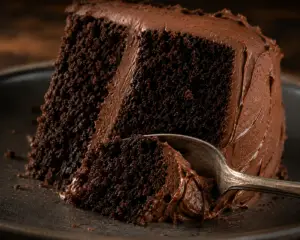
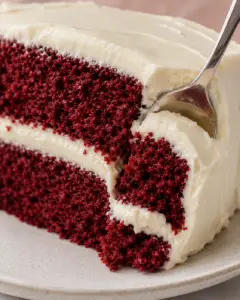
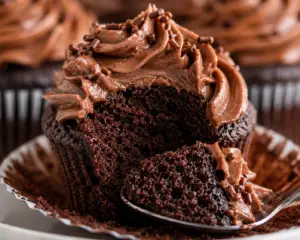
Cakes are often good candidates for a one-to-one gluten-free flour replacement. The batter contains eggs, fat, sugar, and liquid, which can help support the new flour blend.
For better gluten-free cakes:
- Use a fine-textured one-to-one flour blend.
- Measure the flour by weight when possible.
- Let the batter rest for 15 to 30 minutes before baking.
- Avoid overmixing after the flour is added.
- Check for doneness a few minutes early.
- Cool the cake before slicing.
Resting gives rice flour and other dry ingredients time to absorb moisture. This can reduce a gritty texture.
If the batter seems unusually thick, add milk one tablespoon at a time. Do not automatically add extra liquid until the batter has rested, since it may loosen as the flour hydrates.
How to Convert Cookies
Cookies are usually easy to make gluten-free, but they can spread or crumble if the flour blend is not a good match.
Start with a one-to-one flour replacement and follow these tips:
- Chill the dough for at least 30 minutes.
- Use parchment paper or a silicone baking mat.
- Bake one test cookie before filling the pan.
- Add 1 or 2 tablespoons of flour if the test cookie spreads too much.
- Add 1 or 2 teaspoons of milk if the dough feels dry and will not hold together.
- Let the cookies cool on the pan before moving them.
Gluten-free cookies are often fragile while hot. They usually become firmer as they cool.
For soft cookies, slightly underbake the centers. For crisp cookies, flatten the dough lightly and bake until the edges are golden.
How to Convert Brownies and Bars
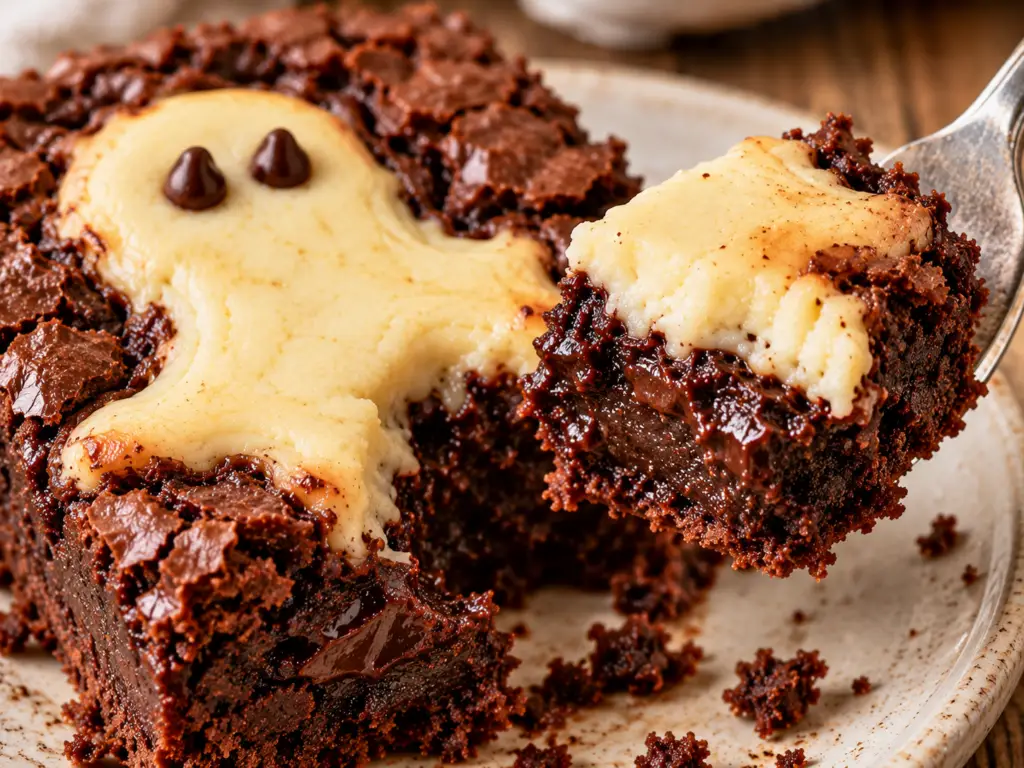
Brownies are among the easiest desserts to make gluten-free because they usually contain less flour than cakes or breads.
Replace the wheat flour with a one-to-one gluten-free blend. Almond flour can also work in some brownie recipes, though the finished texture may be softer and richer.
To avoid dry brownies:
- Weigh the flour.
- Do not overbake.
- Use enough fat.
- Let the brownies cool before cutting.
- Store them in an airtight container.
Chocolate, butter, and eggs already provide flavor and structure, so the flour change is often difficult to notice.
How to Convert Muffins and Quick Breads
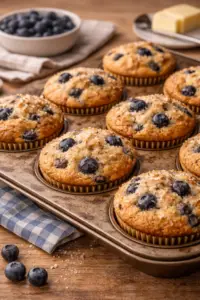
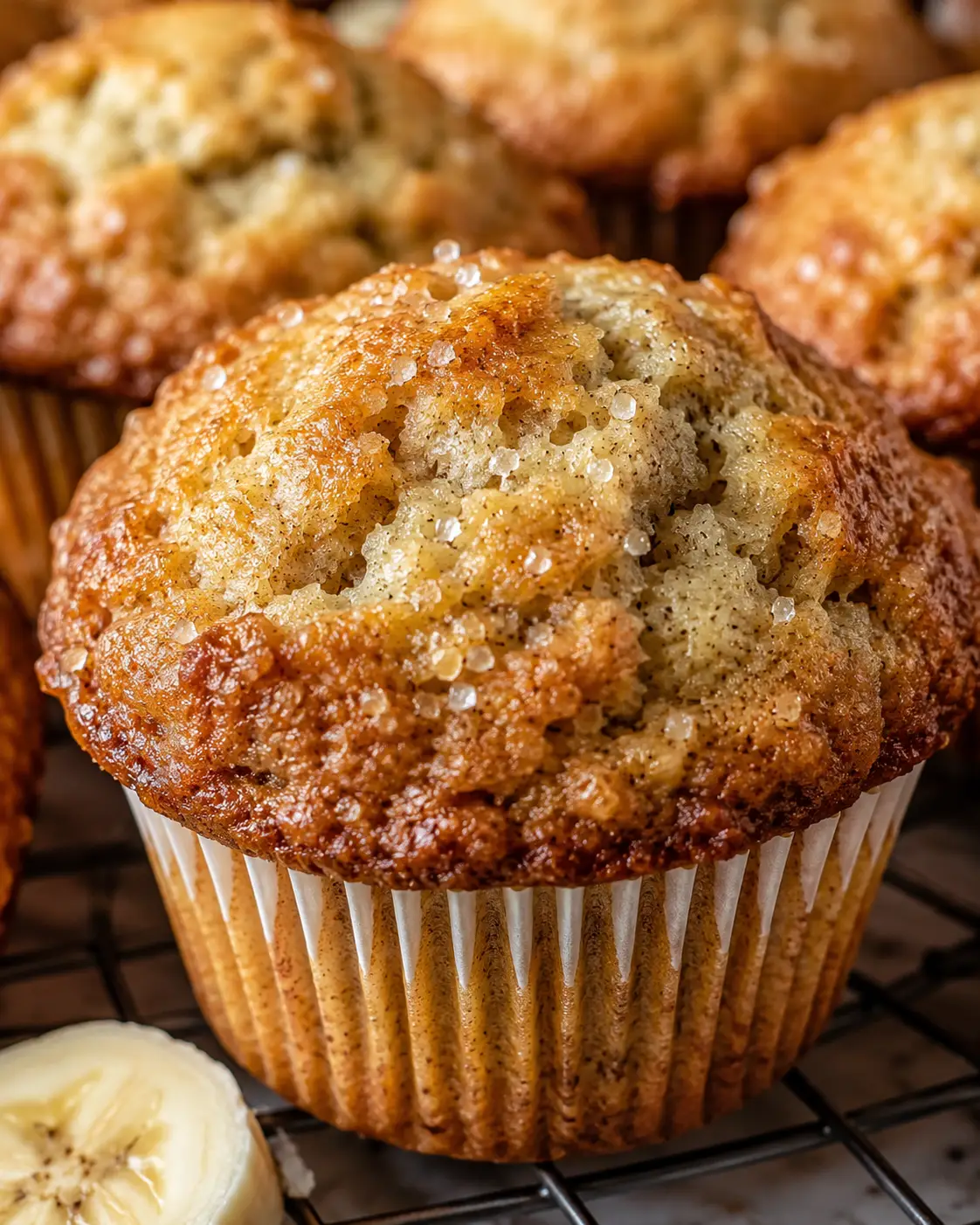
Banana bread, pumpkin bread, zucchini bread, and muffins generally convert well with a one-to-one flour blend.
Gluten-free quick breads may need a little extra support because they contain a lot of moisture.
Helpful adjustments include:
- Rest the batter for 15 to 20 minutes.
- Add an extra egg if the loaf repeatedly crumbles.
- Avoid adding too much fruit or liquid.
- Use a metal pan for more even baking.
- Cover the top loosely with foil if it browns too quickly.
- Cool the loaf fully before slicing.
A wet center does not always mean the loaf needs more flour. It may simply need more baking time. Check the center with a toothpick or instant-read thermometer before removing it from the oven.
How to Convert Pancakes and Waffles
Pancakes and waffles are forgiving because they do not need a strong gluten network.
Use an equal amount of one-to-one gluten-free flour and let the batter rest for about 10 minutes. If it thickens too much, stir in a splash of milk.
For fluffy results:
- Use fresh baking powder.
- Do not press pancakes down with the spatula.
- Cook over medium or medium-low heat.
- Wait for bubbles to form before flipping.
- Grease the pan or waffle iron well.
Oat flour is another good option for pancakes, especially when paired with eggs and a small amount of starch.
How to Make Pie Crust Gluten-Free
Gluten-free pie dough can be tender and flaky, but it may crack more easily than wheat-based dough.
A gluten-free flour blend with xanthan gum is a practical choice. Keep the butter cold and add the water gradually.
For easier handling:
- Chill the dough before rolling.
- Roll it between two sheets of parchment paper.
- Repair cracks by pressing the dough together.
- Chill the shaped crust before baking.
- Use pie weights when blind baking.
Gluten-free pie crust does not become tough as easily because there is no gluten to overwork. You can patch and press it without worrying as much about making it chewy.
Why Yeast Bread Is More Difficult
Traditional bread depends heavily on gluten. During kneading, gluten forms an elastic network that traps the gas produced by yeast.
Without that network, bread may rise poorly, collapse, or become dense.
Gluten-free bread dough usually behaves more like a thick batter than a kneadable wheat dough. It may rely on psyllium husk, xanthan gum, eggs, starches, and higher hydration.
For sandwich bread, rolls, pizza crust, bagels, or artisan loaves, begin with a recipe created for gluten-free flour. A simple one-to-one substitution may not provide enough structure.
How to Make Sauces and Gravies Gluten-Free
Flour is often used to thicken gravy, cream sauce, soup, and stew. Several gluten-free ingredients can do the same job.
- Cornstarch Slurry
Mix cornstarch with cold water before adding it to hot liquid. Start with approximately 1 tablespoon of cornstarch mixed with 1 tablespoon of water for each cup of liquid.
Bring the sauce to a gentle simmer so it can thicken. Avoid boiling it for too long because the sauce may thin again.
- Arrowroot Starch
Arrowroot creates a clear, glossy sauce. It works well in fruit sauces and recipes that will not cook for a long time after thickening.
- Tapioca Starch
Tapioca starch creates a glossy, slightly stretchy consistency. Use it sparingly to prevent a gummy texture.
- Gluten-Free Flour Roux
You can make a roux with butter and a gluten-free one-to-one flour blend. Cook the flour in the fat for a minute or two before slowly whisking in the liquid.
Rice flour and sweet rice flour also work well for gravy and cream sauce.
How to Make Breaded Foods Gluten-Free
Wheat breadcrumbs can be replaced with:
- Gluten-free breadcrumbs
- Crushed gluten-free crackers
- Crushed gluten-free cornflakes
- Cornmeal
- Almond flour
- Grated Parmesan
- Crushed certified gluten-free oats
For a crisp coating, dip the food in gluten-free flour, then beaten egg, and finally gluten-free breadcrumbs.
Check cooking sprays, marinades, and seasoning mixes as well. The coating may be gluten-free while another ingredient in the dish is not.
How to Convert Casseroles
Many casseroles contain hidden sources of gluten, including condensed soup, breadcrumbs, fried onions, pasta, and packaged seasoning.
To make a casserole gluten-free:
- Use gluten-free pasta or rice.
- Replace condensed soup with a labeled gluten-free version or homemade sauce.
- Use gluten-free breadcrumbs for the topping.
- Check broth and seasoning labels.
- Use plain cheese rather than a cheese sauce thickened with wheat flour.
- Replace fried onions with a gluten-free product or homemade topping.
Gluten-free pasta can soften quickly in a casserole. Cook it a few minutes less than the package directions before adding it to the dish.
How to Replace Pasta, Noodles, and Grains
Gluten-free pasta is available in several varieties, including rice, corn, chickpea, lentil, and quinoa blends.
For the best texture:
- Use plenty of boiling water.
- Stir often during the first few minutes.
- Begin testing before the package time ends.
- Drain as soon as the pasta is tender.
- Rinse only if the recipe calls for cold pasta.
- Toss with sauce shortly after draining.
Naturally gluten-free grain options include:
- Rice
- Quinoa
- Millet
- Buckwheat
- Sorghum
- Teff
- Corn
- Amaranth
Check labels when cooking for someone with celiac disease because grains can be processed in facilities that also handle wheat.
Hidden Sources of Gluten to Check
Flour is not the only ingredient that needs attention. Gluten may appear in products that do not seem bread-based.
Always check labels on:
- Soy sauce
- Teriyaki sauce
- Worcestershire sauce
- Broth and bouillon
- Salad dressing
- Gravy mixes
- Taco seasoning
- Spice blends
- Condensed soup
- Sausage
- Meatballs
- Imitation crab
- Candy
- Chocolate chips
- Baking powder
- Sprinkles
- Flavored oats
- Malt vinegar
- Barbecue sauce
Ingredients and manufacturing practices can change, so read the package each time you buy a product.
Preventing Cross-Contact in the Kitchen
Avoiding gluten ingredients is only part of preparing safe food for someone with celiac disease. Small crumbs or traces of flour can cause a problem.
Use clean utensils, bowls, pans, and work surfaces. Do not prepare gluten-free dough on a counter covered in wheat flour.
Items that may need separate gluten-free versions include:
- Toaster
- Colander
- Cutting board
- Wooden spoon
- Rolling pin
- Flour sifter
- Bread knife
- Butter dish
- Jam or peanut butter jar
Shared condiments can collect crumbs when a knife is dipped back into the container. Squeeze bottles or clearly marked containers can help.
If the food is for someone with celiac disease, ask about their needs before cooking. A person avoiding gluten by preference may have different requirements from someone who must avoid even small traces.
Measure Gluten-Free Flour Carefully
Too much flour is one of the most common causes of dry, crumbly gluten-free baked goods.
A kitchen scale provides the most consistent results. Use the gram amount listed in the original recipe or follow the weight guidance on the flour package.
If you do not have a scale, use the spoon-and-level method:
- Stir the flour inside the container.
- Spoon it gently into the measuring cup.
- Do not pack or shake the cup.
- Sweep off the excess with a straight edge.
Scooping directly from the bag can compress the flour and add much more than the recipe needs.
Let Gluten-Free Batter Rest
Many gluten-free flours need extra time to absorb liquid. A short rest can improve texture without changing the ingredients.
Try resting:
- Pancake batter for 10 minutes
- Cookie dough for 30 minutes
- Muffin batter for 15 to 20 minutes
- Cake batter for 15 to 30 minutes
Do not rest recipes that rely on whipped egg whites for lift unless the directions specifically allow it. Those batters should usually go into the oven quickly.
Watch the Moisture Level
Gluten-free baked goods can be dry, but adding too much liquid may make them gummy.
Good moisture-boosting ingredients include:
- Sour cream
- Greek yogurt
- Mashed banana
- Applesauce
- Pumpkin puree
- Buttermilk
- Melted butter
- Neutral oil
- Honey
- Brown sugar
Add moisture in small amounts. One or two tablespoons of milk may be enough to fix a thick batter. Large changes can affect baking time and structure.
Do Not Overbake
Gluten-free baked goods often dry out faster than their wheat-based versions.
Start checking a few minutes before the original baking time ends. Look for the same signs of doneness you would use in a traditional recipe:
- Lightly browned edges
- A set center
- A toothpick with a few moist crumbs
- A top that springs back when touched
- An internal temperature suited to the specific baked good
Remember that cookies and bars continue to set as they cool.
Allow Baked Goods to Cool
Cooling is part of the baking process, especially in gluten-free recipes.
Freshly baked cookies, breads, and cakes may feel fragile when warm. Cutting them too early can make the center look gummy or cause the entire item to fall apart.
Cool cookies on the pan for several minutes. Let muffins settle in the pan before moving them to a rack. Cool quick breads completely before slicing.
Gluten-Free Substitution Cheat Sheet
Use these swaps as a starting point:
- All-purpose flour: One-to-one gluten-free baking blend
- Breadcrumbs: Gluten-free breadcrumbs or crushed gluten-free crackers
- Soy sauce: Gluten-free tamari
- Regular pasta: Rice, corn, chickpea, or lentil pasta
- Flour for gravy: Cornstarch, arrowroot, rice flour, or gluten-free flour blend
- Wheat tortillas: Corn tortillas or labeled gluten-free wraps
- Couscous: Quinoa, rice, or millet
- Barley: Brown rice, sorghum, or buckwheat groats
- Crackers: Certified gluten-free crackers
- Traditional oats: Certified gluten-free oats
- Malt vinegar: Apple cider, white wine, or rice vinegar
- Beer in recipes: Labeled gluten-free beer, broth, or another suitable liquid
Common Gluten-Free Baking Problems
- Why Is My Gluten-Free Cake Gritty?
The flour may not have absorbed enough liquid. Letting the batter rest before baking can help. A finer flour blend may also create a smoother texture.
- Why Did My Cookies Spread?
The dough may be too warm or the flour blend may contain a high percentage of starch. Chill the dough and bake one test cookie. Add a small amount of flour if needed.
- Why Are My Muffins Crumbly?
The recipe may need more binding or moisture. Check whether the flour blend contains xanthan gum. An extra egg or a spoonful of yogurt may help, depending on the recipe.
- Why Is My Bread Gummy?
The loaf may be underbaked, overhydrated, or sliced while warm. Let gluten-free bread cool fully before cutting it.
- Why Is My Cake Dry?
Too much flour or too much baking time may be the cause. Weigh the flour and check the cake early. A little oil, yogurt, or sour cream can help retain moisture.
- Why Did My Bread Collapse?
Possible causes include too much liquid, too much yeast, overproofing, weak binders, or underbaking. Gluten-free yeast bread works best with a tested formula.
Recipes That Are Naturally Gluten-Free
You do not always need to replace wheat flour. Many foods are already gluten-free or require only a label check.
Naturally gluten-free options include:
- Flourless chocolate cake
- Meringues
- Macarons made with almond flour
- Rice pudding
- Crème brûlée
- Corn tortillas
- Polenta
- Risotto
- Roasted meats
- Grilled vegetables
- Rice bowls
- Potato dishes
- Egg-based breakfasts
- Cornstarch-thickened pudding
Starting with naturally gluten-free foods can be easier than rebuilding a recipe that depends heavily on wheat.
Tips for Better Gluten-Free Recipes
- Begin with a dependable one-to-one flour blend.
- Check whether the blend already contains xanthan gum.
- Weigh flour whenever possible.
- Change one ingredient at a time.
- Write down every substitution.
- Rest batters and doughs when appropriate.
- Bake a small test portion first.
- Check labels on sauces, broths, spices, and toppings.
- Avoid cross-contact when cooking for medical needs.
- Let baked goods cool before judging their final texture.
Before You Go
Most cookies, brownies, cakes, muffins, pancakes, sauces, and casseroles can be made gluten-free without rebuilding the whole recipe. Start with a good one-to-one flour blend, measure carefully, and give the flour time to absorb moisture.
Recipes that depend heavily on gluten, especially yeast bread and laminated pastry, need a more specific formula. In those cases, begin with directions written for gluten-free ingredients.
The first batch may need a small adjustment, but keep notes. Once you find the right flour, moisture level, and baking time, you can make the same recipe again with much more confidence.