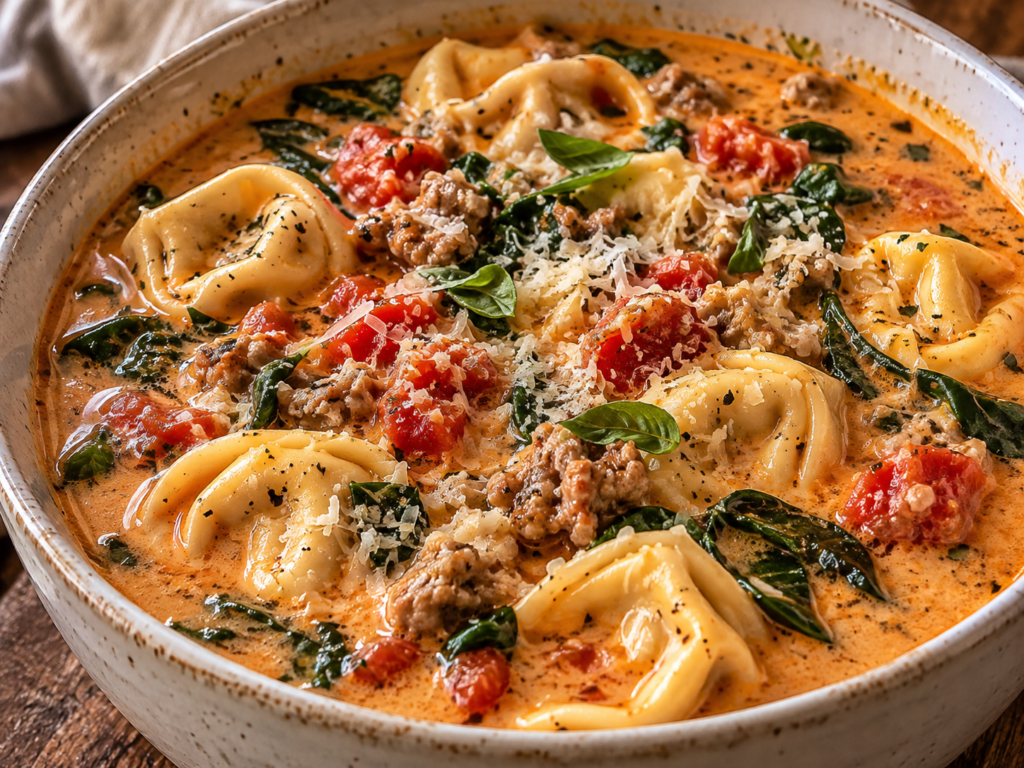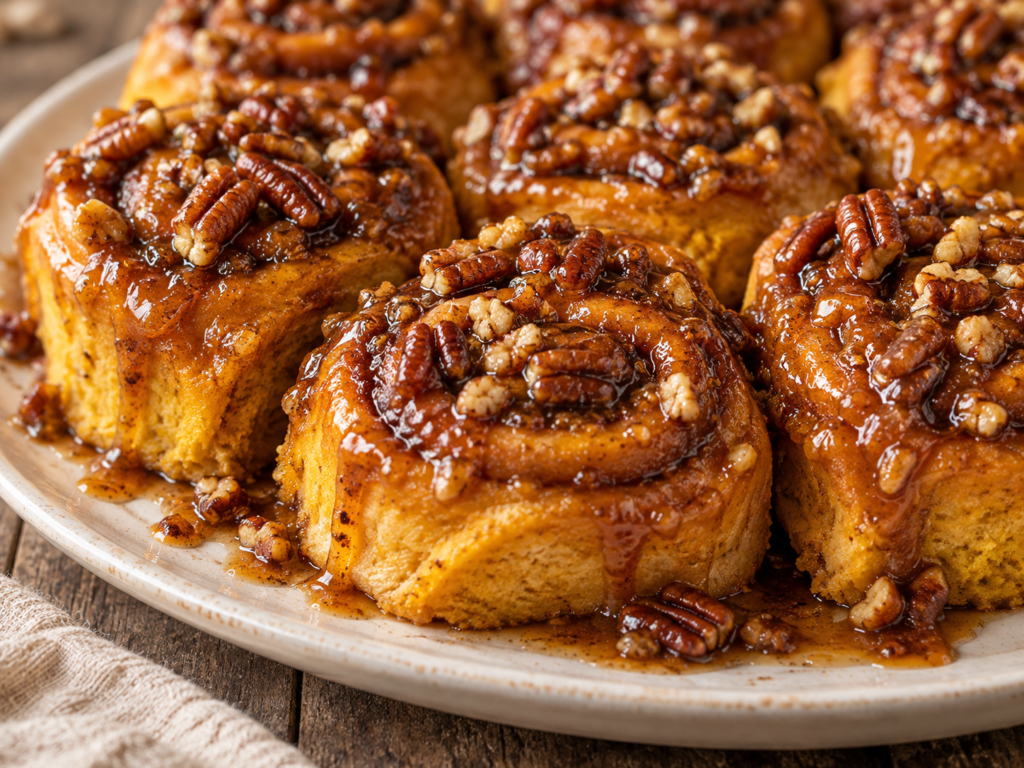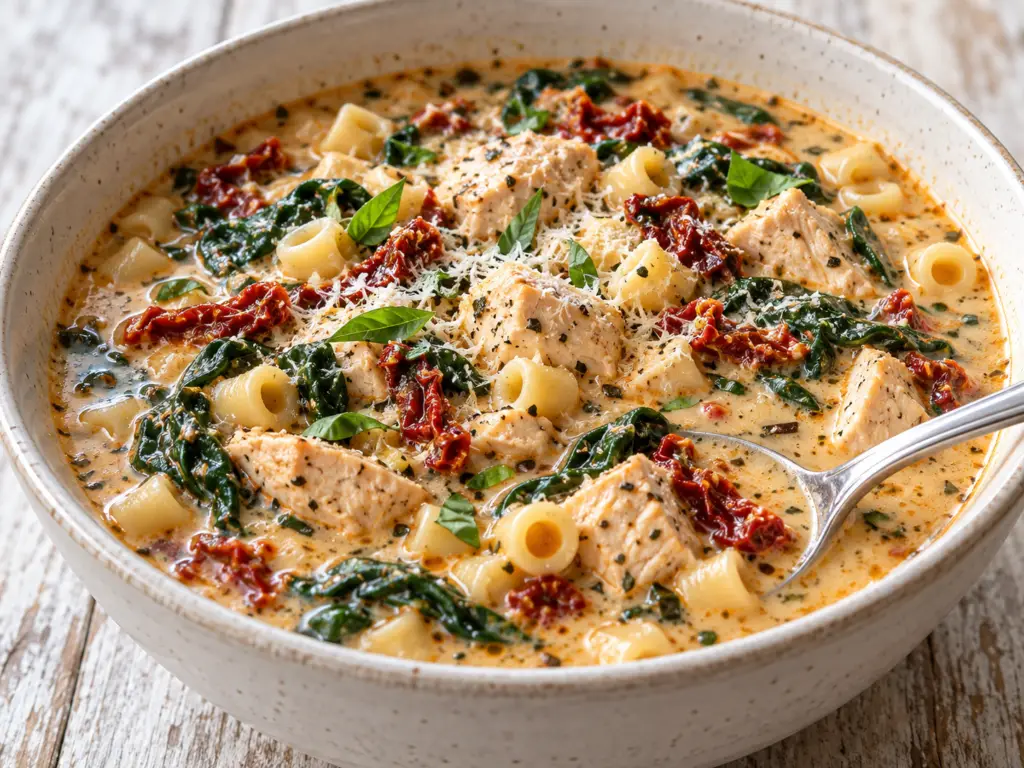
Comfort food is supposed to be warm, filling, and satisfying. Think creamy pasta, cheesy casseroles, loaded baked potatoes, hearty soups, meatloaf, chili, and baked treats fresh from the oven. These dishes taste great, but some may leave you hungry again sooner than expected.
Adding more protein can make a comfort food recipe more filling without taking away the creamy texture, rich flavor, or cozy feeling that made you want it in the first place.
The trick is choosing changes that fit the dish. You do not need to turn macaroni and cheese into a completely different meal or replace every ingredient with a high-protein substitute. A few well-placed additions can increase the protein while keeping the recipe familiar and delicious.
This guide covers how to make comfort food higher in protein, which ingredients work best, how to prevent dry or grainy results, and where common high-protein recipe swaps tend to go wrong.
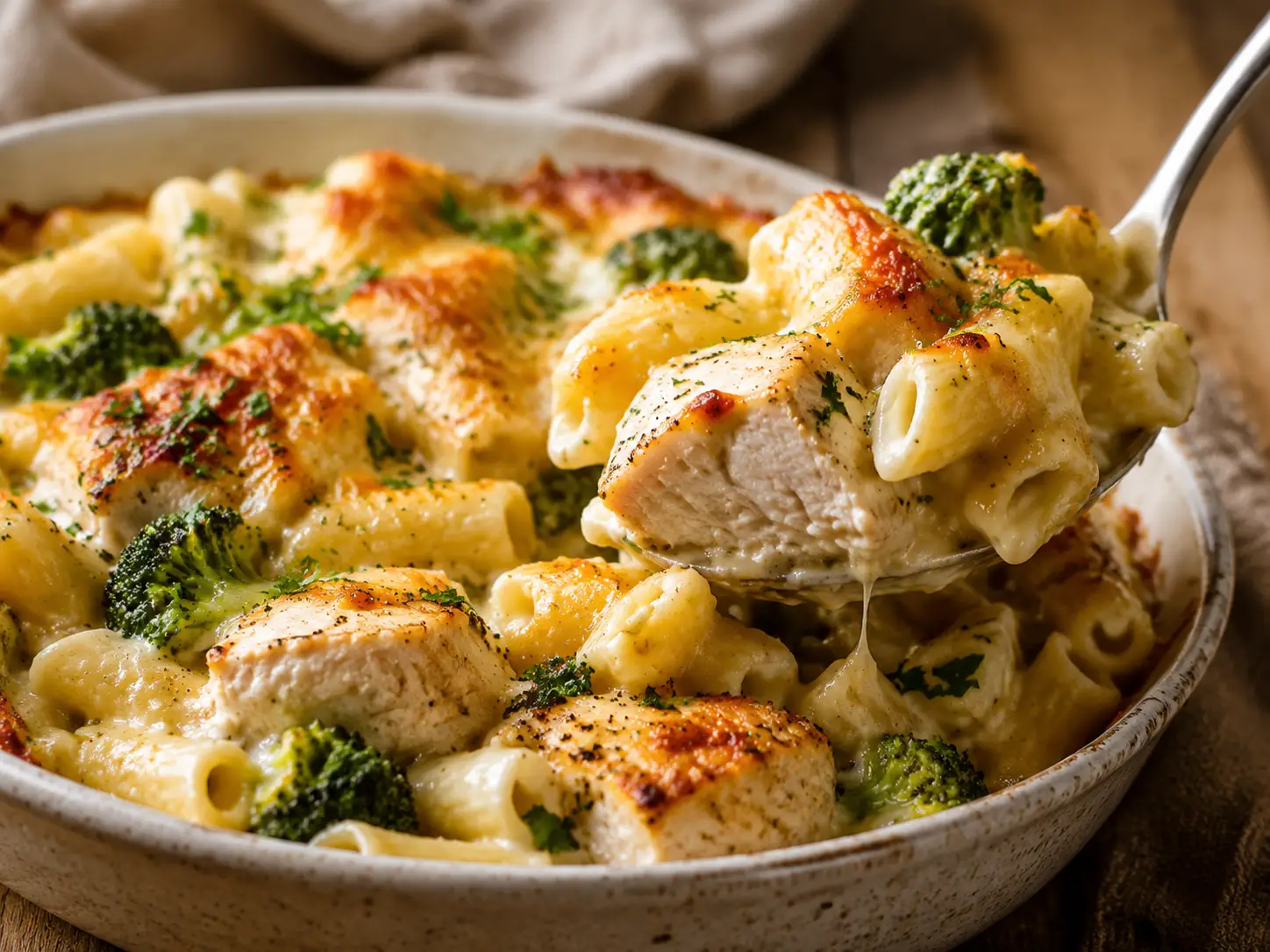
What Is High-Protein Comfort Food?
High-protein comfort food takes a familiar recipe and increases the amount of protein in each serving. This may be done by adding meat, seafood, eggs, dairy products, beans, lentils, tofu, or protein-rich grains.
The goal is not to strip away every ingredient that makes the dish comforting. It is to create a better balance between protein, carbohydrates, fats, and flavor.
There is no single number that makes a meal high in protein. Protein needs vary based on body size, age, activity level, health needs, and personal goals. For many people, a main meal containing about 20 to 30 grams of protein can feel more satisfying than one built mostly from refined carbohydrates.
Rather than focusing only on a label, look at the full meal. A bowl of pasta with 10 grams of protein may not keep you full for long, while the same pasta served with chicken, cottage cheese sauce, and vegetables may provide more than twice that amount.
Why Add More Protein to Comfort Food?
Protein helps make meals more filling. It also supplies amino acids that the body uses for muscles, skin, enzymes, hormones, and tissue repair.
Adding protein to comfort food can be helpful if you:
- Feel hungry shortly after eating
- Want meals that support strength training or an active lifestyle
- Are trying to build more balanced dinners
- Need filling meal-prep recipes
- Want to reduce mindless snacking between meals
- Have family members with different nutrition goals
- Prefer to get protein from meals instead of shakes or bars
Protein is not the only part of a balanced meal. Fiber, carbohydrates, and fats also play a role in satisfaction and nutrition. The best high-protein comfort food recipes keep the parts that make the dish enjoyable while adding ingredients that help it feel like a complete meal.
Start by Finding the Main Protein Source
Before changing a recipe, look at what already provides protein.
In meatloaf, the ground beef or turkey is the main source. In macaroni and cheese, most of the protein comes from the cheese, milk, and pasta. In potato soup, there may be very little unless the recipe includes bacon, milk, cheese, or beans.
Once you find the main source, ask two questions:
- Can I increase this ingredient without hurting the texture?
- Can I add a second protein source that naturally fits the recipe?
For example, you could add more chicken to a casserole, but doubling it may make the dish dry and throw off the sauce-to-filling ratio. A better option may be to add a moderate amount of chicken and blend cottage cheese into the sauce.
Small changes from two or three ingredients often work better than forcing one large substitution.
The Best Ingredients for High-Protein Comfort Food
Cottage Cheese
Cottage cheese is one of the easiest ways to add protein and creaminess to sauces, casseroles, dips, and baked dishes.
Blend it until smooth before adding it to a recipe. This removes the curds and creates a consistency similar to a thick cream sauce.
Cottage cheese works well in:
- Macaroni and cheese
- Mashed potatoes
- Alfredo-style sauces
- Lasagna
- Baked ziti
- Creamy soups
- Egg casseroles
- Cheesecake fillings
- Hot dips
- Pancake and muffin batters
Full-fat cottage cheese usually produces the creamiest texture, although reduced-fat varieties also work. Check the label because protein amounts and sodium levels vary by brand.
Avoid boiling a cottage cheese sauce over high heat. Strong heat can make it separate or turn grainy. Blend it first and warm it gently with the other sauce ingredients.
Greek Yogurt
Plain Greek yogurt can replace part of the sour cream, mayonnaise, heavy cream, or cream cheese in many comfort food recipes.
It adds a creamy texture along with a tangy flavor. Whole-milk Greek yogurt tends to hold up better in warm recipes than fat-free yogurt.
Try it in:
- Mashed potatoes
- Creamy dips
- Stroganoff
- Taco casseroles
- Chicken salad
- Ranch-style sauces
- Baked potato toppings
- Cheesecake
- Muffins
- Quick breads
When adding Greek yogurt to a hot sauce, remove the pan from the heat first. Stir a small amount of the warm sauce into the yogurt, then mix it back into the pan. This gradual temperature change helps keep the yogurt smooth.
Lean Ground Meat
Lean ground beef, turkey, and chicken can raise the protein in casseroles, soups, pasta dishes, and skillet meals.
Very lean meat may become dry, especially in meatloaf or meatballs. Moisture-building ingredients can help, including:
- Grated onion
- Finely chopped mushrooms
- Eggs
- Milk-soaked breadcrumbs
- Greek yogurt
- Tomato sauce
- Shredded zucchini
For chili, tacos, and pasta sauce, combining lean meat with beans adds protein and fiber while keeping the dish hearty.
Chicken and Turkey
Cooked chicken and turkey are easy additions to many savory comfort foods. Rotisserie chicken is handy when you want to shorten the prep time.
Add shredded or chopped poultry to:
- Macaroni and cheese
- Broccoli casserole
- Pot pie
- Enchiladas
- Pasta bakes
- Stuffed peppers
- Creamy soups
- Baked potatoes
- Quesadillas
- Rice casseroles
Dark meat stays moist during reheating, while chicken breast is leaner. Either one can work. Choose based on the texture and flavor you want.
Eggs and Egg Whites
Whole eggs provide protein, fat, flavor, and structure. Egg whites add protein with less fat, but using only whites can make some dishes rubbery or dry.
A combination of whole eggs and egg whites often produces better results.
For an egg casserole that normally uses eight whole eggs, you might use six whole eggs plus one cup of egg whites. The yolks help preserve the rich texture while the whites add more protein.
Eggs also work in:
- Breakfast casseroles
- French toast bakes
- Savory bread puddings
- Fried rice
- Pasta dishes
- Meatloaf
- Meatballs
- Baked oatmeal
Beans and Lentils
Beans and lentils provide plant-based protein and fiber. They are especially useful in chili, soups, casseroles, taco fillings, and pasta sauce.
Good choices include:
- Black beans
- Chickpeas
- Cannellini beans
- Kidney beans
- Pinto beans
- Brown or green lentils
- Red lentils
Red lentils cook down and blend into tomato sauce or soup. White beans can be blended into creamy soups, dips, or pasta sauces.
If you are introducing beans into a meat-based dish, start by replacing about one-quarter of the meat. This keeps the flavor familiar while adding fiber and stretching the recipe.
Tofu and Tempeh
Tofu can take on the flavor of sauces and seasonings, making it useful in both savory and sweet recipes.
Silken tofu blends well into:
- Chocolate pudding
- Cheesecake filling
- Creamy pasta sauce
- Smooth soups
- Dips
- Smoothies
Extra-firm tofu can be crumbled into chili, taco filling, breakfast scrambles, or lasagna.
Tempeh has a firmer texture and nuttier taste. It works well in sloppy joes, casseroles, chili, and barbecue-style dishes.
High-Protein Pasta
Pasta made with chickpeas, lentils, edamame, or higher-protein wheat can provide more protein and fiber than traditional pasta.
The flavor and texture vary, so choose the pasta based on the sauce. Chickpea and lentil pasta pair well with tomato sauce, meat sauce, pesto, and bold cheese sauces.
Watch the cooking time closely. Some bean-based pastas go from firm to soft very quickly. They may also break down when baked for too long.
For a pasta casserole, cook high-protein pasta one or two minutes less than the package directions before mixing it with the sauce.
Protein-Rich Grains
Quinoa, farro, and some whole-grain blends provide more protein and fiber than white rice.
Quinoa can replace part or all of the rice in:
- Stuffed peppers
- Burrito bowls
- Chicken casseroles
- Cheesy bakes
- Soup
- Grain bowls
Farro has a chewy texture that works well in hearty soups and baked dishes. It will not mimic soft white rice exactly, but it can add a satisfying bite.
Milk With More Protein
The milk you choose can change the protein count of a recipe.
Dairy milk usually contains more protein than almond milk. Soy milk is often one of the higher-protein plant-based choices. Ultra-filtered dairy milk may contain even more protein per cup.
Use higher-protein milk in:
- Mashed potatoes
- Cream sauces
- Macaroni and cheese
- Pudding
- Pancakes
- Muffins
- Oatmeal
- Creamy soups
Choose an unsweetened variety for savory recipes. Some plant-based milks have added vanilla or sugar that can taste out of place in cheese sauce or soup.
Protein Powder
Protein powder can work in pancakes, muffins, baked oatmeal, brownies, snack cakes, and no-bake treats, but more is not always better.
Replacing too much flour with protein powder can cause a dry, dense, rubbery, or chalky texture. Start by replacing no more than 10 to 20 percent of the flour.
For one cup of flour, try replacing two to three tablespoons with protein powder. You may need an extra tablespoon or two of milk because protein powders absorb liquid differently.
Whey, casein, and plant-based blends do not bake the same way. Whey may dry out quickly, while casein tends to thicken batter. Plant-based powder can create a heavier texture. Treat every new brand as a new ingredient and test it in small amounts.
How to Make Creamy Comfort Foods Higher in Protein
Creamy dishes are some of the easiest recipes to modify because several protein-rich ingredients can blend into a sauce.
A simple high-protein cream sauce may include:
- Blended cottage cheese
- Milk
- Parmesan or cheddar
- Garlic
- Salt
- Pepper
- A small amount of butter
- Reserved pasta water
Blend the cottage cheese and milk until completely smooth. Warm the mixture over low heat, then add the shredded cheese. Pasta water can loosen the sauce without making it watery.
For the best texture, keep some of the original cheese or fat. Removing all of it may save calories, but it can also make the finished dish taste thin or overly tangy.
A half-and-half approach is often more successful. Replace half of the heavy cream with blended cottage cheese or Greek yogurt and keep enough of the original ingredient to preserve the expected flavor.
How to Make Macaroni and Cheese Higher in Protein
Macaroni and cheese can become a more filling main dish with a few changes.
Try one or more of these ideas:
- Use chickpea, lentil, or higher-protein wheat pasta
- Blend cottage cheese into the cheese sauce
- Use ultra-filtered milk
- Add shredded chicken, ground turkey, or lean beef
- Stir in white beans
- Add peas or broccoli for fiber and color
- Keep a small amount of sharp cheddar for bold flavor
Sharp cheese gives you more noticeable flavor, so you may not need as much as you would when using a mild cheese.
Do not rely on protein powder in macaroni and cheese. Unflavored powders can still create a chalky or artificial taste. Dairy products, pasta, meat, and beans usually produce a better result.
How to Make Mashed Potatoes Higher in Protein
Potatoes contain some protein on their own, but classic mashed potatoes get most of their richness from butter and cream.
To increase the protein, mix in:
- Blended cottage cheese
- Plain Greek yogurt
- Ultra-filtered milk
- Parmesan
- Mashed white beans
Start by replacing only part of the cream or sour cream. Too much Greek yogurt may make the potatoes overly tangy.
For white bean mashed potatoes, blend rinsed cannellini beans with warm milk before mixing them into the cooked potatoes. This creates a smoother texture than stirring in whole beans.
Avoid overmixing. Potatoes can become gluey when their starch is worked too much, no matter which protein ingredient you add.
How to Make Casseroles Higher in Protein
Casseroles are easy to adjust because they contain several layers of ingredients.
For a more filling casserole:
- Increase the chicken, turkey, beef, or seafood slightly
- Add beans or lentils
- Use cottage cheese in the creamy filling
- Add eggs to breakfast casseroles
- Choose a higher-protein pasta
- Use quinoa in place of part of the rice
- Add vegetables to balance the dish
Keep enough sauce in the recipe to coat the added protein. If you add an extra cup of chicken without increasing the sauce, the casserole may turn dry.
For each additional cup of cooked meat, consider adding about 1/4 to 1/2 cup more sauce, depending on the recipe.
How to Make Soups and Stews Higher in Protein
Soup can be comforting but may not be very filling when it is made mostly with broth, noodles, or potatoes.
Protein-rich additions include:
- Shredded chicken
- Lean ground meat
- Beans
- Lentils
- Greek yogurt
- Blended cottage cheese
- Quinoa
- Tofu
- Eggs
Blend white beans into potato soup, broccoli soup, or tomato soup for added body. Red lentils can thicken vegetable and tomato-based soups as they cook.
For creamy soup, add Greek yogurt or cottage cheese after lowering the heat. Boiling dairy-based ingredients may cause separation.
If using canned beans, rinse them first to remove some of the excess sodium and canning liquid.
How to Make Chili Higher in Protein
Chili already has a strong base for a high-protein meal. It usually contains meat, beans, or both.
To increase the protein:
- Add an extra can of beans
- Use a mix of lean beef and turkey
- Stir in cooked lentils
- Top each bowl with Greek yogurt
- Add a moderate amount of shredded cheese
- Serve it with cottage cheese cornbread
- Use crumbled tofu with ground meat
Do not drain away all the flavor when using lean meat. Brown the meat with onions, garlic, and spices so it develops a savory base before adding the tomatoes and broth.
How to Make Meatloaf and Meatballs Higher in Protein
Meatloaf and meatballs already contain plenty of protein, but some versions depend heavily on breadcrumbs or fatty meat.
You can use leaner meat while keeping the texture tender by adding moisture.
Helpful ingredients include:
- Grated onion
- Finely shredded zucchini
- Chopped mushrooms
- Cottage cheese
- Eggs
- Milk-soaked breadcrumbs
- Ricotta
- Parmesan
Do not remove the breadcrumbs simply to make the recipe higher in protein. Breadcrumbs help bind the mixture and hold moisture. Without them, lean meat can become firm and dry.
You can also replace a small portion of the breadcrumbs with grated Parmesan. Keep in mind that Parmesan adds salt, so reduce the added salt if needed.
How to Make Pizza Higher in Protein
Pizza can provide a fair amount of protein from cheese and meat, but the amount per serving depends on the crust and toppings.
Try these changes:
- Use a Greek yogurt pizza dough
- Choose a cottage cheese crust
- Add grilled chicken or lean turkey sausage
- Use part-skim mozzarella
- Add a moderate amount of Parmesan
- Serve with a protein-rich side salad
- Make a meatball pizza with thinly sliced meatballs
Do not overload the crust with wet toppings. Cottage cheese, vegetables, and cooked meat can release moisture. Drain watery ingredients and precook vegetables when needed.
How to Make Baked Comfort Foods Higher in Protein
Muffins, pancakes, brownies, and quick breads need a little more care because baking depends on a balance of flour, liquid, fat, sugar, and eggs.
Protein-rich baking ingredients include:
- Greek yogurt
- Cottage cheese
- Eggs
- Egg whites
- Nut butter
- Powdered peanut butter
- Protein powder
- Oat flour
- Higher-protein milk
Change one or two ingredients at a time. If you replace the flour, sugar, butter, and eggs all at once, it becomes difficult to know which swap caused a dry or dense texture.
For muffins and quick breads, Greek yogurt can replace part of the oil or sour cream. Cottage cheese should be blended before it is added to the batter.
Nut butter adds protein, but it also adds fat and changes the flavor. It works best in chocolate, banana, oatmeal, and peanut butter recipes.
Keep Some of the Original Ingredients
A common mistake is removing every rich ingredient from a comfort food recipe.
Fat carries flavor and contributes to texture. Cheese helps sauces taste full and savory. Egg yolks add richness. Sugar holds moisture in baked goods.
You can reduce or replace part of an ingredient without removing it completely.
For example:
- Use half heavy cream and half blended cottage cheese
- Use half sour cream and half Greek yogurt
- Combine whole eggs with egg whites
- Mix traditional pasta with chickpea pasta
- Use lean ground meat with a small amount of cheese
- Replace only part of the flour with protein powder
This approach usually tastes more like the original dish and makes the recipe easier for the whole family to enjoy.
Season High-Protein Recipes Well
Some protein-rich ingredients have mild, tangy, or earthy flavors. Good seasoning helps them blend into the recipe.
Savory seasonings may include:
- Garlic
- Onion powder
- Smoked paprika
- Black pepper
- Chili powder
- Mustard powder
- Italian seasoning
- Fresh herbs
- Hot sauce
- Worcestershire sauce
- Lemon juice
Acid can brighten heavy dishes, but use it carefully with dairy. A small squeeze of lemon may wake up a creamy sauce, while too much may cause it to separate.
For sweet recipes, vanilla, cinnamon, cocoa powder, citrus zest, and a pinch of salt can help balance the taste of protein powder or Greek yogurt.
Watch the Moisture Level
Protein-rich ingredients often change how much liquid a recipe needs.
Protein powder absorbs liquid. Lean meat contains less fat. Bean-based pasta may soak up sauce as it sits. Greek yogurt and cottage cheese add moisture but may also thicken when chilled.
Look at the mixture before cooking. A pasta bake should look slightly saucier than you think it needs to be because the noodles will continue absorbing liquid in the oven.
Muffin batter made with protein powder may need an extra splash of milk. Meatloaf made with lean turkey may need grated onion, milk, or yogurt.
Make small liquid adjustments instead of pouring in a large amount at once.
Avoid Cooking Protein Too Long
Adding more protein does not mean a dish needs more cooking time. It may need less.
Chicken breast, lean turkey, shrimp, egg whites, and protein powder can all become tough or dry when overcooked.
Use a food thermometer when cooking meat and poultry. Pull baked goods from the oven when they are set but still moist. Let casseroles rest for several minutes so the sauce can thicken without extra baking.
How to Calculate Protein per Serving
Start by checking the nutrition label for each protein-containing ingredient. Record the total grams of protein used in the recipe, add them together, and divide by the number of servings.
For example:
- Chicken: 100 grams of protein
- Cottage cheese: 52 grams
- Pasta: 56 grams
- Shredded cheese: 28 grams
The full recipe contains about 236 grams of protein. If it makes eight servings, each serving contains about 29.5 grams.
This is an estimate. Brands, portion sizes, and preparation methods can change the final number. A nutrition calculator can give you a closer estimate when you enter the exact products and quantities used.
How to Increase Protein Without Adding Too Many Calories
Protein-rich foods still contain calories, so simply adding several ingredients may make the dish much heavier.
Instead of stacking additions, replace part of a lower-protein ingredient.
Try these swaps:
- Replace part of the heavy cream with blended cottage cheese
- Replace part of the mayonnaise with Greek yogurt
- Replace part of the white rice with quinoa
- Replace part of the regular pasta with chickpea pasta
- Replace some fatty meat with lean meat or beans
- Replace part of the flour with a small amount of protein powder
- Use Greek yogurt instead of a large sour cream topping
You do not need to choose the leanest version of every ingredient. A little fat may improve flavor and satisfaction. The aim is a meal you enjoy and want to make again.
How to Add Protein for Picky Eaters
Big changes in texture can be hard for picky eaters. Begin with ingredients that disappear into the dish.
Good options include:
- Cottage cheese blended into pasta sauce
- White beans blended into soup
- Red lentils cooked into tomato sauce
- Greek yogurt stirred into mashed potatoes
- Finely chopped chicken in a cheesy casserole
- Eggs mixed into baked oatmeal
- Powdered peanut butter added to chocolate muffins
Keep the appearance and flavor close to the familiar version. You can increase the amount gradually after you know the recipe is well received.
It is also helpful to be honest about ingredients, especially when cooking for someone with allergies, food sensitivities, or strong dietary preferences.
Common Mistakes When Making Comfort Food Higher in Protein
Changing Too Many Ingredients
Start with one or two swaps. Changing most of the recipe at once can affect flavor, moisture, structure, and cooking time.
Adding Too Much Protein Powder
Protein powder is not a direct replacement for flour. Large amounts can make baked goods rubbery, dry, or chalky.
Using Fat-Free Dairy in Hot Sauces
Fat-free yogurt and cottage cheese may separate more easily. Whole-milk or reduced-fat products usually create a smoother sauce.
Forgetting to Add Moisture
Lean meats and protein powders can dry out a recipe. Add milk, broth, yogurt, grated vegetables, or sauce as needed.
Overcooking Bean-Based Pasta
Chickpea and lentil pasta can soften or break apart quickly. Cook it slightly under the package time when it will be baked afterward.
Removing All the Fat
A little butter, cheese, olive oil, or egg yolk can make a large difference in flavor and texture.
Ignoring Portion Size
A recipe may contain plenty of total protein but make many servings. Calculate the protein per serving, not just for the full pan.
A Simple Formula for Building a High-Protein Comfort Meal
Use this basic formula when creating your own meal:
- Choose a comfort food base, such as pasta, rice, potatoes, bread, or tortillas.
- Add a main protein, such as chicken, beef, turkey, eggs, beans, lentils, tofu, or seafood.
- Add a creamy protein source, such as cottage cheese or Greek yogurt, when it fits.
- Include a vegetable for fiber, color, and texture.
- Keep enough sauce, cheese, or seasoning to make the meal satisfying.
- Check the portion size and estimate the protein per serving.
One meal might include chickpea pasta, shredded chicken, blended cottage cheese sauce, cheddar, and broccoli. Another could include a baked potato topped with turkey chili, Greek yogurt, and shredded cheese.
The formula is flexible enough to use with the foods your family already likes.
Easy High-Protein Comfort Food Ideas
Here are a few combinations to try:
- Chicken macaroni and cheese with blended cottage cheese sauce
- Turkey meatloaf with grated onion and Parmesan
- Loaded baked potatoes with shredded chicken and Greek yogurt
- Creamy chicken pasta made with higher-protein noodles
- Beef and lentil chili topped with plain Greek yogurt
- Broccoli cheddar soup thickened with blended white beans
- Chicken pot pie with extra chicken and a lighter creamy filling
- Cottage cheese lasagna with lean ground beef
- Buffalo chicken baked potatoes
- Greek yogurt mashed potatoes with Parmesan
- Quinoa and turkey stuffed peppers
- High-protein baked oatmeal with eggs and Greek yogurt
- Chocolate muffins with Greek yogurt and a small amount of protein powder
- Cottage cheese pancakes with berries
- Chicken enchilada casserole with black beans
How to Meal Prep High-Protein Comfort Food
Many comfort food recipes are great for meal prep because they hold up well in the refrigerator and freezer.
Casseroles, chili, soup, meatballs, meatloaf, stuffed peppers, and pasta bakes can be divided into individual containers after cooking.
For the best results:
- Let food cool before covering it
- Refrigerate most cooked meals within two hours
- Keep toppings and sauces separate when possible
- Add a splash of broth or milk before reheating pasta
- Reheat poultry and casseroles until hot throughout
- Freeze individual portions for faster thawing
- Label containers with the recipe name and date
Greek yogurt toppings, fresh herbs, avocado, and crunchy toppings are usually best added after reheating.
Storage and Reheating Tips
Most cooked comfort food recipes can be stored in an airtight container in the refrigerator for three to four days. Exact storage time can vary by ingredient, so check each recipe and follow current food-safety guidance.
Creamy sauces may thicken in the refrigerator. Stir in a small amount of milk or broth while reheating.
Heat food gently when it contains Greek yogurt or cottage cheese. High heat can cause the sauce to separate.
Bean-based pasta is usually best within the first few days because it may soften as it absorbs sauce.
Freeze casseroles in smaller portions so they thaw evenly. Some dairy-based sauces may look slightly separated after freezing, but gentle reheating and stirring can often bring them back together.
More Recipes to Try
If you are building a collection of filling, protein-rich meals, these recipe ideas would pair well with this guide:
- High-protein chicken casserole
- High-protein breakfast casserole
- Protein-packed chocolate muffins
- Cottage cheese pancake
Final Thoughts
Making comfort food higher in protein does not mean giving up creamy sauces, melted cheese, pasta, potatoes, or baked treats. The best changes work with the original recipe instead of fighting against it.
Start small. Blend cottage cheese into a sauce, add beans to chili, use higher-protein pasta, combine whole eggs with egg whites, or mix Greek yogurt into mashed potatoes. Keep enough of the original ingredients to protect the flavor and texture.
A comforting meal should still feel like comfort food. When it is warm, delicious, filling, and easy to make again, you have found the right balance.