Cooking for a crowd sounds fun when you picture a table filled with good food and everyone reaching for seconds. It feels a little different when you are standing in the kitchen wondering whether you bought enough chicken, how six dishes will fit in one oven, and why the potatoes are still hard when guests are already arriving.
The good news is that feeding a large group does not require a restaurant kitchen or a perfectly timed cooking show moment. It takes a realistic menu, enough food, a written plan, and recipes that can wait without falling apart.
Whether you are hosting a birthday party, holiday dinner, backyard cookout, game day gathering, graduation party, or family reunion, these party cooking tips will help you plan the meal, estimate portions, prepare food early, and enjoy your own gathering.
Why Cooking for a Crowd Feels So Stressful
Most of the pressure comes from trying to make too many decisions at once. You are shopping, cleaning, cooking, answering the door, finding serving spoons, refilling drinks, and checking several cooking times. Even easy recipes can become tiring when five of them need attention at the same time.
Crowd cooking also changes the way familiar recipes behave. A casserole may take longer to heat in a crowded oven. A large pot of water takes longer to boil. Cold ingredients packed tightly into the refrigerator cool more slowly. Doubling a recipe does not always mean doubling its cooking time.
The answer is not to work faster. It is to reduce the number of jobs that must happen during the final hour.
Start With the Guest Count
Before choosing the menu, get the best head count you can. You do not need an exact number weeks ahead, but you do need a useful range.
Write down:
- The number of adults
- The number of teenagers
- The number of younger children
- Any guests who may arrive later
- Dietary needs and food allergies
- Whether the meal replaces lunch or dinner
Teenagers often eat adult portions, while younger children may eat one-half to two-thirds of an adult serving. Plan a little extra if the party lasts several hours, alcohol is served, or the meal is the main event.
I like to plan for the confirmed guest count plus about 10 percent. For 20 confirmed guests, I would prepare roughly 22 servings. That gives you room for a hungry guest, a dropped serving, or someone who forgot to RSVP without leaving you with days of leftovers.
How Much Food Do You Need for a Party?
Portion planning depends on the time of day, length of the party, and number of choices. People usually take smaller servings when there are several dishes available. They take more when the menu has one main dish and two sides.
Use these amounts as starting points for an adult meal:
| Food | Amount Per Person |
|---|---|
| Boneless meat or chicken | 6 to 8 ounces raw |
| Bone-in meat | 10 to 12 ounces raw |
| Pasta as a main dish | 2 to 3 ounces dry |
| Pasta as a side | 1 to 1 1/2 ounces dry |
| Rice or grains | 1/3 to 1/2 cup cooked |
| Potatoes | 1/2 pound |
| Cooked vegetables | 1/2 cup |
| Green salad | 1 1/2 to 2 cups |
| Bread or rolls | 1 to 2 pieces |
| Dip | 1/4 cup |
| Dessert | 1 serving, plus a few extra |
For appetizers before a full meal, plan four to six bites per person. If appetizers are the meal, plan 10 to 12 bites per person for a two-hour party and more for a longer evening.
Buffet service usually calls for a little more food than plated service because guests serve themselves. Put smaller plates near the buffet if you want to limit waste. Guests can always return for seconds.
Choose a Menu That Works for Groups
The best crowd-pleasing menu is not the one with the most dishes. It is the one you can prepare well with the time, refrigerator space, oven space, and help you have.
A dependable party menu often includes:
- One main dish
- One filling side
- One vegetable or salad
- Bread, rolls, or another easy extra
- One or two desserts
- Two or three appetizers only if guests will wait before the meal
Choose dishes that share ingredients when possible. If green onions top the dip, potato dish, and salad, you can prep them all at once. If several recipes need different herbs, sauces, and garnishes, your shopping list and prep work grow quickly.
Think about color and texture too. A menu made entirely of creamy casseroles may taste heavy. Pair a rich main dish with a crisp salad, roasted vegetables, fresh fruit, or a bright slaw.
Pick Forgiving Recipes
Some foods are much easier to serve at a party than others. Look for dishes that can be made ahead, held warm, served at room temperature, or reheated without drying out.
Good main dishes for a crowd include:
- Slow cooker pulled pork or shredded chicken
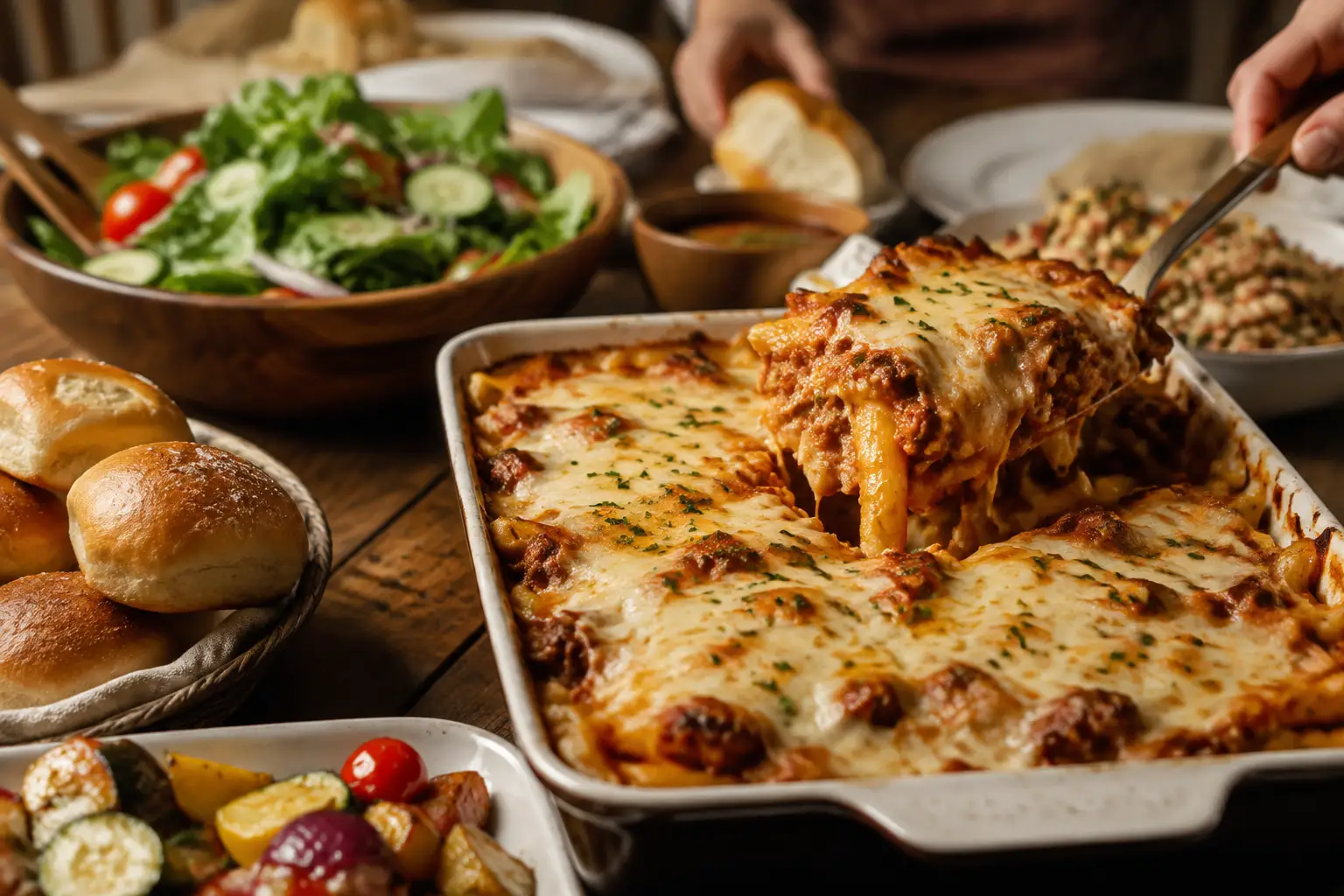
- Baked pasta or lasagna
- Taco or burrito bowls
- Chili, soup, or stew
- Meatballs in sauce
- Sheet pan chicken thighs
- Casseroles
- Sandwich or slider trays
Good party side dishes include:
- Pasta salad
- Potato salad
- Coleslaw
- Roasted vegetables
- Baked beans
- Macaroni and cheese
- Rice pilaf
- Dinner rolls
- A large chopped salad with dressing served separately
Be careful with recipes that need last-minute frying, individual plating, constant stirring, or very short cooking windows. A dish that is wonderful for four people may be frustrating for 30.
Use a Simple Party Menu Formula
If menu planning makes you freeze, use a basic formula: one build-your-own main, two sides, one fresh item, and one make-ahead dessert.
For example, a taco bar can include seasoned beef or chicken, tortillas, rice, beans, lettuce, cheese, salsa, and sour cream. Guests build their own plates, and most of the food can be prepared before anyone arrives.
Other easy party food ideas include:
- Pulled pork sandwiches, coleslaw, baked beans, and brownies
- Baked ziti, Caesar salad, garlic bread, and sheet cake
- Chili bar, cornbread, chopped salad, and cookies
- Slider trays, potato wedges, vegetable platter, and bars
- Mediterranean chicken bowls, rice, cucumber salad, hummus, and lemon cake
Build-your-own meals also help with preferences. Guests can skip toppings they do not like, and you do not have to prepare several separate dinners.
Make a Cooking Timeline
A written timeline is one of the best ways to stay calm. Work backward from the time you want to serve the meal.
One to Two Weeks Before
- Confirm the guest list.
- Ask about allergies and dietary needs.
- Choose the menu.
- Check that you have enough plates, cups, utensils, chairs, and serving dishes.
- Order any meat, bakery items, or party supplies that may sell out.
- Make room in the refrigerator and freezer.
Three to Five Days Before
- Buy shelf-stable groceries, drinks, paper goods, and cleaning supplies.
- Make freezer-friendly desserts.
- Prepare sauces, dressings, spice mixes, and dips that keep well.
- Label serving platters with notes showing what goes in each one.
One to Two Days Before
- Buy fresh produce, bread, dairy products, and ice if you have storage room.
- Wash and cut sturdy vegetables.
- Assemble casseroles.
- Cook foods that reheat well.
- Set the table or arrange the buffet.
- Chill drinks.
The Morning of the Party
- Finish cold salads and desserts.
- Prepare toppings and garnishes.
- Set out empty serving dishes and utensils.
- Fill slow cookers and start long-cooking recipes.
- Write the final cooking schedule where you can see it.
One Hour Before Guests Arrive
- Clear and clean the kitchen sink.
- Empty the dishwasher and trash can.
- Put drinks in a separate area.
- Warm foods according to the schedule.
- Place cold foods in the refrigerator until serving time.
- Get dressed before the final rush.
Work Backward From Serving Time
Write down the serving time, then list the finish time for every hot dish. Add resting time, oven preheating, and the time needed to move food into serving dishes.
If dinner is at 6:00 p.m. and a casserole bakes for 45 minutes, do not simply put it in the oven at 5:15. The oven may need 15 minutes to preheat, and you may need another 10 minutes to uncover, garnish, and carry it to the table. Start earlier and give yourself a cushion.
I also mark which appliance cooks each dish. A plan can look perfect on paper until three recipes all need the oven at different temperatures. Assign some food to a slow cooker, grill, stovetop, air fryer, or room-temperature serving tray so one appliance is not doing all the work.
Do Not Double Every Recipe in One Bowl
Scaling recipes for a crowd takes more thought than multiplying every number by two or three. Seasonings, thickeners, and cooking times may not scale evenly.
For baked goods, make separate batches unless the recipe has been tested at a larger size. Overfilled mixing bowls can lead to uneven batter, and home mixers may not handle the extra weight.
For soups, sauces, and casseroles, increase salt and strong seasonings gradually. You can always add more. Taste after the dish has simmered because flavors change as liquid reduces.
Large pans may need more time in the oven, but two smaller pans often cook more evenly and are easier to store, carry, and serve. Smaller pans also let you refill the buffet with hot food instead of placing everything out at once.
Prep Ingredients in Groups
Instead of completing one recipe from beginning to end, group similar prep jobs together.
- Wash all produce at once.
- Chop all onions together.
- Shred all cheese in one session.
- Measure seasonings into labeled containers.
- Prepare all garnishes and toppings.
- Mix cold sauces and dressings.
This cuts down on repeated cleanup and helps you see whether anything is missing. Store each prepared ingredient in a labeled container or zip-top bag with the recipe name.
Label Everything
Labels save more time than you might expect. Mark containers with the dish name and any finishing instructions, such as “Bake at 350°F for 40 minutes” or “Add dressing before serving.”
You can also place a sticky note in each empty serving dish. Write what it will hold and which utensil it needs. When someone asks how they can help, they can match the food to the correct bowl without asking five more questions.
Label allergy-friendly dishes clearly and give them separate serving utensils. If a guest has a serious food allergy, talk with them before the party about ingredients and cross-contact. A label alone does not make a shared buffet safe.
Use Your Oven Space Wisely
Your oven is usually the busiest part of party cooking, so plan its schedule before cooking day.
Choose recipes with similar baking temperatures when you can. Many casseroles, roasted vegetables, and baked pasta dishes can cook near 350°F to 400°F. A small temperature change may be fine for a forgiving dish, but check it early and cook until it reaches the right texture and safe internal temperature.
Avoid packing the oven too tightly. Hot air needs room to move. Crowded pans may cook slowly or brown unevenly. Rotate pans from front to back and swap racks if needed.
Remember that a full oven may take longer to return to temperature after the door opens. Use a separate oven thermometer if your oven runs hot or cold.
Keep Hot Food Hot and Cold Food Cold
Food safety matters even more when dishes sit on a buffet. Keep hot foods at 140°F or warmer and cold foods at 40°F or colder. Perishable food should not stay at room temperature for more than two hours, or more than one hour when the temperature is above 90°F.
Slow cookers, warming trays, chafing dishes, and covered pans can hold hot food. Ice-filled trays or bowls can keep cold dishes chilled. Put out smaller portions and refill them from the refrigerator or oven instead of leaving the entire batch on the table.
Use a food thermometer for meat, casseroles, and reheated dishes. Do not rely only on color or steam.
Set Up the Buffet for Better Traffic
A good buffet setup keeps guests moving and prevents a crowd from forming in the kitchen.
Place plates at the beginning, then arrange food in this order:
- Salads and lighter sides
- Main dishes
- Heavier sides
- Sauces and toppings
- Napkins and utensils
Put utensils at the end so guests do not have to carry them while serving food. Place drinks away from the food table because people spend more time pouring beverages and adding ice. Keep desserts covered in another area until later.
If you are serving a very large group, allow guests to reach the buffet from both sides or create two matching serving stations.
Make Drinks Self-Serve
You do not want to spend the party filling glasses. Set up water, iced tea, lemonade, canned drinks, or another simple beverage station where guests can help themselves.
Provide:
- Cups or glasses
- Ice and a scoop
- Water
- Two or three drink choices
- A marker or cup labels
- A small trash can or recycling bin nearby
Skip a long list of drink choices unless someone else is managing them. More choices mean more ice, glassware, mixers, and cleanup.
Ask for Specific Help
When someone says, “What can I do?” give them one clear job. Vague requests usually create more questions.
Useful jobs include:
- Fill the water pitcher.
- Put ice in the drink tub.
- Carry this salad to the table.
- Slice the bread.
- Refill the napkins.
- Watch the oven timer.
- Pack leftovers after dinner.
If guests are bringing food, assign categories instead of saying “bring anything.” Ask one person for a salad, another for bread, and another for dessert. Confirm serving sizes and whether their dishes need oven or refrigerator space.
Keep the Final Hour Simple
The last hour should be for heating, tossing, garnishing, and placing food on the table. It should not include chopping three pounds of vegetables or making a dessert from scratch.
Limit last-minute tasks to three or four short jobs. If a menu requires more, move some work earlier or replace a dish with an easier choice.
This is also the time to stop trying to make everything perfect. A slightly uneven tray of rolls will not ruin the party. Warm food, enough seating, and a relaxed host matter more than matching serving bowls.
Plan for Dietary Needs Without Making Separate Meals
You can often meet several dietary needs with one flexible menu. A taco bar, grain bowl station, baked potato bar, or salad bar lets guests choose what works for them.
Keep sauces, cheese, nuts, croutons, and dressings on the side. Offer at least one filling item for guests who do not eat meat, such as beans, lentils, roasted chickpeas, eggs, or a meat-free casserole.
Do not guess about allergies. Read ingredient labels and save the packages so guests can check them. Use clean cookware and separate utensils when cross-contact is a concern.
Have a Leftover Plan Before the Party
Waiting until the end of the night to find containers makes cleanup harder. Set out containers, foil, labels, and bags before guests arrive.
Refrigerate perishable leftovers within two hours. Divide large amounts into shallow containers so they cool more quickly. Label them with the dish and date.
Decide which foods you want to keep and which you are happy to send home. If you want guests to take leftovers, buy inexpensive containers that do not need to be returned.
Common Party Cooking Mistakes
Making Too Many Dishes
More food does not always make a better meal. A shorter menu cooked well is easier to serve and usually creates less waste.
Trying Too Many New Recipes
One new dish can be fun. An entire menu of untested recipes adds risk. Use recipes you know for the main parts of the meal.
Forgetting Refrigerator Space
Groceries, prepared trays, drinks, and leftovers all need room. Clear the refrigerator early and use coolers for sealed drinks when needed.
Planning Every Dish for the Oven
Spread the work across appliances and include cold or room-temperature dishes.
Cooking Everything at the Last Minute
Make-ahead food is the backbone of calm party cooking. If a dish can be chopped, mixed, baked, or chilled early, do it.
Forgetting Serving Tools
Every dish needs the right spoon, tongs, knife, or ladle. Match them to the serving dishes before the party.
Putting All the Food Out at Once
Small trays stay fresher and are easier to keep at safe temperatures. Refill as needed.
A Sample Menu for 20 People
Here is one practical menu for a casual gathering of 20 adults:
- 8 to 10 pounds raw boneless chicken for sandwiches or bowls
- 20 to 24 buns, or enough rice for 20 servings
- One large pan of baked macaroni and cheese
- One large bowl of coleslaw or chopped salad
- One vegetable tray with dip
- 24 brownies or cookies
- Water, iced tea, and one other drink
Prepare the dessert and sauce two days early. Chop salad ingredients and assemble the macaroni and cheese one day early. Cook the chicken in slow cookers or roast it the morning of the party. Bake the macaroni and cheese before serving, then use the warm oven for bread if needed.
This menu gives guests choices without forcing you to manage a dozen separate recipes.
My Best Tips for Cooking for a Large Group
- Write everything down. Do not trust yourself to remember seven timers and five finishing steps.
- Buy extra ice. It disappears faster than expected.
- Make one item easier. Store-bought bread, a bakery dessert, or a prepared vegetable tray can protect your time.
- Keep one counter clear for finished dishes.
- Empty the dishwasher before guests arrive.
- Use more than one timer and label each one.
- Taste food before serving, especially large batches.
- Keep backup food simple. Extra rolls, chips, fruit, or a frozen appetizer can cover an unexpected guest.
- Sit down and eat. You are part of the party too.
More Recipes to Try
If you are planning a party, holiday dinner, or game day gathering, these easy recipes are great choices for feeding a group:
- Slow cooker BBQ pulled pork
- Crockpot Italian meatball sliders
- Loaded potato skins
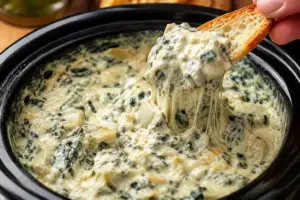
- Slow cooker spinach dip
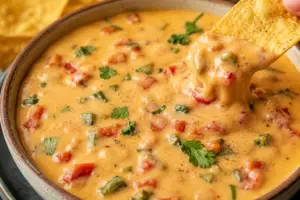
- Chili cheese dip
- Italian grinder sliders
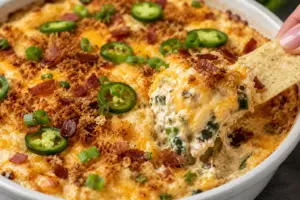
- Jalapeño popper dip
- Mexican stuffed peppers
Final Thoughts on Cooking for a Crowd
Cooking for a crowd becomes much easier when the plan protects your time. Start with an honest guest count, choose food that can wait, prepare as much as possible early, and give every oven rack and serving dish a job.
Your guests are coming to eat, talk, and spend time together. They are not expecting restaurant service. A simple menu, served safely and on time, will feel generous without keeping you trapped in the kitchen.