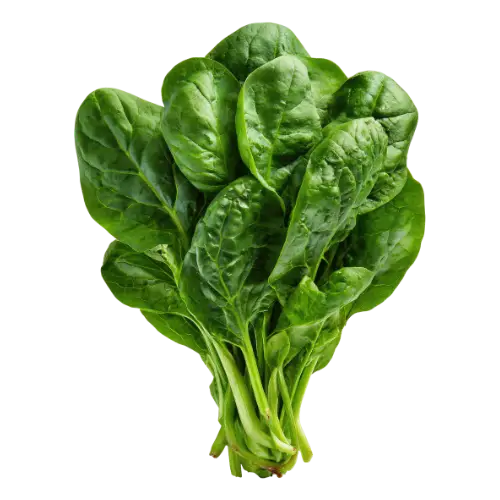
Baby spinach, mature spinach, and frozen spinach all work in different applications. Baby spinach (small tender leaves) is the right choice for raw salads and brief wilting; the leaves disappear into hot dishes within 1-2 minutes. Mature spinach (larger, thicker leaves) is the cooked-spinach choice for stronger flavor and texture; needs blanching or longer cooking. Frozen spinach (chopped, dehydrated, pressed into cubes) is the convenience choice for casseroles, dips, and any cooked application; needs thawing and squeezing to remove excess water.
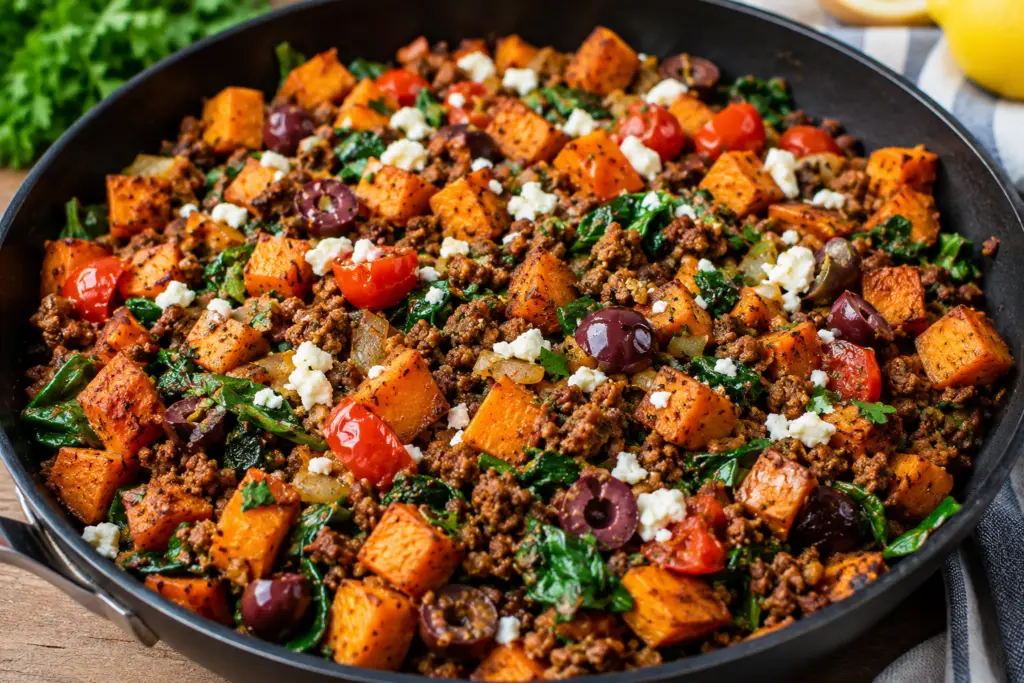
For skillet meals with ground beef and sweet potato, fresh baby spinach goes in at the very end (last 2-3 minutes of cooking) directly from the bag. Stir until the leaves wilt and turn bright green; remove from heat immediately to avoid overcooking. The 5 oz typical container of baby spinach reduces dramatically when wilted, equivalent to about 1 cup cooked.
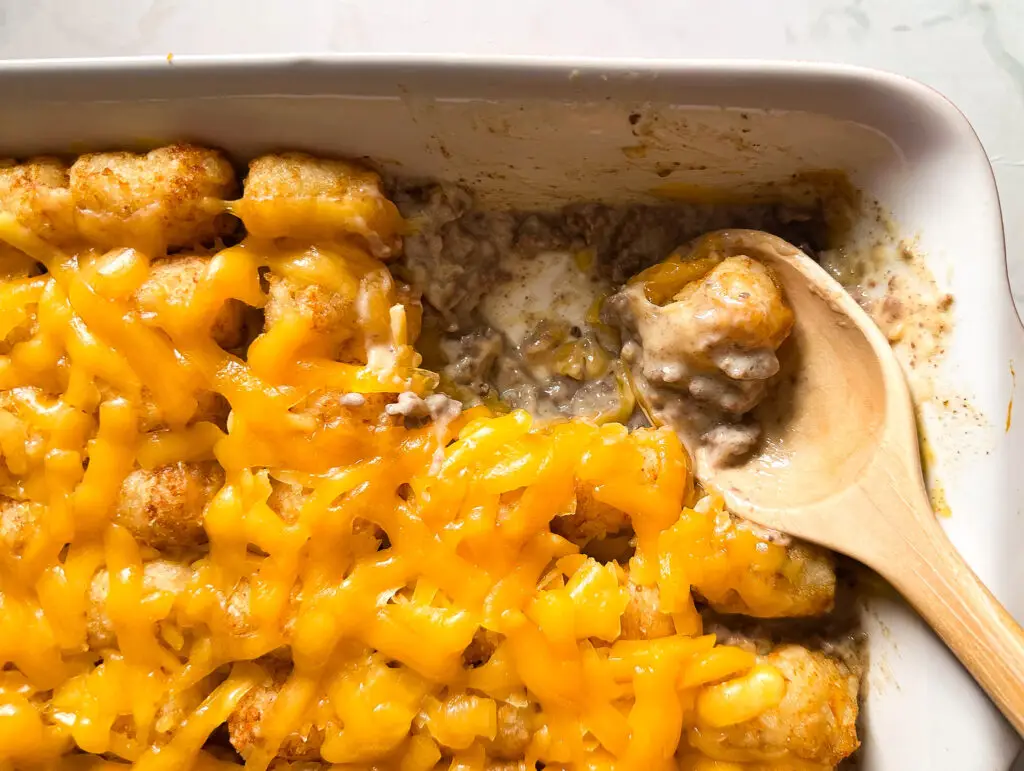
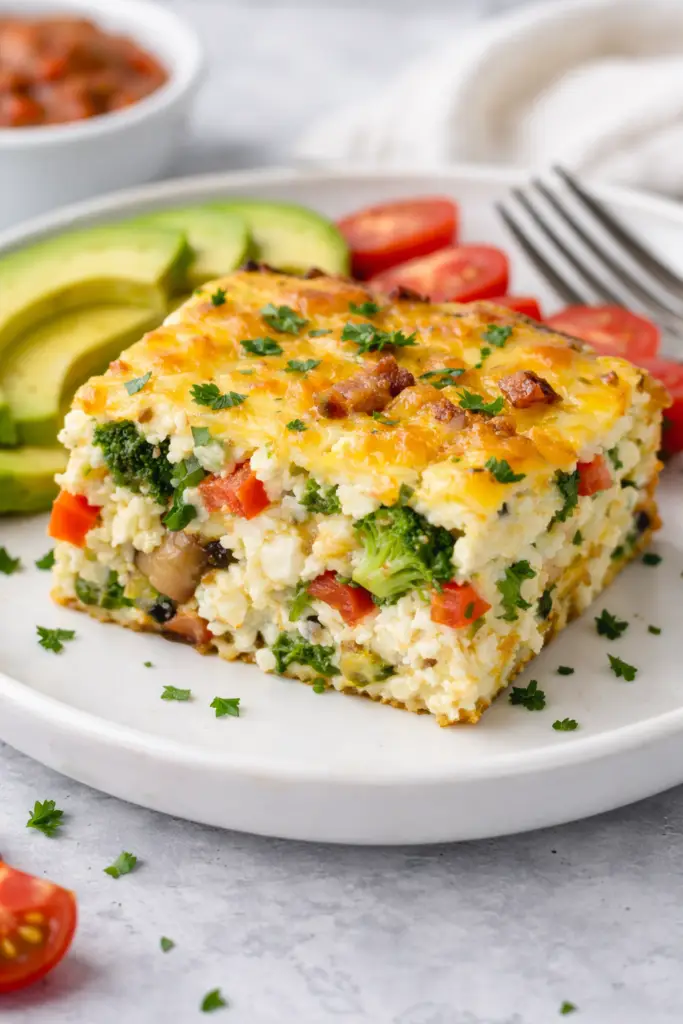
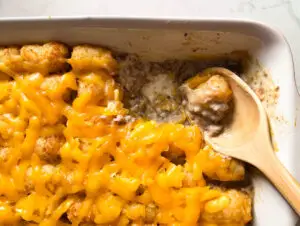
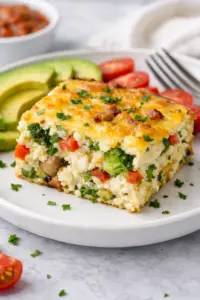
For egg-based bakes, spinach goes into the egg mixture before baking. Squeeze excess water from frozen spinach first (a clean kitchen towel works well); for fresh spinach, briefly wilt in a dry skillet first to release the water that would otherwise make the casserole soggy. Pairing with feta cheese (seen in Chicken Shawarma Bowls and 10 Minute Shakshuka) and garlic (such as in Ground Beef and Tater Tot Casserole and The Best Sheperds Pie) produces the Greek-inspired savory egg bake.
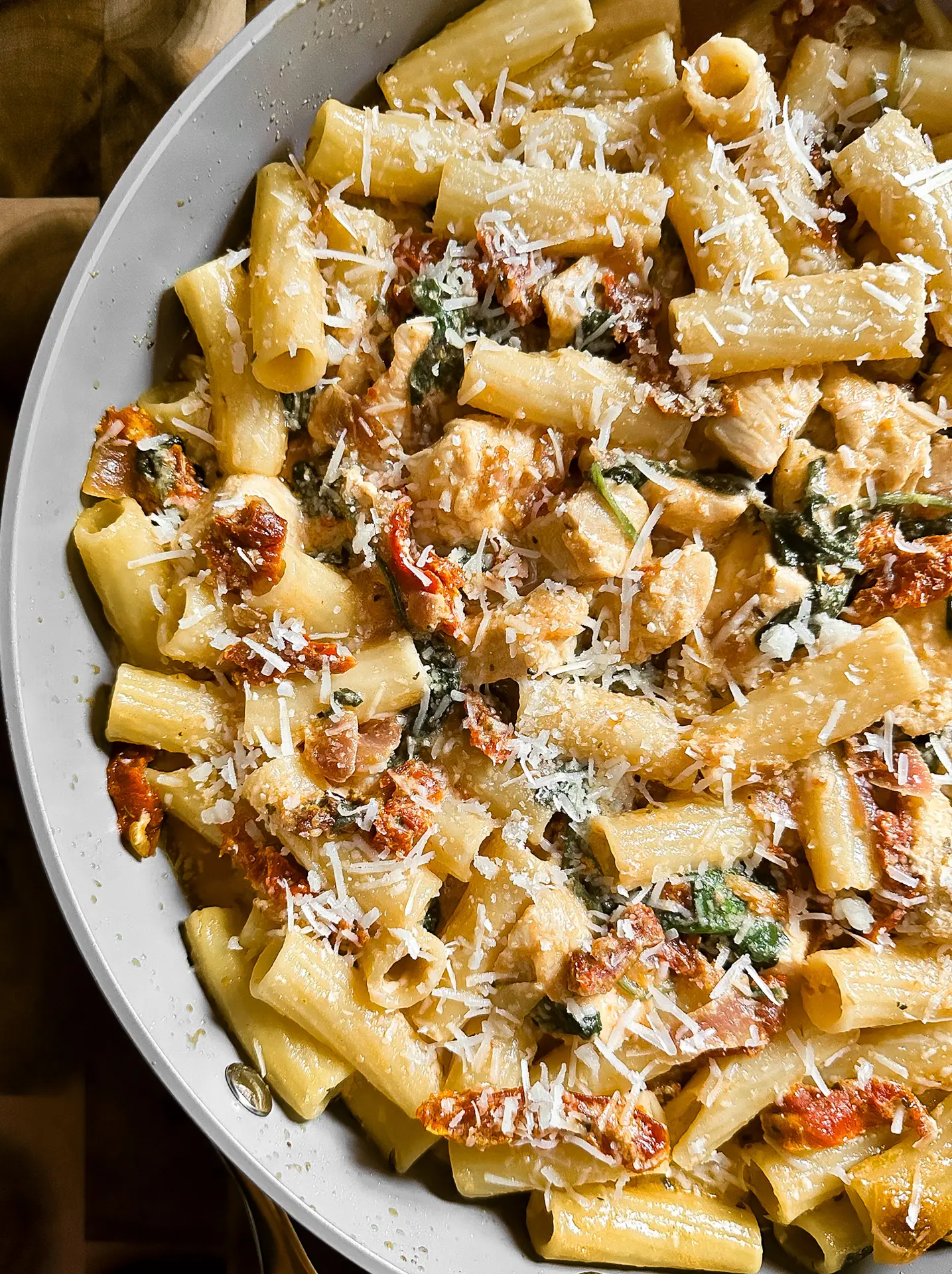
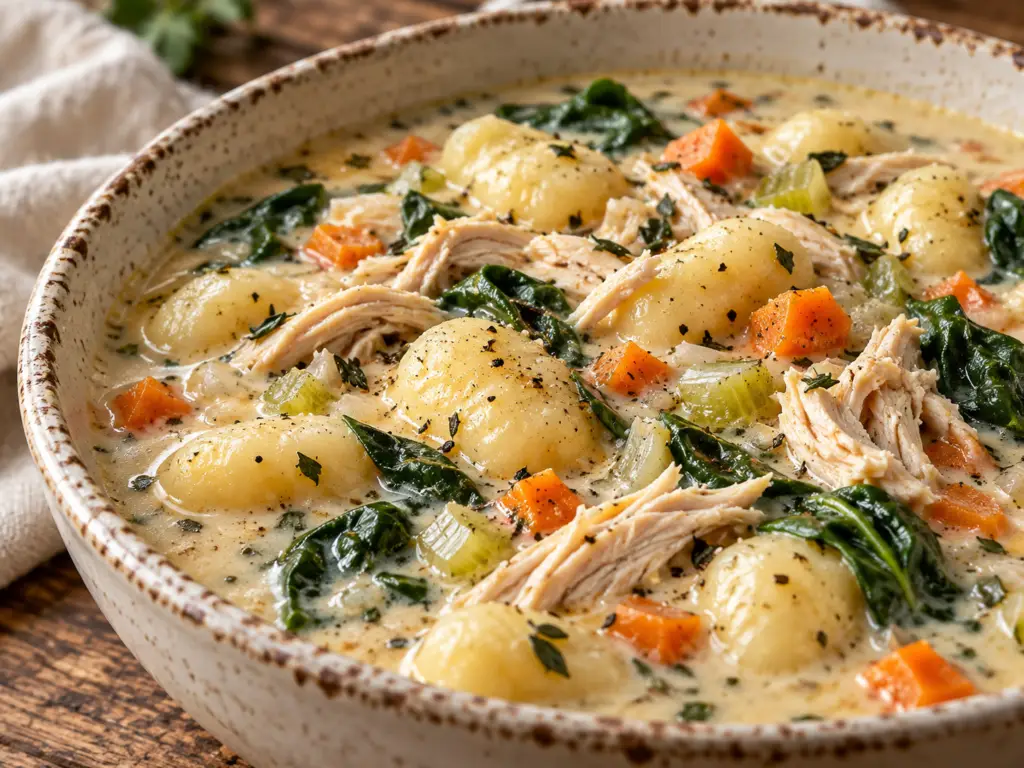
For Tuscan-style pasta dishes, fresh spinach goes into the cream sauce along with sun-dried tomato and parmesan cheese (as in Chicken Cordon Bleu Casserole and Crispy Baked Chicken Cutlets) during the last few minutes of cooking. The cream coats the spinach as it wilts, producing a silky, integrated sauce rather than separate sauce-and-vegetable components.
For salads, baby spinach holds up well to dressing and toppings without wilting immediately. The standard salad is 5 oz baby spinach + 1/2 cup crumbled feta + 1/4 cup chopped red onion + 1/4 cup toasted walnut (used in Banana Bread Overnight Oats and Eggless Banana Muffins) + 2 tablespoons vinaigrette, served immediately. Pre-washed bagged baby spinach saves the rinsing step and works fine for most home applications.
For storage, fresh baby spinach keeps 5-7 days refrigerated in the original bag (the modified atmosphere packaging extends shelf life). Once opened, transfer to a paper-towel-lined container to absorb excess moisture. Discard any leaves that turn slimy or yellow. Frozen spinach keeps 8-12 months in the original packaging.