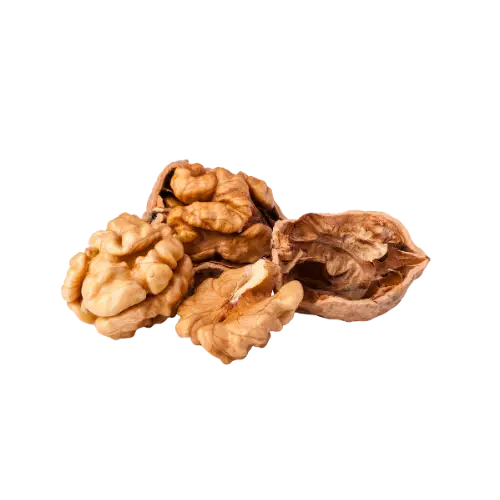
English walnuts and black walnuts (American native variety) are different products with different flavor profiles. English walnuts are milder, sweeter, more available, and the right choice for most baking. Black walnuts are stronger-flavored, more bitter, harder to crack, and more expensive; they’re a regional specialty with a passionate Midwestern following.
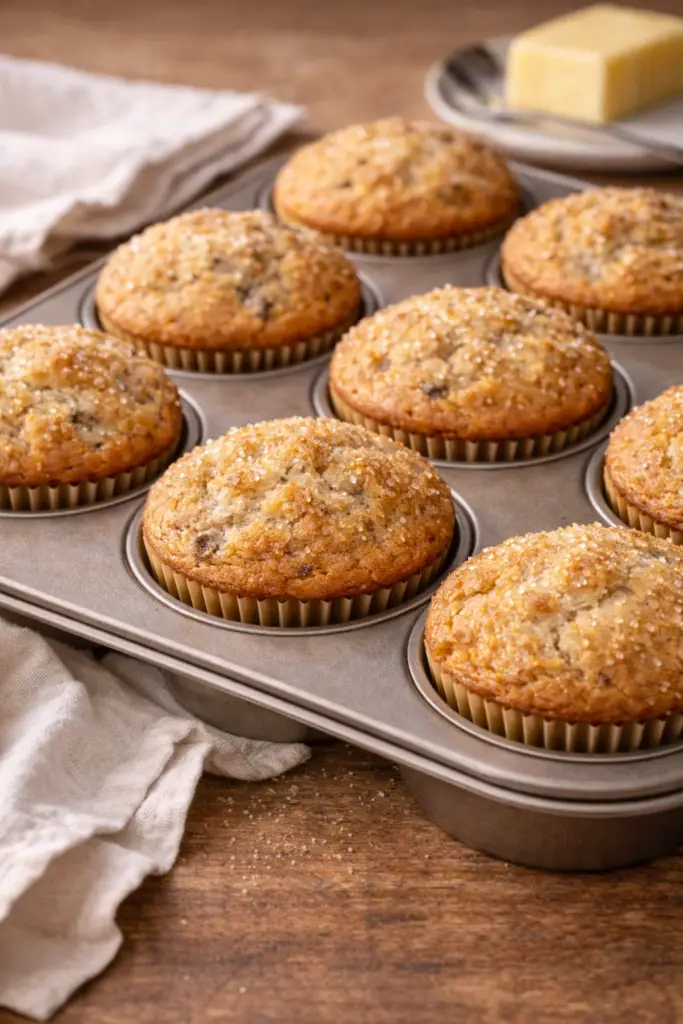
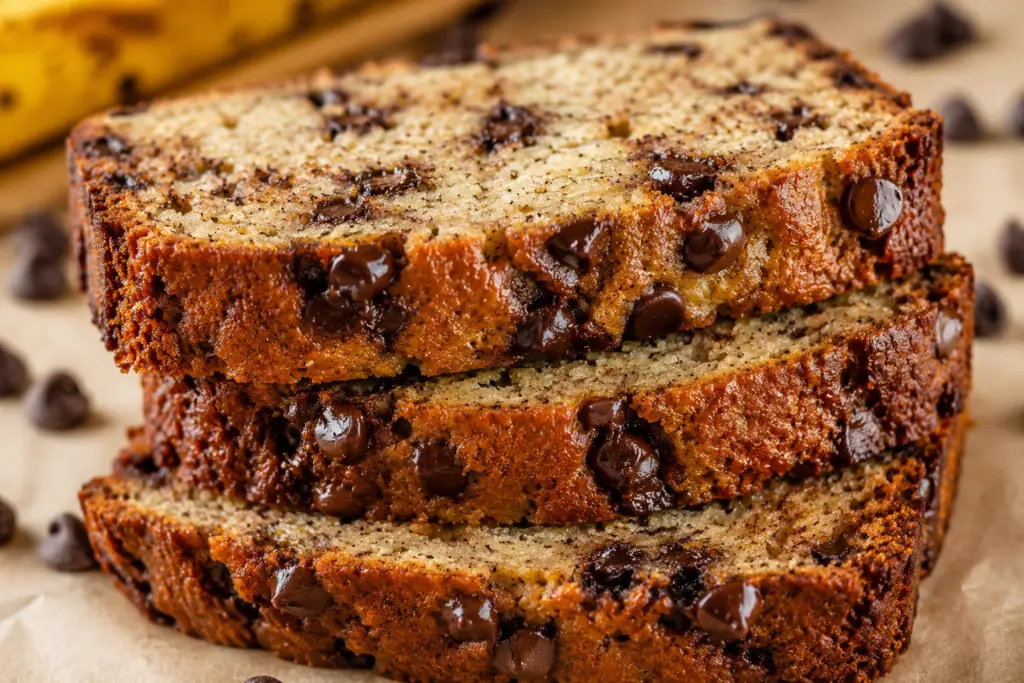
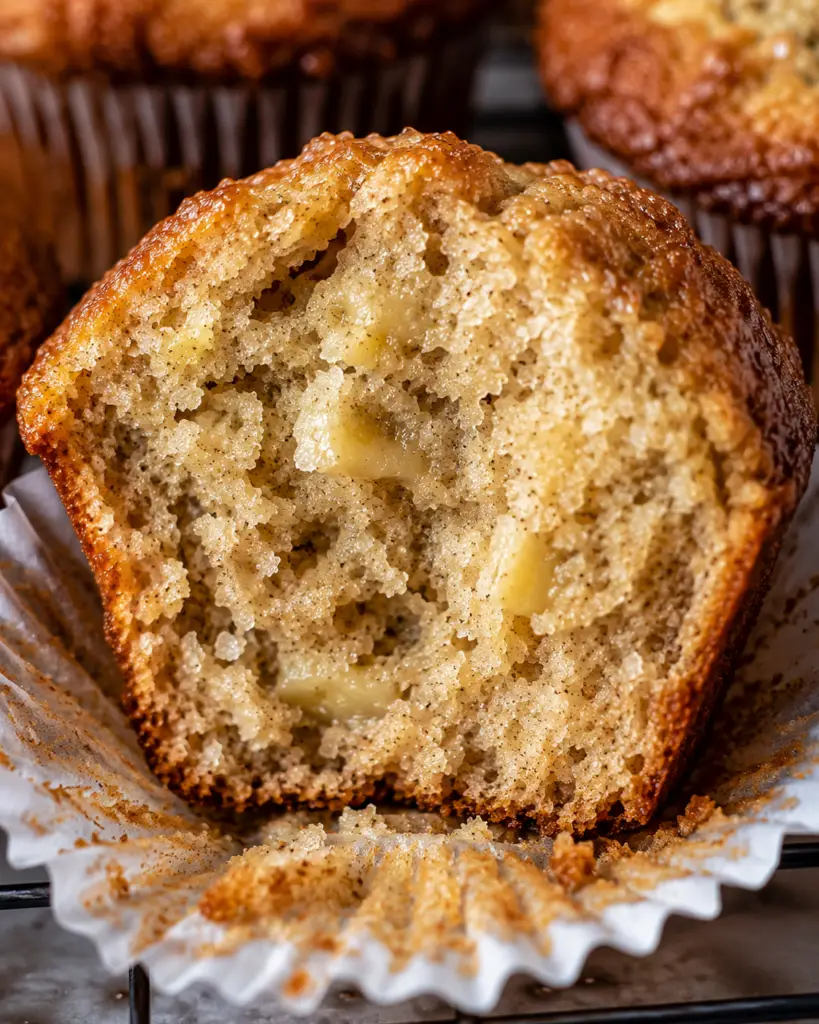
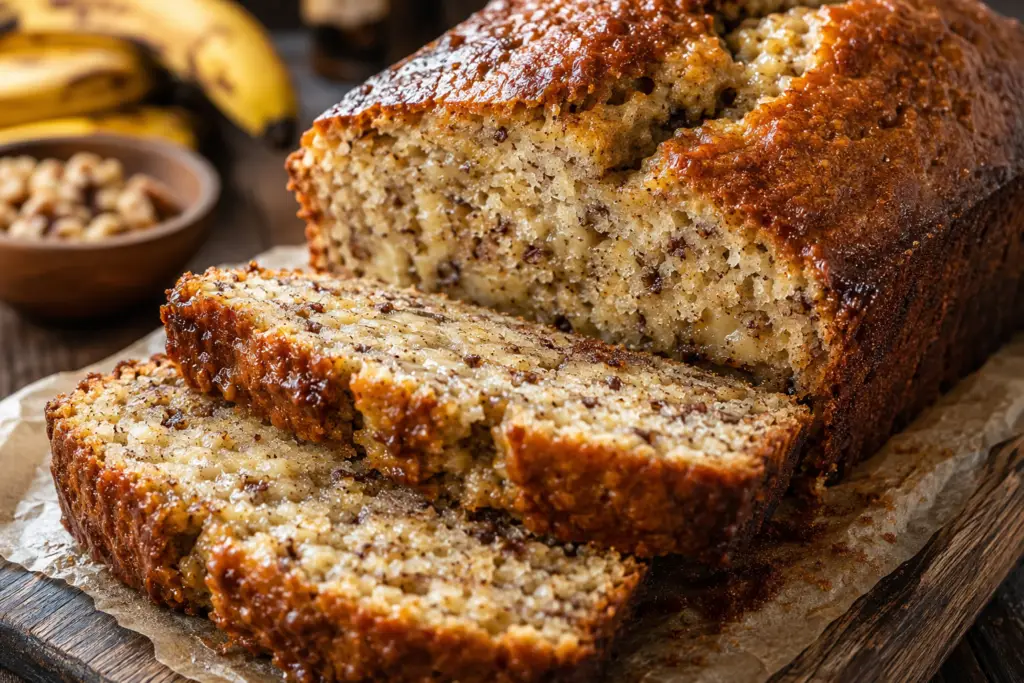
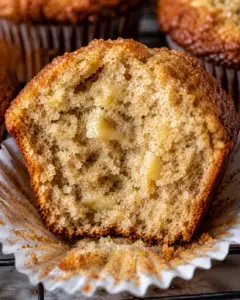
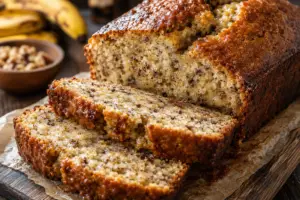
For banana bread applications, the standard ratio is 1/2 to 3/4 cup chopped walnuts per standard loaf or 12-muffin batch. Toasting the walnuts before adding to the batter (300°F for 8-10 minutes on a dry sheet pan) intensifies the flavor noticeably; untoasted walnuts in baked goods taste flatter. Pairing with cinnamon (as in Egg Free Cottage Cheese Muffins and Chocolate Chip Muffins) and vanilla extract (used in Peanut Butter Protein Balls and Viral High Protein Cottage Cheese Breakfast Jars) in the batter produces the homestyle banana bread flavor.
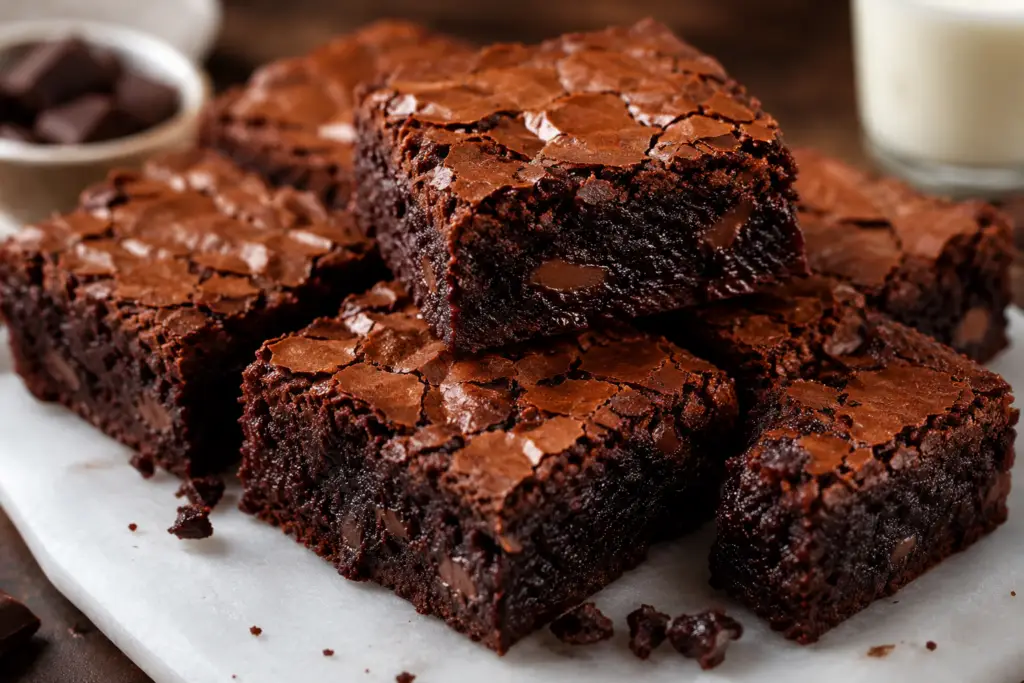
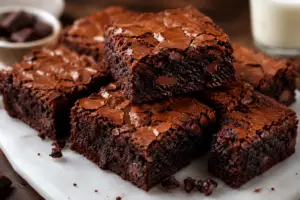
For brownies, walnuts fold into the batter just before pouring into the pan. The 1 cup chopped walnuts per 9×13 pan ratio is the standard; more than that overwhelms the chocolate. Some bakers reserve a handful to sprinkle on top of the batter for visual appeal. Pairing with cocoa powder (seen in Chocolate Banana Overnight Oats and Fudgy Pumpkin Brownies) and chocolate chip (such as in Pumpkin blondies and The Ultimate S’more Cookie Bars) in the brownie batter produces the layered chocolate-and-nut depth.
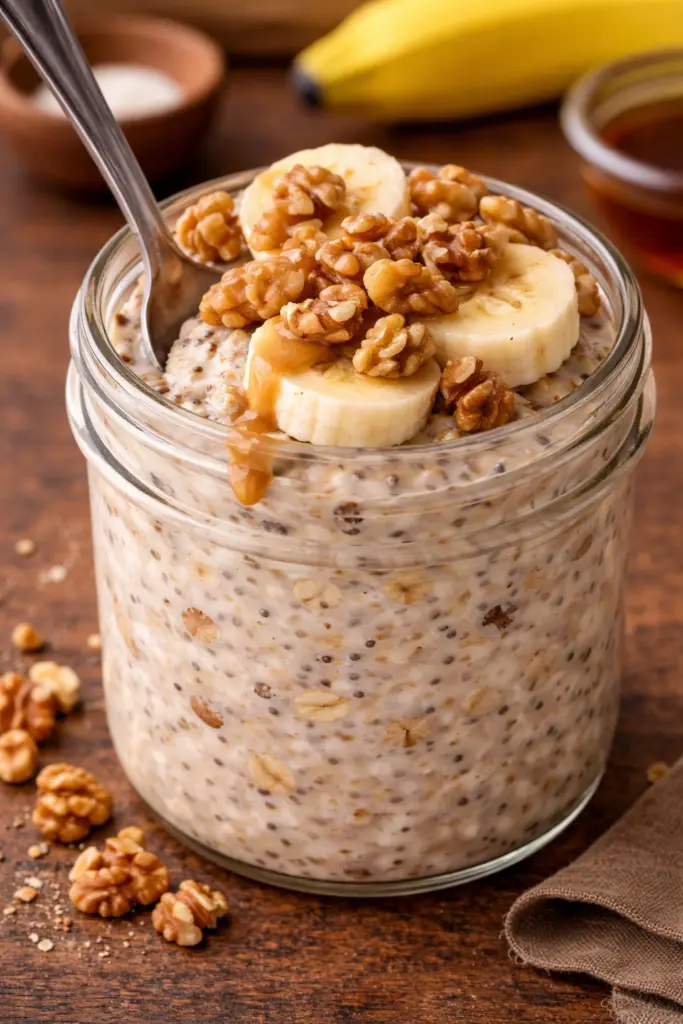
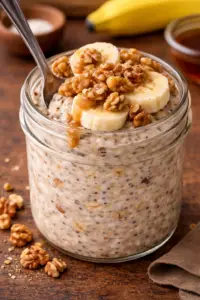
For overnight oats, walnuts can either be stirred in at the start (they soften somewhat) or sprinkled on top in the morning (they stay crunchy). The morning sprinkle is the better choice for textural contrast; the overnight stir-in produces an integrated softer nut bite.
For toasting technique, walnuts toast faster than other nuts because of their high oil content. Watch carefully and pull when the kitchen starts to smell distinctly nutty (around 8-10 minutes at 300°F on a sheet pan). Overcooked walnuts taste burnt and bitter; pull them slightly early since residual heat continues the cooking. Pairing toasted walnuts with maple syrup (as in Cottage Cheese Banana Bread and French Toast Casserole) in granola produces the candied-nut texture that elevates a simple breakfast.
For storage, walnut halves and pieces keep 2-3 months at room temperature, 6 months refrigerated, 12 months frozen in a sealed bag. The high oil content means walnuts go rancid faster than most nuts; rancid walnuts taste paint-like or bitter and should be discarded. Smell-test before using older bags.