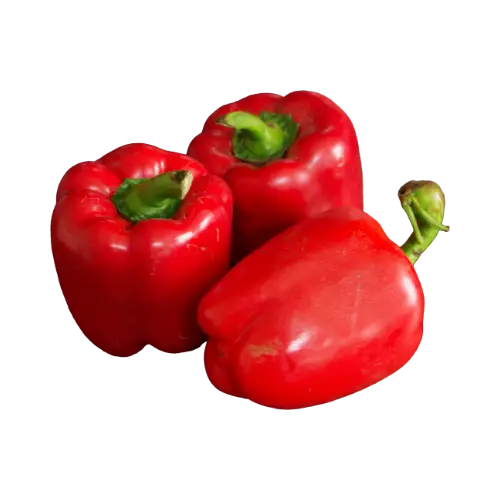
Red pepper as an ingredient covers both red bell peppers (sweet, large, hollow vegetables) and red chile peppers in some recipes, with context determining which is meant. On this site, the tag typically references red bell peppers, the fully-ripened sweeter version of green bell peppers that brings sweetness, color, and vitamin C to savory cooking. The reader favorite built on red bell pepper is Vegan Cauliflower Curry where diced red bell pepper joins the cauliflower, chickpeas, and curry sauce for both color and natural sweetness. Related tags include bell pepper, red bell peppers, and olive oil, the closely associated ingredients commonly paired with this one.


Red bell peppers and green bell peppers are the same vegetable at different ripeness stages. Green peppers are picked early and have a vegetal, slightly bitter flavor. Red peppers are fully ripened, which is what produces the sweetness, the higher vitamin C content (3-4x that of green), and the deeper red color. The cooking properties are similar, but the flavor profile is dramatically different, with the red version working in applications where sweetness is desired and the green version working where vegetal sharpness fits.
For roasted red peppers, the technique unlocks a completely different flavor profile than raw or sautéed. Char the whole peppers directly over a gas flame or under a broiler until the skin is blackened on all sides, then place in a covered bowl to steam for 10 minutes (which loosens the skin), and peel under cold running water. The result is sweet, smoky, jammy roasted peppers that work in pasta sauces, sandwiches, and Mediterranean dips. The roasting can be done in advance and the peppers stored in olive oil for up to 2 weeks refrigerated.
For sautéed and diced applications, red bell pepper contributes color and natural sweetness to savory dishes where the pepper is one of several vegetables. The standard sofrito base (sautéed onion, garlic (seen in Ground Beef and Tater Tot Casserole and The Best Sheperds Pie), red bell pepper, sometimes tomato) is the foundation of Spanish, Cuban, and Puerto Rican cooking, where the sweetened pepper anchors the savory base. The same diced-pepper technique works in stir-fries, curries, and stews; the pepper goes in at the start of cooking with the aromatics and contributes its sweetness throughout the dish. Pairing red bell pepper with smoked paprika (such as in The Best Ground Beef Chili and Cajun Chicken) in a sofrito produces the deeply Mediterranean profile that distinguishes restaurant Spanish cooking from generic home versions.
For storage, fresh red bell peppers keep 1-2 weeks refrigerated in the produce drawer. Wrinkled skin or soft spots indicate aging; the pepper is still usable but should be cooked rather than eaten raw. Cut peppers keep 5-7 days refrigerated in an airtight container. Frozen diced peppers work fine in cooked applications (curries, soups, sauces) but lose their crisp texture for raw applications. Pairing red bell pepper with oregano (as in Chicken Marbella and Homemade Chicken Fries) and balsamic vinegar in a quick roast produces the Mediterranean side dish that pairs equally well with grilled chicken and weeknight pasta.
Red pepper sauce can be made by roasting or sautéing red peppers with garlic and olive oil, then blending them until smooth. The mixture is often simmered with herbs, salt, and a small amount of broth or cream to create a rich sauce. It works well for pasta or roasted vegetables.
Red peppers can be used in stir-fries, roasted vegetable dishes, soups, sauces, and pasta recipes. Their sweet flavor pairs well with garlic, onions, tomatoes, and herbs. They are often sliced and sautéed or roasted to bring out their natural sweetness.
In many recipes, red pepper refers to fresh red bell peppers or other red varieties of sweet peppers. These peppers add color, mild sweetness, and texture to dishes. Some recipes may also use the term for crushed red pepper flakes, which add heat instead.
Red peppers are usually washed, seeded, and sliced before cooking. Remove the stem and inner seeds, then cut the pepper into strips or cubes depending on the recipe. They can then be roasted, sautéed, grilled, or added raw to salads and other dishes.
For more pepper and vegetable color options, see our red onion and yellow onion recipes.