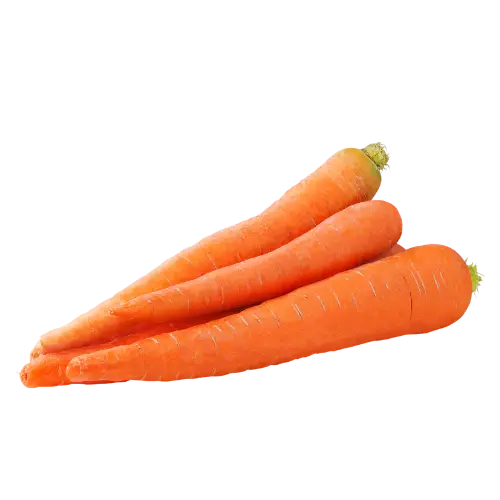
Carrots are one third of the classic French mirepoix (along with onion and celery), the savory-base aromatic combination that anchors stocks, soups, stews, and braises. The standard ratio is 2 parts onion to 1 part each carrot and celery, sweated in olive oil or butter over low heat until softened but not browned. That base produces the deep, layered flavor that distinguishes restaurant soups from thin home versions, and the same base scales from a small saute pan to a 12-quart stockpot with no other adjustments.
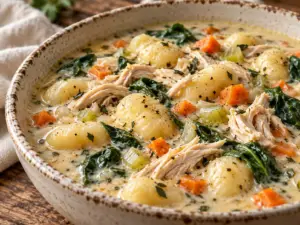
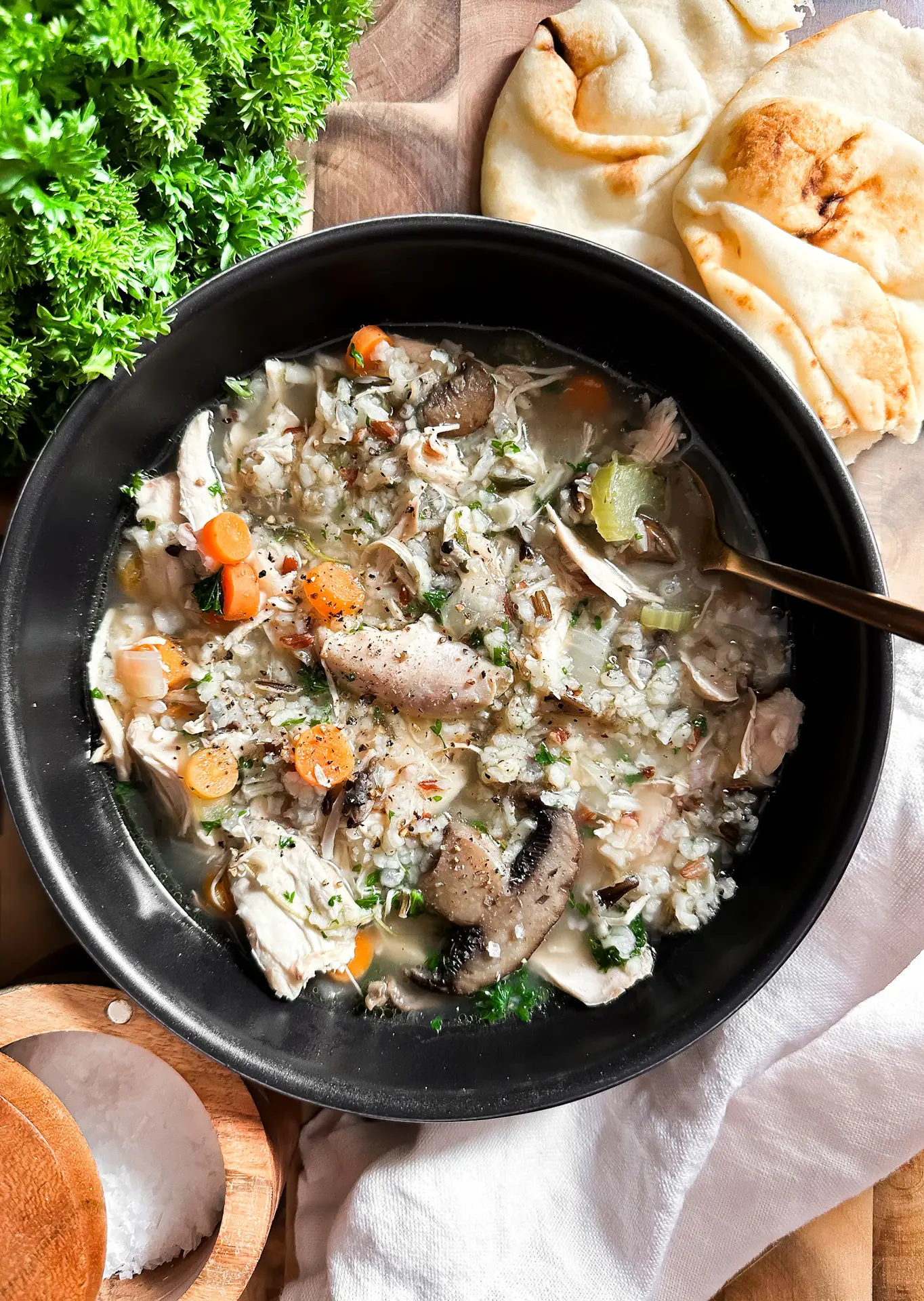
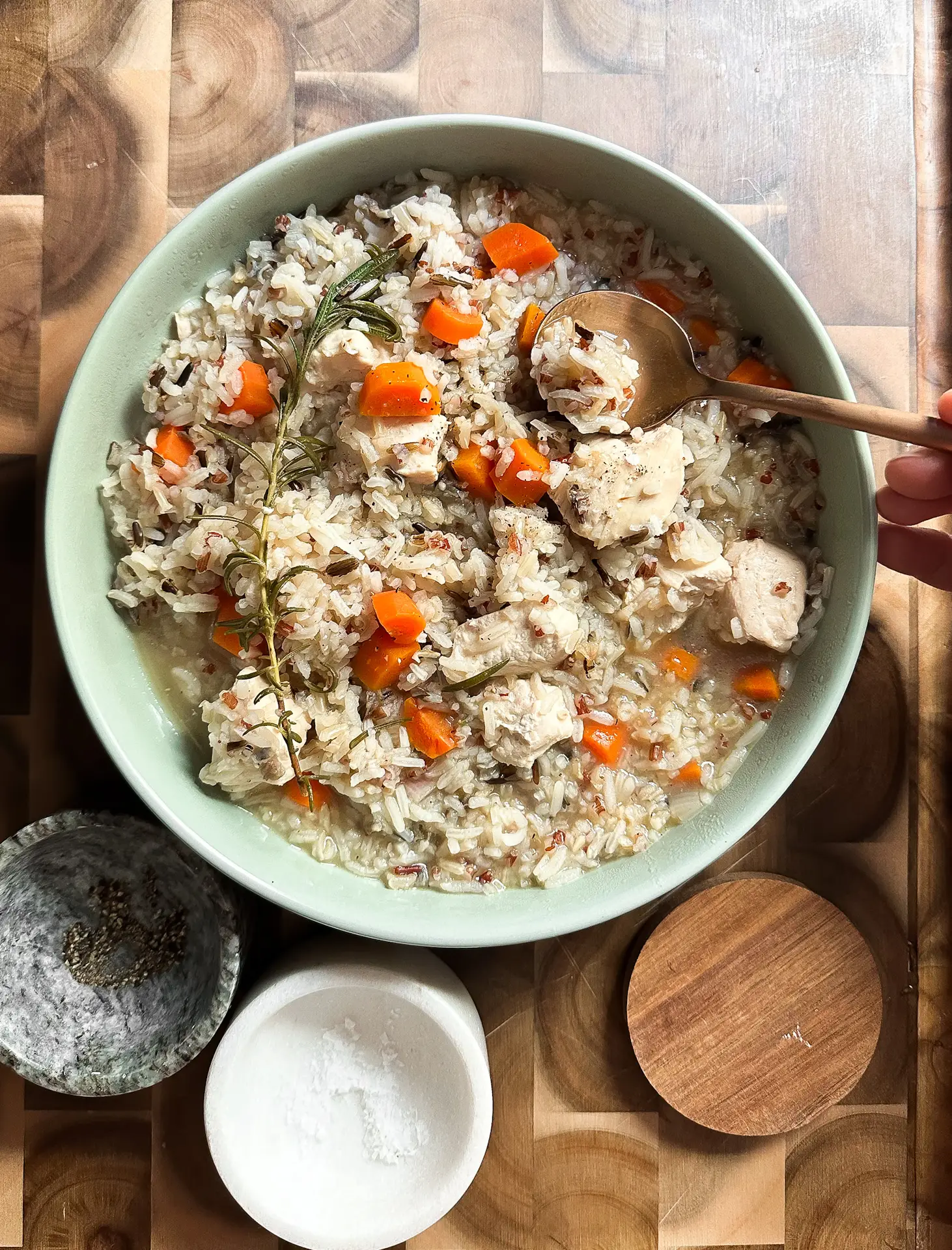
The dice size matters more than most home cooks realize. Small (1/4-inch) dice means the carrots disappear into the broth, contributing flavor but no texture. Medium (1/2-inch) dice keeps carrot pieces identifiable in the finished soup. Large (3/4-inch) chunks work for slow braises where the long cook breaks them down gradually. Creamy Chicken Wild Rice Soup uses medium dice so the carrots stay visible and add bite alongside thyme and the wild rice texture.
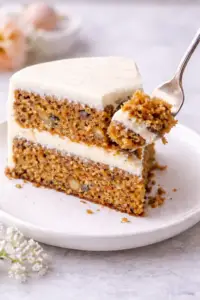
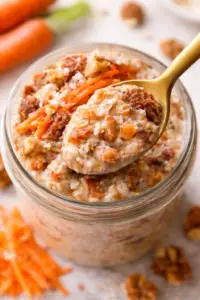
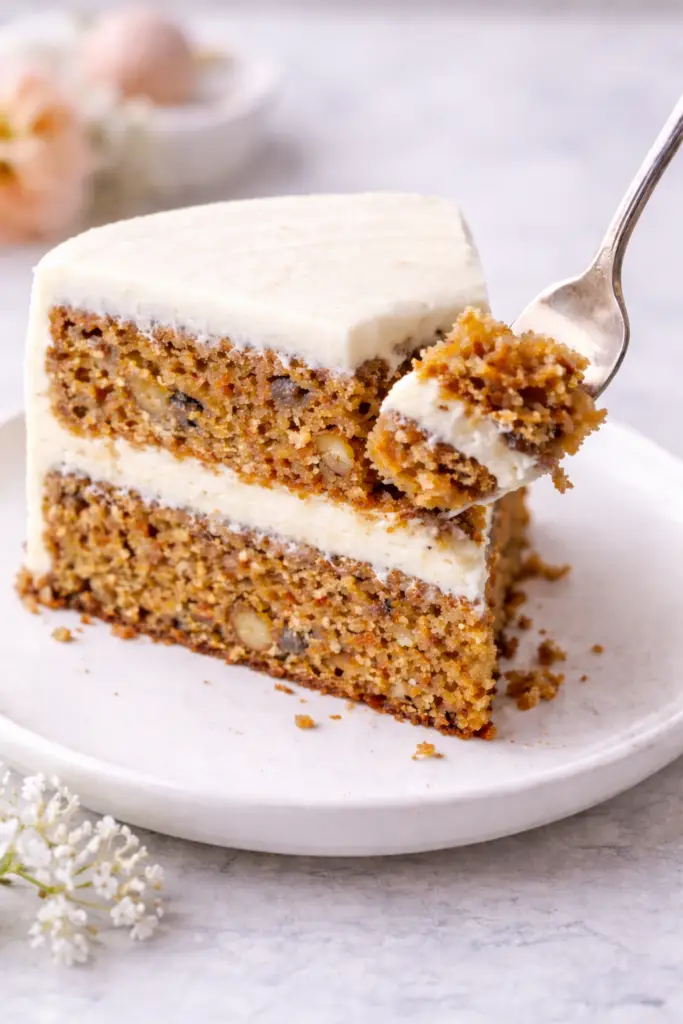
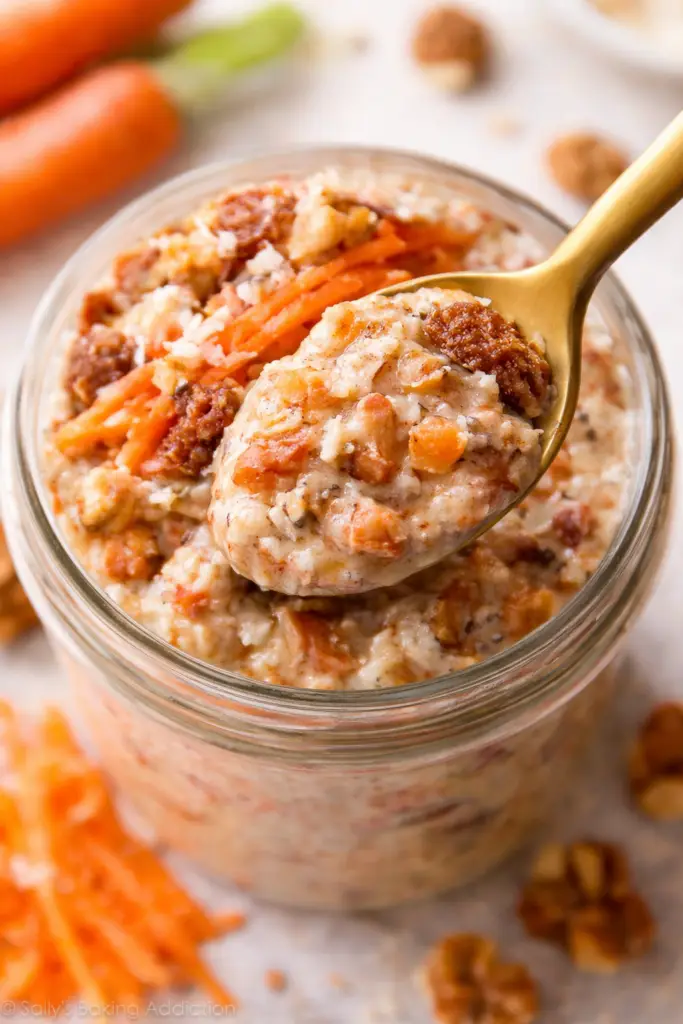
The grated carrot technique is the secret ingredient in moist cakes, muffins, and quick breads. Carrots are roughly 80% water, and grating releases that moisture into the batter during the bake. The result is muffins and cakes that stay tender for 4-5 days instead of drying out within 24 hours. The grated carrots themselves disappear visually during the bake, contributing moisture and natural sweetness without reading as “carrot” in the finished product. The same grated-vegetable principle works with zucchini and other high-water vegetables, especially when paired with cinnamon in spice-forward bakes.
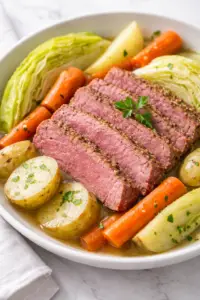
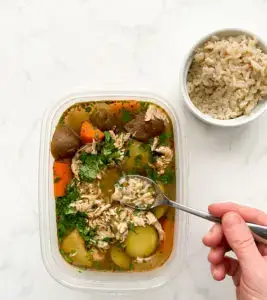
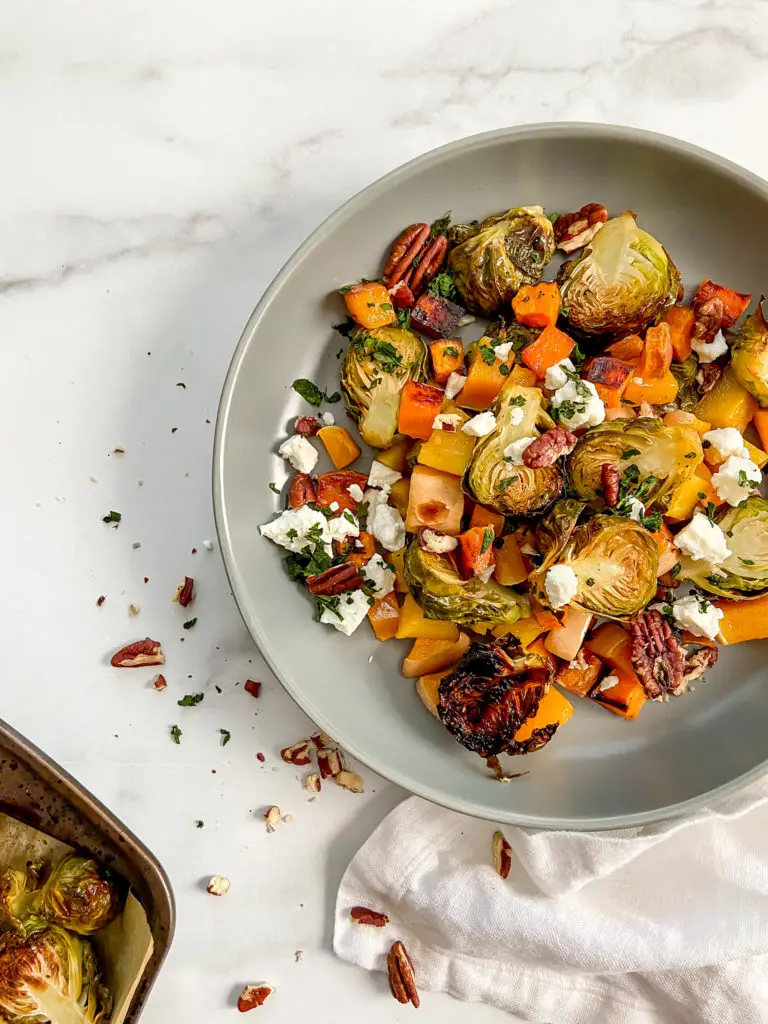
For roasting and finishing applications, carrots caramelize naturally because of their high sugar content. A simple roast at 425°F for 25 minutes with olive oil and salt produces deeply browned, sweet carrots that taste like a completely different vegetable than raw or boiled ones. Caldo de Pollo Mexican Chicken Soup uses carrots in chunks alongside cilantro and lime, producing a different cuisine direction than the European mirepoix base. Pairing the same roasted carrots with warm spices and brown sugar pushes them into a side-dish format that works for Thanksgiving and other dinner contexts.