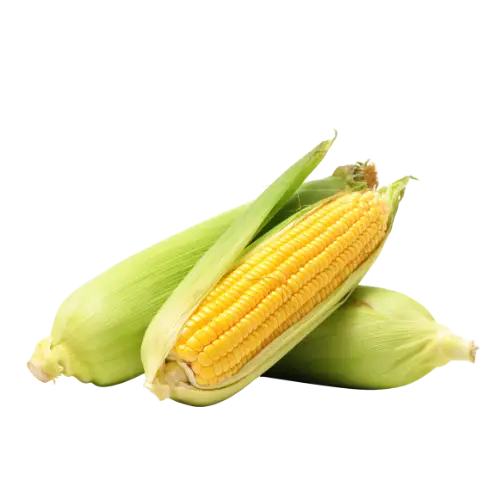
Sweet corn (the eating variety) and field corn (the cornmeal variety) are different cultivars. Sweet corn off the cob works in salads, salsas, soups, and side dishes. Field corn becomes cornmeal, polenta, grits, and tortillas. Most home cooks only need sweet corn fresh or frozen plus cornmeal in the pantry.
For fresh corn, the technique is to shuck, cut kernels off the cob with a sharp knife (a Bundt pan placed upside down catches kernels neatly), and use immediately or freeze for later. One ear yields roughly 3/4 cup kernels. Look for ears with bright green husks, golden silks, and plump kernels right up to the tip. The “milk test” (pierce a kernel with a fingernail and see if milky liquid runs) tells you the corn is at peak sweetness.
For frozen corn, no thawing is needed for most applications. Drop directly into soups, stews, and stir-fries. For salads where texture matters, thaw and drain first to avoid excess liquid. Frozen corn keeps 8-10 months and is often picked closer to peak sweetness than supermarket fresh corn in the off-season.
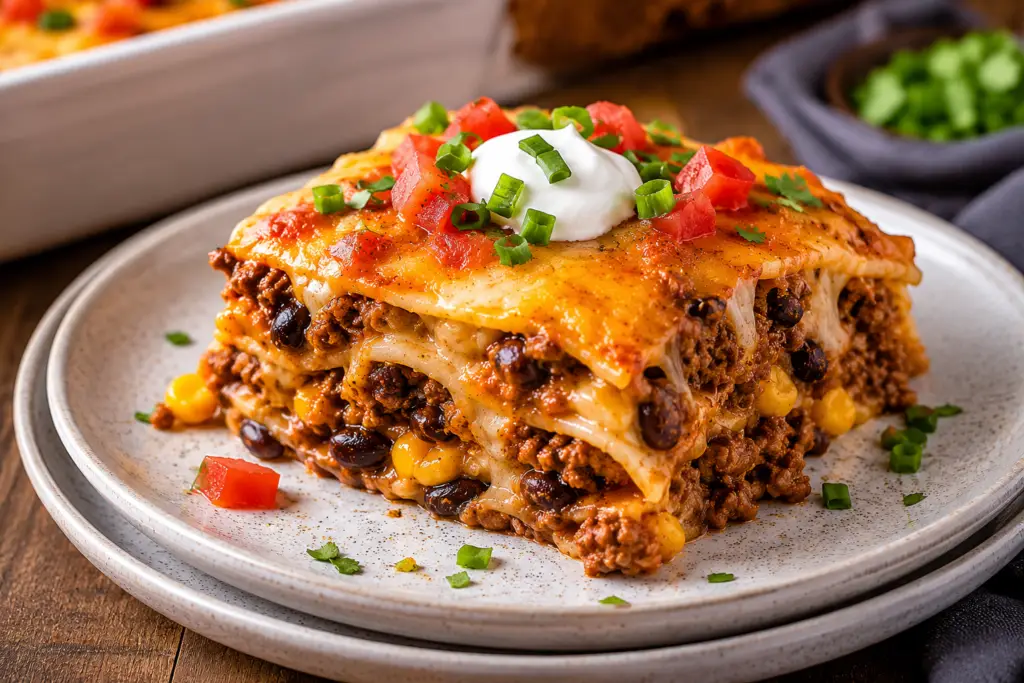
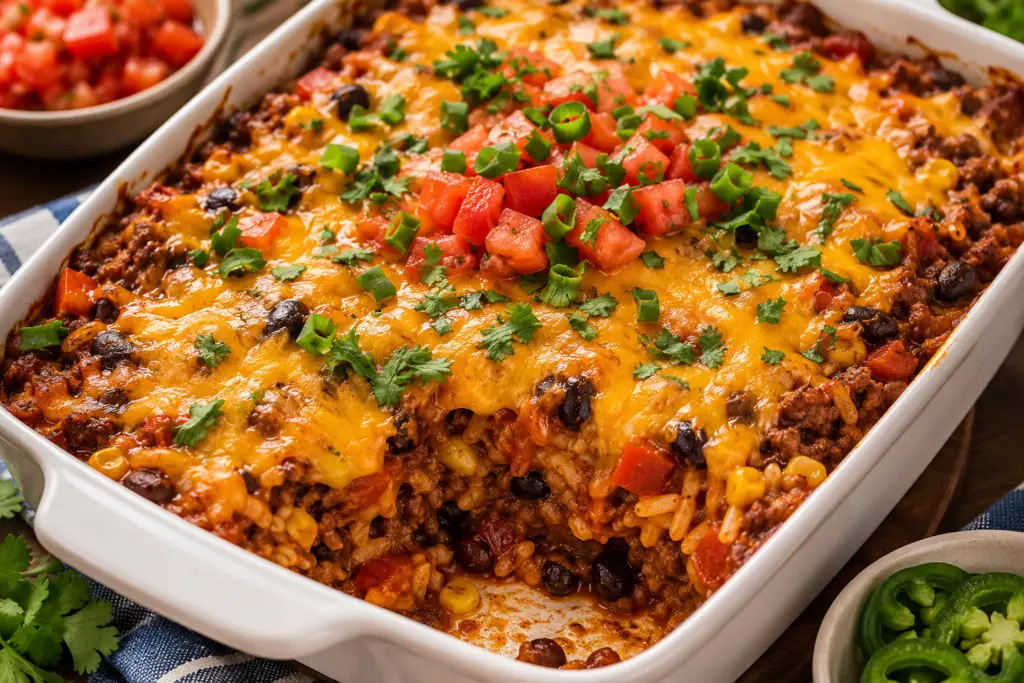
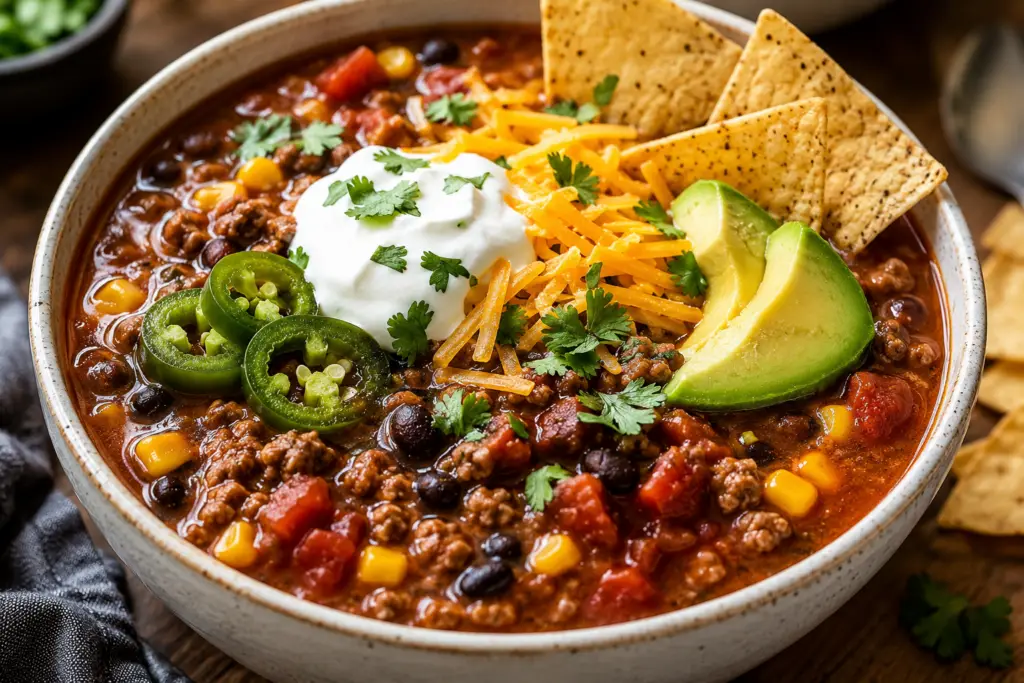
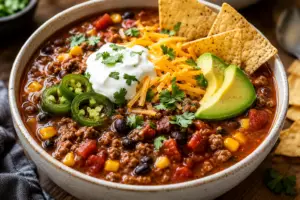
For canned corn, the convenience choice contains added sodium and sugar in most brands. For applications where corn is one of many ingredients (taco soup, chili, casseroles), canned is fine. For salads and side dishes where corn is featured, fresh or frozen tastes better.
For Mexican street corn (elote), the technique is to grill or char whole ears until blackened in spots, brush with mayo + crema mixture, sprinkle with cotija cheese, chili powder, lime juice, and chopped cilantro. The grilled-and-coated combination is the canonical Mexican corn preparation; off-the-cob versions (esquites) serve the same flavor profile in a bowl with a spoon.
For corn salsa and relish, fresh or grilled corn kernels combine with diced red onion, jalapeño, bell pepper, lime juice, cilantro, and salt. The standard ratio is 2 cups corn + 1/4 cup each chopped vegetables. Serve with tortilla chips or as a topping for grilled fish, tacos, or salads.
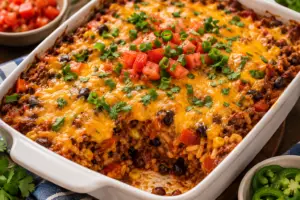
For corn pudding and corn casseroles (the Southern Thanksgiving sides), the standard recipe combines 2 cups corn kernels with 1 can creamed corn, 1 cup sour cream, 2 eggs, 1 box cornbread mix, baked at 350°F for 45-50 minutes until set in the center. For a from-scratch alternative, The Best Sweet Potato Cornbread and Best Southern Style Jalapeno Cornbread both showcase how corn-based bakes carry the kernel flavor.
For storage, fresh corn on the cob keeps 3-5 days refrigerated in the husks. Once shucked, use within 1-2 days. Frozen corn keeps 8-10 months. Canned corn lasts 2-5 years unopened. Browse yellow cornmeal and white corn tortillas for closely related corn recipes.