Russet, Yukon Gold, red, and baby potatoes are the four main supermarket categories. Russet potatoes (the large brown-skinned baking potatoes) are high in starch, low in moisture, ideal for baking, frying, and mashing. Yukon Gold are medium-starch all-purpose potatoes with yellow flesh and buttery flavor. Red potatoes are waxy with thin skins, ideal for boiling, roasting, and potato salads. Baby potatoes (also called fingerlings or new potatoes) are small versions that work for roasting whole.
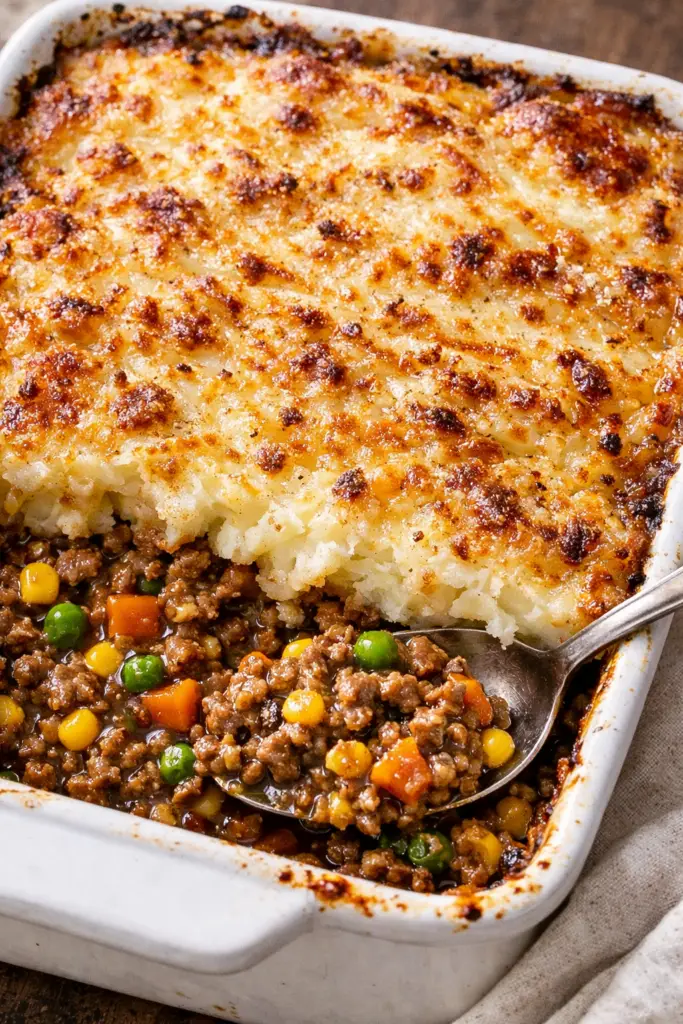
For mashed potatoes, Russet potatoes produce the fluffiest results because of their high starch content. The standard recipe is 3 pounds russet potatoes (peeled, cubed, boiled 15-20 minutes until fork-tender) + 1/2 cup butter + 1/2 cup warm milk + salt. Mash with a potato masher (food processors and blenders make gluey potatoes from overworked starch).
For roasted potatoes, baby potatoes or Yukon Gold cut into 1-inch chunks are the right choice. Toss with 2 tablespoons olive oil + 1 teaspoon salt + 1 teaspoon black pepper + herbs (rosemary, thyme), roast at 425°F for 30-40 minutes flipping halfway until golden and crispy. The high heat is critical for crispy exteriors; lower temperatures produce soft, steamed-tasting potatoes.
For french fries, russet potatoes are essential. The double-fry technique produces the best results: fry sliced potatoes at 325°F for 5-6 minutes until soft but not browned, drain and rest 10 minutes, then fry again at 375°F for 2-3 minutes until golden and crispy. The double fry produces the crispy-outside, fluffy-inside texture of restaurant fries.
For potato salad, red or Yukon Gold potatoes hold their shape better than russets. Boil potatoes whole in salted water until just tender (15-20 minutes depending on size), let cool, then cube and dress. The technique of boiling whole and cubing after preserves the structure and prevents the potatoes from absorbing too much water.
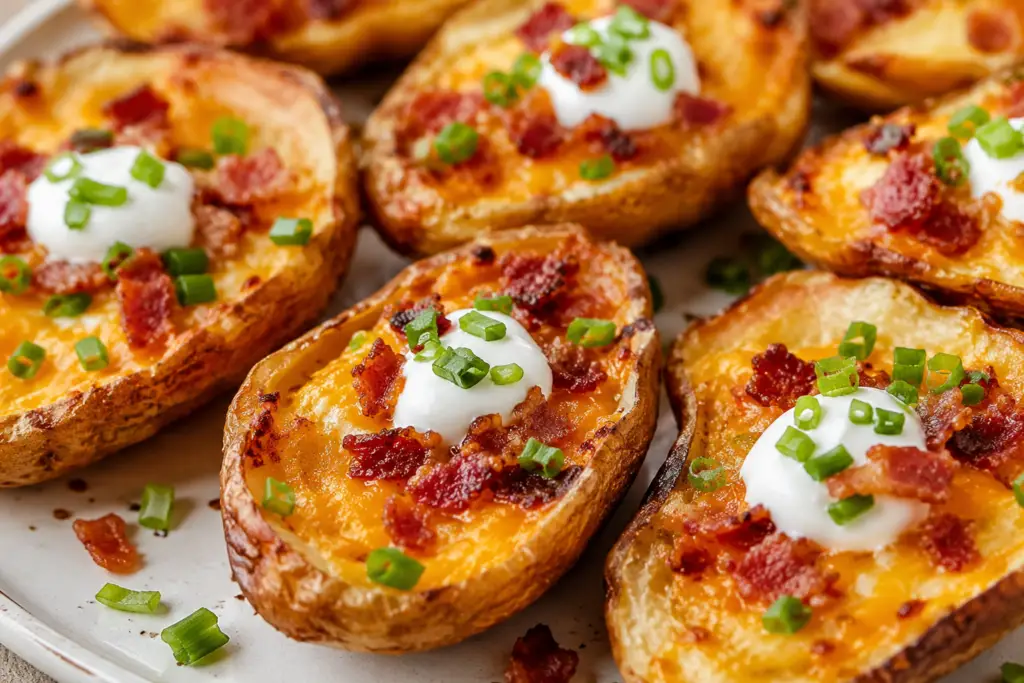
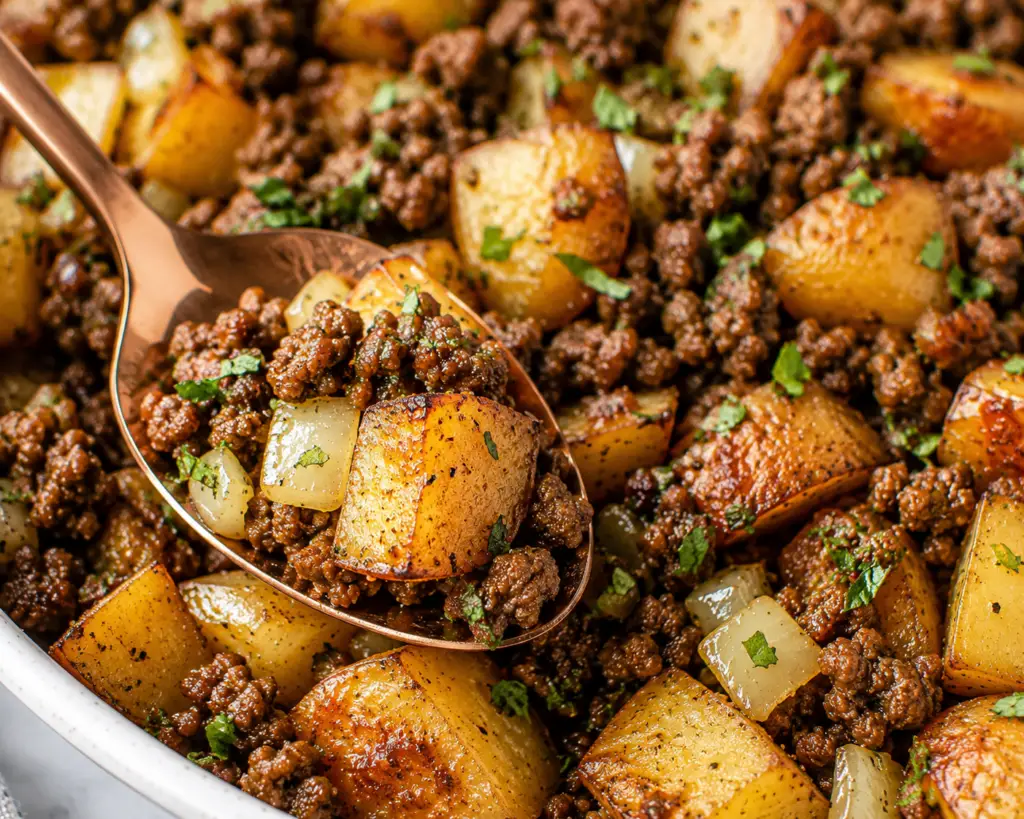
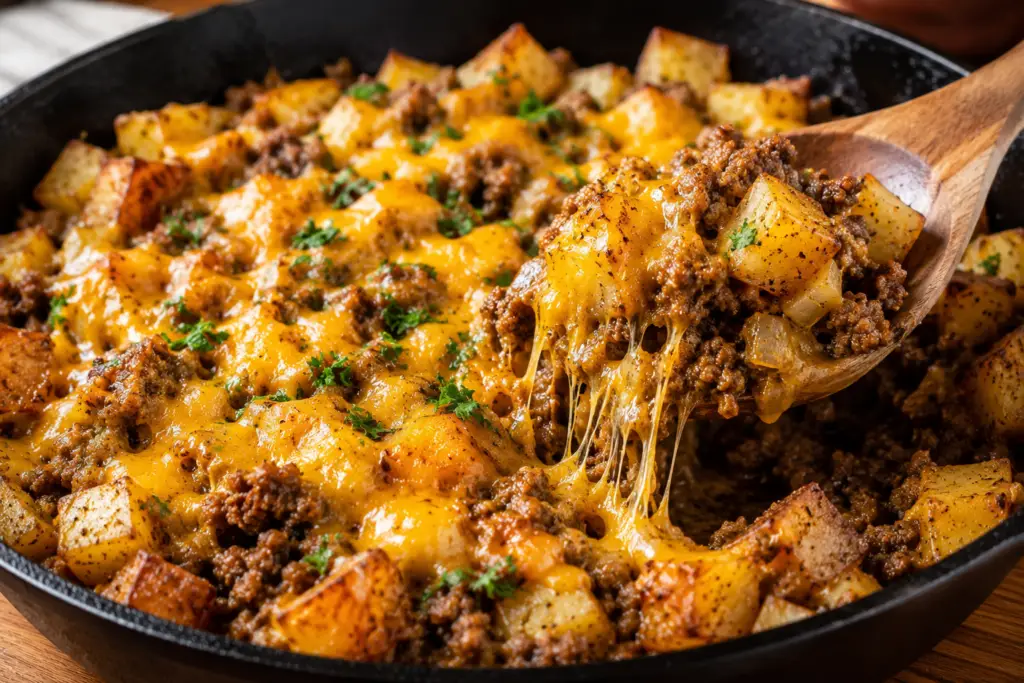
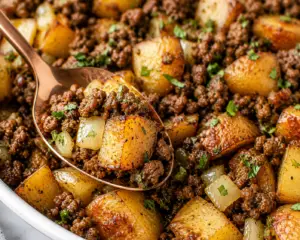
For baked potatoes, russet potatoes (8-10 oz each) are the canonical choice. Pierce with a fork (to prevent steam buildup), rub with oil and salt, bake at 425°F for 50-60 minutes until easily pierced. The high heat produces crispy skin; lower temperatures produce soft, steamed potato. The Best Ground Beef and Potatoes shows potatoes working as the carb base in a skillet meal.
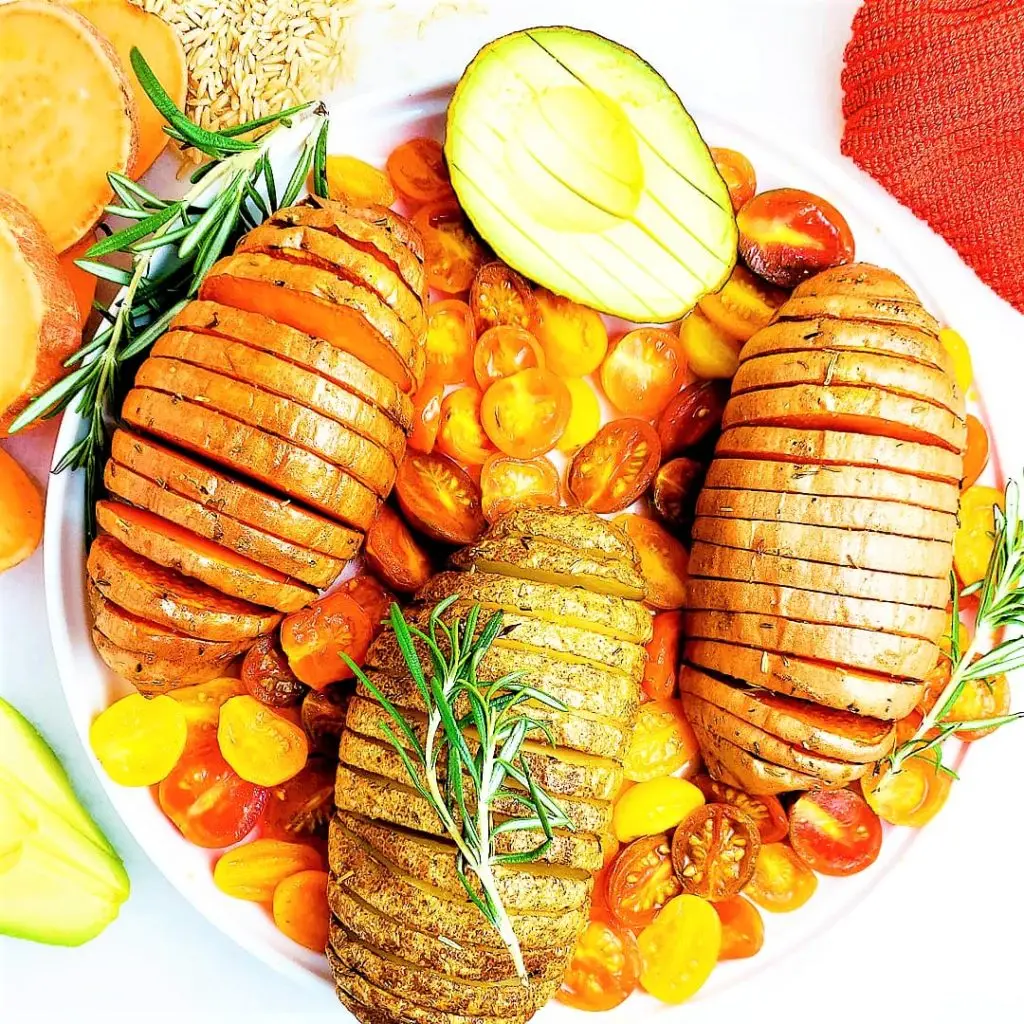
For storage, potatoes keep 2-3 months in a cool, dark place (a pantry or root cellar, not the refrigerator). Refrigeration converts starch to sugar, producing sweet-tasting potatoes and dark spots when cooked. Green spots on potatoes indicate solanine (a mild toxin); cut away green portions before cooking. Sprouted potatoes can be used after removing sprouts; very sprouted potatoes (long sprouts, soft texture) should be discarded. For sweet potato variations, Sweet Potato Casserole and The Best Sweet Potato Cornbread demonstrate the orange-fleshed cousin in side-dish and bread form.
For preventing browning, submerge peeled or cut raw potatoes in cold water; they hold up to 24 hours refrigerated this way. Drain and pat dry before frying to prevent oil splatter. Check sweet potatoes for closely related vegetable recipes.