
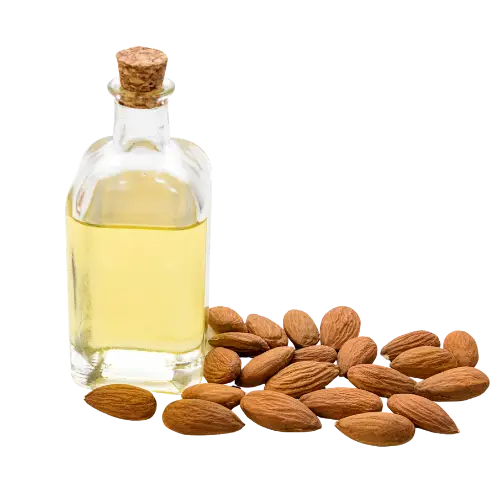
Almonds are the most-used baking nut on this site, they appear sliced on top of cakes, chopped in cookies, ground into flour and meal for gluten-free baking, and toasted as a topping for salads and grain bowls. Different forms (whole, sliced, slivered, ground) each have specific uses. Almond-forward favorites include Gluten Free Almond Coconut Cake, Almond Shortbread Cookies, and Almond Flour Biscuits where almonds appear in different forms (extract, meal, flour, whole) to anchor each finished bake.
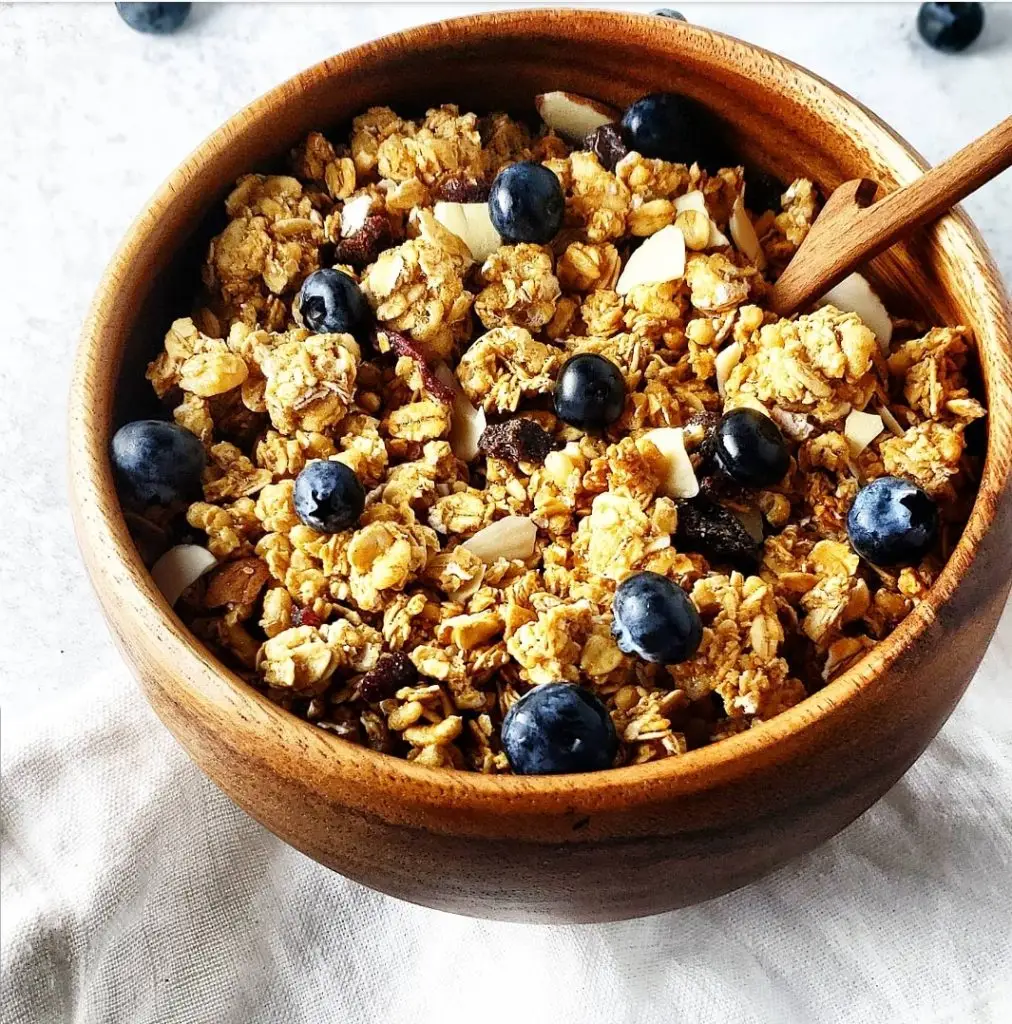
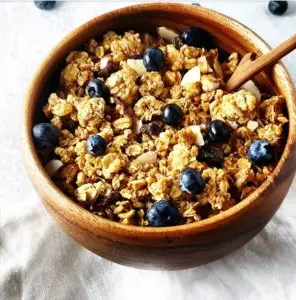
Whole, sliced, slivered, and ground almonds each have specific uses. Whole almonds (toasted) garnish cookies and Mediterranean dishes. Sliced almonds top cakes, salads, and granola. Slivered almonds appear in stir-fries and stuffings where you want bite without overwhelming size. Ground almonds (meal and flour) replace traditional flour in gluten-free baking. Each form requires different prep, toasting whole takes longer than toasting sliced.
For toasting, spread almonds on a parchment-lined sheet pan and bake at 350°F. Whole takes 10-12 minutes, sliced takes 5-7 minutes, slivered takes 7-9 minutes. Listen for popping and watch for golden color. Pulling them out at the golden-tan stage produces best flavor; going darker produces bitter, slightly burnt results. Pairs with honey drizzles for snack-mix applications.
For homemade almond milk, the technique is to soak 1 cup raw almonds overnight, drain, blend with 4 cups fresh water and a pinch of salt, then strain through a nut-milk bag. The result tastes dramatically fresher than commercial almond milk and contains no stabilizers or sweeteners. Total time is 5 minutes of active work spread across the soak-and-strain process. Use within 5 days. Pairs well with vanilla and cinnamon for breakfast applications.
For almond brittle and other candied applications, the technique is to bring sugar and water to 300°F (hard crack stage), stir in toasted almonds and a pinch of salt, pour onto a parchment-lined sheet pan and let cool. Break into shards. Keeps 1 month in an airtight container. butter added to the syrup at the end (just before the almonds) produces a richer brittle closer to peanut brittle in texture. The vanilla extract added off-heat at the end provides the rounded sweetness that distinguishes homemade brittle from candy-shop versions. Other reader picks that build on almonds include Peanut Butter Protein Balls and The Ultimate Guide to Wedding Cookies. Browse almond flour, pecans, and salt for closely related cooking applications.
Almonds can be used to make baked goods, snacks, and savory dishes. Common recipes include cookies, cakes, granola, almond butter, and roasted snack mixes. You can chop almonds for toppings, blend them into flour for gluten-free baking, or toast them to add crunch to salads and desserts.
Almonds provide healthy fats, protein, fiber, and important nutrients like vitamin E and magnesium. They support heart health and help keep you full between meals. Eating a small handful of almonds as a snack or adding them to recipes like oatmeal, salads, or baked goods is an easy way to include them in a balanced diet.
You can roast almonds on the stovetop using a dry skillet. Place raw almonds in a pan over medium heat and stir frequently for 5 to 7 minutes until they become fragrant and lightly browned. Remove them from the pan immediately to prevent burning and allow them to cool before using.
To cook almonds in a pan, heat a skillet over medium heat and add the almonds in a single layer. Stir frequently so they toast evenly. Cook for several minutes until they turn golden and smell nutty. Let them cool before adding them to recipes, snacks, or desserts.