
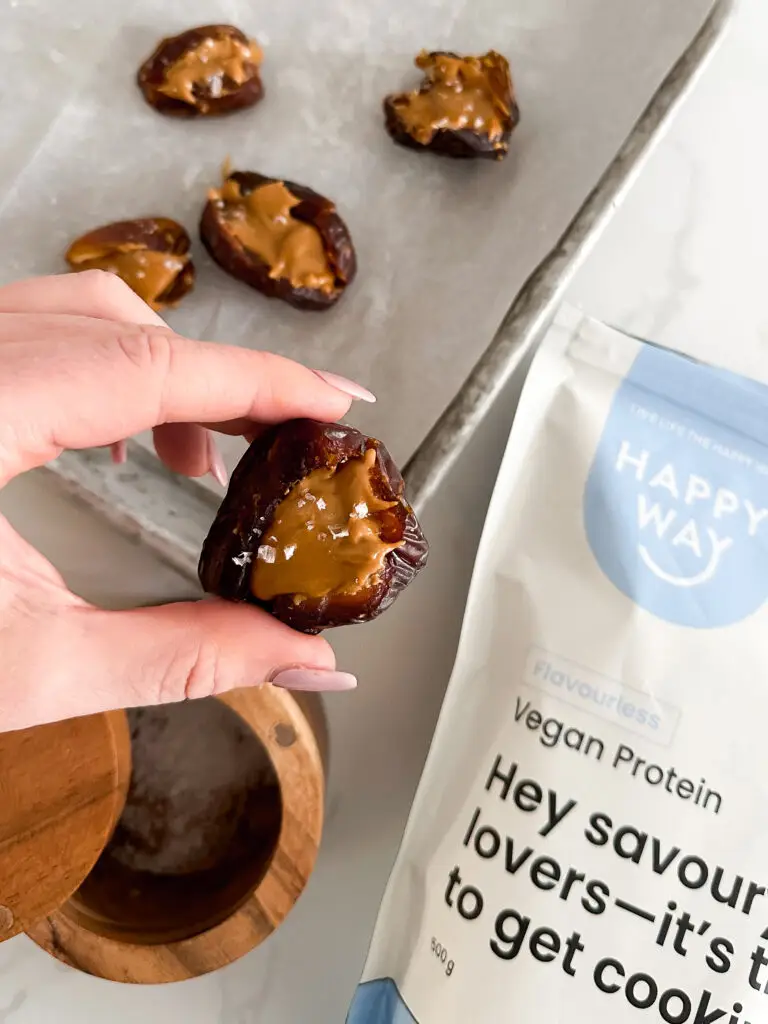
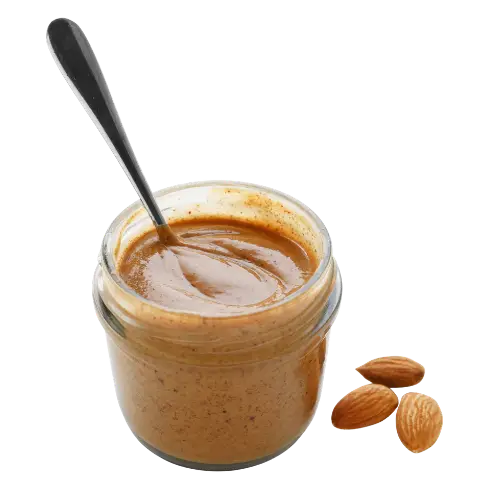
Almond butter is the spreadable nut paste that works as a peanut-butter alternative for anyone with peanut allergies, and as a flavor variation for everyone else. The mildness lets other ingredients (chocolate, banana, honey) come through more clearly than peanut butter would allow. Reader favorites that use almond butter or substitute it for peanut butter include No Bake Protein Balls, Chocolate Peanut Butter Swirl Fudge, and The Best Peanut Butter Cookies where almond butter binds, enriches, or replaces peanut butter for an allergy-friendly variation.
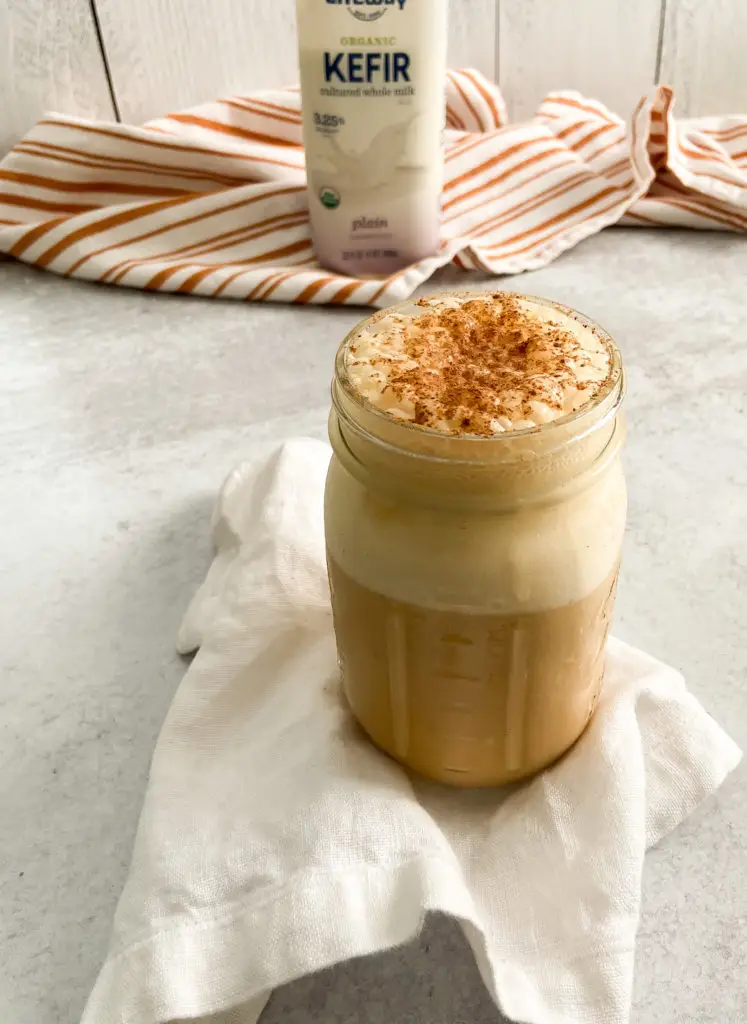
Almond butter and peanut butter substitute 1:1 in most recipes by volume. The flavor difference is significant, almond butter is milder, slightly sweeter, and less salty. For protein balls, smoothies, and applications where you want the other ingredients to lead, almond butter wins. For cookies and savory applications (Thai peanut sauce, satay) where peanut flavor is the goal, peanut butter is the right choice.
Natural almond butter (ingredients: almonds, possibly salt) versus stabilized almond butter (with added oils and stabilizers) behave differently. Natural separates, the oil rises to the top and needs to be stirred back in before use. Stabilized stays mixed. For baking, both work fine. For protein balls and bars where consistency matters, stabilized is easier to work with. honey mixed in helps both texture and sweetness.
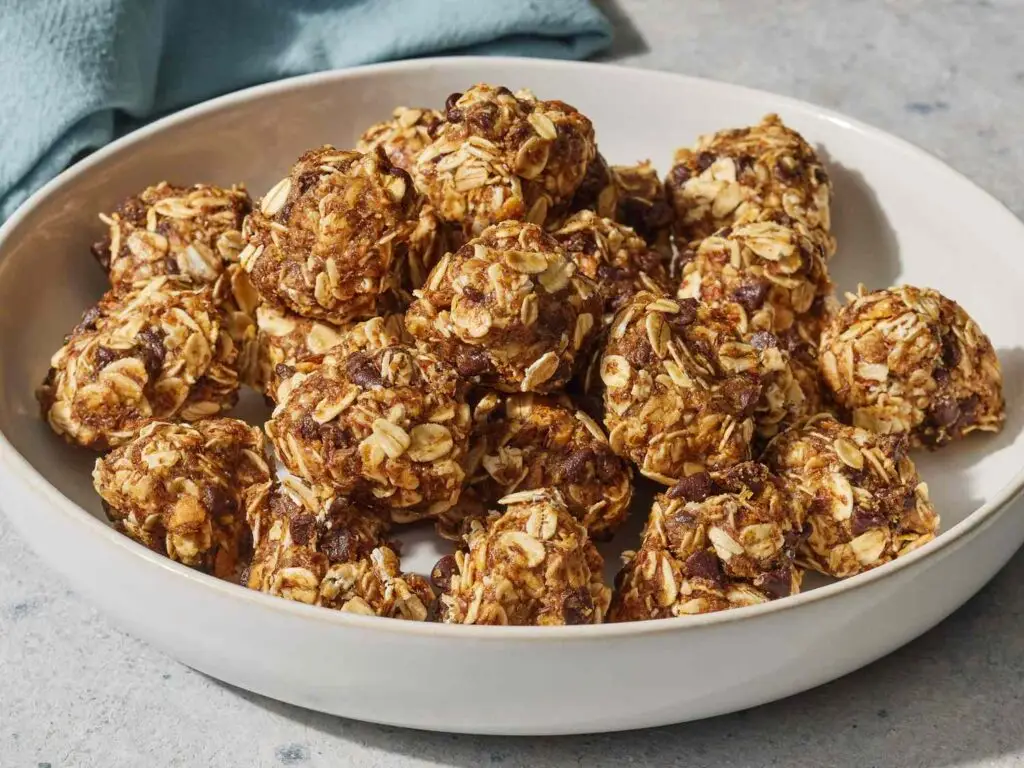
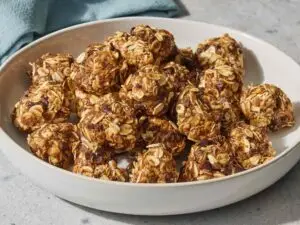
For protein balls (the no-bake meal-prep snack), the standard recipe is 1 cup oats, 1/2 cup almond butter, 1/3 cup honey or maple syrup, 1/4 cup mini chocolate chips, 2 tablespoons chia seeds, 1 teaspoon vanilla. Mix, roll into balls, refrigerate 30 minutes. Each ball has 4-5 grams of protein. Keeps 1 week refrigerated.
For storage, opened almond butter keeps 3-4 months at room temperature or 6 months refrigerated. Refrigeration slows the oil separation but makes the butter harder to spread directly from the fridge. Natural almond butter that’s been stored at room temperature occasionally develops mold on the surface, discard if you see any. The cinnamon pairing in almond butter cookies and apple-and-almond-butter snacks amplifies the toasted nut flavor. Other reader picks that build on almond butter include Peanut Butter Protein Balls and Healthy No Bake Date Bars. Browse peanut butter, almonds, and salt for closely related cooking applications.
Almond butter is made by blending roasted almonds in a food processor until smooth and creamy. The almonds first turn into a crumbly mixture and then release natural oils as blending continues. Process until the texture becomes spreadable. You can add a pinch of salt or a little honey for flavor.
Almond butter is made by grinding almonds until their natural oils create a smooth paste. The process usually involves roasting almonds and then blending them for several minutes in a food processor. The result is a thick, creamy spread used in many recipes and snacks.
Good substitutes for almond butter include peanut butter, cashew butter, sunflower seed butter, or tahini. These alternatives provide a similar creamy texture in baking, smoothies, and sauces. Choose a substitute based on the flavor that best fits the recipe.
Almond butter pairs well with fruits, toast, oatmeal, smoothies, and baked goods. It can also be used in cookies, energy bites, and sauces. Spread it on toast, blend it into smoothies, or add it to oatmeal for extra flavor and creaminess.
For more nut-and-chocolate spread options, see our peanut butter chips and nutella recipes.