Cake Baking Tips 101
There is nothing more frustrating than spending hours on a cake only for it to sink in the middle or come out dry. After years of testing recipes in the Sugar Face Bakes kitchen, I’ve learned that the difference between a “good” cake and a “bakery-quality” cake usually comes down to a few simple techniques. These are my top Cake Baking Tips to ensure success every single time you preheat the oven. If you are looking for more inspiration, check out my full collection of Cake Recipes and professional Baking Tips.
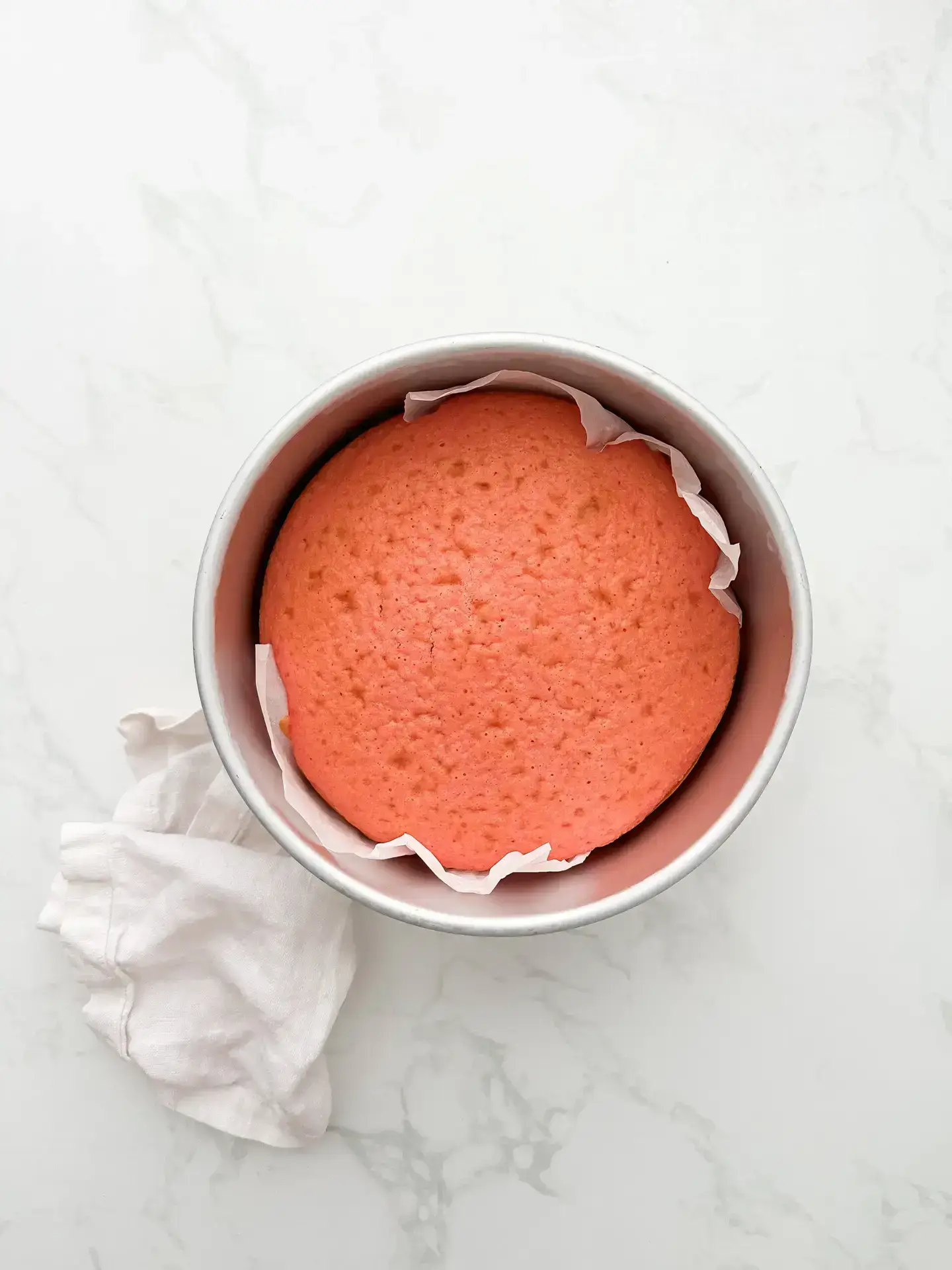
New school: parchment paper. Old school uses grease and flour. I find that parchment paper adds a layer of protection for worry-free sticking! I crumble my paper up and then mold the piece into my greased pan. The more pliable, the less fuss!
Why These Cake Baking Tips Matter
Baking is a science. Unlike cooking a savory stew where you can “eyeball” the salt, baking requires precision. Following these tips will help you:
-
Avoid Flat Cakes: Ensure your leavening agents work correctly.
-
Perfect Texture: Prevent tough, over-mixed crumbs.
-
Consistent Results: Get the same delicious result every time you bake.
Must-Have Tools for Cake Baking Success
-
Digital Kitchen Scale: The only way to truly measure flour accurately for any Cake Baking Tips guide.
-
Oven Thermometer: Most ovens are off by 10–25 degrees; this is a game-changer for even baking.
-
Proper Cake Pans: I recommend light-colored aluminum pans (avoid dark non-stick, which can burn the edges). I recommend using Caraway Home bakeware for even heat distribution—be sure to use my discount code SUGARFACE at checkout!
-
Rubber Spatula: Essential for gentle folding to keep the air in your batter.
Top 10 Tips for Perfect Cakes
-
Use Room Temperature Ingredients: This is a vital Cake Baking Tip. Eggs, butter, and milk must be room temp to create an emulsion that traps air. It is the same secret I use for a smooth Vanilla Buttercream.
-
Weigh Your Dry Ingredients: A “cup” of flour can vary by 20%. Use a scale for grams to ensure your Cake Baking Tips actually work!
-
Don’t Overmix: Once the flour is added, mix only until just combined. Overmixing develops gluten, leading to a tough cake.
-
Prep Your Pans Properly: Use parchment paper rounds on the bottom of your pans to guarantee the cake releases cleanly every time.
-
Check Your Oven Temp: Use an internal thermometer to ensure 350°F is actually 350°F before you start baking.
-
Don’t Open the Oven Door: Peeking too early lets out heat and can cause a delicate cake to sink in the middle.
-
Test for Doneness: Use a toothpick or a digital thermometer (the internal temp should be around 205–210°F).
-
Level Your Cakes: Use a serrated knife to trim the domed tops for a professional, stable stack. This is the first step before applying Rainbow Buttercream Frosting.
-
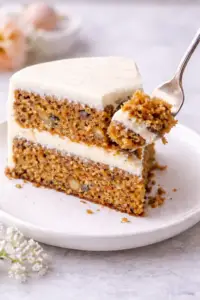
The Crumb Coat: Always apply a thin layer of frosting first to “lock in” crumbs. This is vital for clean edges on my Easy Carrot Spring Cake.
-
Read the Recipe Twice: Before you even pull out the butter, read the entire recipe to avoid surprises.
Stacie’s Tricks & Tips
- Use an oven thermometer: Most ovens are off by 10–25°F. A thermometer helps you know what temp you’re really working with.
- Weigh your cake pans: Distribute batter evenly by weighing your filled pans before baking.
- Level your layers: Use a serrated knife or cake leveler for clean, flat layers that stack perfectly.
- Store cakes properly: Keep unfrosted cakes tightly wrapped at room temp for up to 2 days or freeze layers for longer storage.
- Make-Ahead Cake Tips: Bake, Cool, Wrap & Freeze Like a Pro
Storage & Meal Prep
Here’s how to do it right:
- Cool Completely Before Wrapping
After baking, let the cake layers rest in the pan for 10–15 minutes, then invert onto a wire rack and cool completely. If your cake is even a little warm, it will steam in the wrap and turn soggy in the freezer.
- Wrap Tightly in Plastic Wrap
Once fully cooled, wrap each cake layer tightly in a double layer of plastic wrap. Make sure there are no exposed edges or air pockets—this helps retain moisture and prevents freezer burn.
- Add a Foil Layer or Freezer Bag
For extra protection, especially if you’re storing for more than a few days, wrap the plastic-wrapped layers in aluminum foil or place them in a zip-top freezer-safe bag. Be sure to press out excess air.
- Label + Date
Label each layer with the flavor and date. Most cake sponges will keep well in the freezer for up to 2 months.
- Thaw Slowly for Best Texture
When ready to use, thaw cake layers at room temperature, still wrapped, for a few hours or overnight. Keeping the wrap on during thawing allows condensation to collect on the outside—not on your sponge.
- Crumb coat on frozen cake: Slightly chilled or frozen cake layers are easier to frost—less crumbling and smoother finishes!
- Level after freezing: If you’re trimming domed tops, do so after freezing and save the scraps for cake pops or snacking.
- Don’t freeze frosted cakes (unless it’s buttercream): Most frostings don’t freeze well, but sturdy American buttercream holds up best.
Here’s how to do it right:
Have questions or a cake dilemma you want help with? Drop it in the comments or tag me on Instagram @sugarfacebakes—I love helping fellow bakers rise to the occasion!
Frequently Asked Questions
Why did my cake sink in the middle?
A cake usually sinks because the oven door was opened too early, the baking powder or soda was expired, or the cake was underbaked. Following these Cake Baking Tips ensures your leavening agents have time to set.
Can I use cold eggs if I’m in a hurry?
If you must, place cold eggs in a bowl of warm water for 5 minutes. Cold eggs will cause the creamed butter to seize, resulting in a chunky batter and uneven bake.
Why is my cake so dry?
Overbaking is the most common cause. Start checking your cake 5 minutes before the recipe says it will be done. Also, ensure you aren’t using too much flour by weighing it with a scale.
More Baking Guides & Recipes
Looking for more easy and comforting meals? Browse all recipes here: