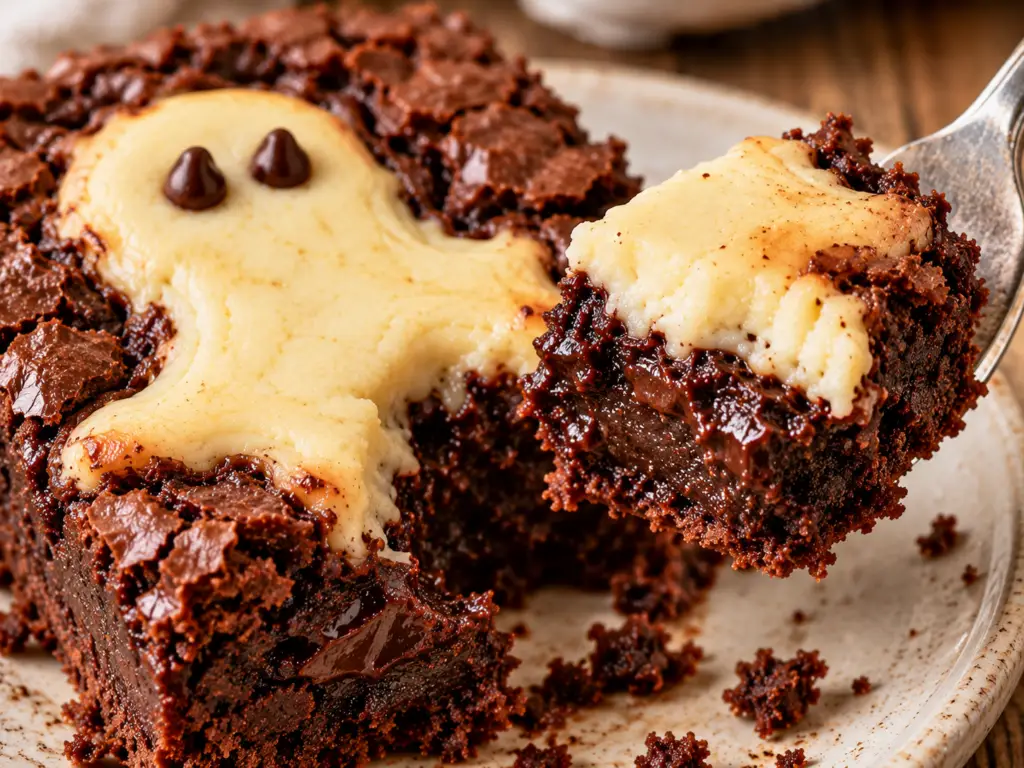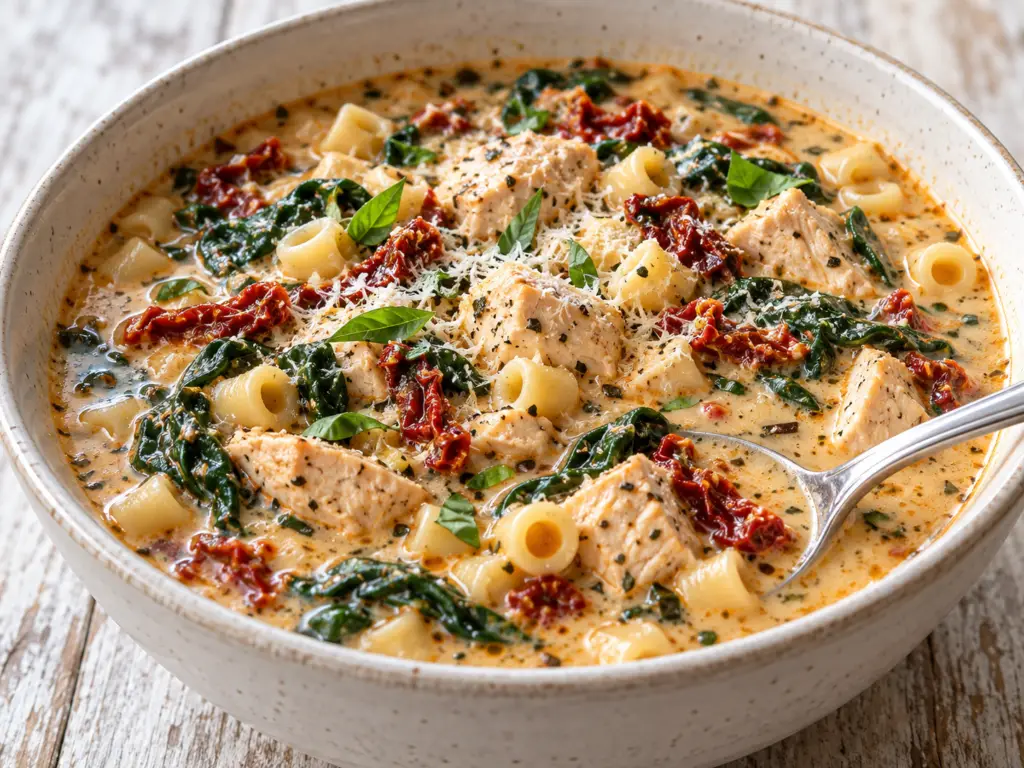
If you’ve noticed cottage cheese suddenly showing up in cakes, muffins, brownies, pancakes, breads, pasta sauces, and even cookie recipes, you may be wondering: what does cottage cheese actually do in baking?
It does a lot more than simply add protein.
Cottage cheese can add moisture, creaminess, richness, protein, and structure to baked goods. When blended smooth, it can also replace some of the heavier ingredients traditionally used in baking, including sour cream, ricotta, cream cheese, and sometimes yogurt.
But cottage cheese doesn’t behave exactly like those ingredients. Add too much, skip the blending step in the wrong recipe, or use it in a delicate bake, and the results can be very different.
I’ve been experimenting with cottage cheese in everything from cheesecake to pancakes, brownies, breads, and other high-protein recipes, and there are definitely places where it shines more than others.
So, what happens when you bake with cottage cheese?
Let’s break it down.

Quick Answer: What Does Cottage Cheese Do in Baking?
Cottage cheese primarily does five things in baked goods:
- Adds moisture without relying entirely on butter or oil
- Adds protein to cakes, muffins, pancakes, breads, brownies, and more
- Creates creaminess when blended until smooth
- Adds body and structure because of its milk proteins and curds
- Can replace or reduce ingredients such as sour cream, ricotta, cream cheese, or Greek yogurt in certain recipes
The exact effect depends on the recipe and whether you use cottage cheese as-is or blended.
For most cakes, muffins, brownies, quick breads, and other recipes where you don’t want visible curds, I recommend blending cottage cheese first.
Why Is Cottage Cheese Suddenly Everywhere?
Cottage cheese isn’t a new ingredient, but the way we’re using it certainly feels new.
For years, cottage cheese was mostly something you ate straight from the container or paired with fruit. Now it’s being blended into sauces, pancake batter, bread, desserts, ice cream, cheesecake, cookie dough, and just about everything in between.
There’s a good reason.
It gives recipes a creamy consistency while adding significantly more protein than many traditional baking ingredients.
That makes it especially useful when you’re trying to create a baked good that is satisfying and protein-forward without turning it into something that tastes obviously like a “protein recipe.”
And when cottage cheese is blended properly?
You often can’t even tell it’s there.
What Happens to Cottage Cheese When You Bake It?
This is where things get interesting.
Cottage cheese contains milk proteins, moisture, fat, and curds. When heated, those proteins firm up while some of the moisture evaporates.
Instead of simply melting away like butter, cottage cheese becomes part of the structure of the baked good.
That can create a texture that is:
- Moist
- Tender
- Creamy
- Slightly dense
- Rich
- Soft
- Custardy in certain recipes
The final result depends heavily on how much cottage cheese you’re using and what else is in the recipe.
A few tablespoons in muffin batter may simply add moisture.
A cup of cottage cheese in cheesecake can dramatically affect its body and creaminess.
That’s why cottage cheese isn’t an ingredient I recommend adding randomly to every recipe. The proportions still matter.
Does Cottage Cheese Melt When Baked?
Not exactly.
Cottage cheese doesn’t melt in the same way mozzarella, cheddar, or butter does.
Its curds soften when heated, but the proteins remain. If you bake cottage cheese without blending it, you may still notice small curds in the finished dish.
That’s perfectly fine in recipes where texture doesn’t matter.
But if I’m adding cottage cheese to cake batter, brownies, muffins, cheesecake, or another dessert, I usually blend it first.
Blended cottage cheese becomes surprisingly creamy and smooth.
That one step can completely change how it behaves in baking.
Why You Should Blend Cottage Cheese for Baking
If you’ve ever looked at cottage cheese and thought, “There is absolutely no way I’m putting those curds into my cake,” I understand.
The blender fixes that.
When blended, cottage cheese transforms into a thick, creamy mixture that looks much closer to Greek yogurt, sour cream, or softened cream cheese.
Blending it helps:
- Distribute the moisture evenly
- Eliminate noticeable curds
- Create smoother batters
- Improve the texture of cakes and muffins
- Produce creamier cheesecakes
- Make cottage cheese easier to substitute for other creamy ingredients
Blend it until completely smooth rather than giving it a quick pulse.
You want cream, not smaller curds.
Does Cottage Cheese Make Baked Goods Moist?
Yes, and this is one of my favorite reasons to bake with it.
Cottage cheese contains a substantial amount of water. That moisture becomes incorporated into the batter and can help baked goods remain soft rather than dry.
This works especially well in:
- Muffins
Cottage cheese can help muffins stay soft and tender while adding extra protein.
- Quick Breads
Banana bread, zucchini bread, and other quick breads can benefit from its additional moisture.
- Cakes
In the right recipe, blended cottage cheese can produce a moist cake with a slightly richer crumb.
- Brownies
Cottage cheese can help create a soft, fudgy texture, particularly in recipes intentionally formulated around it.
- Pancakes
It creates pancakes that are tender, filling, and surprisingly fluffy when the batter is balanced correctly.
The important thing to remember is that more moisture isn’t always better.
Too much cottage cheese can make baked goods wet, heavy, gummy, or underbaked in the center.
Does Cottage Cheese Make Baking More Dense?
It can.
This is one of the biggest differences between cottage cheese and lighter liquid ingredients.
Because cottage cheese contains both moisture and milk proteins, adding a large amount can create more body.
That can be fantastic in cheesecake or brownies.
It can be less desirable in a very delicate vanilla cake.
Think of cottage cheese as an ingredient that can add moisture plus substance.
That’s one reason I wouldn’t automatically swap it cup-for-cup into every recipe without considering what the original ingredient was doing.
Does Cottage Cheese Add Protein to Baked Goods?
Absolutely.
And this is probably the reason cottage cheese baking has become so popular.
Cottage cheese is naturally high in protein, so adding it to baked goods can increase their protein content without requiring large quantities of protein powder.
That’s particularly helpful because protein powder can sometimes make baked goods:
- Dry
- Chalky
- Dense
- Rubbery
- Artificial tasting
Cottage cheese provides protein along with moisture.
That combination can make it much easier to create baked goods that still taste like something you’d actually want for breakfast or dessert.
Of course, adding cottage cheese doesn’t automatically turn cake into a health food. The nutritional profile still depends on the entire recipe.
But if you’re looking for ways to make baked goods more protein-forward, it’s an incredibly useful ingredient.
Can You Taste Cottage Cheese in Baked Goods?
Usually, not much.
Cottage cheese has a mild, slightly tangy flavor that becomes much less noticeable when combined with ingredients such as:
- Vanilla
- Chocolate
- Cinnamon
- Banana
- Peanut butter
- Lemon
- Berries
- Maple syrup
- Honey
In chocolate brownies, for example, cocoa can easily dominate the subtle dairy flavor.
In cheesecake, that mild tang actually works beautifully.
The bigger giveaway is usually texture rather than flavor, particularly if you don’t blend the cottage cheese.
If you’re trying to hide cottage cheese in a dessert, blend it thoroughly.
What Does Cottage Cheese Do in Cakes?
In cakes, cottage cheese can contribute moisture, protein, richness, and body.
But cake is also where you need to be careful.
A traditional fluffy cake relies on a precise balance between flour, fat, liquid, eggs, sugar, and leavening.
Adding too much cottage cheese can throw off that balance.
When properly incorporated, however, blended cottage cheese can help create a cake that is:
- Moist
- Tender
- Slightly rich
- Soft
- Higher in protein
I prefer using cottage cheese in cakes specifically developed or adjusted for it rather than simply adding a scoop to a traditional cake recipe.
What Does Cottage Cheese Do in Muffins?
Muffins are one of the easiest places to experiment with cottage cheese.
They don’t require quite the same delicate crumb as layer cakes, so the added moisture and body can work beautifully.
Cottage cheese can make muffins:
- Moist
- Tender
- Satisfying
- Protein-rich
- Less prone to drying out
Blend it first if you want a traditional muffin texture.
You can also pair it with ingredients such as blueberries, bananas, chocolate chips, cinnamon, lemon, or peanut butter.
What Does Cottage Cheese Do in Brownies?
This may surprise you, but cottage cheese and chocolate work extremely well together.
Blended cottage cheese can add moisture and creaminess to brownie batter while cocoa and chocolate mask most of its tanginess.
Depending on the recipe, it can help create brownies that are more:
- Fudgy
- Dense
- Moist
- Creamy
- Protein-forward
However, don’t expect cottage cheese brownies to behave exactly like a traditional butter-heavy brownie.
The texture may be softer or more cake-like depending on the other ingredients.
The best cottage cheese brownies are recipes formulated specifically around cottage cheese rather than traditional brownie recipes with cottage cheese randomly added.
What Does Cottage Cheese Do in Cheesecake?
This is one of the most natural uses for cottage cheese.
Traditional cheesecake already relies heavily on dairy proteins and fat, so cottage cheese fits into the equation beautifully.
When blended until completely smooth, cottage cheese can produce cheesecake that is:
- Creamy
- Light
- Protein-rich
- Slightly tangy
- Smooth
- Less heavy than some traditional versions
The key word here is blended.
Unless you’re intentionally creating a rustic texture, don’t leave cottage cheese chunky in cheesecake batter.
What Does Cottage Cheese Do in Pancakes?
Cottage cheese is fantastic in pancakes because it adds both protein and moisture.
Depending on the recipe, cottage cheese pancakes can be surprisingly fluffy despite their higher protein content.
The proteins also give the pancakes more substance, making them more filling than many traditional pancake recipes.
You can leave some curds intact for a classic cottage cheese pancake or blend the batter for a smoother result.
What Does Cottage Cheese Do in Bread?
Cottage cheese can add moisture, tenderness, protein, and richness to bread dough.
It’s particularly popular in quick breads and high-protein breads, but it can also be incorporated into yeast-based doughs.
Because cottage cheese contributes additional liquid and protein, however, you may need to adjust the flour or other liquids in a bread recipe.
Don’t assume you can simply add a cup of cottage cheese without changing anything else.
Can Cottage Cheese Replace Oil or Butter in Baking?
Sometimes—but not perfectly.
Cottage cheese provides moisture and some fat, depending on which variety you use, but it does not behave exactly like butter or oil.
Fat plays several important roles in baking, including creating tenderness, carrying flavor, and affecting the crumb.
Replacing all the fat in a traditional recipe with cottage cheese may result in something that is:
- More dense
- Less rich
- Slightly rubbery
- Less tender
In recipes designed for cottage cheese, this isn’t necessarily a problem.
For traditional recipes, partial replacement is often more successful than removing all the fat.
Can Cottage Cheese Replace Sour Cream?
Cottage cheese can work as a sour cream alternative in some baked goods, particularly after blending.
Both provide moisture, richness, and a slight dairy tang.
However, sour cream generally contains more fat and has a naturally smooth consistency.
If you’re substituting cottage cheese, blend it first and remember that the finished texture may be slightly different.
Can Cottage Cheese Replace Cream Cheese?
This depends heavily on the recipe.
For cheesecake fillings and other creamy recipes, blended cottage cheese can sometimes replace part or even all of the cream cheese when the recipe has been formulated accordingly.
But cottage cheese generally contains more moisture and less fat than cream cheese.
A direct one-for-one substitution in every recipe isn’t guaranteed to work.
For frosting, for example, I would be much more cautious because excess moisture can make the frosting loose.
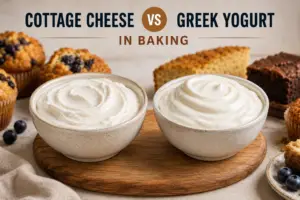
Cottage Cheese vs. Greek Yogurt in Baking
This deserves an important distinction because these two ingredients aren’t interchangeable in every situation.
Greek yogurt generally creates a smoother, lighter, more traditionally moist baked texture, while blended cottage cheese adds moisture plus more body, creaminess, and structure.
So which should you choose?
If you’re specifically trying to decide between the two, read my full Cottage Cheese vs. Greek Yogurt in Baking guide. I break down which one works better for cakes, muffins, brownies, cheesecake, pancakes, quick breads, cookies, and substitutions.
Internal link: Cottage Cheese vs Greek Yogurt in Baking — Which Should You Use?
That comparison is about which ingredient wins for different baking jobs. This guide is specifically about what cottage cheese does once you put it into a baked recipe.
Full-Fat vs. Low-Fat Cottage Cheese for Baking
I generally prefer cottage cheese with at least some fat for desserts and baked goods where texture matters.
Fat contributes richness and tenderness.
Best when you want maximum creaminess and richness.
I particularly like it for cheesecake and desserts.
- Low-Fat Cottage Cheese
A good option for muffins, pancakes, quick breads, and other everyday recipes.
- Fat-Free Cottage Cheese
It can work, but it may produce a less rich result.
If texture is your main priority, I wouldn’t automatically reach for fat-free cottage cheese.
Small Curd vs. Large Curd Cottage Cheese
If you’re blending it, the curd size doesn’t matter very much.
Once completely smooth, both can work.
If you’re leaving the cottage cheese unblended, small-curd varieties generally incorporate more evenly into batter.
Should You Drain Cottage Cheese Before Baking?
Usually, no.
Most recipes designed specifically for cottage cheese account for its moisture.
However, cottage cheese brands vary significantly in consistency.
Some are thick and creamy.
Others contain considerably more liquid.
If yours looks unusually watery and the recipe depends on a thick cottage cheese base, you may want to remove some excess liquid.
Just don’t automatically drain cottage cheese when a recipe doesn’t instruct you to do so.
That liquid may be part of the recipe’s hydration.
Does the Brand of Cottage Cheese Matter?
More than you might think.
Different cottage cheeses can vary in:
- Moisture
- Curd size
- Fat content
- Sodium
- Creaminess
- Thickness
This means two people can follow the same cottage cheese baking recipe and end up with slightly different batter consistency.
When I’m baking with cottage cheese, I prefer a thick, creamy variety rather than one swimming in liquid.
How to Blend Cottage Cheese for Baking
This couldn’t be easier.
Add cottage cheese to a blender or food processor and blend until completely smooth and creamy.
Depending on your appliance and the amount you’re blending, you may need to stop and scrape down the sides.
The finished cottage cheese should look similar to thick yogurt or cream.
For very small quantities, a small blender or food processor may work better than a full-size blender.
Tip: Measure cottage cheese according to the recipe before or after blending based on how the recipe is written. Don’t assume the measurements are interchangeable.
Common Mistakes When Baking With Cottage Cheese
1. Not Blending It
Leaving the curds intact isn’t necessarily wrong, but it can create an unexpected texture.
For smooth desserts, blend.
2. Adding It to Any Recipe Without Adjustments
Cottage cheese contains moisture and protein. Adding it changes the recipe’s balance.
3. Assuming It Replaces Every Dairy Ingredient 1:1
Sometimes it can.
Sometimes it absolutely can’t.
4. Using an Extremely Watery Cottage Cheese
Excess liquid can turn a carefully balanced batter into a wet one.
5. Removing Too Much Fat
Cottage cheese may make a recipe lighter, but eliminating every source of fat can sacrifice tenderness and flavor.
6. Overbaking
Protein-rich baked goods can become dry or rubbery when they’re baked too long.
Start checking for doneness at the earliest recommended time.
My Best Tips for Baking With Cottage Cheese
After experimenting with cottage cheese in both sweet and savory recipes, these are the tips I keep coming back to:
- Blend it for smooth baked goods.
- Choose a thick, creamy cottage cheese.
- Don’t automatically drain it.
- Don’t add it randomly to an established recipe.
- Remember that cottage cheese contributes liquid and protein.
- Keep some fat in desserts when richness matters.
- Watch your baking time carefully.
- Expect cottage cheese baked goods to sometimes have more body than traditional versions.
- Use strong complementary flavors such as chocolate, vanilla, cinnamon, berries, banana, or lemon if you’re worried about tasting it.
And most importantly: don’t assume “high protein” has to mean dry.
That’s exactly where cottage cheese can be such a useful baking ingredient.
Is Cottage Cheese Good for Baking?
Yes.
Cottage cheese is an incredibly versatile baking ingredient when you understand what it’s actually contributing to the recipe.
It isn’t simply there to make a recipe trendy or increase the protein number.
It can contribute moisture, creaminess, tenderness, structure, richness, and protein all at once.
That’s a pretty impressive list for one ingredient.
The trick is using it where those qualities actually benefit the recipe.
For moist muffins? Absolutely.
Creamy cheesecake? Yes.
Protein pancakes? Definitely.
Adding half a container to your favorite delicate vanilla cake and hoping for the best?
Maybe not.
Best Baked Goods to Make With Cottage Cheese
If you want to start experimenting, these are some of the easiest places to use it:
- Cottage cheese cheesecake
- Cottage cheese brownies
- Cottage cheese chips
- Cottage cheese bread
- Cottage cheese breakfast casserole
- Cottage cheese cookies
The best place to start is with a recipe specifically developed with cottage cheese rather than trying to retrofit it into an unrelated recipe.
More Cottage Cheese Recipes to Try
If cottage cheese has officially taken over your refrigerator too, there are plenty of ways to use it beyond traditional baking.
Add internal links here to:
- Cottage Cheese Cheesecake
- Cottage Cheese Brownies
- Cottage Cheese Pancakes
- Cottage Cheese Bagels
- Cottage Cheese Flatbread
- Cottage Cheese Chocolate Mousse
- Cottage Cheese Cookie Dough
- Cottage Cheese Ice Cream
- Cottage Cheese Toast
- Cottage Cheese vs. Greek Yogurt in Baking
Final Thoughts: What Does Cottage Cheese Actually Do in Baking?
Cottage cheese isn’t just another viral ingredient to throw into a recipe for extra protein.
It can genuinely change how a baked good behaves.
Cottage cheese adds moisture, protein, creaminess, body, and structure. Blending it can transform those familiar curds into a smooth dairy ingredient that works beautifully in everything from cheesecake and brownies to muffins, pancakes, and breads.
But like every baking ingredient, cottage cheese has a job.
Understanding that job is the difference between a beautifully moist cottage cheese muffin and a gummy experiment that makes you wonder why the internet convinced you to put cottage cheese in everything.
Use it intentionally, blend it when texture matters, and don’t be afraid to experiment with recipes actually designed around it.
You may be surprised by just how good cottage cheese can be in baking.