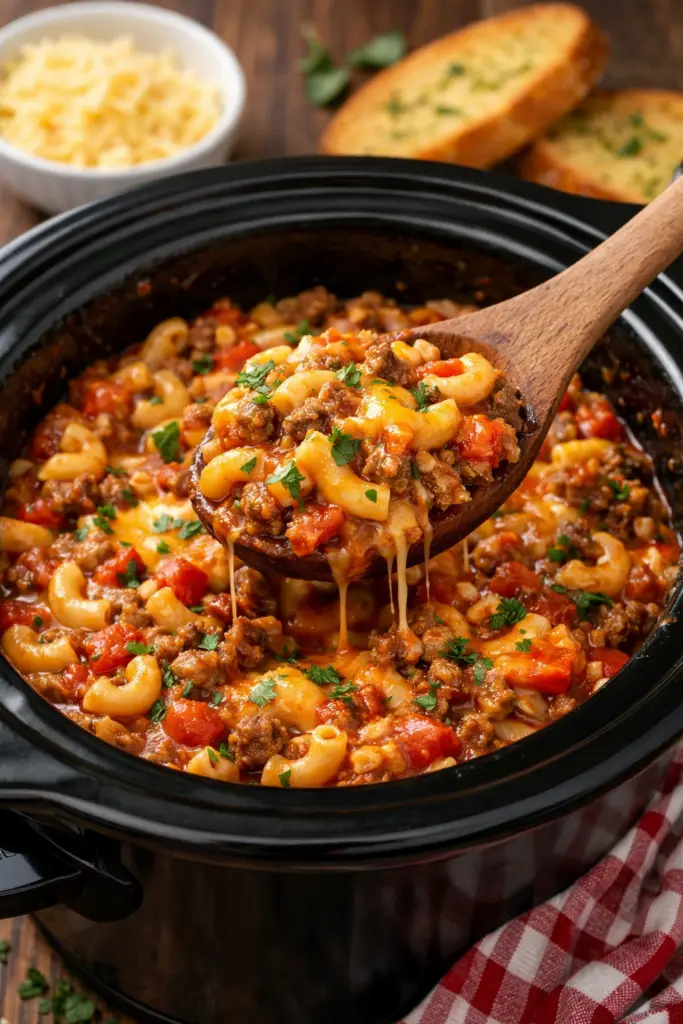
Most home cooks gravitate toward one or two cooking methods and stay there. That is fine, but it limits the kinds of meals you can pull off easily. A skillet-only cook misses the hands-off appeal of sheet pan dinners. A slow-cooker devotee gives up the speed of the Instant Pot. Different cuts of meat, vegetables, and grain dishes respond better to specific methods, which is why this section is organized by how the food gets made rather than by ingredient.
The right method for a given dish depends on three things: how much time you have, how much hands-on attention you can give, and what kind of finish you want. Slow cookers handle tough cuts with no babysitting but produce no browning or crisp finish. Sheet pans get you both protein and vegetables in one oven, with minimal attention but a hard time limit on when dinner is ready. Skillets give the most control and the best browning but require active attention from start to plate. Knowing which trade-off you can accept on a given night is the difference between a meal that works and a meal that fights you.
Grilled recipes cover summer cooking and any time you want char-crust flavor that an oven cannot match. The grill produces the most intense flavor of any method here, but it depends entirely on weather and outdoor access. A cast iron grill pan on the stove works as a workable backup when the actual grill is not an option, though it does not deliver the same smoke flavor.
The most important upgrade most home cooks can make is owning the right equipment for the method they use most often. A 12-inch cast iron skillet costs about 30 dollars and will last a lifetime. A heavy-duty sheet pan is roughly 20 dollars and outlasts every cheap option three times over. A reliable digital thermometer costs around 25 dollars and prevents more cooking failures than any other tool. None of this is expensive in the grand scheme of a kitchen, and all of it has an outsized effect on results.
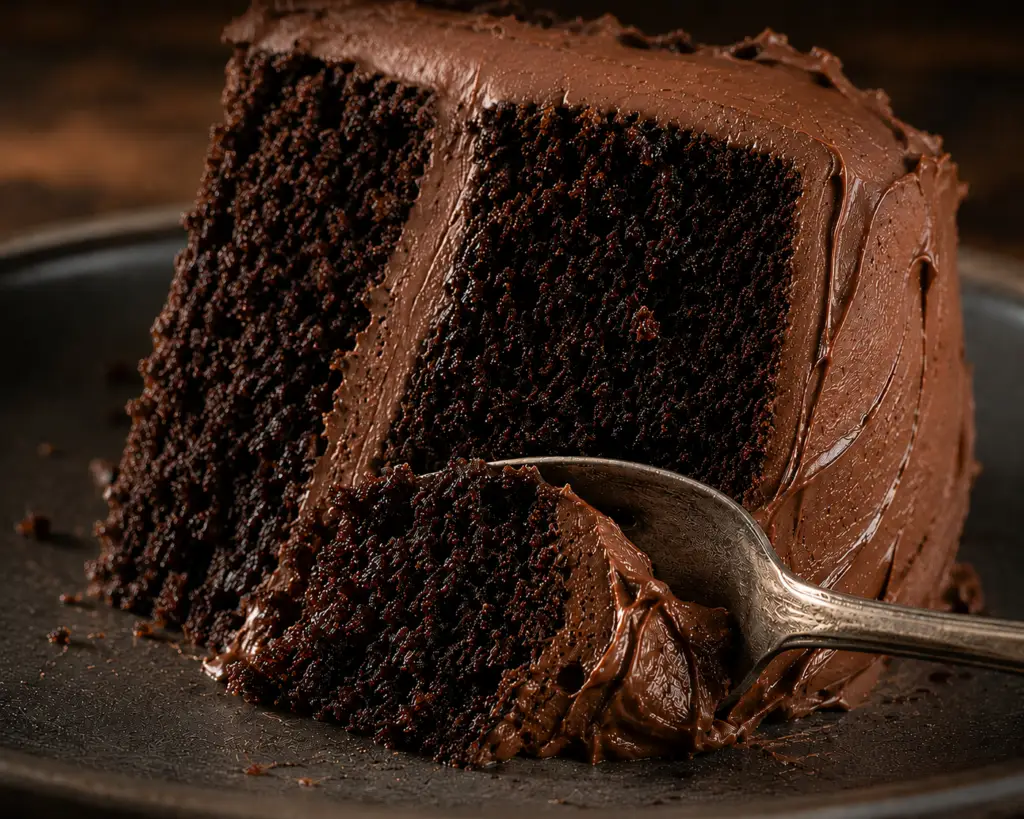
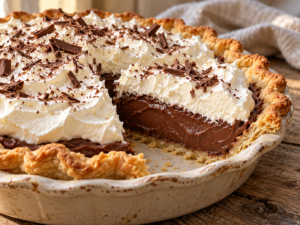
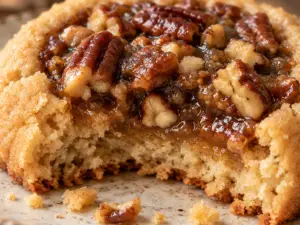
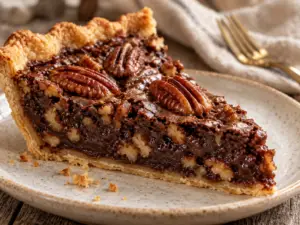
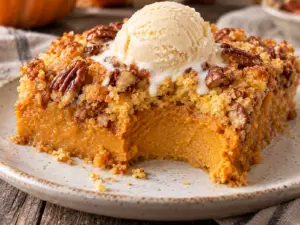
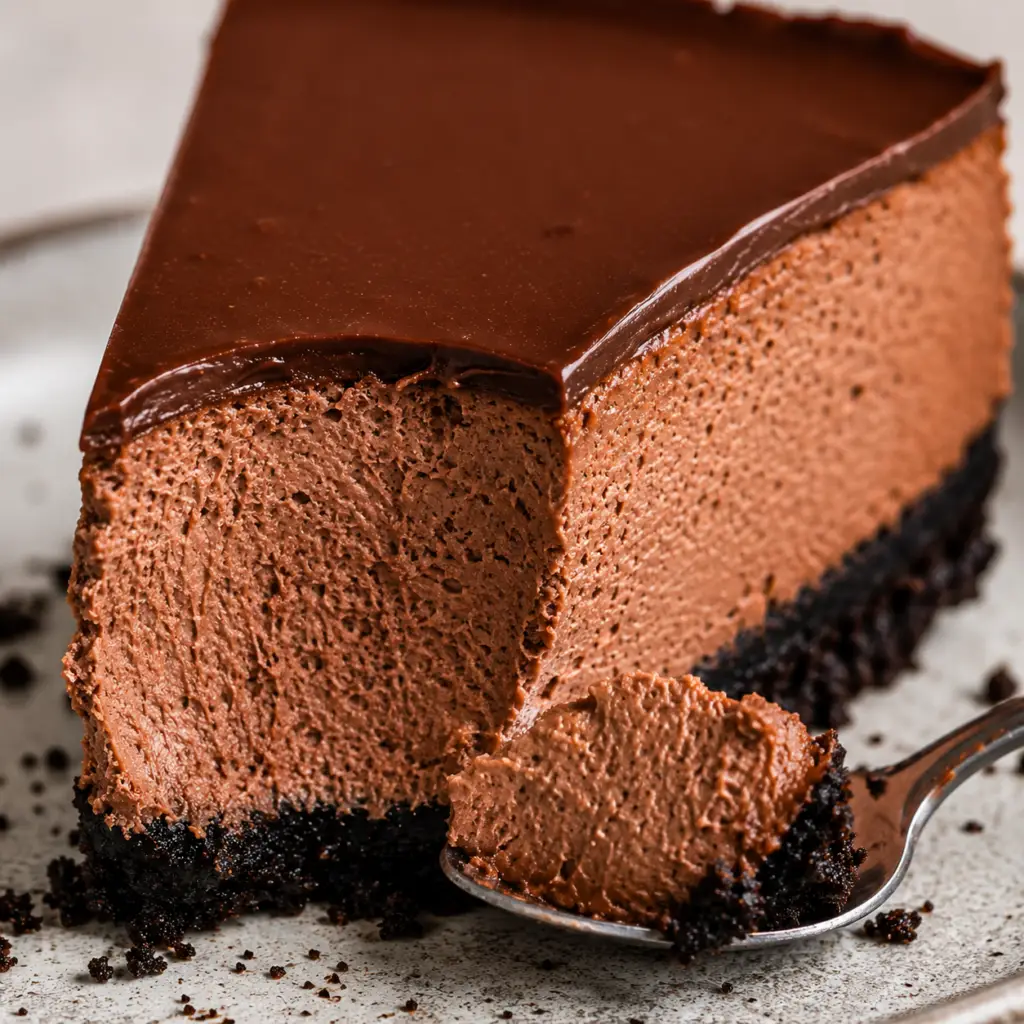
For everyday meals, dinner recipes cross all methods, and breakfast recipes skew toward skillet and oven techniques. Method matters for baking too. Dessert recipes live almost entirely in the oven and stand mixer, with technique notes such as room temperature ingredients, blind baking, and proper resting making the difference between a finished bake and a flop. For troubleshooting any of this, the cooking tips section covers the techniques that show up across methods, from getting crisp skin on chicken to keeping rice from sticking to the pot.