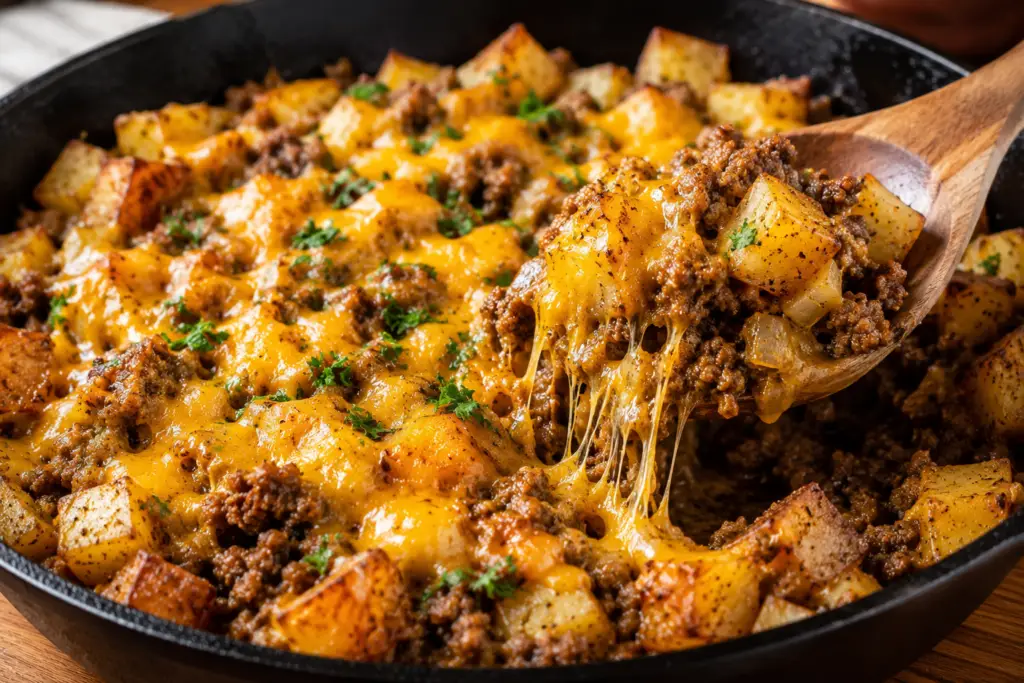
The skillet is the most-used pan in any working kitchen. High heat sears meat, sautes vegetables, finishes pan sauces, and works for almost any technique. Cast iron holds heat best and develops a non-stick patina over time with proper care. Stainless steel is more forgiving for beginners and easier to clean, but does not retain heat as evenly under sustained high heat. Non-stick coated pans are best for eggs and delicate foods but should not be used over high heat or the coating breaks down.
Heat management is the single biggest skillet skill. Medium-high heat is hotter than most home cooks expect. A properly preheated cast iron skillet should make a drop of water dance and evaporate within two seconds. If the water sits and steams, the pan is not hot enough. If it instantly vanishes, the pan is too hot for most cooking. Most browning failures are heat failures: pan not preheated long enough, food added before the surface was ready, then food slid around the pan instead of left alone to develop a crust.
The other underrated skillet skill is knowing when not to move the food. Most browning happens because the food sits still and the surface develops a crust against the hot pan. Pushing it around with a spatula breaks the developing crust and slows the entire process. The right move is to add the food, leave it alone for two to three minutes, then check whether it releases easily from the pan. If it does, it is ready to flip or stir. If it sticks, it needs more time.
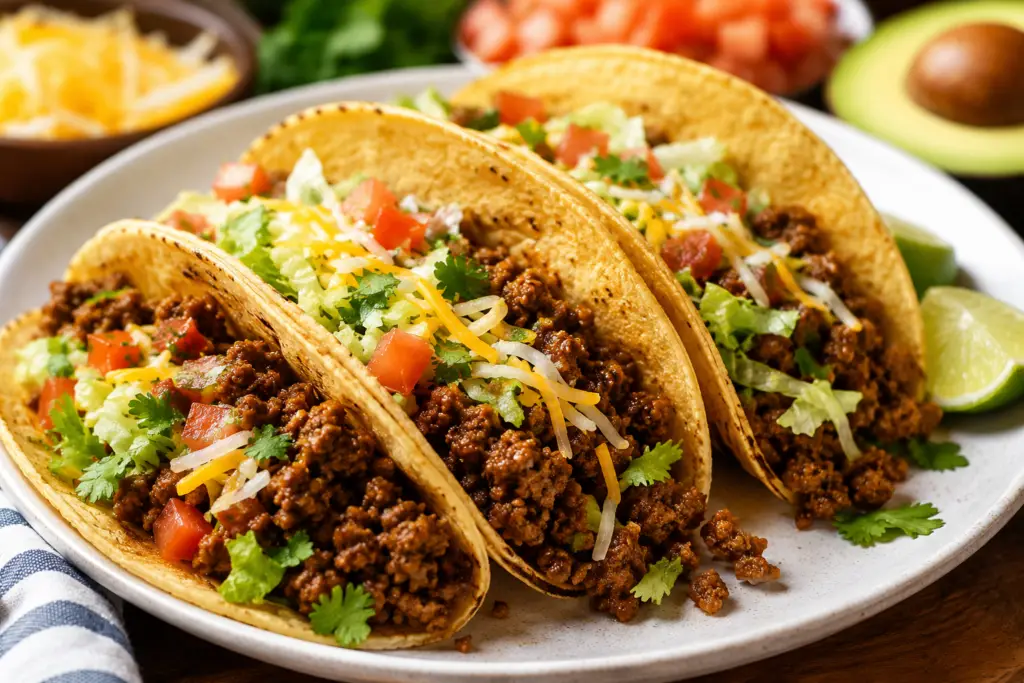
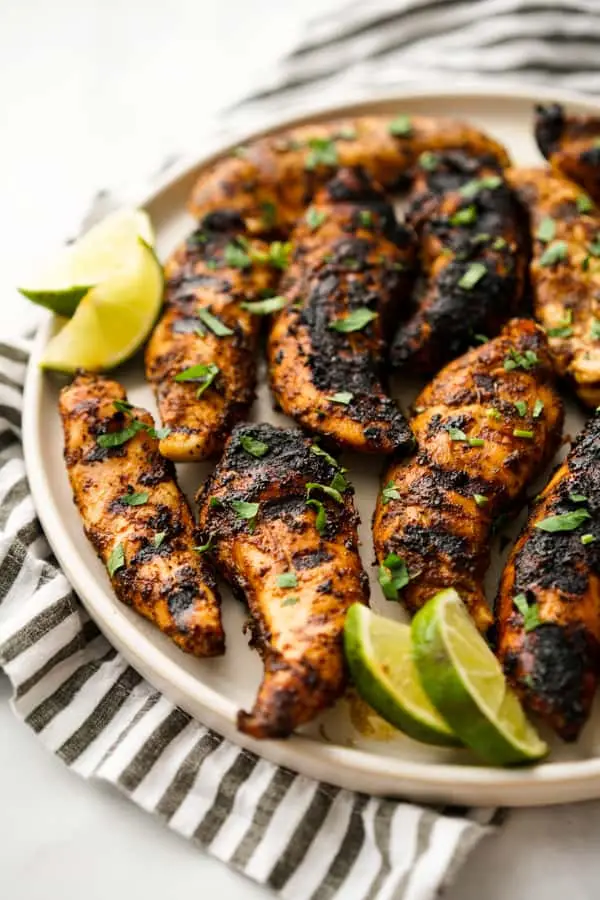
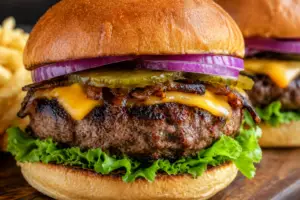
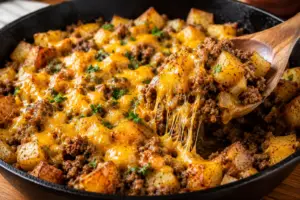
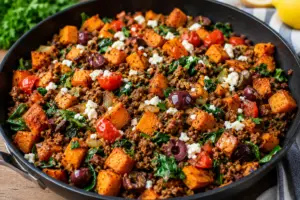
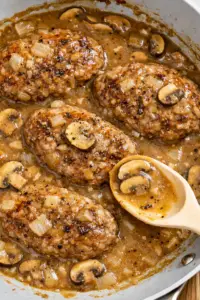
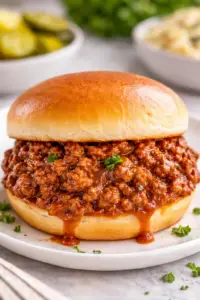
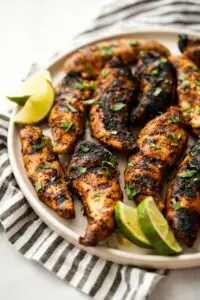
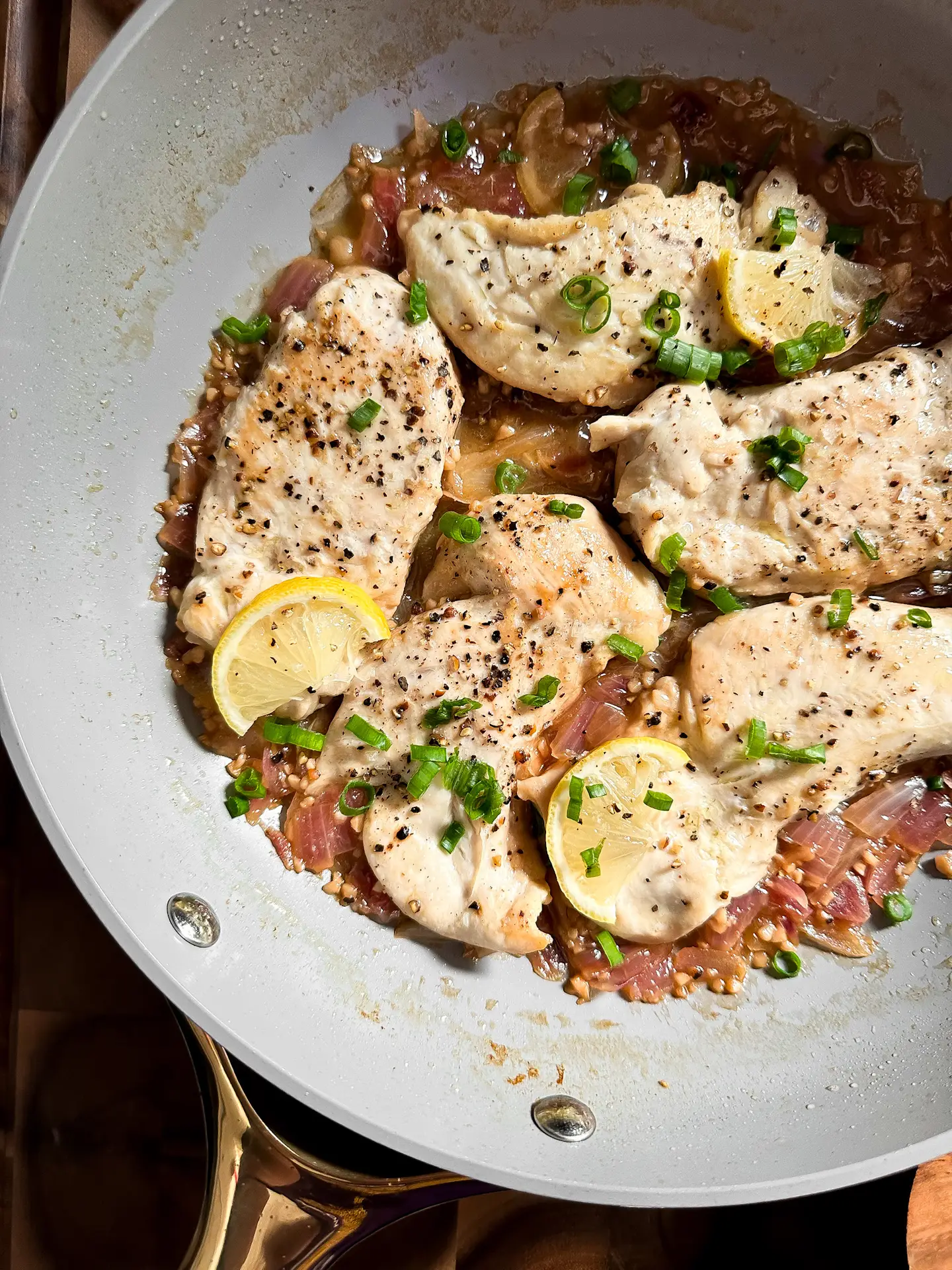
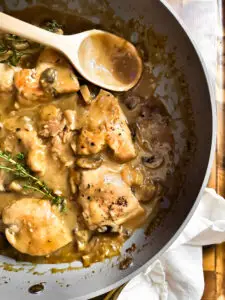
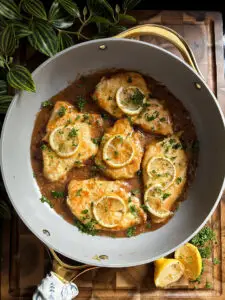
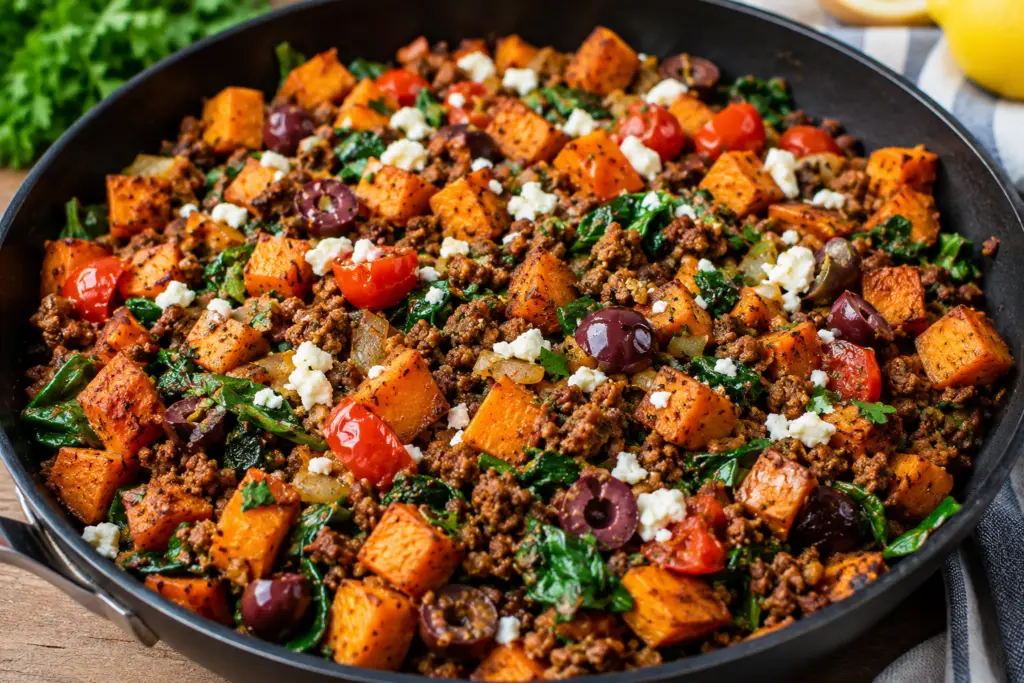
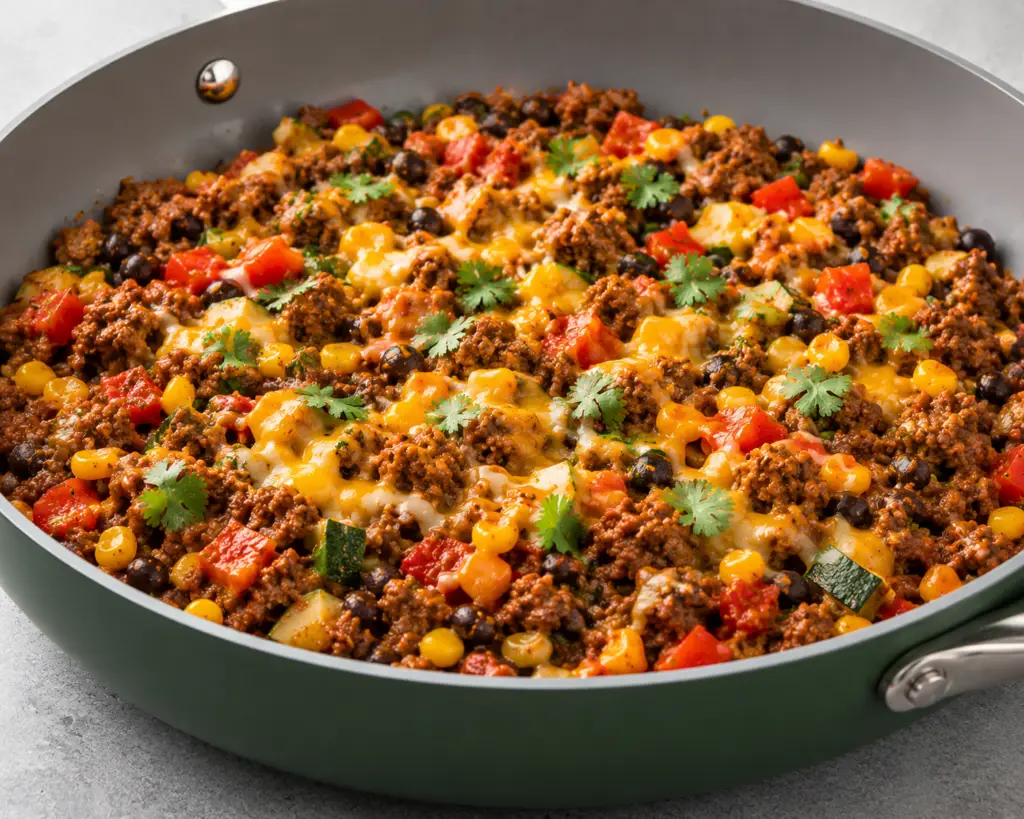
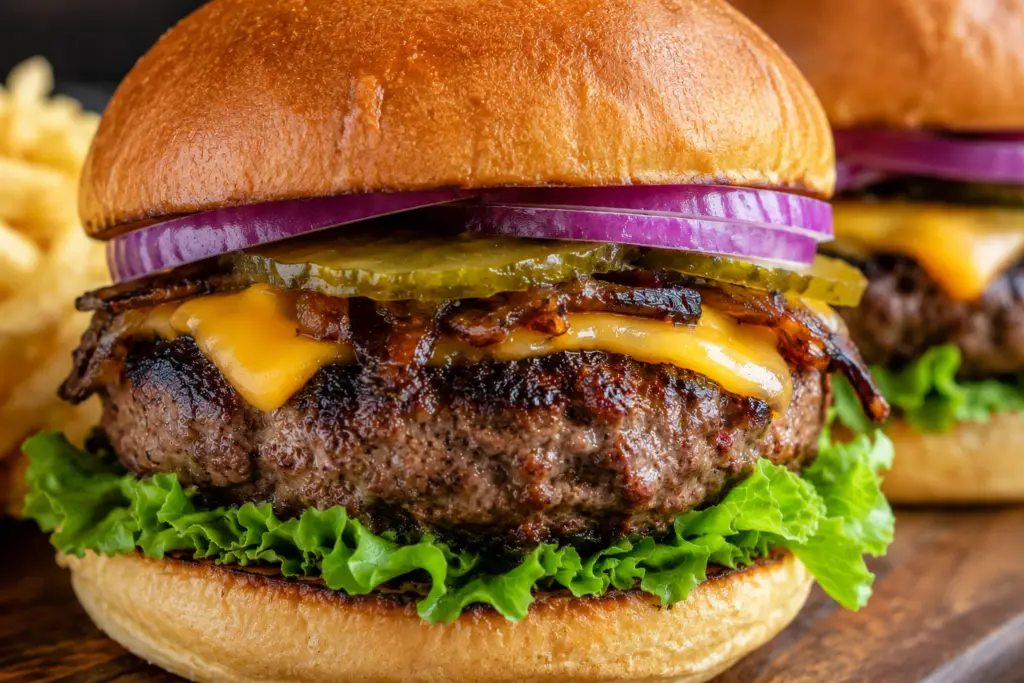
Skillet cooking shines for chicken recipes, especially boneless skinless cuts that need careful timing and high heat, and ground beef recipes where browning develops most of the flavor of the finished dish. For the broader technique library, cooking method has slow cooker, oven, and air fryer alternatives. Try Chicken Cordon Bleu Casserole for skillet chicken at its most weeknight-friendly, and Homemade Hamburger Helper as the one-skillet ground beef dinner that batch-cooks for the week.