Cooking Thanksgiving dinner does not have to mean spending the entire holiday rushing between the oven, stovetop, and refrigerator. A good Thanksgiving cooking timeline lets you spread the work across several days so you can enjoy the meal along with everyone else.
The trick is knowing which Thanksgiving dishes can be made ahead, which ones should wait until the morning of the holiday, and how to time the turkey so everything reaches the table warm.
This day-by-day Thanksgiving planning guide walks you through what to do one week before Thanksgiving, what to prep during the final few days, and how to schedule Thanksgiving Day cooking. The sample schedule is based on serving dinner at 4:00 p.m., but you can move each task earlier or later to match your plans.
Why You Need a Thanksgiving Cooking Timeline
Thanksgiving dinner often includes more dishes than an average family meal. You may be roasting a turkey, making gravy, baking pies, preparing mashed potatoes, assembling casseroles, and warming bread at the same time.
Without a plan, oven space disappears quickly and side dishes may be ready long before the turkey.
A Thanksgiving meal timeline helps you:
- Spread grocery shopping and cooking across several days
- Make use of refrigerator and freezer space
- Plan around limited oven space
- Keep hot foods warm without drying them out
- Avoid forgetting small items such as butter, ice, or serving utensils
- Leave enough time for the turkey to thaw and rest
- Spend more time with your guests
Many Thanksgiving recipes can be prepared earlier than you might think. Pie crust, cranberry sauce, casseroles, rolls, and even mashed potatoes can all be started before Thanksgiving Day.
Start by Choosing Your Thanksgiving Dinner Time
Before planning anything else, decide when you want to eat.
Once you have a serving time, work backward to determine when the turkey needs to enter the oven. Remember that the turkey needs time to roast and rest before carving.
For example, if you plan to eat at 4:00 p.m. and your turkey needs about 3½ hours to cook, it should go into the oven around 11:30 a.m. Allow another 30 to 45 minutes for resting.
Roasting times are estimates. Always use a meat thermometer to decide when the turkey is done.
How Much Time Does a Turkey Need to Thaw?
A frozen turkey needs approximately 24 hours of refrigerator thawing time for every 4 to 5 pounds.
Use this general refrigerator thawing guide:
- 4 to 12 pounds: 1 to 3 days
- 12 to 16 pounds: 3 to 4 days
- 16 to 20 pounds: 4 to 5 days
- 20 to 24 pounds: 5 to 6 days
Place the wrapped turkey on a rimmed baking sheet or inside a roasting pan before putting it in the refrigerator. This catches any liquid that may escape as the turkey thaws.
If your turkey is still frozen the day before Thanksgiving, use the cold-water thawing method. Keep the turkey in its original wrapping, submerge it in cold water, and change the water every 30 minutes. Allow about 30 minutes per pound.
Never thaw a turkey on the kitchen counter.
One Week Before Thanksgiving
Finalize Your Guest List
Confirm how many people will be eating so you can calculate how much food to buy.
Plan for approximately:
- 1 to 1½ pounds of whole turkey per person
- ½ cup of mashed potatoes per person
- ½ to ¾ cup of stuffing per person
- ½ cup of each vegetable side per person
- ¼ to ⅓ cup of cranberry sauce per person
- 1 to 2 dinner rolls per person
- 1 pie for every 6 to 8 guests
Buy a slightly larger turkey if you want plenty of leftovers for sandwiches, soup, casseroles, and turkey pot pie.
Plan the Thanksgiving Menu
Write down every dish you plan to serve, including appetizers, condiments, drinks, and desserts.
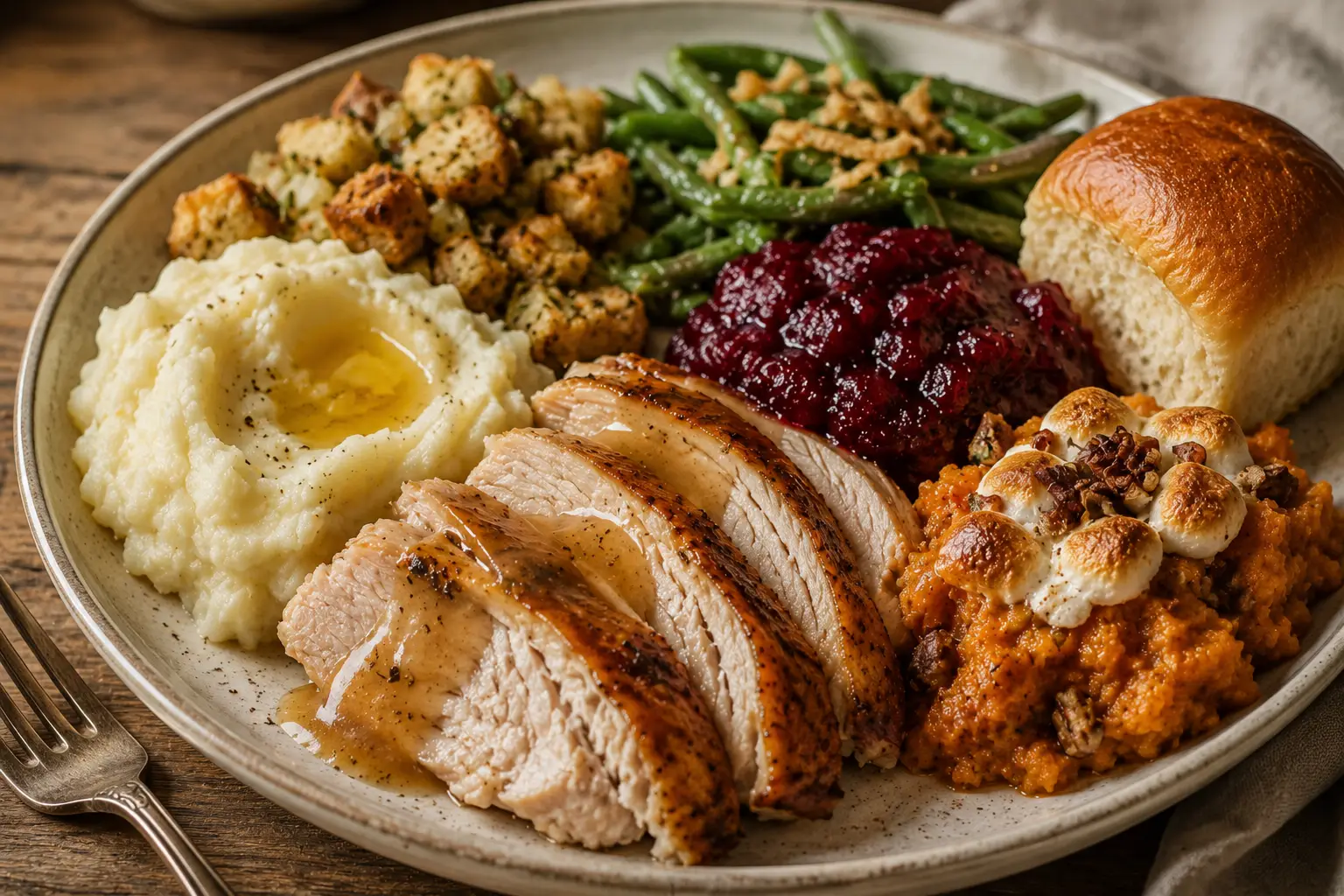
A traditional Thanksgiving menu might include:
- Roast turkey
- Turkey gravy
- Mashed potatoes
- Stuffing or dressing
- Green bean casserole
- Sweet potato casserole
- Cranberry sauce
- Dinner rolls
- Pumpkin pie
- Apple pie
Try to balance oven dishes with stovetop, slow cooker, air fryer, and no-cook recipes. If every side dish needs the oven at the same temperature, cooking everything on time becomes much harder.
Review Every Recipe
Read each recipe from beginning to end. Write down the cooking temperature, cooking time, pan size, and whether the dish can be made ahead.
Look for dishes that require the same equipment. You do not want to discover on Thanksgiving morning that three recipes need the same casserole dish or large saucepan.
Make Your Grocery List
Divide your list into categories such as produce, dairy, meat, pantry ingredients, frozen foods, and baking supplies.
Check the kitchen before shopping. Seasonal spices and baking ingredients are easy to assume you already have.
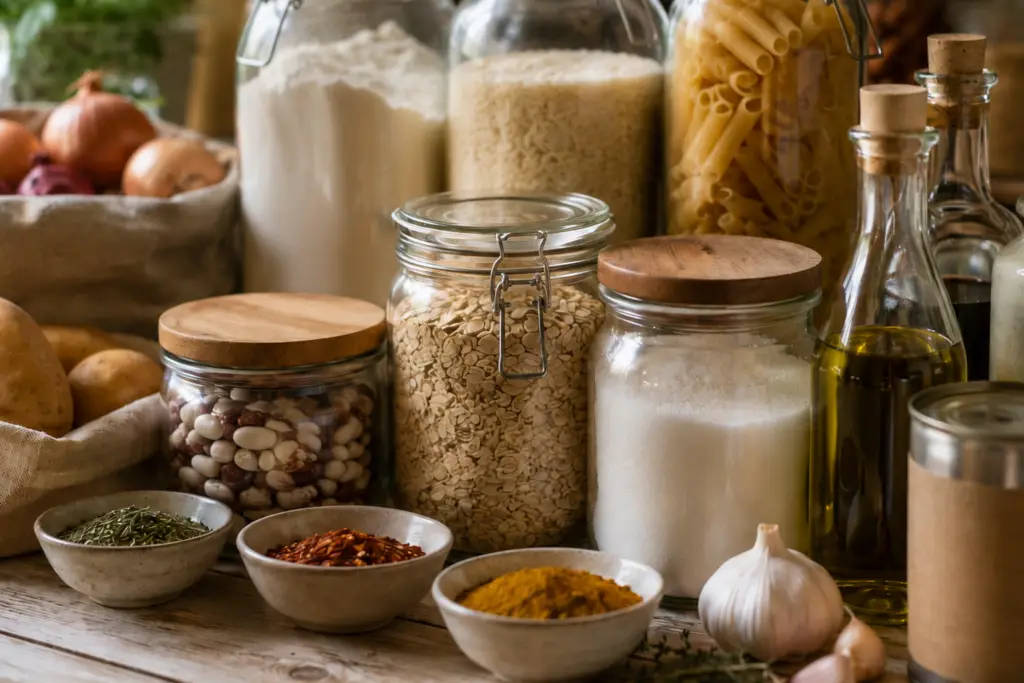
Commonly forgotten Thanksgiving ingredients include:
- Poultry seasoning
- Fresh herbs
- Chicken or turkey stock
- Cornstarch
- Flour
- Brown sugar
- Butter
- Eggs
- Heavy cream
- Evaporated milk
- Vanilla extract
- Pie crust ingredients
- Aluminum foil
- Parchment paper
- Cooking spray
- Food storage containers
- Ice
Check Your Cooking and Serving Equipment
Make sure you have:
- A roasting pan
- A meat thermometer
- A large cutting board
- A sharp carving knife
- Casserole dishes
- Pie plates
- Mixing bowls
- A potato masher or mixer
- Serving platters
- Gravy boats
- Serving spoons
- Trivets
- Slow cookers or warming trays
Wash any serving dishes that have been stored since last year.
Five to Six Days Before Thanksgiving
Begin Thawing a Large Frozen Turkey
Move a turkey weighing 20 to 24 pounds into the refrigerator five or six days before Thanksgiving.
Keep it wrapped and place it on the lowest refrigerator shelf. A rimmed pan will contain any leaks and help prevent raw turkey liquid from reaching other foods.
Clean Out the Refrigerator
Remove expired food and anything you will not use before the holiday. Group similar items together and clear space for the turkey, casseroles, pies, and prepared ingredients.
Avoid packing the refrigerator too tightly. Cold air needs room to move around the food.
Prepare Freezer-Friendly Items
Homemade pie dough, dinner rolls, biscuits, and some desserts can be prepared and frozen at this point.
You can also make turkey or chicken stock for gravy. Cool it fully before transferring it to an airtight container.
Three to Four Days Before Thanksgiving
Buy Perishable Groceries
Shop for fresh vegetables, herbs, dairy products, bread, and any remaining items.
Shopping a few days early gives you time to replace anything that is unavailable without dealing with the busiest holiday crowds.
Start Thawing a Medium Turkey
A turkey weighing 12 to 16 pounds should go into the refrigerator about three or four days before Thanksgiving.
Make Cranberry Sauce
Homemade cranberry sauce keeps well in the refrigerator for up to one week. Its flavor often gets better after sitting overnight.
Once cooled, transfer it to a covered container and refrigerate it. Move it to a serving bowl on Thanksgiving Day.
Make Pie Dough
Prepare pie dough, shape it into disks, wrap it well, and refrigerate it. Most homemade pie dough can stay refrigerated for about three days.
If you are using frozen pie dough, move it to the refrigerator according to the package directions.
Make Stock or Gravy Base
Homemade stock can be prepared several days before Thanksgiving. You can also cook a gravy base using butter, flour, and stock, then add turkey drippings on Thanksgiving Day.
This saves stovetop space when the rest of the meal is coming together.
Prepare Make-Ahead Appetizers
Cheese balls, flavored nuts, dips, and snack mixes can often be prepared several days early.
Keep the appetizer menu simple. A small snack is usually enough since a large dinner is coming.
Two Days Before Thanksgiving
Bake the Pies
Pumpkin pie, pecan pie, sweet potato pie, and apple pie can usually be baked one or two days before Thanksgiving.
Allow pies to cool fully before covering them. Refrigerate pies containing eggs, custard, cream, pumpkin, or sweet potato.
Apple and pecan pies can often be stored at room temperature for a short period, but follow the storage directions for your recipe.
Wait to add whipped cream until shortly before serving.
Dry the Bread for Stuffing
Cut bread into cubes and spread them on sheet pans. Leave them uncovered overnight, or toast them in a low oven until dry.
Dry bread absorbs broth and seasoning without turning gummy.
Chop Sturdy Vegetables
Onions, celery, carrots, and similar vegetables can be washed and chopped two days ahead.
Store each type in a separate airtight container. Labeling the containers can make assembly faster later.
Wait to cut potatoes until closer to cooking unless you plan to keep them fully covered with cold water in the refrigerator.
Make Desserts That Need Chilling
Prepare cheesecakes, pudding desserts, icebox cakes, or layered desserts that need plenty of refrigerator time.
Prepare Compound Butter
Mix softened butter with herbs, garlic, citrus zest, salt, and pepper. Refrigerate it in a covered container.
Herb butter can be spread over and under the turkey skin before roasting.
The Day Before Thanksgiving
The day before Thanksgiving is the best time to assemble side dishes and finish most of the prep work.
Prepare the Turkey
Remove the giblets and neck from the turkey cavities. Pat the turkey dry with paper towels.
Season the turkey or apply a dry brine according to your recipe. Return it to the refrigerator.
For crispier skin, leave the seasoned turkey uncovered in the refrigerator overnight. Make sure it is placed where it cannot touch other food.
Do not rinse raw turkey. Rinsing can spread bacteria around the sink and nearby counters.
Assemble the Stuffing
Cook the onions, celery, herbs, and other ingredients for your stuffing. Combine them with the dried bread and place the mixture in a baking dish.
Cover and refrigerate it overnight.
If the recipe contains eggs, add them when directed and keep the assembled stuffing cold. For safer and more even cooking, bake stuffing in a casserole dish instead of inside the turkey.
Assemble the Green Bean Casserole
Prepare the casserole, but leave off crispy onions, breadcrumbs, or other crunchy toppings.
Cover and refrigerate it. Add the topping shortly before baking so it stays crisp.
Assemble the Sweet Potato Casserole
Cook and mash the sweet potatoes, add the seasonings, and spread the mixture in the baking dish.
Cover and refrigerate. Wait to add marshmallows, nuts, or streusel until just before baking.
Prepare Mashed Potatoes
Mashed potatoes can be made the day before Thanksgiving.
Use enough butter and cream to keep them moist. Transfer them to a buttered casserole dish or slow cooker insert, cover, and refrigerate.
Reheat them slowly on Thanksgiving Day. Stir in a little warm milk, cream, or butter if they become too thick.
Make the Gravy Base
Prepare the gravy without turkey drippings. Refrigerate it overnight.
After the turkey comes out of the oven, whisk the pan drippings into the gravy and adjust the seasoning.
Set the Table
Set out plates, glasses, flatware, napkins, and serving dishes.
Place a small note inside each serving dish stating what goes in it. This also helps anyone assisting in the kitchen find the right bowl or platter.
Chill Drinks
Place wine, sparkling water, soda, and other drinks in the refrigerator or a separate cooler.
Complete a Final Kitchen Check
Before going to bed, check that:
- The turkey is thawed
- Casseroles are assembled
- Pies are baked
- Cranberry sauce is ready
- Drinks are cold
- Serving dishes are clean
- Butter is softened or ready to soften
- The meat thermometer works
- You have enough foil and food storage containers
Thanksgiving Day Cooking Timeline
This sample Thanksgiving Day schedule is designed for a 4:00 p.m. dinner with a 12 to 14-pound unstuffed turkey.
Turkey cooking times can vary, so follow your recipe and rely on the internal temperature rather than the clock alone.
8:00 a.m. Start the Morning
Have breakfast and clear the kitchen counters.
Remove butter or other ingredients that need to soften. Check your written schedule and make sure the sink and dishwasher are empty.
8:30 a.m. Prepare the Turkey
Remove the turkey from the refrigerator. Let it sit at room temperature for 30 to 60 minutes while you finish preparing it.
Do not leave raw turkey at room temperature for more than two hours.
Preheat the oven and place the turkey in the roasting pan. Add aromatics, herb butter, or oil as directed by your recipe.
9:30 a.m. Prepare Cold Items
Transfer cranberry sauce to its serving bowl.
Prepare salads without adding dressing. Cover and refrigerate them.
Arrange appetizers, but keep perishable foods cold until guests arrive.
10:30 a.m. Finish Side Dish Prep
Take casseroles out of the refrigerator so they can lose some of their chill before baking.
Add toppings to sweet potato casserole and green bean casserole when appropriate. Do not leave casseroles containing dairy or eggs at room temperature for longer than two hours.
11:15 a.m. Preheat the Oven
Preheat the oven to the temperature required by your turkey recipe.
Adjust the racks so the roasting pan fits comfortably.
11:30 a.m. Put the Turkey in the Oven
Roast the turkey according to your chosen method.
Avoid opening the oven door repeatedly. Each time the door opens, heat escapes and cooking may take longer.
Begin checking the turkey before the estimated finish time.
12:00 p.m. Set Up Drinks and Appetizers
Create a drink station away from the kitchen so guests do not gather around the cooking area.
Set out simple appetizers such as a cheese ball, vegetables and dip, spiced nuts, or crackers.
1:00 p.m. Prepare Stovetop Ingredients
Measure ingredients for gravy and place the saucepan, whisk, and seasonings near the stove.
If you did not prepare mashed potatoes ahead, peel and cut the potatoes now. Keep them covered in cold water until you are ready to boil them.
1:30 p.m. Check the Turkey
Rotate the roasting pan if your oven cooks unevenly.
If the skin is browning too quickly, loosely cover the turkey with foil. Do not wrap it tightly.
2:00 p.m. Start the Potatoes
If making fresh mashed potatoes, begin boiling them around 2:00 p.m.
When tender, drain them well and mash with butter, warm milk or cream, salt, and pepper. Cover and keep warm.
If reheating make-ahead mashed potatoes in a slow cooker, turn it on around this time.
2:30 p.m. Check the Turkey Temperature
Insert an instant-read thermometer into the thickest part of the thigh without touching the bone. Check the breast as well.
According to USDA guidance, turkey should reach a minimum internal temperature of 165°F in the thickest part of the breast, innermost part of the thigh, and innermost part of the wing.
2:45 to 3:00 p.m. Remove the Turkey
When the turkey reaches the proper temperature, remove it from the oven.
Transfer it to a cutting board and loosely tent it with foil. Let it rest for 30 to 45 minutes before carving.
A large turkey can stay warm during this resting period. Resting also gives the juices time to settle, making the meat easier to carve.
3:00 p.m. Bake the Side Dishes
Once the turkey comes out, adjust the oven temperature for the casseroles.
Bake the stuffing, green bean casserole, sweet potato casserole, and other hot sides. If dishes require slightly different temperatures, choose a temperature in the middle and adjust the baking time as needed.
Use the upper and lower oven racks, rotating the dishes halfway through.
3:05 p.m. Make the Gravy
Pour the turkey drippings into a fat separator or measuring cup. Skim away excess fat.
Add the drippings to your prepared gravy base. Simmer until hot and smooth. Taste before adding more salt because turkey drippings can already be salty.
3:15 p.m. Warm the Rolls
Wrap dinner rolls in foil and place them in the oven during the final 10 to 15 minutes of casserole baking.
If the oven is full, warm rolls in a slow cooker lined with a clean kitchen towel.
3:20 p.m. Finish the Cold Dishes
Dress the salad and remove cranberry sauce, butter, and other chilled condiments from the refrigerator.
Fill water glasses and place drinks on the table.
3:30 p.m. Carve the Turkey
Remove the legs and thighs first, followed by the breast meat and wings.
Arrange the carved turkey on a warmed platter. Spoon a small amount of warm broth over the meat if needed to keep it moist.
3:45 p.m. Move Everything to Serving Dishes
Transfer casseroles, mashed potatoes, gravy, rolls, vegetables, and other sides to the table or buffet.
Check that every dish has its own serving utensil.
4:00 p.m. Serve Thanksgiving Dinner
Dinner is ready, the turkey has rested, and the hot dishes have finished baking.
Take a moment to enjoy the meal you planned.
Quick Thanksgiving Day Timeline for a 4:00 p.m. Dinner
- 8:00 a.m.: Clear the kitchen and review the schedule
- 8:30 a.m.: Remove and prepare the turkey
- 9:30 a.m.: Prepare salads and cold dishes
- 10:30 a.m.: Remove casseroles from the refrigerator
- 11:15 a.m.: Preheat the oven
- 11:30 a.m.: Begin roasting the turkey
- 12:00 p.m.: Set up drinks and appetizers
- 1:30 p.m.: Check the turkey
- 2:00 p.m.: Prepare or reheat mashed potatoes
- 2:30 p.m.: Check the turkey temperature
- 2:45 to 3:00 p.m.: Remove and rest the turkey
- 3:00 p.m.: Bake casseroles
- 3:05 p.m.: Make the gravy
- 3:15 p.m.: Warm the rolls
- 3:20 p.m.: Finish cold dishes
- 3:30 p.m.: Carve the turkey
- 3:45 p.m.: Fill serving dishes
- 4:00 p.m.: Eat
How to Change the Timeline for a Different Dinner Time
If you are serving earlier or later, move the Thanksgiving Day schedule by the same amount.
For a 2:00 p.m. dinner, begin each Thanksgiving Day task two hours earlier.
For a 6:00 p.m. dinner, begin each task two hours later.
Base the final schedule on your turkey’s estimated cooking time. Add 30 to 45 minutes for resting, plus about 15 minutes for carving.
A simple way to calculate your turkey start time is:
Dinner time minus carving time minus resting time minus roasting time equals the time the turkey should go into the oven.
For example:
4:00 p.m. dinner minus 15 minutes for carving minus 45 minutes for resting minus 3½ hours of roasting means the turkey should enter the oven around 10:00 a.m.
Because turkey sizes and recipes vary, compare this calculation with the directions for your exact cooking method.
Best Thanksgiving Dishes to Make Ahead
These dishes are usually good choices for early preparation:
- Cranberry sauce: Make up to one week ahead
- Pie dough: Make up to three days ahead or freeze
- Pumpkin pie: Bake one or two days ahead
- Pecan pie: Bake one or two days ahead
- Apple pie: Bake one day ahead
- Stuffing: Assemble one day ahead
- Green bean casserole: Assemble one day ahead
- Sweet potato casserole: Assemble one day ahead
- Mashed potatoes: Make one day ahead
- Gravy base: Make one or two days ahead
- Dinner rolls: Bake ahead and freeze
- Cheese balls and dips: Make one or two days ahead
Always check the storage directions in your recipe, especially for dishes containing meat, eggs, milk, cream, or cheese.
How to Manage Limited Oven Space
The turkey takes up most of the oven for several hours, but that does not mean every side dish has to wait.
Use these ideas to free up oven space:
Use a Slow Cooker
Slow cookers work well for mashed potatoes, stuffing, sweet potatoes, creamed corn, or keeping gravy warm.
Use the Stovetop
Prepare gravy, mashed potatoes, glazed carrots, green beans, and corn on the stovetop.
Use an Air Fryer
An air fryer can warm rolls, roast vegetables, or crisp small servings while the oven is full.
Choose Make-Ahead Cold Dishes
Cranberry sauce, salads, relish trays, and chilled desserts do not need oven space.
Bake Casseroles After the Turkey
The turkey should rest before carving, giving you 30 to 45 minutes to bake or reheat casseroles.
Use Insulated Containers
A covered casserole dish wrapped in clean towels can hold heat for a short period. Make sure food stays at a safe temperature and is not held this way for too long.
How to Keep Thanksgiving Food Warm
Timing every dish perfectly is difficult, but most Thanksgiving foods can wait for a short period.
Try these methods:
- Keep mashed potatoes warm in a slow cooker on the warm setting
- Cover casseroles loosely with foil
- Warm serving dishes before filling them
- Keep gravy warm over very low heat and whisk it occasionally
- Place rolls in a towel-lined basket
- Add warm broth to sliced turkey if it begins to dry
- Use warming trays for cooked side dishes
Hot foods should be kept at 140°F or warmer if they will be held for an extended period.
Thanksgiving Food Safety Tips
Holiday cooking often means a crowded refrigerator and food sitting out longer than usual.
Keep these safety rules in mind:
- Thaw turkey in the refrigerator or in cold water, never on the counter
- Wash your hands after handling raw poultry
- Keep raw turkey away from produce and cooked food
- Use separate cutting boards for raw meat and vegetables
- Cook turkey to at least 165°F
- Refrigerate leftovers within two hours
- Divide large portions into shallow containers so they cool faster
- Eat refrigerated turkey and most cooked leftovers within three to four days
- Reheat leftovers to 165°F
- Freeze extra food if you will not eat it within a few days
What to Do After Thanksgiving Dinner
Once dinner ends, remove the remaining meat from the turkey bones and refrigerate it in shallow containers.
Store stuffing, potatoes, vegetables, gravy, and casseroles separately. Label containers with the date so you know what needs to be eaten first.
The turkey carcass can be used to make homemade stock. If you do not want to make stock right away, place the bones in a freezer-safe bag and freeze them.
Send guests home with leftovers only after setting aside what your household wants to keep.
More Thanksgiving Recipes to Try
Try a few of my favorites:
- Classic Herb Roasted Turkey
- Creamy Make-Ahead Mashed Potatoes
- Homemade Turkey Gravy
- Traditional Thanksgiving Stuffing
- Sweet Potato Casserole
- Green Bean Casserole
- Homemade Cranberry Sauce
- Easy Pumpkin Pie
- Southern Sweet Potato Cornbread
- Traditional Hot Honey Cornbread
- Thanksgiving Leftover Turkey Recipes
Final Thanksgiving Planning Tip
The best Thanksgiving cooking schedule is one that leaves breathing room. Finish as much as you can before the holiday, write down your Thanksgiving Day timing, and allow extra time for the turkey.
Not every dish has to reach the table at the exact second it finishes cooking. Keep hot foods warm, use the turkey’s resting time wisely, and ask for help with drinks, serving dishes, or cleanup.
A little planning during the week can turn Thanksgiving Day into a meal you get to enjoy instead of one you spend racing through.
Thanksgiving Cooking Timeline FAQs
How far in advance can I prepare Thanksgiving dinner?
You can begin preparing Thanksgiving dinner about one week ahead. Start with menu planning, shopping, freezer-friendly baking, and cranberry sauce. Most casseroles can be assembled one day ahead, while pies can usually be baked one or two days before the holiday.
What should I make first for Thanksgiving?
Start with foods that store well, such as cranberry sauce, pie dough, rolls, stock, and desserts. Save fresh salads, turkey roasting, gravy finishing, and bread warming for Thanksgiving Day.
What can I cook the day before Thanksgiving?
You can bake pies, make mashed potatoes, assemble stuffing, prepare casseroles, mix dips, make cranberry sauce, chop vegetables, and prepare a gravy base the day before Thanksgiving.
Can mashed potatoes be made ahead?
Yes. Make mashed potatoes one day ahead and refrigerate them in a covered dish. Reheat them in the oven, on the stovetop, or in a slow cooker. Add warm milk, cream, or butter if they need more moisture.
Can stuffing be prepared the night before?
Stuffing can be assembled the night before and refrigerated in a covered baking dish. Bake it on Thanksgiving Day until the center reaches a safe temperature. Do not leave it at room temperature overnight.
Can I prepare the turkey the night before?
Yes. Remove the giblets, pat the turkey dry, season it, and refrigerate it overnight. A dry-brined turkey can be left uncovered in the refrigerator to help the skin brown and crisp.
When should I take the turkey out of the refrigerator?
Take the turkey out about 30 to 60 minutes before roasting. Do not leave raw poultry at room temperature for more than two hours.
How early should the turkey go into the oven?
The answer depends on its weight, roasting temperature, and whether it is stuffed. Work backward from dinner time, allowing for the full roasting time, 30 to 45 minutes of resting, and about 15 minutes for carving.
How long should turkey rest before carving?
Let the turkey rest for at least 30 minutes. A large turkey may rest for up to 45 minutes. Loosely tent it with foil rather than wrapping it tightly.
What temperature should turkey reach?
Turkey should reach at least 165°F in the thickest part of the breast, innermost thigh, and innermost wing. Keep the thermometer away from the bone when checking.
How do I cook several Thanksgiving dishes with one oven?
Roast the turkey first, then bake the casseroles while it rests. Use the stovetop, slow cooker, and air fryer for other dishes. Choose a few cold or room-temperature sides to reduce oven use.
How do I keep the turkey warm while the side dishes bake?
Let the turkey rest under a loose foil tent. It should stay warm for 30 to 45 minutes. Avoid wrapping it tightly because trapped steam can soften the skin.
What time should I start cooking Thanksgiving dinner?
For a 4:00 p.m. dinner, morning preparation may begin around 8:00 a.m., with a 12 to 14-pound turkey entering the oven between 10:00 and 11:30 a.m., depending on the recipe. Always calculate the start time using the turkey’s weight and expected roasting time.
How long can Thanksgiving food sit out?
Perishable food should not sit at room temperature for more than two hours. Refrigerate turkey, gravy, stuffing, casseroles, dairy-based dishes, and other leftovers promptly.
How long do Thanksgiving leftovers last?
Most cooked Thanksgiving leftovers can be refrigerated for three to four days. Freeze anything you do not plan to eat within that time.