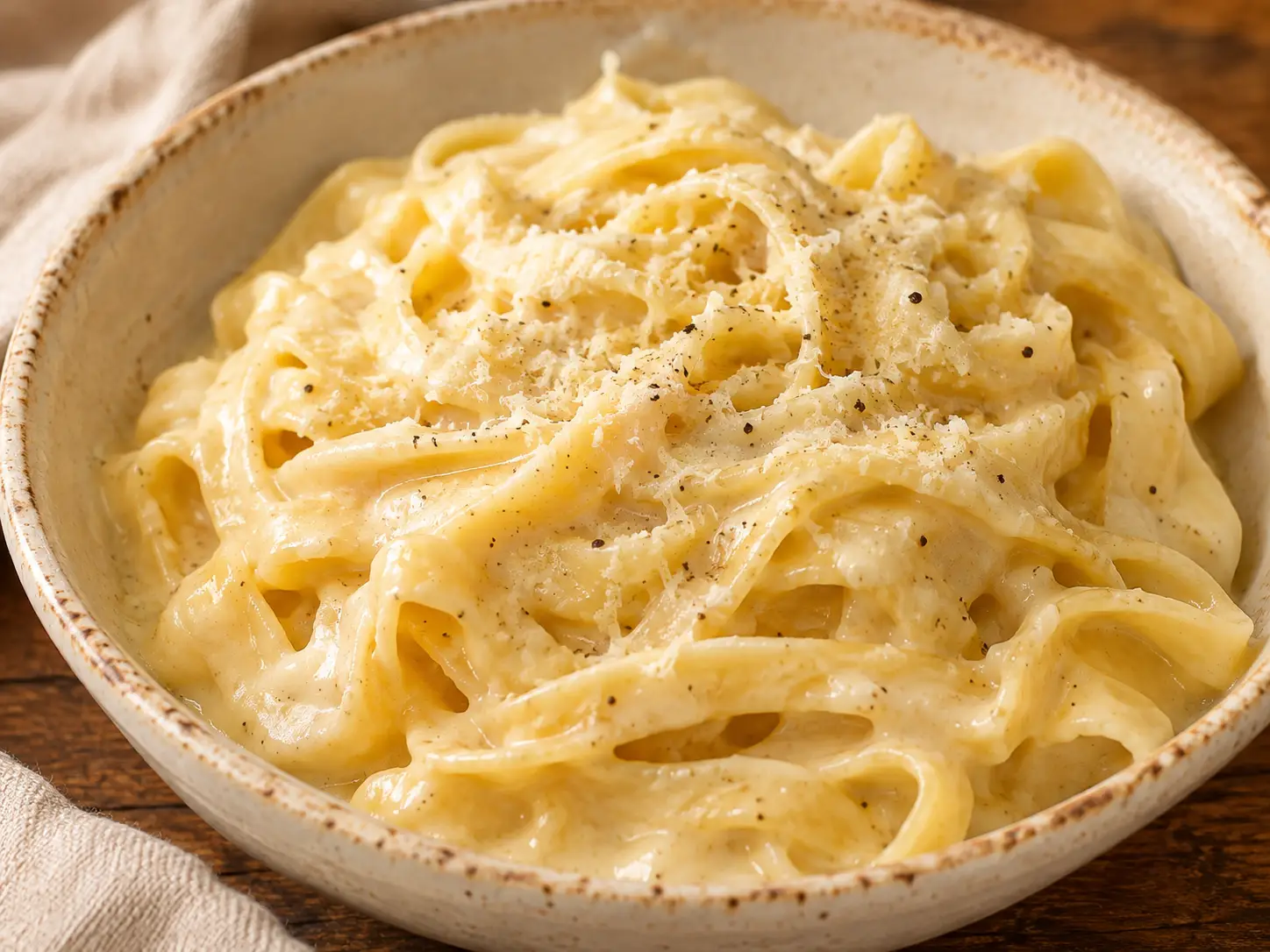
Copycat Olive Garden Alfredo Sauce
If you love the rich, buttery Alfredo sauce from Olive Garden, wait until you try making it at home! This Copycat Olive Garden Alfredo Sauce Recipe is thick, creamy, cheesy, and packed with that delicious garlic Parmesan flavor everyone loves. The best part? You can make it from scratch in about 20 minutes using simple ingredients you probably already have in your kitchen.
Forget the jarred Alfredo sauce! This homemade version combines butter, fresh garlic, heavy cream, Parmesan, and Romano cheese to create a smooth, restaurant-style sauce that coats every bite of pasta. It’s perfect for fettuccine Alfredo, chicken Alfredo, shrimp Alfredo, or even as a dipping sauce for warm breadsticks.
Whether you’re planning an easy weeknight dinner, cooking for a special occasion, or simply craving your favorite Olive Garden pasta, this recipe brings that comforting Italian-American restaurant flavor right into your kitchen.
And don’t worry if you’ve never made Alfredo sauce from scratch. I’ll walk you through every step, including how to keep the cheese from clumping, how to get the perfect consistency, and what to do if your sauce turns out too thick or thin.
Why You’ll Love This Copycat Olive Garden Alfredo Sauce
There’s something about Olive Garden’s Alfredo sauce that makes it hard to stop eating. It’s creamy without being overly heavy on the pasta, has just enough garlic, and delivers that delicious cheesy flavor in every bite.
Here’s why this homemade version deserves a spot in your regular dinner rotation:
Ready in 20 minutes: You can prepare the entire sauce while your pasta cooks.
Simple ingredients: Butter, garlic, cream, milk, and cheese do most of the work.
Restaurant-style flavor: Parmesan and Romano cheese give the sauce a rich, savory finish.
Perfectly creamy: A little flour helps the sauce stay smooth and cling to pasta.
Easy to customize: Add grilled chicken, shrimp, broccoli, or mushrooms.
Budget-friendly: Make enough sauce for the whole family without ordering takeout.
No complicated techniques: Just a saucepan, whisk, and a few minutes of stirring.
This is the kind of recipe you’ll want to keep handy whenever a craving for creamy pasta hits.
What Is Olive Garden Alfredo Sauce?
Olive Garden Alfredo sauce is an American-style creamy pasta sauce made with butter, cream, garlic, and Italian cheeses. Unlike traditional Italian Alfredo, which relies primarily on butter, Parmesan, and starchy pasta water, the restaurant-style version uses dairy to create a thicker, creamier consistency.
The result is a rich white sauce that pairs beautifully with fettuccine, chicken, seafood, and vegetables.
This homemade copycat recipe takes inspiration from those familiar flavors while using a combination of heavy cream, whole milk, Parmesan, Romano, and a small amount of flour to help create a smooth sauce.
It’s not Olive Garden’s official recipe, but it’s designed to give you that same comforting, creamy experience at home.
Ingredients for Copycat Olive Garden Alfredo Sauce
You don’t need a long grocery list to make delicious homemade Alfredo sauce. The ingredients are simple, but choosing the right ones makes a big difference in flavor and texture.
Best Cheese for Homemade Alfredo Sauce
If there’s one ingredient I wouldn’t cut corners on, it’s the cheese.
Freshly grated Parmesan melts much more smoothly than the pre-shredded cheese sold in bags. Packaged shredded cheese often contains anti-caking ingredients that can make Alfredo sauce grainy.
For the best flavor, I recommend using a combination of:
Parmesan: Nutty, salty, and rich.
Pecorino Romano: Sharper and slightly tangier, adding another layer of flavor.
If you only have Parmesan, you can use 2 cups of it instead. The sauce will still taste delicious, although the flavor will be a little milder.
Look for a block of real Parmesan or Parmigiano Reggiano and grate it just before cooking.
How to Make Copycat Olive Garden Alfredo Sauce
Making Alfredo sauce from scratch is easier than you might think. The secret is controlling the heat and adding the cheese slowly so everything melts into a smooth, creamy sauce.
Step 1: Melt the Butter
In a large saucepan or deep skillet, melt the butter over medium-low heat.
Once melted, add the minced garlic and cook for approximately 30 to 60 seconds, stirring frequently.
You want the garlic fragrant and softened, not browned. Burned garlic can make the sauce bitter.
Step 2: Add the Flour
Sprinkle the flour over the melted butter and garlic.
Whisk continuously for about 1 minute until the flour is completely incorporated and the mixture looks smooth and slightly bubbly.
This creates a light roux, which helps the Alfredo sauce thicken without requiring a long cooking time.
You don’t want the flour to turn brown. Keep the heat moderate and stir constantly.
Step 3: Slowly Add the Cream and Milk
Gradually pour in the heavy cream while whisking continuously.
Once the cream is incorporated, slowly add the whole milk.
Whisk until the mixture is smooth and there are no visible lumps.
Allow the sauce to heat gently over medium-low heat for approximately 3 to 5 minutes, stirring frequently.
It should begin to thicken slightly, but avoid letting it boil rapidly.
Step 4: Add the Parmesan and Romano Cheese
Reduce the heat to low, or briefly remove the saucepan from the burner if the sauce is very hot.
Add the freshly grated Parmesan and Romano cheese in small handfuls, whisking until each addition is melted before adding more.
Continue until all the cheese is incorporated and the sauce looks smooth and creamy.
Avoid boiling the sauce once the cheese has been added. High heat can cause the cheese to separate and create a grainy texture.
Step 5: Season the Sauce
Add the black pepper, a small amount of salt, and optional nutmeg.
Taste before adding additional salt because Parmesan and Romano are naturally salty.
Stir gently until everything is combined.
Step 6: Serve Immediately
Remove the sauce from the heat once it reaches your desired consistency.
Toss with freshly cooked fettuccine, spoon over grilled chicken, or serve alongside warm breadsticks.
For a full pasta dinner, this batch makes enough sauce for approximately 12 to 16 ounces of dry pasta, depending on how saucy you like it.
My tip: Save about 1 cup of pasta cooking water before draining your noodles. Adding a tablespoon or two at a time can help loosen the sauce and make it coat the pasta beautifully.
The Secret to Creamy Olive Garden Alfredo Sauce
Have you ever made homemade Alfredo sauce only to have it turn grainy, oily, or too thick?
It usually comes down to three things: cheese, heat, and timing.
1. Use Freshly Grated Cheese
Fresh Parmesan and Romano melt more evenly than packaged shredded cheese.
Finely grate the cheese so it melts quickly without requiring additional heat.
2. Keep the Heat Low
Alfredo sauce doesn’t need to boil aggressively.
Gentle heat allows the cream and cheese to blend without separating.
3. Add Cheese Gradually
Dumping all the cheese into the saucepan at once can cause clumping.
Add small handfuls, stirring until each addition melts before adding more.
4. Don’t Overcook the Sauce
Alfredo sauce continues to thicken as it cools.
Remove it from the heat when it’s slightly thinner than your ideal serving consistency.
5. Toss the Pasta With the Sauce
Instead of simply pouring Alfredo sauce over a plate of pasta, try tossing the freshly cooked noodles directly into the saucepan.
This coats every strand and helps the sauce cling to the pasta.
How Thick Should Alfredo Sauce Be?
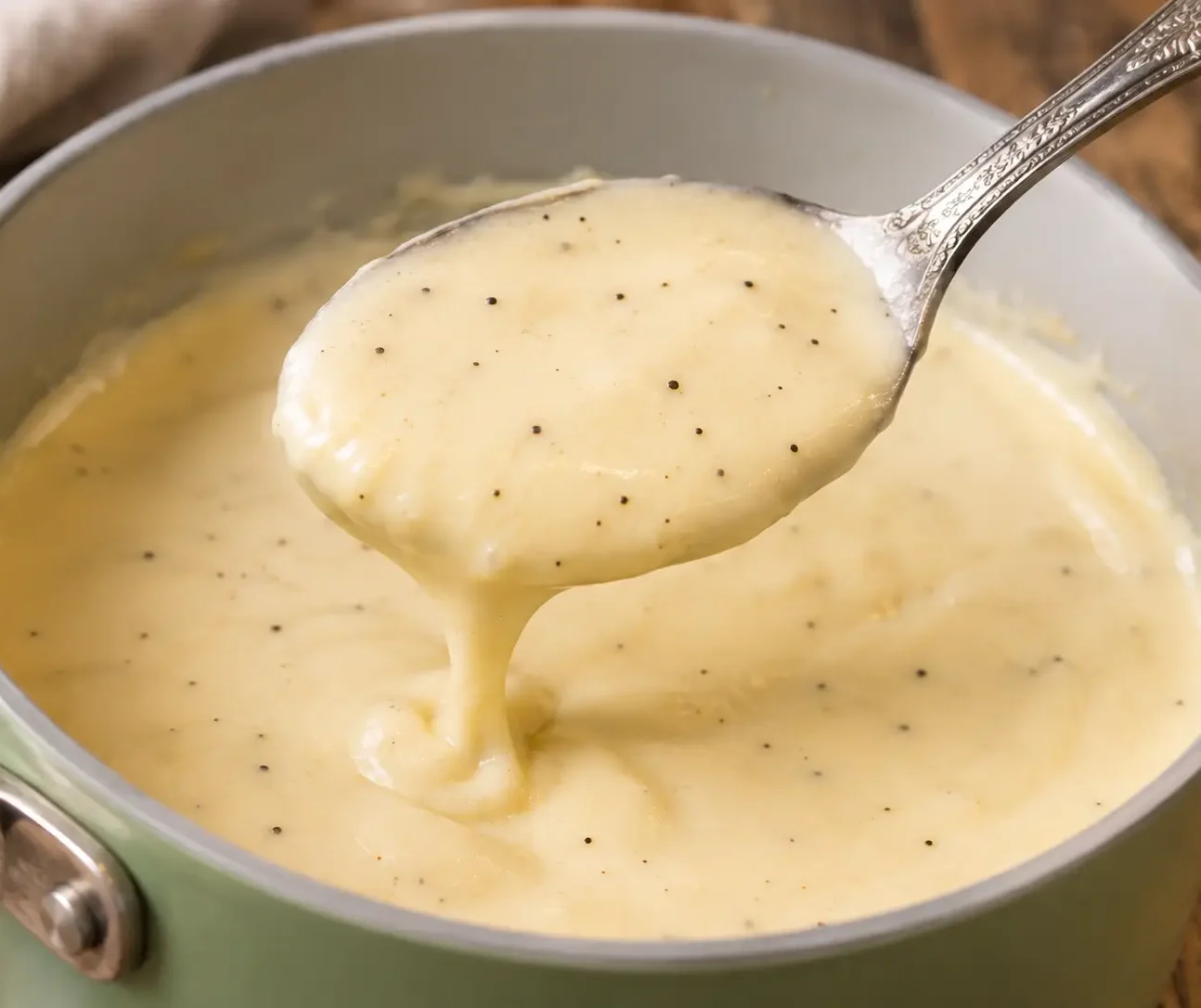
A good Alfredo sauce should be thick enough to coat the back of a spoon while still flowing smoothly.
It shouldn’t look like paste, and it shouldn’t be so thin that it pools at the bottom of your plate.
When you lift a spoon from the saucepan, the sauce should leave a creamy coating.
Keep in mind that Parmesan cheese, flour, and cooling will all contribute to thickening.
If you’re serving the sauce with pasta, leave it slightly thinner than you would for dipping breadsticks. Pasta absorbs moisture, especially as it sits.
How to Fix Alfredo Sauce That’s Too Thick
If your Alfredo sauce thickens more than expected, don’t worry. It’s usually easy to fix.
Add 1 to 2 tablespoons of warm milk, cream, or reserved pasta water at a time.
Whisk gently over low heat until the sauce reaches your preferred consistency.
Continue adding small amounts of liquid as needed.
Avoid adding too much at once because you can quickly turn a thick sauce into a watery one.
For leftover Alfredo sauce, warm milk is especially helpful for restoring its creamy consistency.
How to Thicken Alfredo Sauce That’s Too Thin
If your Alfredo sauce looks too thin, give it a little more time before adding anything else.
Because this recipe includes flour, the sauce will thicken as it gently simmers.
Try these methods:
Simmer gently: Let the sauce cook for another 2 to 3 minutes, stirring frequently, before adding the cheese.
Allow it to rest: Alfredo sauce naturally thickens as it cools slightly.
Add a little more Parmesan: A small amount of finely grated cheese can help give the sauce more body.
Use the correct dairy: Heavy cream produces a thicker sauce than milk alone.
Avoid adding dry flour directly to finished Alfredo sauce. It can create lumps and leave an unpleasant flour taste.
Why Is My Alfredo Sauce Grainy?
Grainy Alfredo sauce is one of the most common problems when making this recipe.
Usually, it happens because the cheese was heated too quickly or the sauce became too hot.
Other causes include:
Using packaged shredded Parmesan.
Adding cheese while the sauce is boiling.
Cooking the finished sauce over high heat.
Using coarsely grated cheese that doesn’t melt easily.
Can You Fix Grainy Alfredo Sauce?
Sometimes!
Remove the saucepan from the heat and allow it to cool slightly.
Add a small splash of warm cream or milk and whisk gently.
If the sauce is only mildly grainy, this may help smooth it out.
However, if the cheese proteins have tightened and separated from excessive heat, the sauce may not return to a completely smooth texture.
Prevention is the best approach, so always keep the heat low when adding cheese.
Olive Garden Alfredo Sauce vs. Traditional Alfredo Sauce
Although both versions are delicious, they’re made differently.
Traditional Alfredo | Olive Garden-Style Alfredo |
|---|---|
Butter and Parmesan | Butter, cream, milk, and cheese |
Pasta water helps create the sauce | Dairy creates the creamy base |
No flour needed | May use flour for thickness |
Lighter texture | Richer, thicker texture |
Best tossed immediately with pasta | Great for pasta, chicken, and dipping |
Traditional fettuccine Alfredo is known for its simple ingredients and technique. Olive Garden’s American-style version is creamier and works well with a wider variety of dishes.
If you love the sauce served at the restaurant, this copycat version is the one you’ll want to make.
Best Pasta to Serve With Alfredo Sauce
Fettuccine may be the classic choice, but Alfredo sauce works with several different pasta shapes.
Fettuccine: Wide, flat noodles that hold creamy sauce beautifully.
Linguine: Slightly thinner than fettuccine but equally delicious.
Penne: The hollow centers catch the sauce.
Rigatoni: A great choice for chicken Alfredo or baked pasta.
Rotini: The spiral shape holds plenty of creamy sauce.
Angel hair: A lighter pasta option, although you’ll want to use less sauce.
For the closest Olive Garden-style experience, I recommend fettuccine cooked just until al dente.
What to Serve With Copycat Olive Garden Alfredo Sauce
This homemade Alfredo sauce is delicious on its own, but you can easily turn it into a complete dinner.
Chicken Alfredo
Add sliced grilled, baked, or pan-seared chicken breast over fettuccine Alfredo.
Season the chicken with garlic powder, Italian seasoning, salt, and pepper before cooking.
Shrimp Alfredo
Sauté shrimp in a little butter and garlic until pink and cooked through.
Toss with Alfredo sauce and your favorite pasta.
Broccoli Alfredo
Add steamed or lightly sautéed broccoli florets to the finished pasta.
The broccoli pairs beautifully with the creamy cheese sauce.
Steak Alfredo
Top your pasta with thinly sliced, pan-seared steak for a rich and filling dinner.
Alfredo Pizza
Use a thin layer of Alfredo sauce instead of tomato sauce on homemade pizza.
Add mozzarella, grilled chicken, spinach, and mushrooms.
Breadstick Dipping Sauce
Serve warm Alfredo sauce alongside homemade breadsticks or garlic bread.
This is especially delicious when the sauce is slightly thicker.
Easy Alfredo Sauce Variations
Once you’ve made the basic recipe, you can change it depending on what you’re serving.
Extra Garlic Alfredo Sauce
Increase the garlic to 5 or 6 cloves for a stronger garlic flavor.
Cajun Alfredo Sauce
Add 1 to 2 teaspoons of Cajun seasoning for a slightly spicy version. Start with less and adjust to taste.
Spinach Alfredo Sauce
Stir in 2 cups of fresh baby spinach just before serving. Allow it to wilt into the warm sauce.
Mushroom Alfredo Sauce
Sauté sliced mushrooms separately until golden brown, then stir them into the finished sauce.
Spicy Alfredo Sauce
Add a pinch of crushed red pepper flakes or a small amount of cayenne pepper.
Lighter Alfredo Sauce
Replace some of the heavy cream with additional whole milk.
The finished sauce will be less rich and may require additional gentle simmering to thicken.
I wouldn’t recommend replacing all the heavy cream if you’re trying to recreate Olive Garden’s signature creamy texture.
Can You Make Olive Garden Alfredo Sauce Without Heavy Cream?
Yes, although the sauce won’t have quite the same richness or consistency.
If you don’t have heavy cream, you can make a milk-based Alfredo sauce using butter, flour, whole milk, and freshly grated Parmesan.
The flour helps thicken the milk, creating a creamy white sauce.
For this recipe, replace the 2 cups of heavy cream and 1 cup of whole milk with 3 cups of whole milk. The sauce will be lighter, and you may need to simmer it a little longer before adding the cheese.
Avoid using skim milk if you’re looking for a rich, restaurant-style result.
Can You Make Alfredo Sauce Without Flour?
Absolutely!
Flour isn’t required for Alfredo sauce, but it helps create the thicker consistency associated with many American restaurant-style versions.
If you prefer a flourless sauce, omit the 2 tablespoons of flour and reduce the milk from 1 cup to ½ cup.
Allow the cream to simmer gently until slightly reduced before adding the cheese.
The finished sauce may be a little thinner, but it will still be creamy and delicious.
For a gluten-free Alfredo sauce, this flourless variation is a good option. Just check that your cheese and other ingredients are gluten-free.
How to Store Homemade Alfredo Sauce
Homemade Alfredo sauce is best enjoyed fresh, but leftovers can be stored for another meal.
Refrigerator
Allow the sauce to cool slightly, then transfer it to an airtight container.
Refrigerate promptly and store for up to 3 to 4 days.
Freezer
Cream-based sauces can separate after freezing and thawing, so freezing isn’t my first choice.
If needed, freeze Alfredo sauce in an airtight, freezer-safe container for up to 2 months for best quality.
Thaw overnight in the refrigerator before reheating.
The texture may be less smooth than freshly made sauce.
How to Reheat Alfredo Sauce
The best way to reheat Alfredo sauce is slowly over low heat.
Place the sauce in a saucepan and add a splash of milk or cream.
Stir gently until warmed through.
Avoid boiling, which can cause the sauce to separate.
If reheating Alfredo pasta, add a little milk to help loosen the sauce as the noodles warm.
Reheat leftovers to 165°F for food safety.
Can You Make Alfredo Sauce Ahead of Time?
Yes, but I recommend making it fresh whenever possible.
Alfredo sauce takes only about 20 minutes to prepare, and its texture is best right after cooking.
If you’re preparing it ahead of time, refrigerate the sauce separately from the pasta.
When you’re ready to serve, gently reheat it with a splash of milk or cream, then toss it with freshly cooked pasta.
Keeping the pasta and sauce separate prevents the noodles from absorbing too much liquid during storage.
Common Mistakes to Avoid When Making Alfredo Sauce
Even though this is an easy recipe, a few small mistakes can affect the finished sauce.
Using high heat: Alfredo sauce needs gentle heat, especially once the cheese is added.
Adding cold cheese all at once: Small handfuls of finely grated cheese melt more evenly.
Using pre-shredded cheese: Anti-caking ingredients can interfere with smooth melting.
Skipping the whisk: Whisking helps the flour blend into the cream without lumps.
Adding too much salt: Taste the sauce after adding Parmesan and Romano before seasoning further.
Overcooking the sauce: It continues to thicken as it cools, so remove it from the heat before it becomes too thick.
Rinsing your pasta: Don’t rinse freshly cooked pasta for Alfredo. The starch on the noodles helps the sauce cling.
My Favorite Tips for the Best Homemade Alfredo Sauce
After making creamy sauces at home, I’ve found that a few simple habits make a big difference.
First, have all your ingredients measured and ready before you turn on the stove. Alfredo sauce comes together quickly, and you don’t want to be grating cheese while the cream is already simmering.
Second, use a heavy-bottomed saucepan or a good-quality nonstick pot. Even heating helps prevent scorching, especially with dairy-based sauces.
Third, keep the sauce moving with a whisk or silicone spatula. You don’t need to stir aggressively, but regular stirring helps everything blend.
And finally, serve it right away. Fresh Alfredo sauce has the best texture when it’s warm, creamy, and tossed with pasta just before serving.
More Recipes to Try
If you love making restaurant favorites at home, here are a few more copycat recipes worth adding to your dinner rotation.
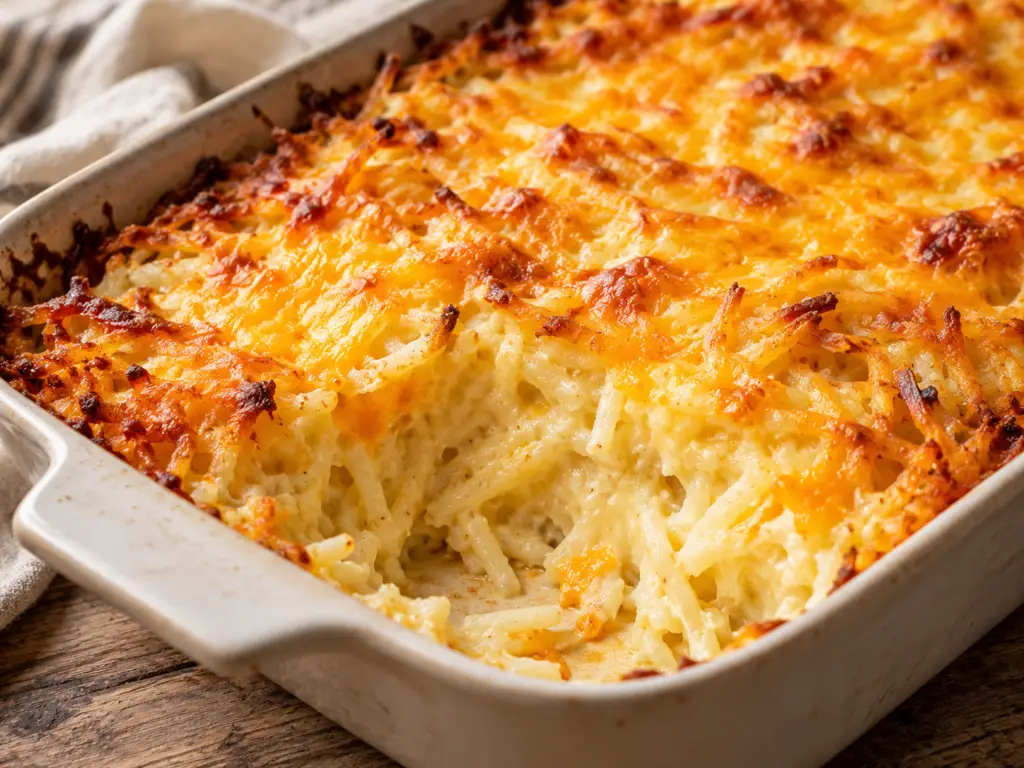
Copycat Chick-fil-A Mac and Cheese: Rich, cheesy macaroni with a creamy sauce and golden baked cheese topping.
Copycat Olive Garden Zuppa Toscana: A cozy soup made with Italian sausage, potatoes, kale, and creamy broth.
Copycat Panera Broccoli Cheddar Soup: Thick, cheesy soup loaded with tender broccoli and carrots.
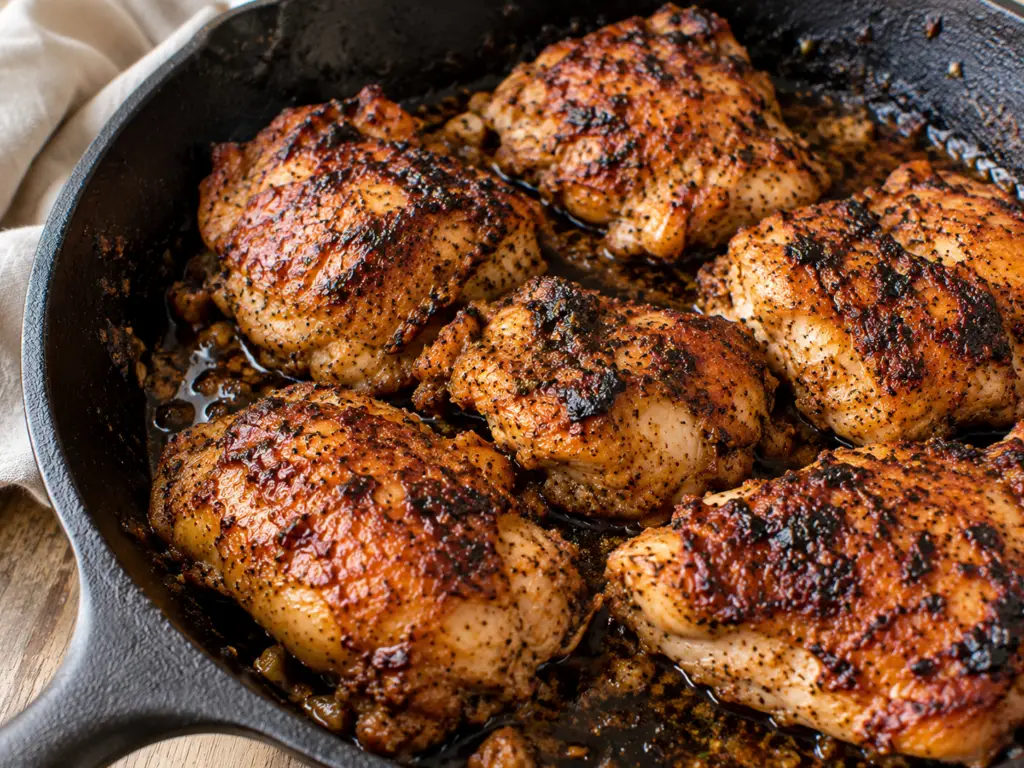
Copycat Chipotle Chicken: Smoky, juicy chicken with delicious caramelized edges.
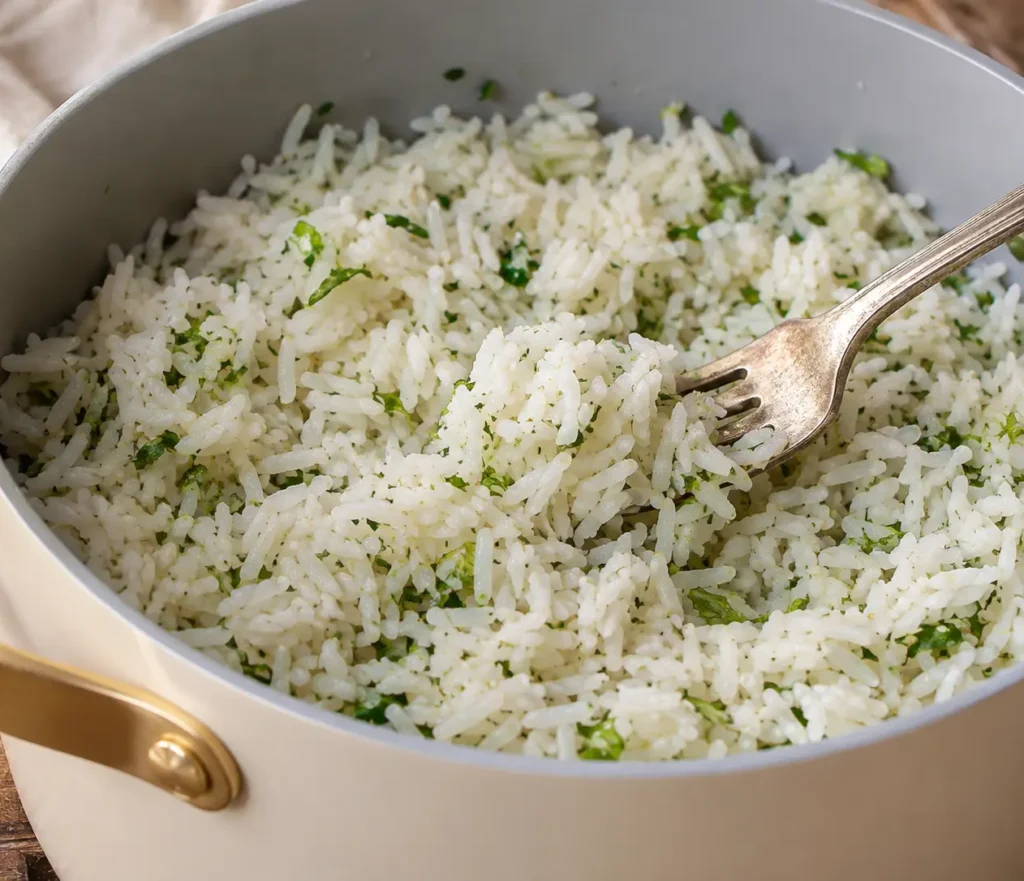
Copycat Chipotle Cilantro Lime Rice: Fluffy, flavorful rice that pairs with burrito bowls and Mexican-inspired dinners.
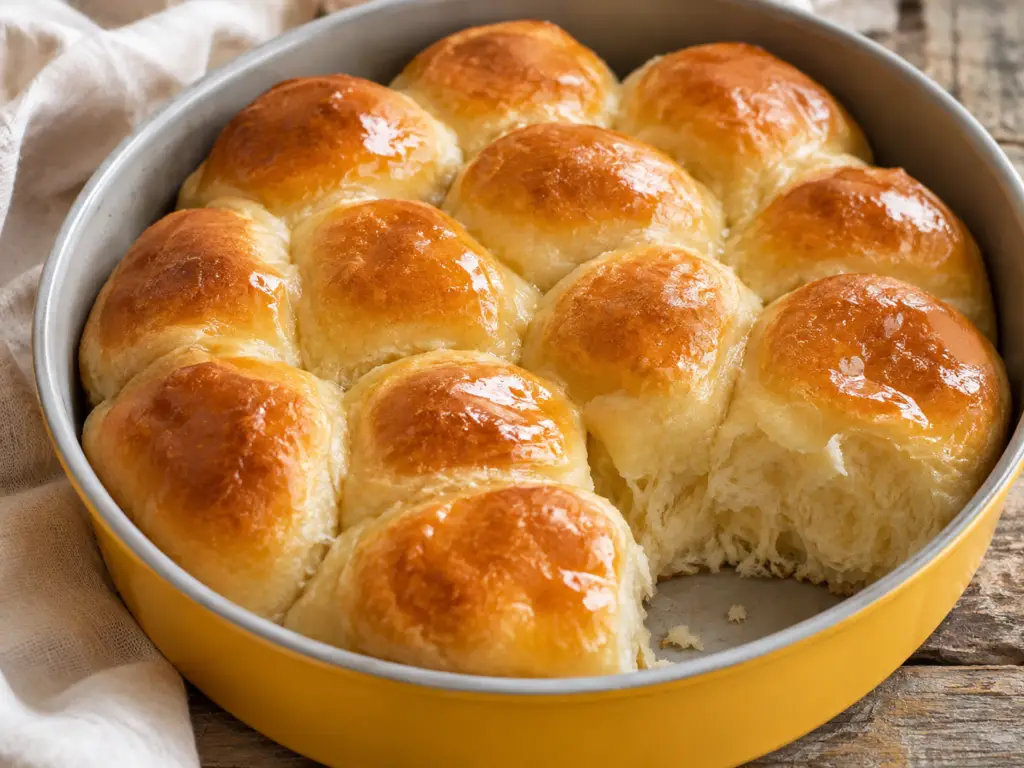
Copycat Texas Roadhouse Rolls: Soft, buttery dinner rolls perfect for serving alongside pasta.
Before You Go
There’s a reason Olive Garden’s Alfredo sauce is such a favorite. It’s buttery, creamy, full of Parmesan flavor, and makes even a simple bowl of pasta feel special.
The good news is you don’t need to leave home to enjoy it.
With a few basic ingredients and about 20 minutes, you can make a homemade Alfredo sauce that’s rich, smooth, and delicious enough to rival your favorite restaurant version.
Serve it with fettuccine, add grilled chicken or shrimp, or keep a little extra on the side for dipping warm breadsticks.
Once you see how easy it is to make Alfredo sauce from scratch, you might skip the jarred sauce altogether.
If you try this Copycat Olive Garden Alfredo Sauce Recipe, I’d love to hear how it turned out! Leave a comment and let me know whether you served it with pasta, chicken, shrimp, or something else.
Frequently Asked Questions About Olive Garden Alfredo Sauce
What is Olive Garden Alfredo sauce made of?
Olive Garden-style Alfredo sauce is made with butter, cream, garlic, and Italian cheeses such as Parmesan and Romano. Some homemade copycat versions also include milk and flour to create a thicker, creamier sauce.
What makes Olive Garden Alfredo sauce so creamy?
The combination of heavy cream, butter, and finely grated cheese creates its rich consistency. Gentle heat and proper mixing help keep the sauce smooth.
Is Alfredo sauce better with milk or heavy cream?
Heavy cream produces a richer, thicker Alfredo sauce. Whole milk can be used for a lighter version, but it won’t have quite the same restaurant-style texture.
Can I use grated Parmesan cheese from a container?
Freshly grated Parmesan is the best choice. Shelf-stable grated Parmesan often doesn’t melt as smoothly and may leave the sauce grainy.
Why does my Alfredo sauce separate?
Alfredo sauce can separate when it’s overheated or when the cheese is added to a sauce that’s too hot. Keep the heat low and add the cheese gradually.
How do I make Alfredo sauce taste more like Olive Garden?
Use heavy cream, real butter, fresh garlic, and a combination of Parmesan and Romano cheese. The Romano adds a slightly sharper flavor that helps recreate the familiar restaurant-style taste.
Does Olive Garden Alfredo sauce contain cream cheese?
This copycat recipe doesn’t use cream cheese. While some homemade Alfredo recipes include it for thickness, butter, cream, and Italian cheeses create a more classic restaurant-style flavor.
Can I use half-and-half instead of heavy cream?
Yes, but the sauce will be thinner and less rich. You may need to simmer it a little longer to reach your desired consistency.
How much pasta does this Alfredo sauce recipe cover?
This recipe makes approximately 3½ to 4 cups of sauce, enough for about 12 to 16 ounces of dry pasta, depending on how much sauce you prefer.
Can I make Alfredo sauce gluten-free?
Yes. Omit the flour and reduce the milk to ½ cup, allowing the cream to thicken gently before adding the cheese. Use gluten-free pasta and check ingredient labels as needed.
Can you freeze homemade Alfredo sauce?
Yes, although cream-based sauces may separate when thawed. For the best flavor and texture, enjoy Alfredo sauce fresh or refrigerate leftovers for up to 3 to 4 days.
What’s the best way to reheat Alfredo sauce without separating it?
Warm it slowly in a saucepan over low heat with a splash of milk or cream. Stir frequently and avoid boiling.
Can I use this Alfredo sauce for lasagna?
Absolutely! This creamy Alfredo sauce works beautifully in white lasagna, chicken lasagna, and other baked pasta dishes.
Is this the exact Olive Garden Alfredo sauce recipe?
No. This is an original homemade copycat recipe inspired by the flavor and texture of Olive Garden’s Alfredo sauce, not an official restaurant recipe.
Copycat Olive Garden Alfredo Sauce
Ingredients
- ½ cup unsalted butter
- 4 cloves garlic finely minced
- 2 tablespoons all-purpose flour
- 2 cups heavy whipping cream
- 1 cup whole milk
- 1½ cups freshly grated Parmesan cheese
- ½ cup freshly grated Romano cheese
- ½ teaspoon black pepper
- ¼ teaspoon salt or to taste
- Pinch of nutmeg optional
 Get Recipe Ingredients
Instructions
- Melt butter in a large saucepan over medium-low heat. Add garlic and cook for 30 to 60 seconds until fragrant.
- Whisk in flour and cook for 1 minute, stirring constantly.
- Slowly add heavy cream, followed by whole milk, whisking until smooth.
- Cook over medium-low heat for 3 to 5 minutes until the sauce begins to thicken, without boiling rapidly.
- Reduce heat to low or remove from the burner. Gradually whisk in Parmesan and Romano until melted and smooth.
- Season with black pepper, salt, and optional nutmeg. Taste and adjust.
- Remove from heat and serve immediately over cooked pasta, or use as a dipping sauce.
Notes
Recipe Notes
-
Freshly grated cheese melts best.
-
Keep the heat low after adding cheese.
-
Thin with warm milk or pasta water if needed.
-
Store refrigerated in an airtight container for 3 to 4 days.
-
For a gluten-free version, omit flour and reduce milk to ½ cup.
Estimated Nutrition Per Serving
Serving Size: ½ cup
Servings: 8
Calories: 480 kcal
Total Fat: 44 g
Saturated Fat: 27 g
Trans Fat: 0 g
Cholesterol: 135 mg
Sodium: 450 mg
Total Carbohydrates: 6 g
Dietary Fiber: 0 g
Total Sugars: 3 g
Protein: 15 g