
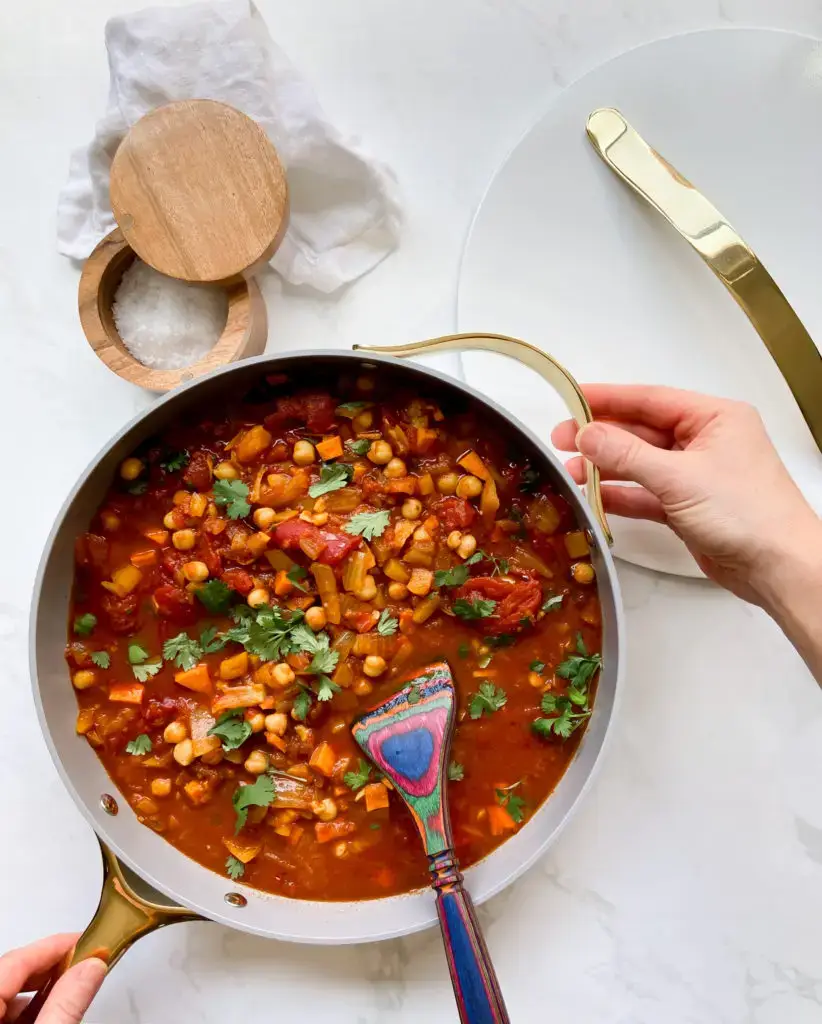
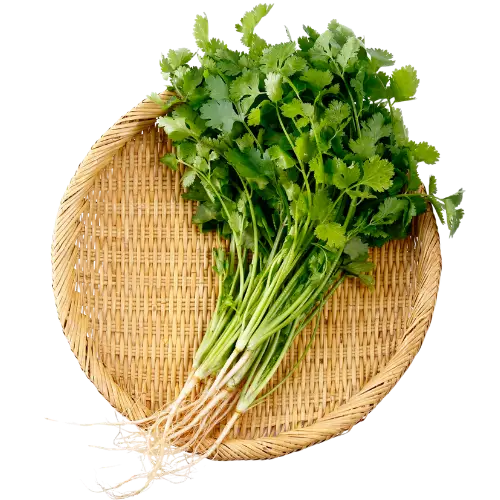
Coriander (the dried seed of the cilantro plant) is the warm, citrusy spice that anchors Indian curries, Middle Eastern spice rubs, shawarma seasonings, and most Mexican-inspired cooking on this site. The flavor is bright and earthy, different from fresh cilantro despite both coming from the same plant. Coriander-using favorites include Chicken Shawarma Bowls, One Pot Eggplant Curry, and Vegan Cauliflower Curry where the seed’s warm citrus notes complement the warm-spice profiles of Indian and Middle Eastern cooking.
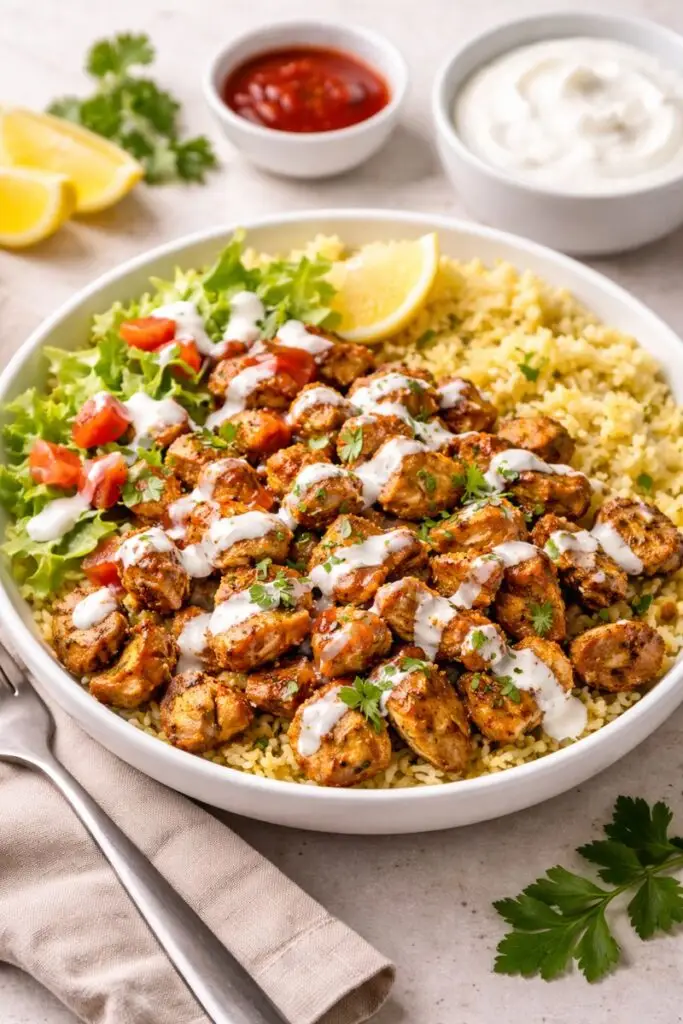
Ground coriander and whole coriander seeds are both common in cooking. Ground works in spice blends and rubs; whole works in pickling, brining, and dishes where the seed can be removed before serving. The flavor difference is significant, toasting whole seeds before grinding produces dramatically better flavor than buying pre-ground. The standard substitution is 1 teaspoon ground per 1 1/4 teaspoons whole.
Coriander and cumin are the foundational pair of Indian and Middle Eastern spice blends. The ratio varies by region, Indian cooking uses roughly equal parts; Middle Eastern uses slightly more coriander; Mexican uses more cumin. For most generic ‘curry-style’ applications, equal parts produces a balanced result. Adding a small amount of each at the start of a cook in hot oil (blooming) extracts the most flavor.
For shawarma seasoning, the standard blend is 2 tablespoons coriander, 1 tablespoon each cumin, paprika, turmeric, cinnamon, allspice, plus salt and pepper. Mix in a small jar and use to coat chicken or lamb before grilling or roasting. The combination tastes authentically Middle Eastern without needing access to specialty ingredients.
For curry pastes and powders, coriander is one of the dominant flavors. Garam masala (the North Indian finishing blend) typically contains 2-3 parts coriander to 1 part cumin and 1 part each of warm spices (cardamom, cloves, cinnamon, peppercorns). Mixing your own gives finer control over the ratio than relying on commercial blends. For storage, coriander seeds keep 2-3 years; ground coriander keeps 6 months at full flavor. Other reader picks that build on coriander include Cajun Chicken and Halal Chicken and Rice. Browse fresh basil, chives, and salt for closely related cooking applications.
Coriander can be used fresh or ground in many recipes. Fresh coriander leaves are often added to salads, sauces, and garnishes, while ground coriander spice is used in soups, curries, and marinades to add warm flavor.
If you have too much fresh coriander, you can make herb sauces, chutneys, pesto, or freeze chopped coriander in ice cube trays with olive oil. These methods help preserve the herb for later cooking.
Coriander can be used in marinades, soups, curries, and rice dishes. Ground coriander adds warm spice, while fresh coriander leaves provide a bright herbal finish when added at the end of cooking.
Coriander recipes can be healthy because coriander contains antioxidants and nutrients that support digestion. Using fresh herbs like coriander can also add flavor without needing excessive salt or heavy sauces.