
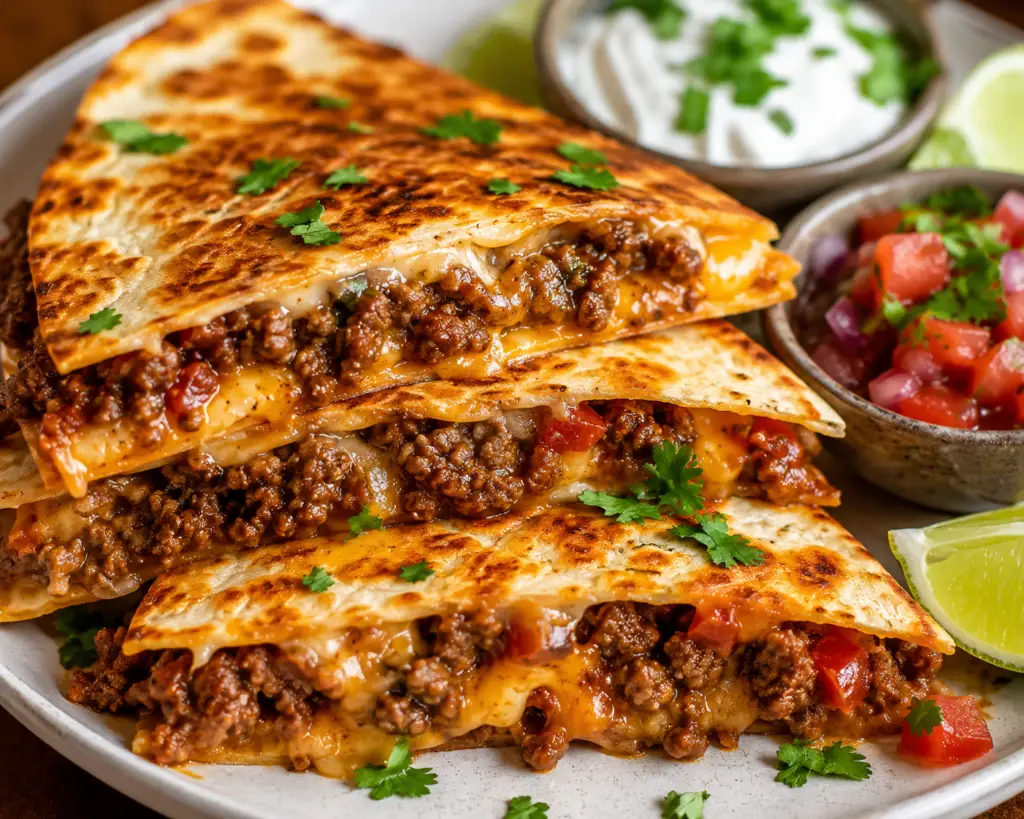
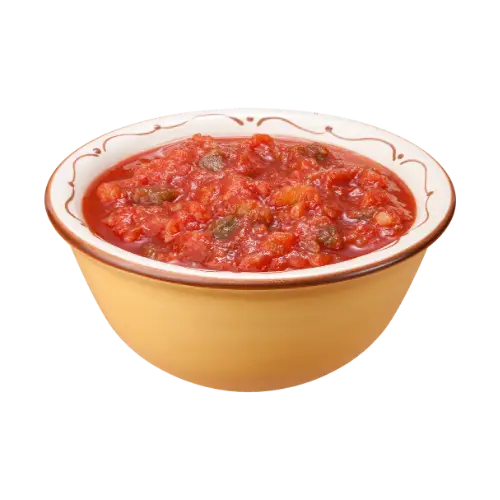
Salsa is the fresh or cooked tomato-and-chili condiment that anchors Tex-Mex, Mexican, and Latin cooking. Fresh pico de gallo, roasted tomato salsa, salsa verde, fruit salsas, and chunky restaurant-style salsas all fall under the umbrella. Homemade salsa made in 10 minutes beats the jarred version at every price point. Recipes on this site that use salsa include Sheet Pan Chicken Fajitas and Chicken Taco Soup where salsa is a building block ingredient that adds tomato, acid, and chili flavor in a single pour.
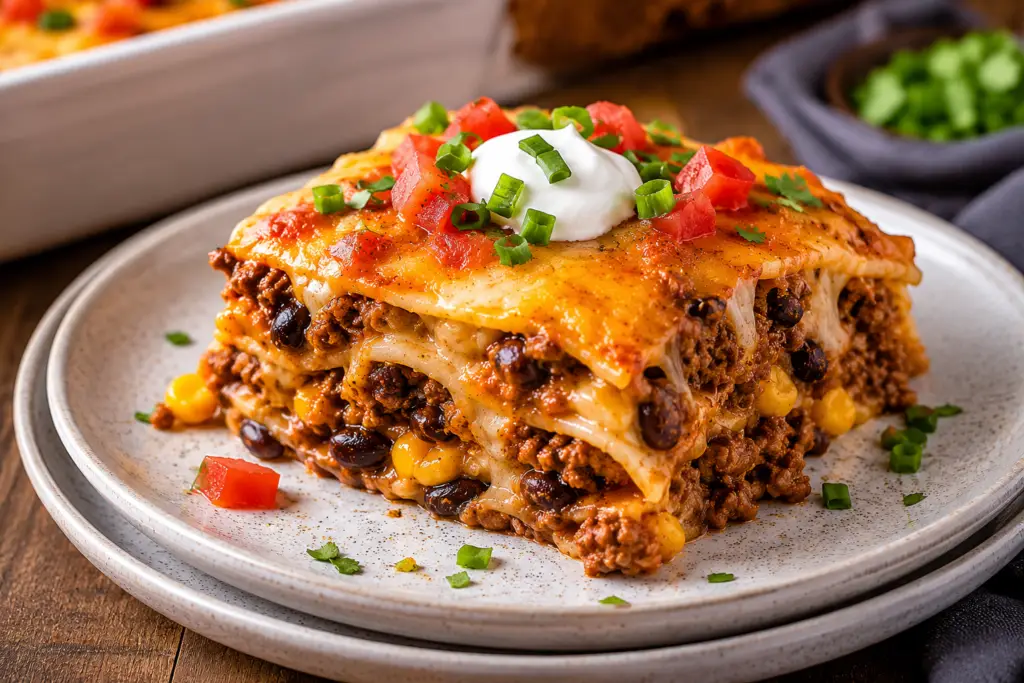

Fresh salsa (pico de gallo) and cooked salsa are different products that serve different purposes. Fresh pico is diced tomatoes, white onion, jalapeño, cilantro, lime juice, and salt combined raw. It is bright, chunky, and best served the same day it is made. Cooked salsa roasts the tomatoes and chiles before blending, which produces a deeper, smokier flavor with longer shelf life. For tortilla chip dipping, cooked blended salsa is the restaurant standard. For taco topping, fresh pico wins.
For restaurant-style blender salsa, the technique is to char tomatoes, jalapeños, and garlic under the broiler for 8 to 10 minutes until blistered, then blend with white onion, cilantro, lime juice, and salt to your preferred consistency. The char is the difference between homemade salsa that tastes like the restaurant version and homemade salsa that tastes like the jar. Pairing with cumin bloomed in the blending step adds warmth without changing the salsa’s character. The Taco Soup with Ground Beef on this site uses jarred salsa as a shortcut ingredient that builds the tomato-chili base in under 2 minutes, and the Sheet Pan Chicken Fajitas is the strongest showcase for salsa as a finishing condiment where it adds brightness and acid to a dish rich from roasted peppers and cheese.
Salsa verde uses tomatillos instead of tomatoes. Tomatillos are husked, rinsed, and either roasted or boiled before blending with jalapeño or serrano, white onion, garlic, cilantro, and salt. The finished sauce is tangier and brighter than red salsa and works particularly well with pork, eggs, and enchiladas. avocado blended into salsa verde produces a creamy avocado salsa that doubles as guacamole adjacent and pairs well with grilled chicken. Browse black bean, jalapeño, and tomato for closely related Tex-Mex building blocks.
For mango salsa and fruit salsas, the technique is to dice fresh mango, red onion, jalapeño, cilantro, and lime juice and toss together. The same template works with pineapple, peach, or strawberry. Fruit salsas work as a topping for grilled fish, shrimp tacos, and pork chops where the sweet-acid-heat combination cuts through rich proteins.
Pico de gallo is a raw, chunky fresh salsa made from diced tomatoes, onion, jalapeño, cilantro, lime juice, and salt. It is never cooked or blended. Standard salsa can be cooked, roasted, or blended, which produces a smoother texture and deeper flavor. Pico de gallo is a type of salsa, but not all salsa is pico de gallo. For chip dipping, blended cooked salsa tends to hold better. For fresh toppings, pico wins.
Fresh pico de gallo lasts 2 to 3 days in the refrigerator before the tomatoes release too much liquid and the texture degrades. Cooked and blended salsa lasts 5 to 7 days in a sealed jar. The lime juice in both versions acts as a mild preservative. For longer storage, canning salsa using a tested water-bath canning recipe and proper pH-adjusted ratios is the safe method.
Roma tomatoes are the standard for cooked salsa because they have less water and more flesh than beefsteak or round tomatoes. Cherry tomatoes roasted until blistered produce a sweeter, more concentrated flavor. For fresh pico de gallo, any ripe summer tomato works. Avoid refrigerated supermarket tomatoes if possible since cold storage damages the flavor compounds that make fresh tomatoes taste good.
Salt the diced tomatoes and let them drain in a colander for 15 to 20 minutes before mixing. The salt draws out excess liquid without changing the flavor. For cooked salsa, simmer the blended mixture over medium heat for 10 minutes to reduce and concentrate. Removing the seeds and gel from the tomatoes before dicing also reduces the water content significantly.
For more Tex-Mex flavor builders, see our cilantro and lime juice recipes.