Rolled oats and old-fashioned oats are the same product with different names; both terms refer to whole oat groats that have been steamed and rolled flat into flakes. Some packaging brands prefer one term over the other; the products are interchangeable.
For oatmeal (the breakfast staple), the standard ratio is 1 cup rolled oats + 2 cups water or milk + pinch of salt, cooked over medium heat 5-10 minutes until thick and creamy. Stovetop produces creamier texture than microwave; microwave is faster for single servings. Sweet toppings (brown sugar, maple syrup, fresh fruit, nuts) or savory toppings (egg, cheese, vegetables) both work depending on preference.
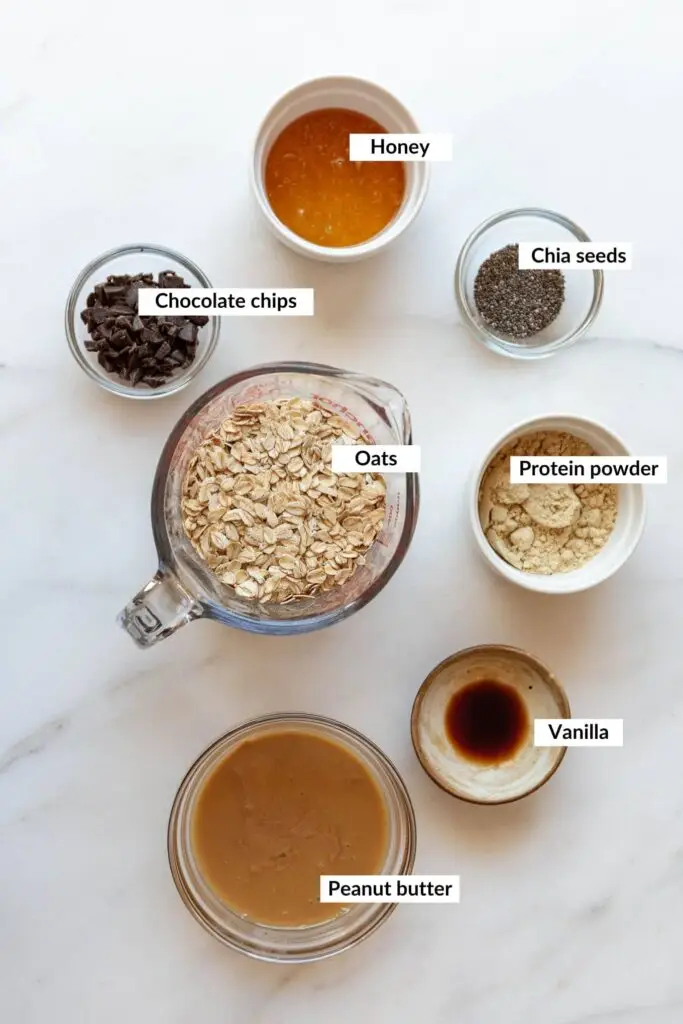
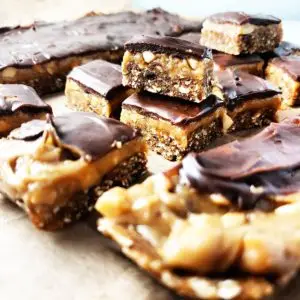
For granola bars and energy bars, rolled oats are the foundation ingredient. The standard recipe is 3 cups rolled oats + 1/2 cup honey + 1/4 cup peanut butter + 1/4 cup melted butter + 1 cup mix-ins (nuts, dried fruit, chocolate chips), pressed into a parchment-lined pan, refrigerated 2 hours, sliced. The no-bake version is simpler than the baked granola bar.
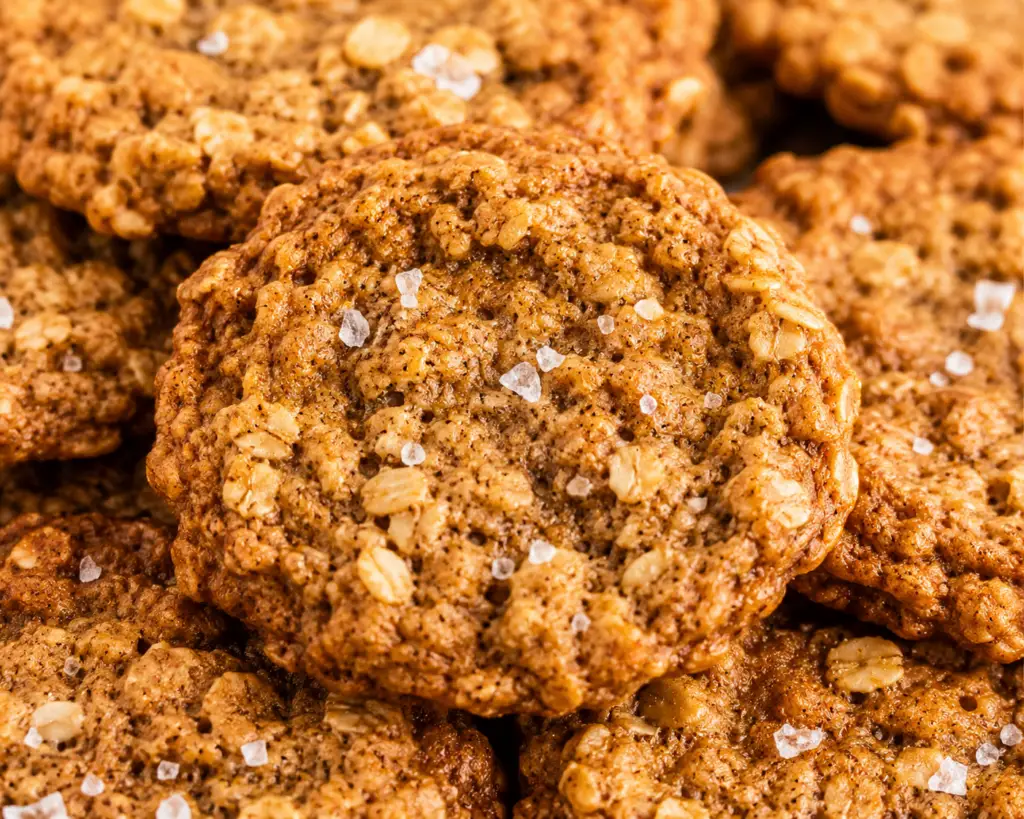
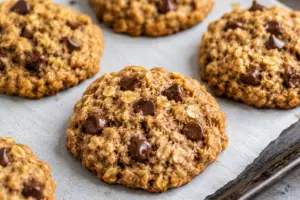
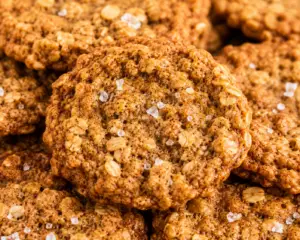
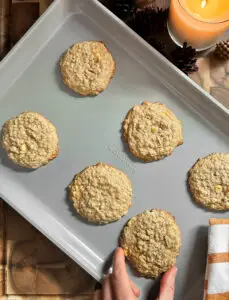
For oatmeal raisin cookies, rolled oats produce the right texture. The standard recipe is 3 cups rolled oats + 1.5 cups flour + 1 cup butter + 1 cup brown sugar + 2 eggs + 1 cup raisins + spices, baked at 350°F for 10-12 minutes. The oats absorb some moisture from the dough, producing the slightly chewy texture typical of oatmeal cookies. The Best Oatmeal Butterscotch Cookies is a butterscotch take on the same oats-forward formula.
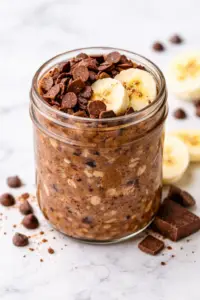
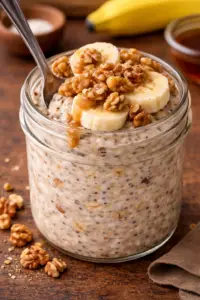
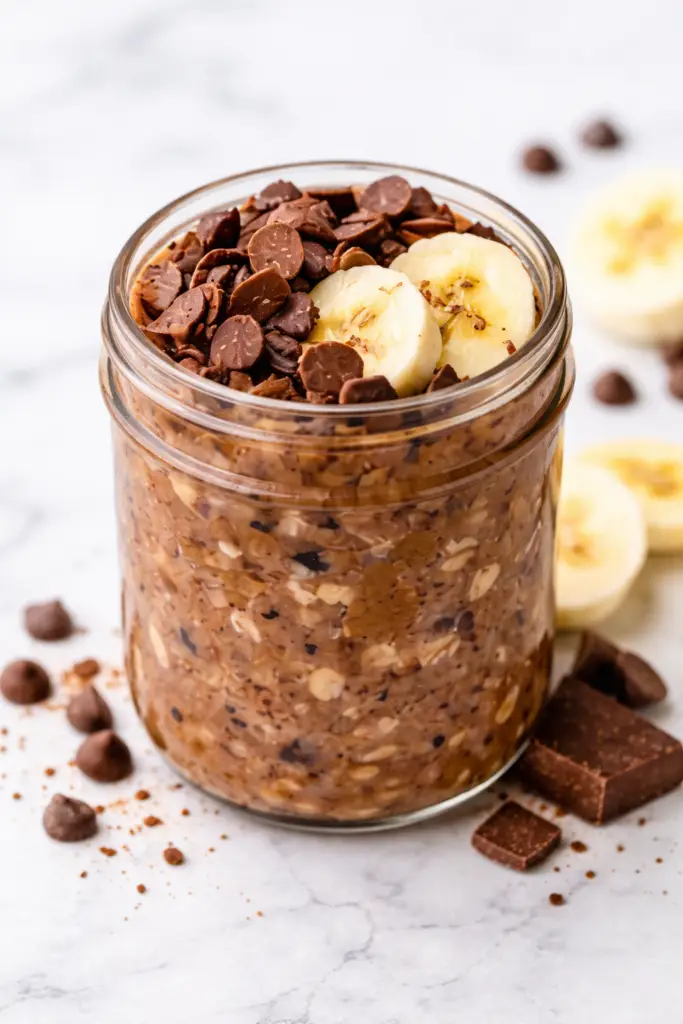
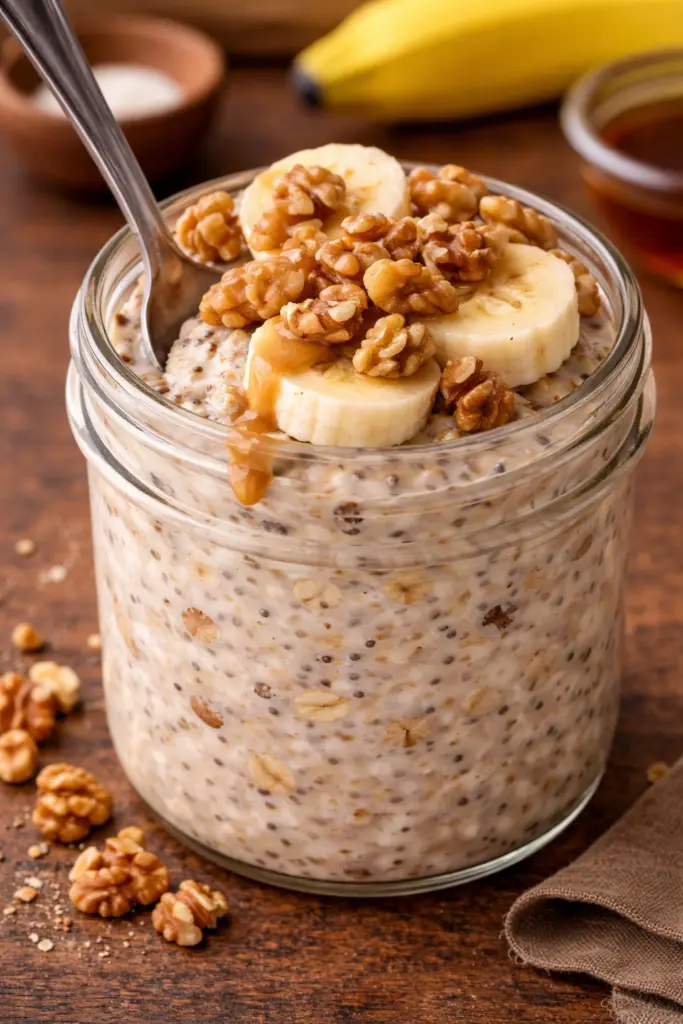
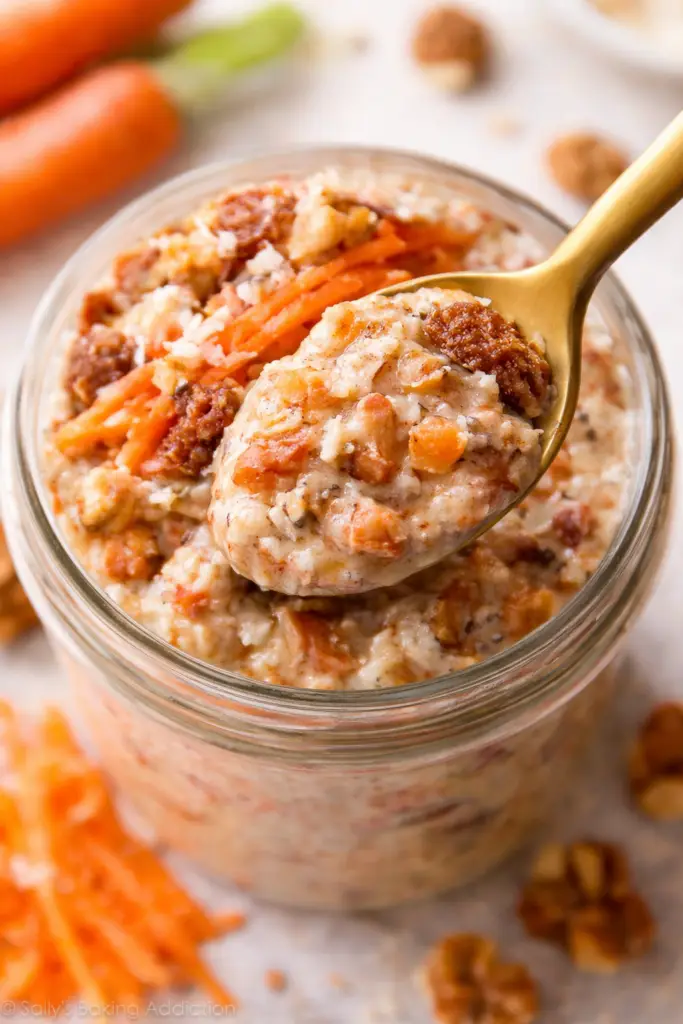
For overnight oats, rolled oats absorb the liquid during the refrigerator soak period, softening overnight without cooking. The standard ratio is 1/2 cup oats + 1/2 cup milk + 1/4 cup Greek yogurt + 2 tablespoons chia seeds + 1 teaspoon vanilla + sweetener of choice, combined in a jar, refrigerated 6-12 hours. Chocolate Banana Overnight Oats and Banana Bread Overnight Oats are jarred versions of this technique.
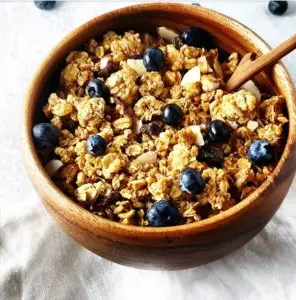
For homemade granola, rolled oats baked with oil, sweetener, and mix-ins produce far better results than store-bought versions. The standard recipe is 4 cups oats + 1/2 cup honey or maple syrup + 1/3 cup oil + 1 teaspoon vanilla + 1 cup nuts + 1 teaspoon cinnamon, baked at 300°F for 35-40 minutes stirring every 10 minutes. Add dried fruit after baking to prevent burning.
For substitution in baking, rolled oats can substitute for breadcrumbs as a binder in meatloaf and meatballs (use about 3/4 cup oats per 1 cup breadcrumbs). The oats absorb meat juices and produce moist, tender results.
For nutrition, rolled oats provide 4 grams fiber and 5 grams protein per 1/2 cup (dry). The beta-glucan fiber specifically supports cardiovascular health; the FDA allows oats packaging to make heart-health claims based on the beta-glucan content.
For storage, rolled oats keep 1-2 years in a sealed pantry container. Older oats develop a slightly stale smell but remain usable. Frozen oats keep 2-3 years and work fine after thawing. Browse old-fashioned oats and gluten-free oat flour for closely related oat recipes.