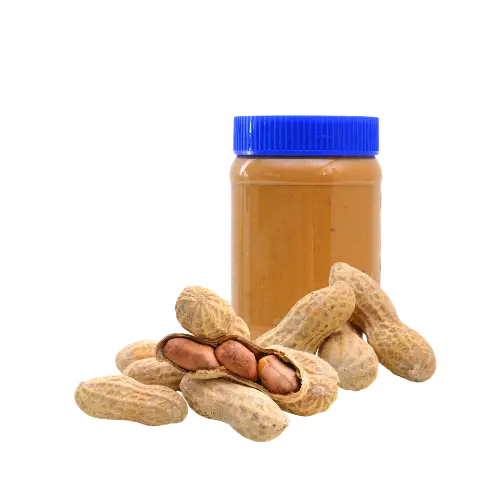
Natural peanut butter and traditional (Jif/Skippy-style) peanut butter are not interchangeable. Natural peanut butter separates — the oil rises to the top and needs to be stirred back in before use. Traditional peanut butter has stabilizers added that prevent separation but also change the texture in baked goods. For no-bake recipes where peanut butter is the binder, traditional works better because the stabilized texture holds shape. For baked applications where peanut butter is one of many ingredients, natural works fine. Chocolate chips are the pairing that wins in both contexts — they handle both styles of peanut butter without changing the recipe.
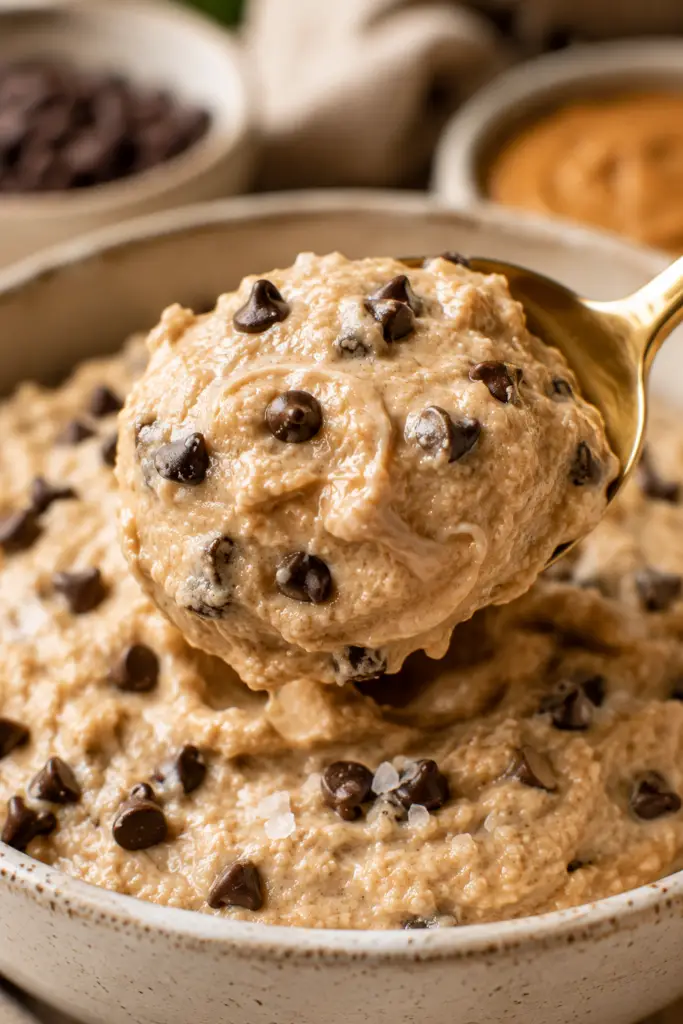
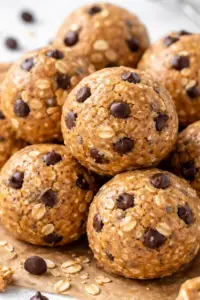
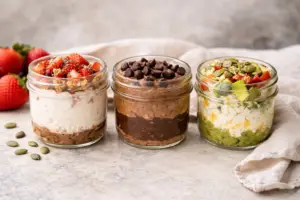
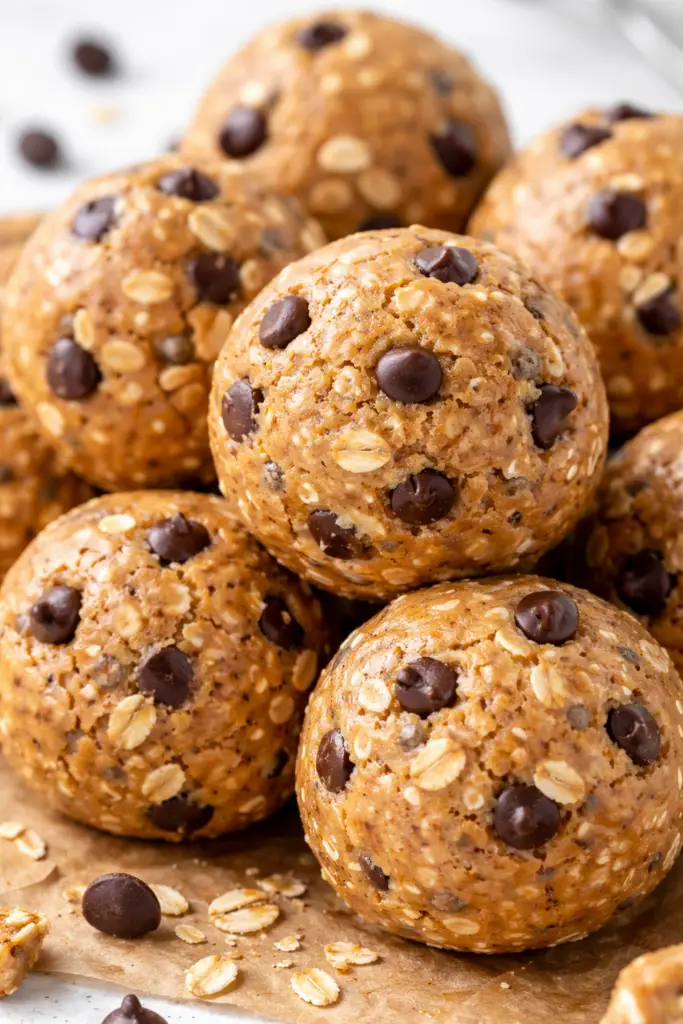
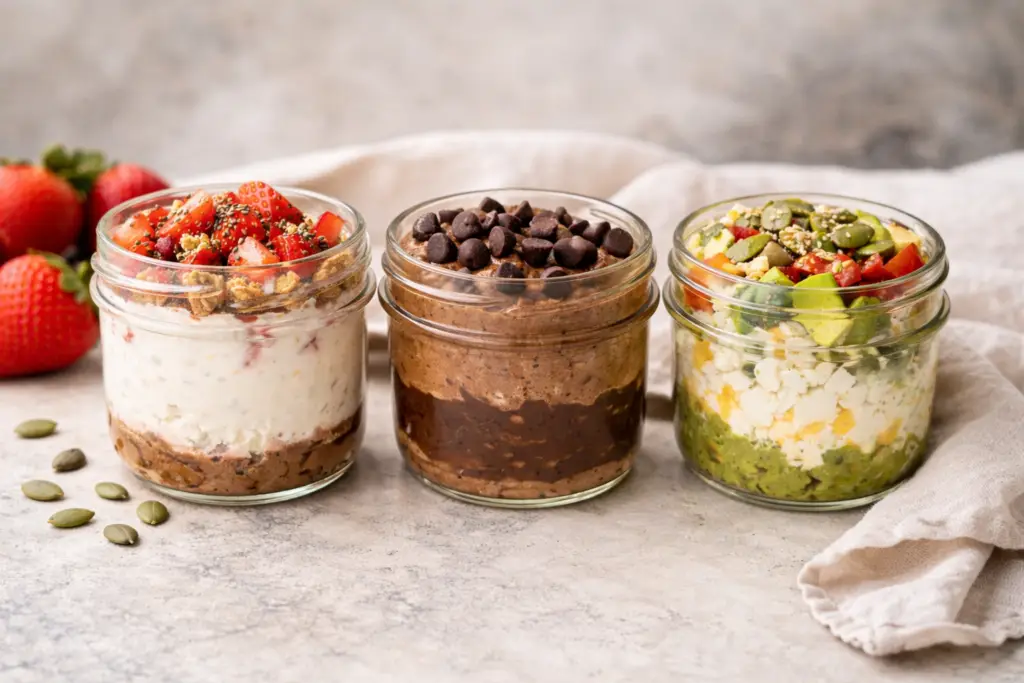
For protein-focused meal prep, peanut butter is the high-calorie, high-fat ingredient that turns a snack into a small meal. The ratio that works for protein balls is roughly 1 cup oats, 1/2 cup peanut butter, 1/4 cup honey, and add-ins (chocolate chips, flax, protein powder) totaling another 1/4 cup. That five-ingredient base produces balls that hold together for a week in the fridge and deliver 200+ calories with 8-10g protein per ball. Viral High Protein Cottage Cheese Breakfast Jars demonstrates the same logic on a different format — peanut butter swirled into cottage cheese with maple syrup and a sprinkle of granola produces a breakfast that hits 25g+ protein.
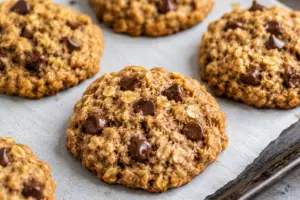
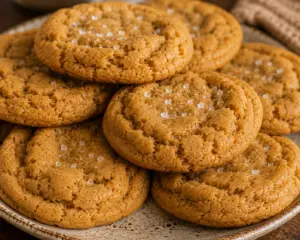
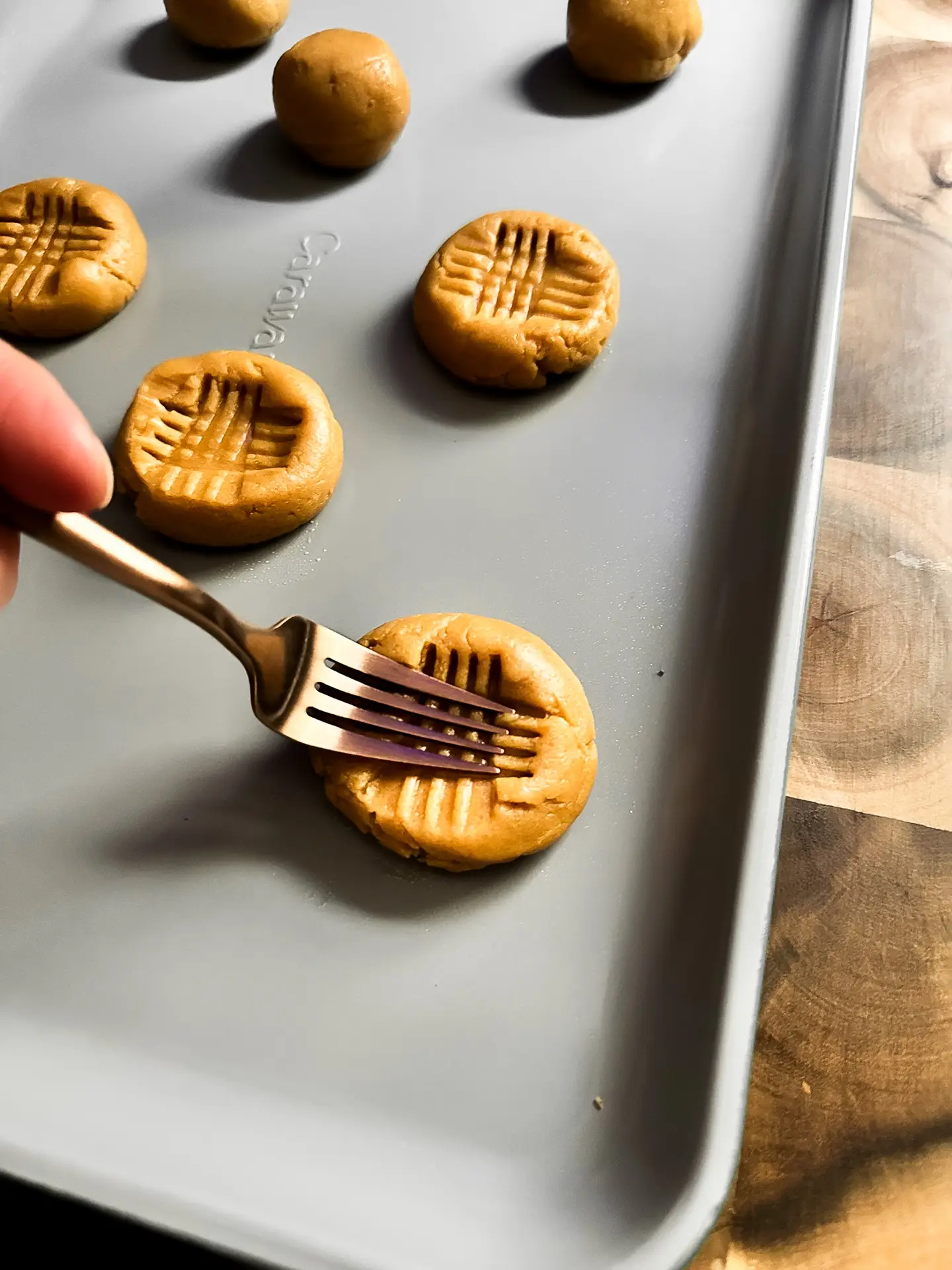
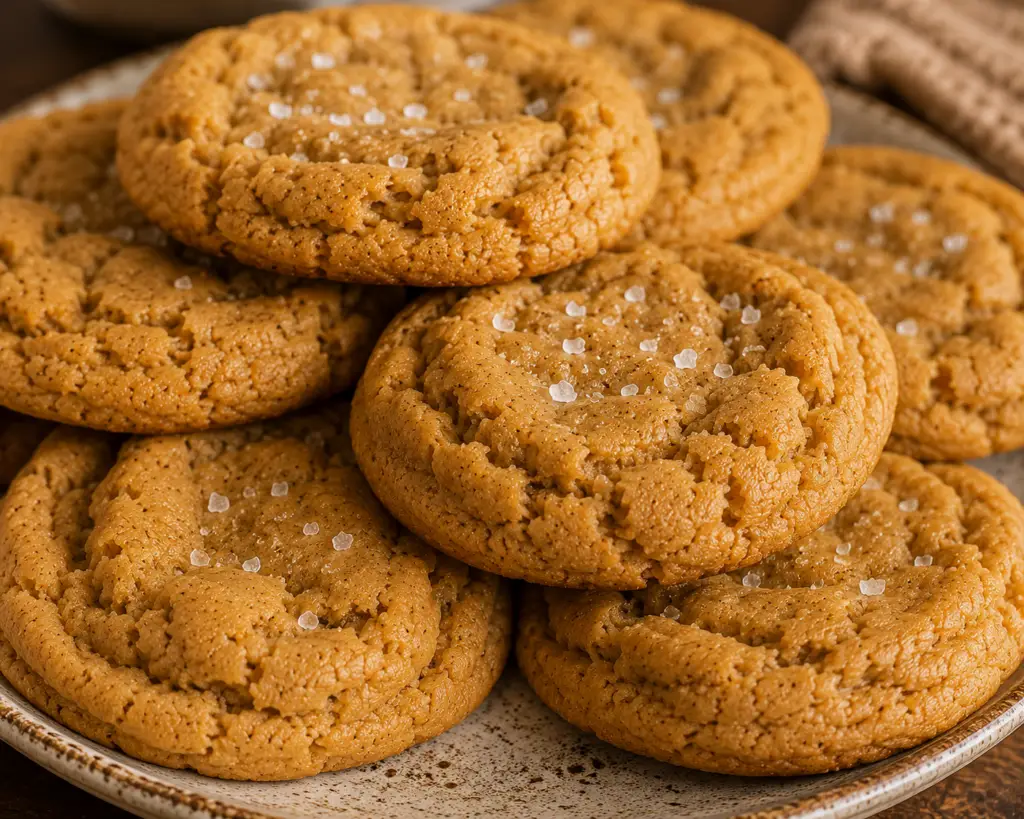
For cookie applications, peanut butter is the flavor that wins over almost any pairing. Dark Chocolate Peanut Butter Cookie demonstrates the chocolate pairing on a cookie format where the peanut butter is the dominant flavor and the dark chocolate is the supporting note. The cross-hatch fork pattern on top of a peanut butter cookie is not just decorative — it presses the cookie down so the center bakes evenly with the edges, since peanut butter doughs do not spread as much as standard cookie doughs.
For nut-allergy alternatives, almond butter and sunflower seed butter work as direct substitutes in most recipes with no other changes. The flavor shifts slightly (almond butter is milder, sunflower seed butter has a slightly bitter edge), but the texture and binding properties hold. Almond flour can also extend the nutty flavor in baked goods without using nut butters at all, which is useful for gluten-free baking that still needs the protein profile of a nut-forward recipe.