Old-fashioned oats (also called rolled oats), quick oats, steel-cut oats, and instant oats are all the same grain processed differently. Old-fashioned oats are whole oat groats steamed and rolled flat into flakes; they retain the most texture and take 5-10 minutes to cook. Quick oats are rolled thinner and cook in 1-2 minutes. Steel-cut oats are chopped (not rolled) and take 20-30 minutes to cook with chewier results. Instant oats are pre-cooked, dried, and rolled extra thin for 30-second prep.
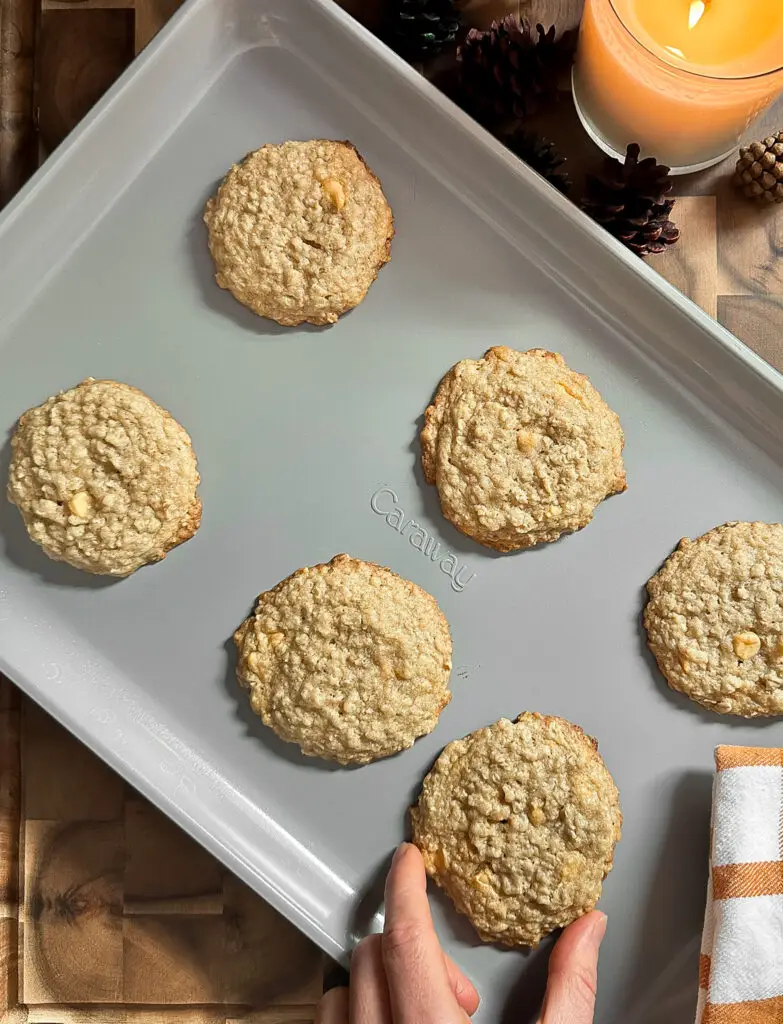
For oatmeal cookies, old-fashioned oats give the right texture and chew. Quick oats produce flatter, less textured cookies. Steel-cut oats are too hard to use raw in cookie dough. The standard ratio for oatmeal cookies is 3 cups old-fashioned oats per 1.5 cups flour, plus the standard cookie wet ingredients. The Best Oatmeal Butterscotch Cookies is a worked example with the butterscotch variation.
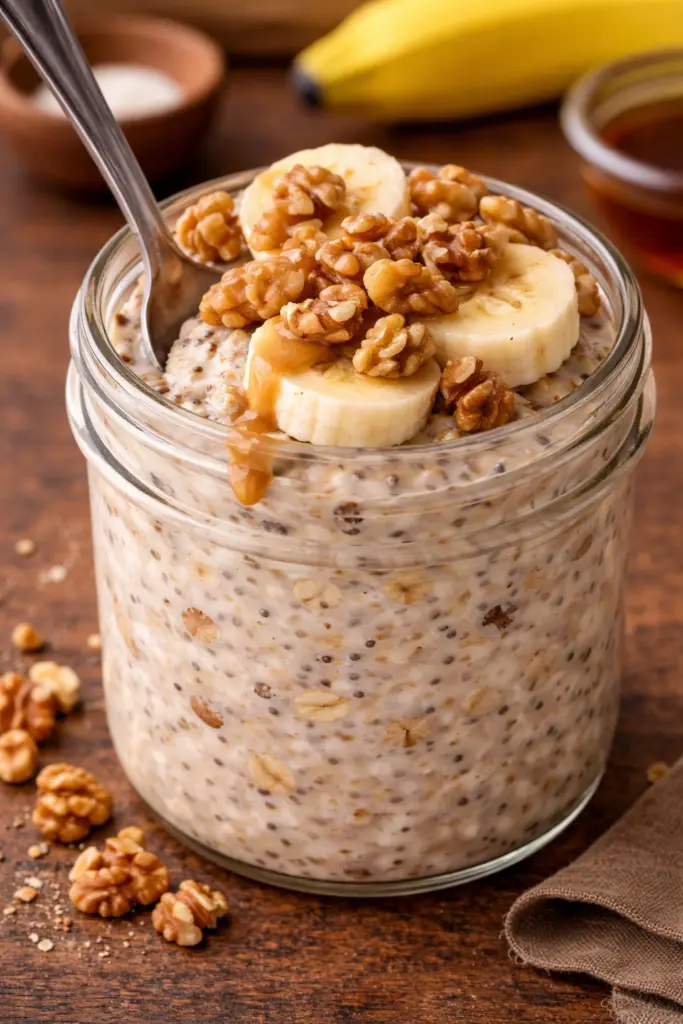
For overnight oats, old-fashioned oats are the right choice over quick or instant. The standard ratio is 1/2 cup oats + 1/2 cup milk + 1/4 cup Greek yogurt + 1 tablespoon chia seeds + sweetener and toppings, combined in a jar and refrigerated overnight. By morning, the oats have absorbed the liquid into a porridge-like consistency. Chocolate Banana Overnight Oats and Banana Bread Overnight Oats are reader favorites built on this technique.
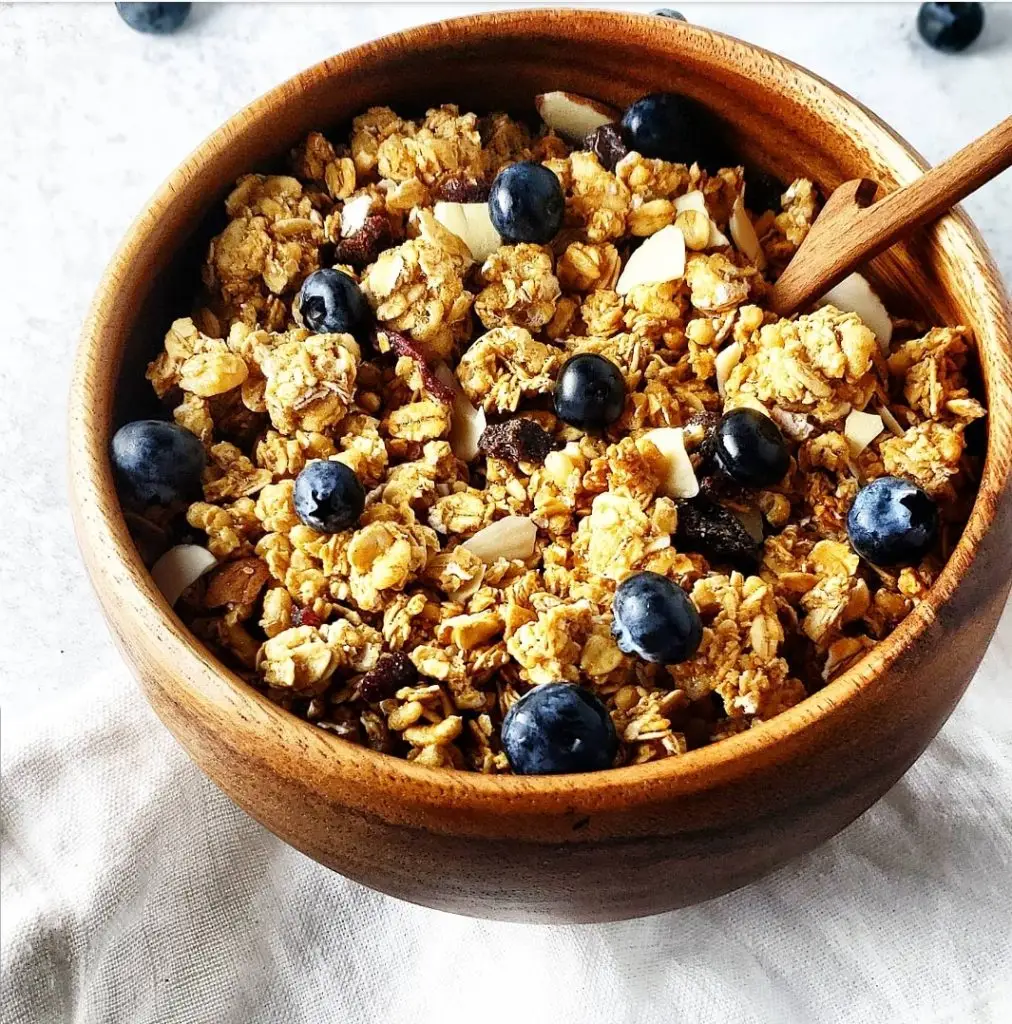
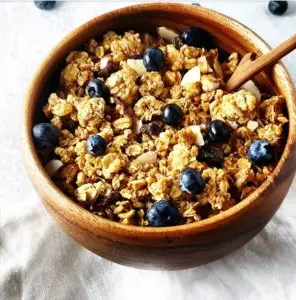
For granola, old-fashioned oats are the foundation. The standard granola recipe is 3 cups oats + 1 cup nuts + 1/2 cup honey or maple syrup + 1/3 cup oil + 1 teaspoon vanilla + spices, baked at 300°F for 35-40 minutes stirring every 10 minutes until golden. The low temperature prevents burning while the long bake time drives off moisture for crispy clusters.
For meatloaf and meatballs, oats substitute for breadcrumbs as a binder at 3/4 cup quick oats per 1 cup breadcrumbs. Pulse briefly in a food processor for finer texture if desired.
For homemade oat flour, blend old-fashioned oats in a high-speed blender or food processor for 30-45 seconds until fine powder. One cup oats yields about 3/4 cup oat flour. Use immediately or store as you would commercial oat flour.
For baked oatmeal (the meal-prep breakfast), the standard recipe is 2 cups old-fashioned oats + 2 cups milk + 1/3 cup maple syrup + 1 egg + 1 teaspoon vanilla + 1 teaspoon cinnamon + 2 cups mixed berries or chopped fruit, baked at 350°F for 35-40 minutes. Slice and reheat throughout the week.
For toasting, spread oats on a sheet pan, bake at 350°F for 8-10 minutes stirring once until golden. Toasted oats taste noticeably better in granola, no-bake cookies, and yogurt toppings.
For storage, old-fashioned oats keep 1-2 years in a sealed pantry container. The oats develop a slightly stale smell when past prime; the flavor is muted but they remain usable. Frozen oats keep 2-3 years and work fine after thawing. Browse rolled oats and gluten-free oat flour for closely related to oats.