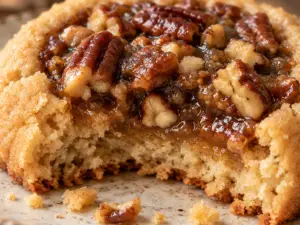
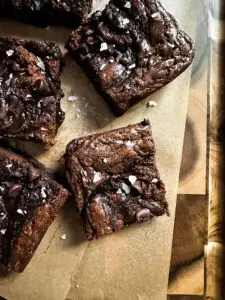
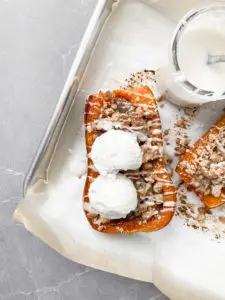
Gluten-free oat flour is the finely ground oats certified gluten-free (regular oats are often cross-contaminated with wheat). The flour works as a 1:1 substitute for all-purpose flour in many quick-bread recipes, with the trade-off of a slightly denser, more crumbly texture. Best applications: pancakes, muffins, protein bars, and gluten-free baking projects. Reader favorites built on it include Chocolate Banana Overnight Oats, Banana Bread Overnight Oats, and The Best Oatmeal Butterscotch Cookies where the oat flour or whole oats provide both the gluten-free flexibility and the slightly chewy texture that defines oat-forward bakes.


Oat flour is finely ground rolled oats, available as a commercial product or made at home by grinding rolled oats in a blender or food processor. Despite oats being naturally gluten-free, conventional oat flour can be cross-contaminated with wheat during processing; “certified gluten-free oat flour” is the right choice for celiac and gluten-sensitive applications. Bob’s Red Mill and Anthony’s are reliable certified gluten-free brands.
For homemade oat flour, the technique is to blend 1 cup rolled oats (use certified gluten-free if needed) in a high-speed blender or food processor for 30-45 seconds until the texture resembles whole wheat flour. The result is 3/4 cup oat flour. Sift to remove any larger pieces if desired for finer texture in baked goods.
For pancakes and waffles, oat flour substitutes for all-purpose flour 1:1 with slightly denser, chewier results. Adding 1 tablespoon ground flaxseed per cup of oat flour helps bind the batter since oat flour lacks gluten structure.
For cookies and quick breads, oat flour produces tender, slightly crumbly results. The standard substitution ratio is 1:1 for all-purpose flour but adds an extra tablespoon of liquid per cup of oat flour because of the higher absorption. The Best Oatmeal Butterscotch Cookies shows how oat-flour-style ratios work in cookie applications. For chocolate chip cookies, 50/50 oat flour and all-purpose flour produces a balanced texture with added nuttiness.
For yeast bread baking, pure oat flour doesn’t develop the gluten structure needed for traditional bread. A 25% maximum substitution of oat flour for all-purpose flour works in sandwich loaves; beyond that the bread becomes dense and doesn’t rise properly. For 100% gluten-free oat flour bread, additional binders (xanthan gum, psyllium husk, eggs) are required.
For protein bars and energy bites (the no-bake applications), oat flour binds dates, nuts, and nut butter into bar shapes that hold together when pressed. The standard formula is 1 cup oat flour + 1 cup dates + 1/2 cup peanut butter + 2 tablespoons honey, pressed into a parchment-lined pan, refrigerated 1 hour, sliced. For oat-forward breakfast bowls, Chocolate Banana Overnight Oats and Banana Bread Overnight Oats demonstrate similar oat-base techniques in jar form.
For nutrition, oat flour provides more fiber and protein than all-purpose flour: 4 grams fiber and 5 grams protein per 1/4 cup compared to 1 gram fiber and 3 grams protein in all-purpose. The beta-glucan fiber specifically supports digestive health and is partially responsible for oats’ cholesterol-lowering benefits.
For substitution alternatives, almond flour, coconut flour, and chickpea flour are other gluten-free options. Each has very different absorption and binding properties; not 1:1 substitutes for oat flour. The closest performance match for oat flour is sorghum flour.
For storage, oat flour keeps 3-6 months at room temperature, 6-12 months refrigerated, 12-18 months frozen. The natural oils go rancid faster than refined wheat flour; refrigerator or freezer storage extends shelf life noticeably. Smell-test before using older containers; rancid oat flour has a paint-like smell. Browse rolled oats and old-fashioned oats for closely related oat products.
Gluten free oat flour recipes are made by using oat flour as a substitute for regular flour. Combine oat flour with other ingredients like eggs, milk, and sweeteners or seasonings, then mix and bake or cook according to the recipe.
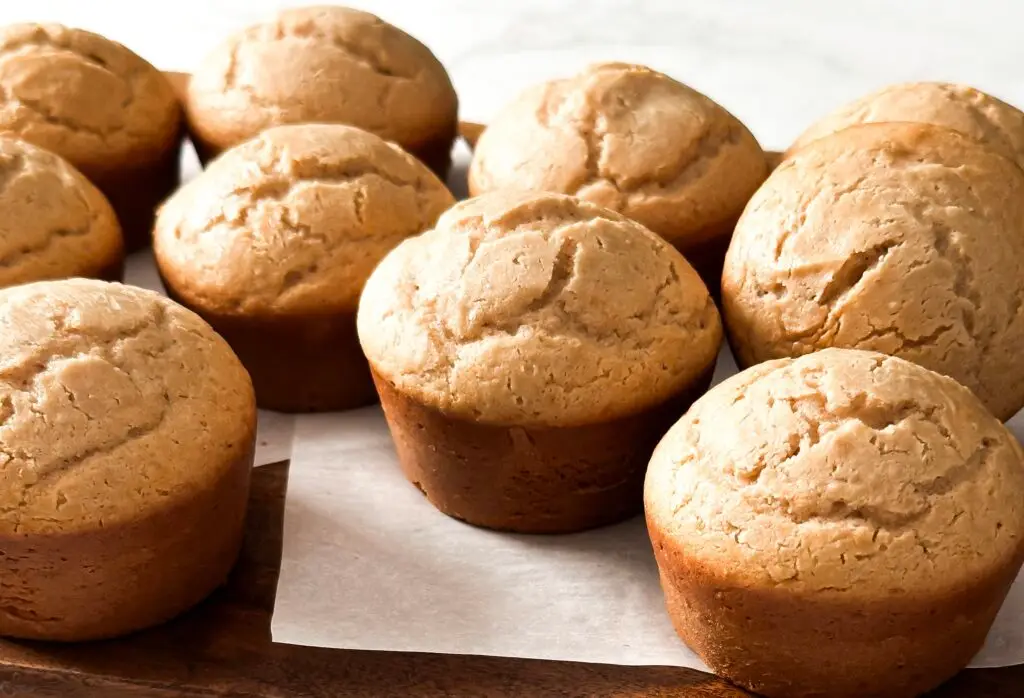
The best gluten free oat flour recipes include pancakes, muffins, cookies, and quick breads. These recipes highlight oat flour’s soft texture and mild flavor while being easy to prepare at home.
Common ingredients include oat flour, eggs, milk or dairy alternatives, baking powder, and sweeteners or seasonings. Additional ingredients depend on the recipe, such as fruits, nuts, or spices.
Gluten free oat flour recipes are cooked by baking, frying, or griddling depending on the dish. Follow the recipe instructions carefully, as oat flour absorbs moisture differently than regular flour.
For more gluten-free flour options, see our almond flour and gluten free flour recipes.