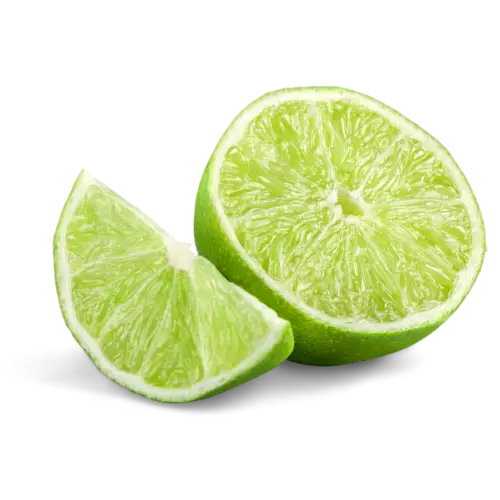
Persian limes (the standard supermarket lime in the US) versus key limes are not the same. Persian limes are larger, more acidic, less aromatic. Key limes are smaller (golf-ball sized), more aromatic, and produce a more complex flavor that makes them essential to authentic key lime pie. Substituting Persian for key in a key lime pie still produces a good pie. Just not authentic.
Maximizing lime juice yield: roll the lime firmly against the counter before cutting to break the membranes inside, microwave for 10 seconds, then juice. The combination produces 30-50% more juice than juicing a cold lime straight from the fridge. A standard Persian lime yields 1.5-2 tablespoons of juice. For 1 cup of fresh lime juice, plan on 8-10 limes.
For guacamole (the classic application), lime juice is essential. The acid prevents the avocado from browning AND provides the bright finish that distinguishes good guacamole from generic. The standard ratio is 1 lime per 2 avocados. The same rule applies to ceviche, salsa, pico de gallo, and most fresh Mexican applications. cilantro pairs particularly well with lime in all these applications.
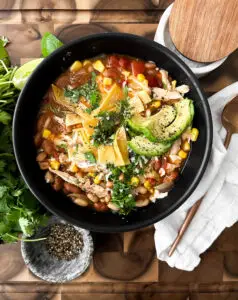
For zest applications (key lime pie, lime-flavored desserts, finishing fish), the zest carries the aromatic oils that the juice alone cannot provide. Use a microplane grater for the finest zest; avoid the white pith underneath the skin (it’s bitter). One Persian lime yields about 1 teaspoon of zest. For storage, whole limes keep 1-2 weeks at room temperature, 3-4 weeks refrigerated. Frozen lime juice in ice cube trays keeps 6+ months and thaws in minutes for instant use. Other reader picks that build on lime include Roasted Red Pepper and Cilantro Dressing and Caldo de Pollo Mexican Chicken Soup. Browse lemon, orange juice, and salt for closely related cooking applications.