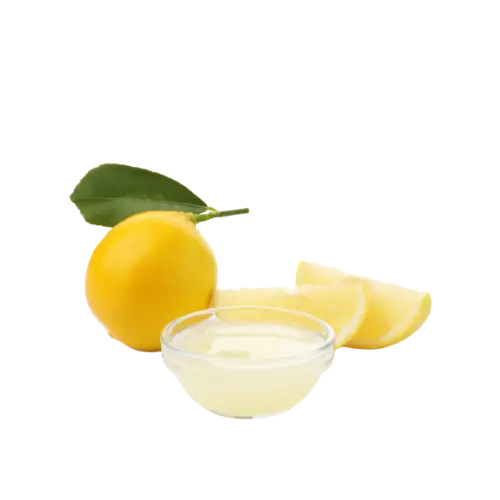
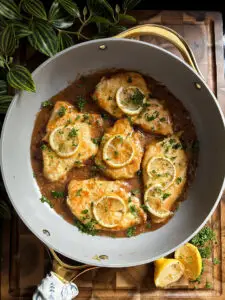
Lemons vary by variety: Eureka and Lisbon are the supermarket standards, slightly thick-skinned and tart. Meyer lemons are sweeter, less acidic, and have edible thin skin; they’re the gourmet choice for finishing applications and lemon curd. Both work in most recipes, but Meyer lemons have a distinct floral note that some recipes specifically call for.
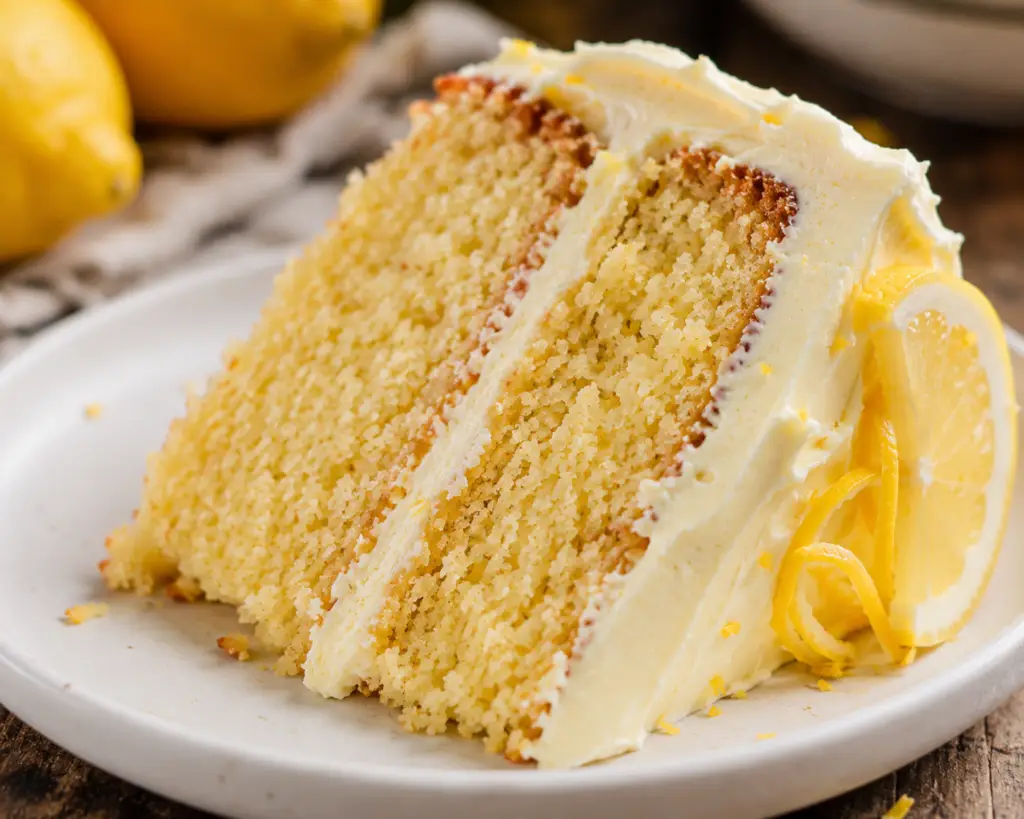
For lemon-forward baking like lemon bars, lemon pound cake, and lemon muffins, both the zest and juice contribute. Zest provides the volatile aromatic oils that give the bright lemon scent; juice provides the acidity that balances sweetness and activates leaveners. The standard ratio for a 9×9 pan of lemon bars is 1 cup sugar + 1/2 cup lemon juice + 1 tablespoon zest + 3 eggs for the curd layer.
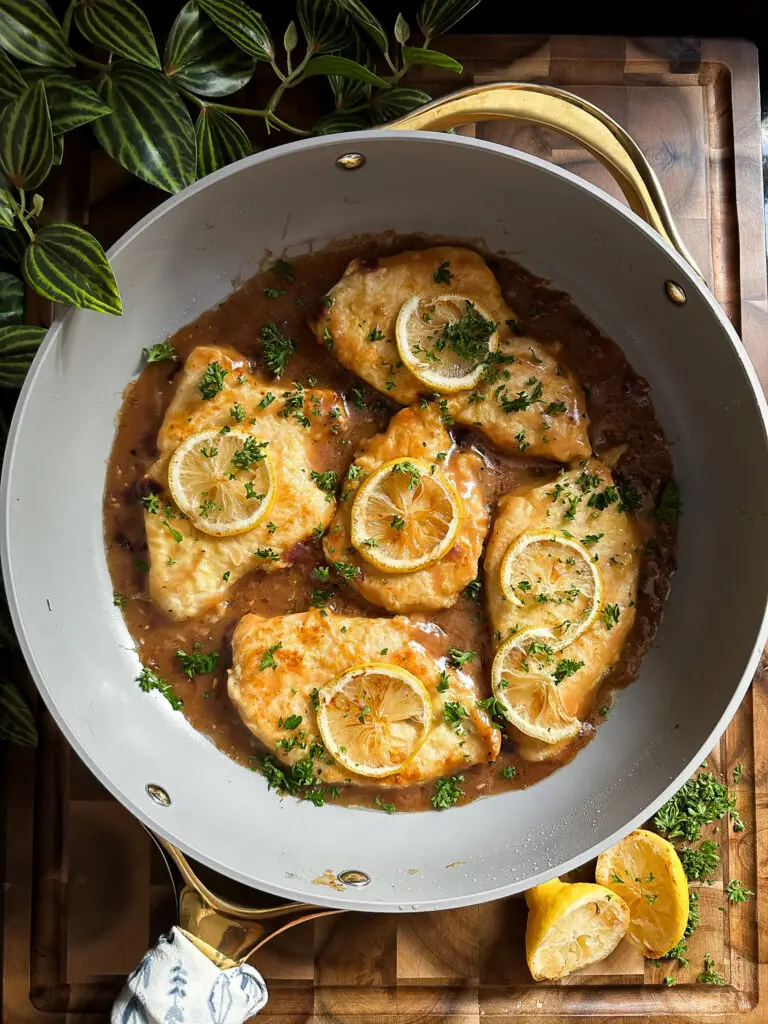
For pan sauces and savory dishes, lemon juice goes in at the end of cooking to preserve the bright acidity. Heat dulls the lemon flavor; squeezing fresh juice over the finished dish gives the brightest impact. The standard amount for finishing is 1-2 teaspoons juice per serving of fish, chicken, or vegetables.
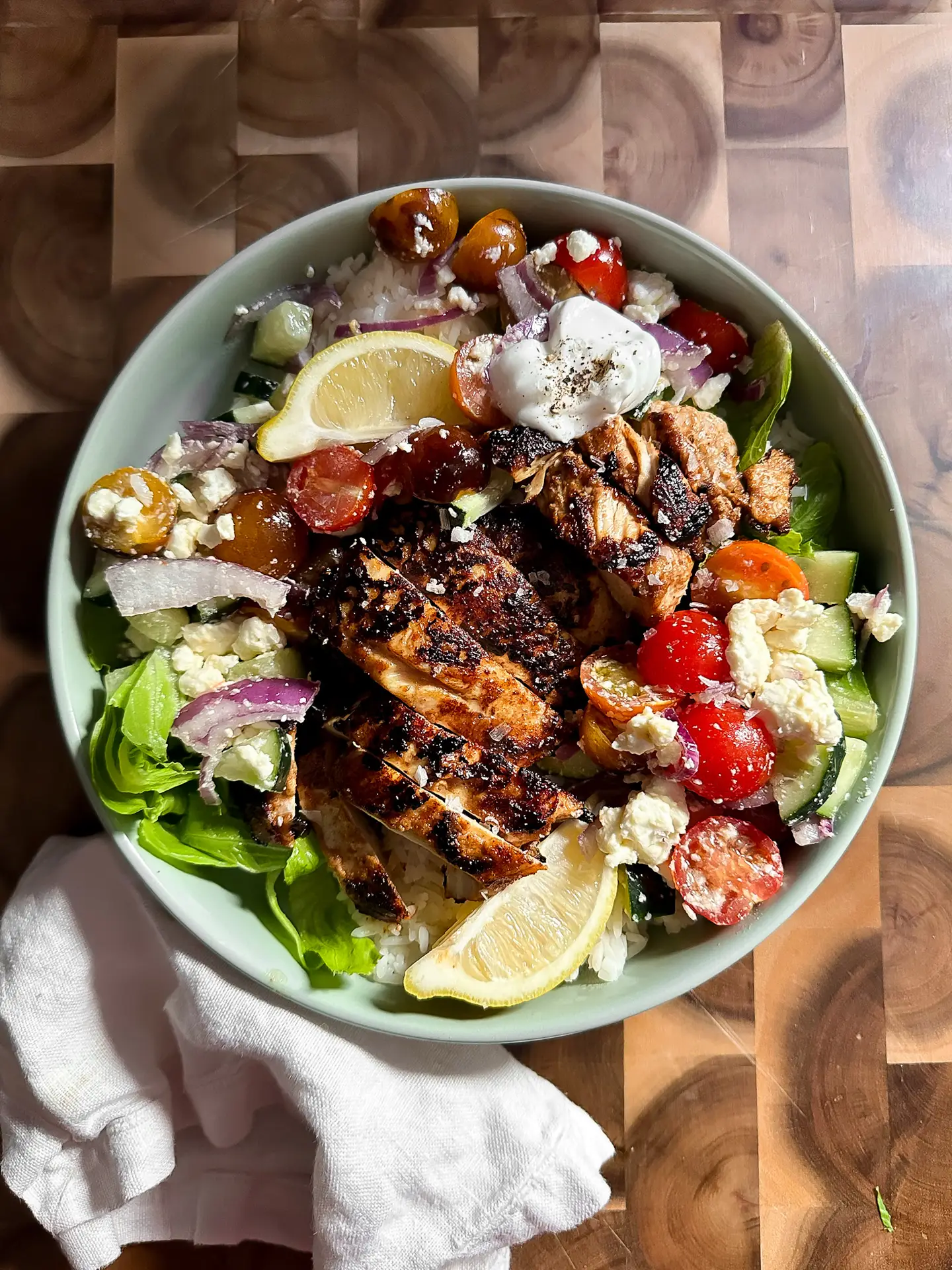
For vinaigrettes and dressings, lemon juice substitutes for vinegar at a 1:1 ratio in most formulas. The flavor is brighter and less harsh than wine vinegars; pairs particularly well with olive oil, herbs, and Mediterranean ingredients. The standard ratio is 3 parts olive oil + 1 part lemon juice + 1 minced garlic clove + Dijon mustard + salt and pepper.
For preserving lemons, pack quartered lemons in salt with a few spices, cure 4+ weeks at room temperature, then refrigerate. The result is the salty, intensely flavored preserved lemon used in Moroccan tagines and other North African cooking. The flesh is discarded; only the salted peel is used.
For zesting technique, use a microplane grater and turn the lemon as you zest, removing only the colored outer layer. The white pith underneath is bitter; avoid grating into it. One average lemon yields about 1 tablespoon zest and 2-3 tablespoons juice.
For storage, whole lemons keep 1 week at room temperature, 3-4 weeks refrigerated. Cut lemons or zested lemons should be wrapped tightly and used within 5 days. Lemon juice freezes well in ice cube trays (1 tablespoon per well) for 4-6 months, useful for cooks who buy lemons in bulk. Browse lemon zest and orange juice for closely related citrus ingredients. Reader favorites built on it include Chicken Francese and Simple and Quick Sheet Pan Chicken.