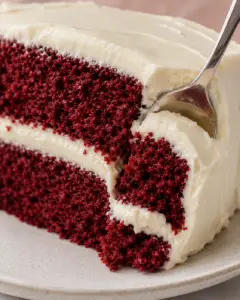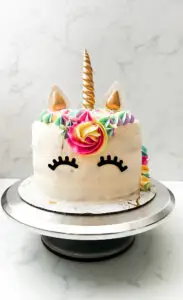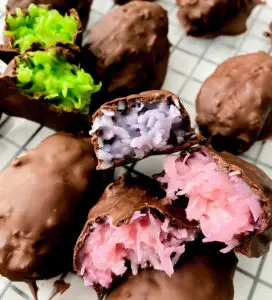
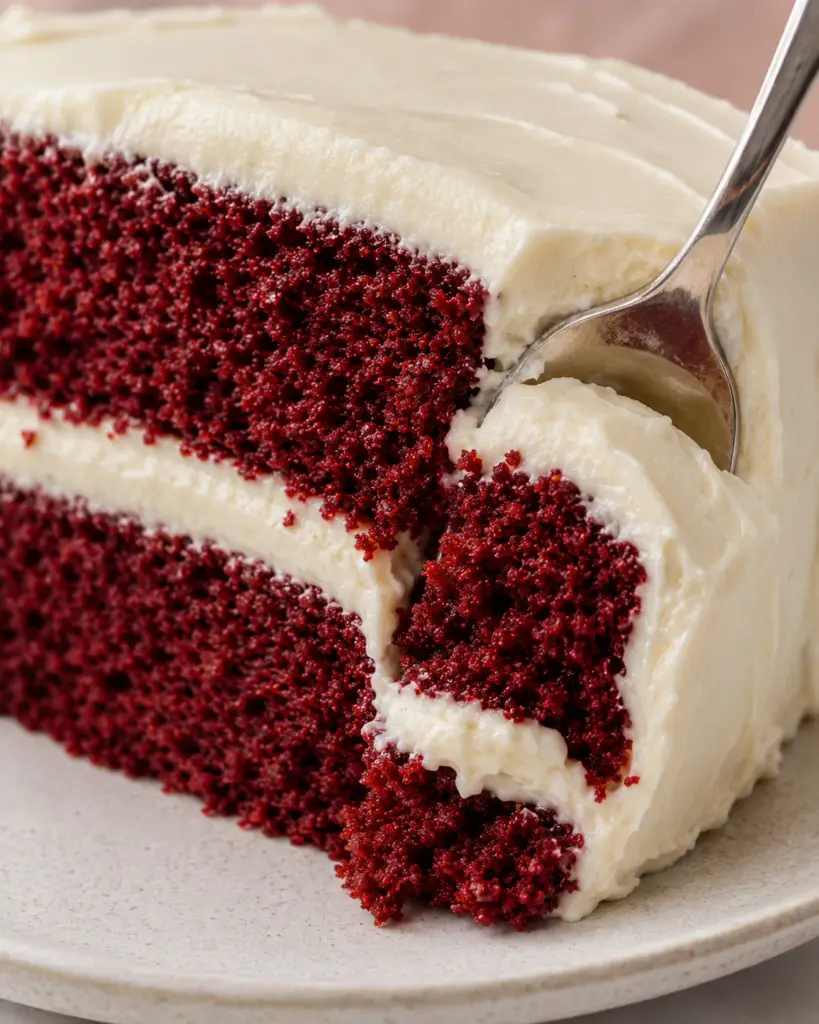
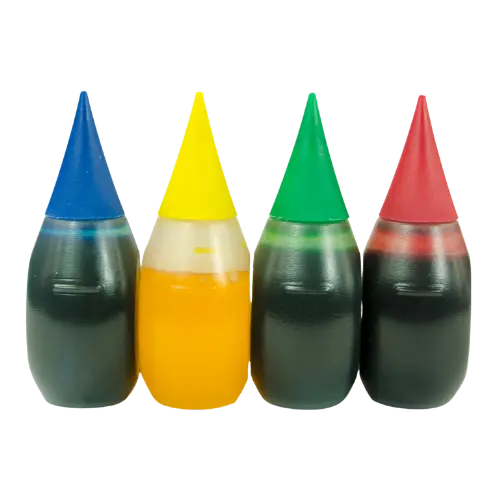
Food coloring is the liquid or gel dye that turns frosting, batter, and dough into themed and holiday-specific desserts. Gel food coloring produces more saturated colors with less added liquid than the standard liquid drops, which matters dramatically for frosting consistency in any recipe that uses more than a drop or two. Colored-frosting favorites include Rainbow Buttercream Frosting where the food coloring transforms standard buttercream into vibrant themed decoration.
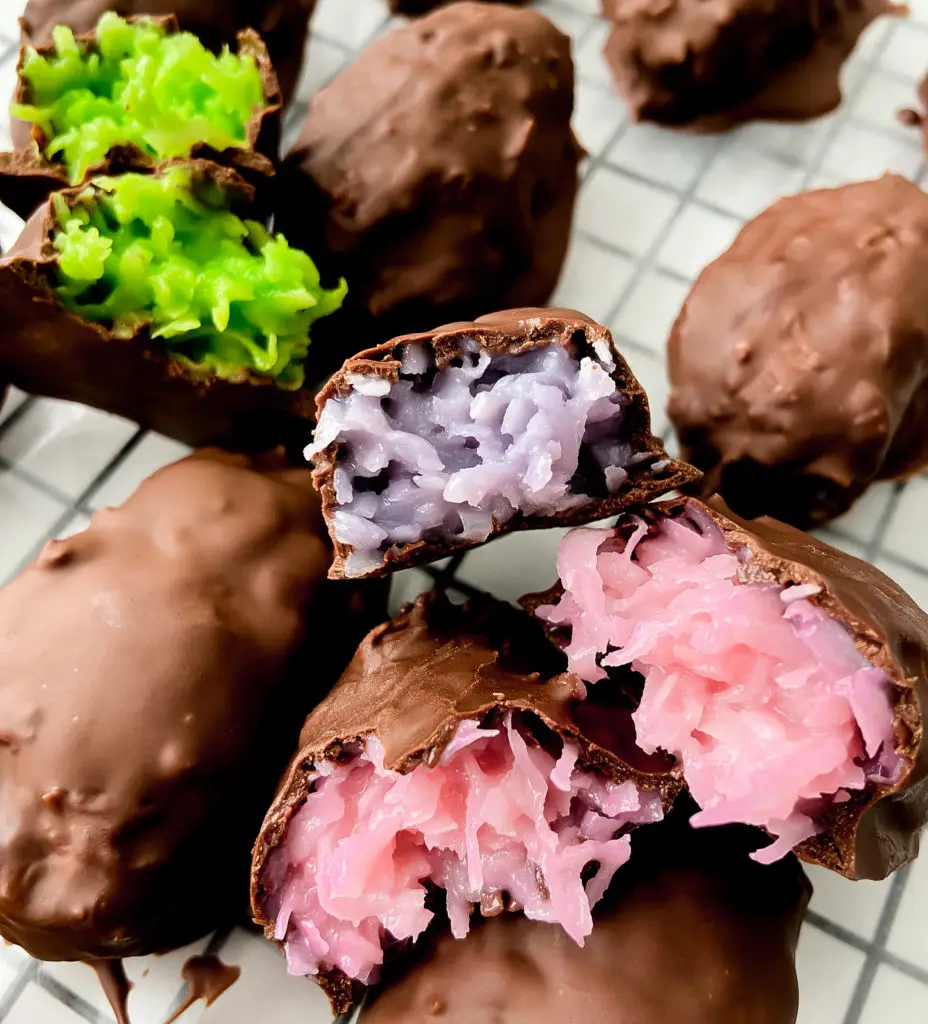
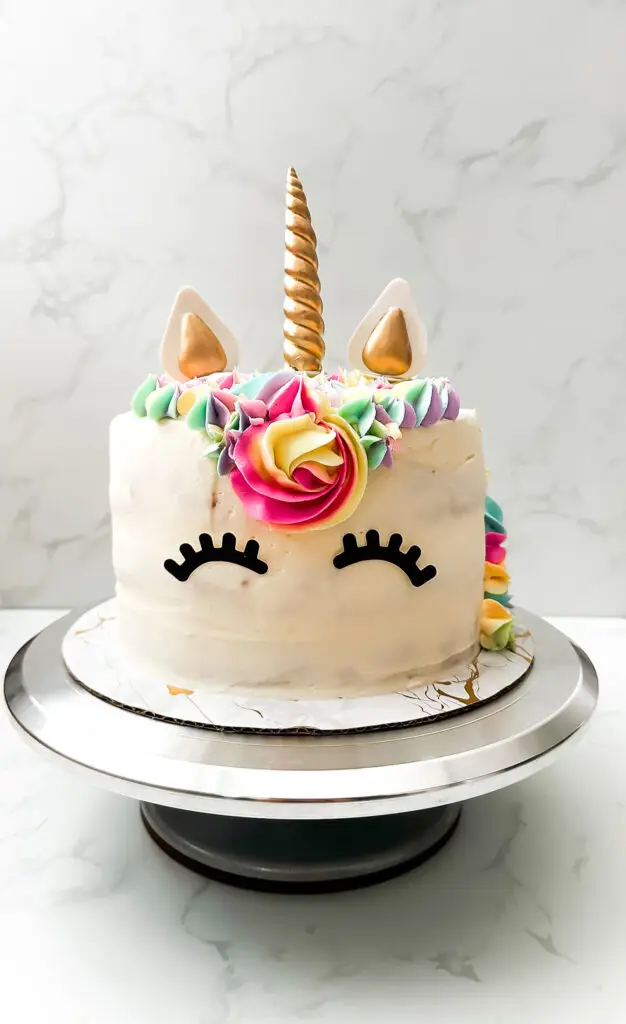
Gel food coloring (Wilton, AmeriColor, Chefmaster) versus liquid food coloring (McCormick supermarket brand) are not interchangeable for saturated colors. Gel uses tiny amounts (1/8 teaspoon for a full batch of frosting) and produces deep colors without thinning the frosting. Liquid requires 10-20 drops or more for the same color depth, which can make frosting runny. For any decorative work beyond pastels, gel is the right choice.
For natural food coloring alternatives, beet juice powder produces pinks and reds, turmeric produces yellows, blue spirulina produces blues, and matcha produces greens. The colors are softer than synthetic versions and may shift slightly during baking, but they work for anyone avoiding artificial dyes. The turmeric option doubles as a flavor and color element, which is why golden milk is naturally yellow.
For frosting and royal icing, food coloring goes in AFTER the consistency is right, adding color first then realizing the frosting needs more liquid or sugar creates a mess. The standard buttercream recipe is 1 cup butter, 4 cups powdered sugar, 2-3 tablespoons cream, 1 teaspoon vanilla. Once mixed to the right consistency, add gel coloring 1/8 teaspoon at a time, mixing thoroughly after each addition.
For Easter eggs, rainbow cookies, and holiday-themed treats, food coloring multiplies the variations possible from a single base recipe. Divide a single batch of sugar cookie dough into 4 portions, tint each a different color, then layer or marble for visual interest. The vanilla extract added to the dough doesn’t affect the color development. For storage, food coloring keeps 2-3 years in a sealed bottle; the color may shift slightly over time but remains usable. Other reader picks that build on food coloring include Perfect Unicorn Cakes and The Best Sugar Cookies. Browse vanilla extract, cocoa powder, and salt for closely related cooking applications.
Homemade food coloring can be made using natural ingredients such as beet juice, turmeric, spinach, or berries. Blend or simmer the ingredient with a small amount of water, then strain the liquid to remove solids. The concentrated liquid can be added to frosting, icing, or cake batter to naturally color baked goods.
Food colorings are made from either synthetic dyes or natural pigments derived from plants, minerals, or insects. Artificial dyes are created in laboratories and produce bright, consistent colors. Natural food coloring may come from ingredients such as beetroot, turmeric, spirulina, paprika, or fruit concentrates.
Carmine is a red food coloring made from crushed cochineal insects. This natural dye produces a deep red pigment and is sometimes used in foods, beverages, and cosmetics. Because it is insect-derived, many people choose plant-based alternatives like beet powder or fruit-based coloring.
If you don’t have red food coloring, you can use natural substitutes such as beet juice, raspberry puree, strawberry powder, or pomegranate juice. Cocoa powder can also help create the traditional reddish tone found in classic red velvet cake recipes without artificial dye.