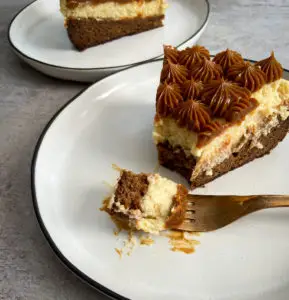
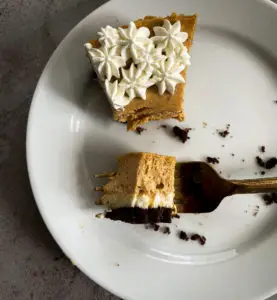
Caramel is essentially granulated sugar cooked to specific temperatures that produce different finished textures. Soft-ball stage (235-240°F) produces a chewy caramel suitable for caramel candies. Hard-crack stage (300-310°F) produces brittle and toffee. Light caramel (320-340°F) produces a pourable sauce. Dark caramel (340-360°F) produces a deeper, slightly bitter flavor that works in adult-style desserts. A candy thermometer is the only reliable tool; eyeballing color works once you have made caramel 50 times.
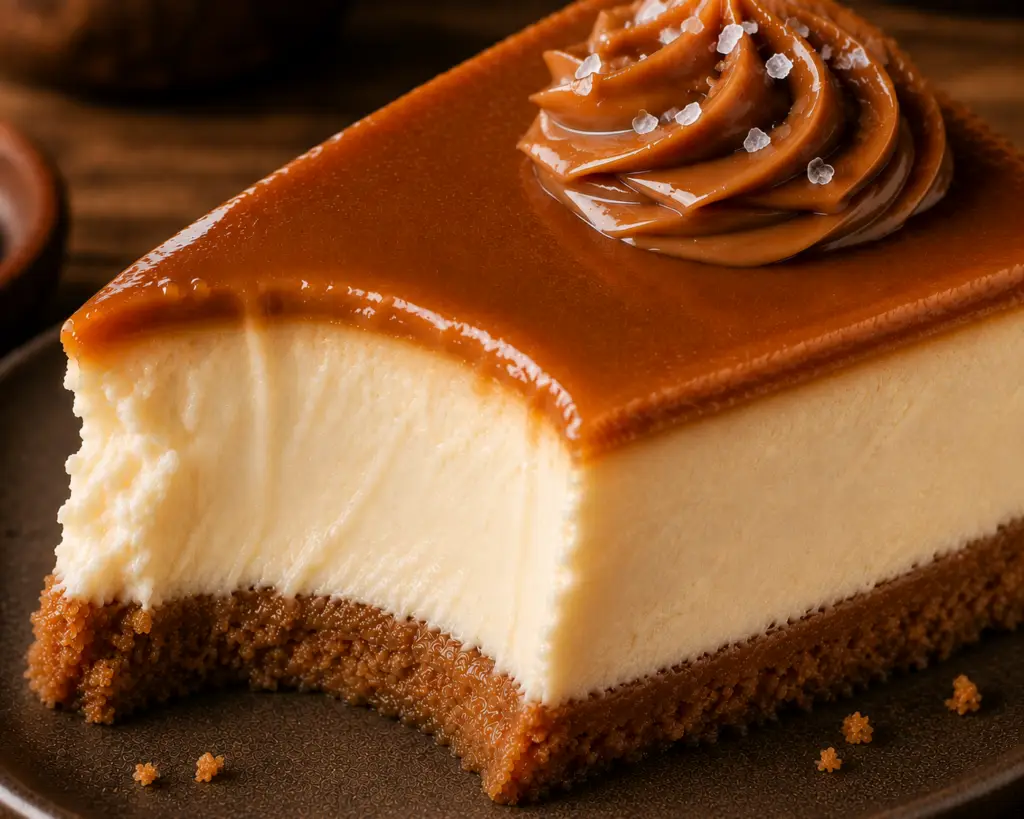
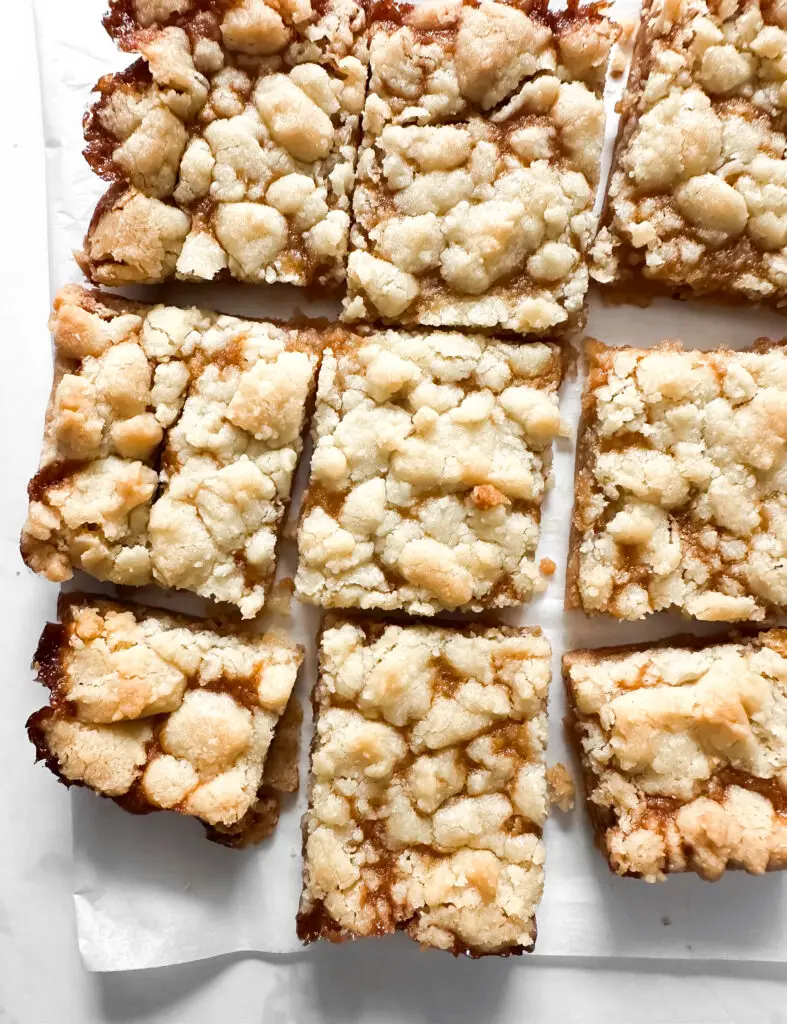
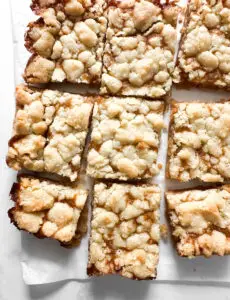
The two methods for starting a caramel are wet (sugar plus water in the pan) and dry (sugar alone in the pan). Wet caramel is more forgiving for beginners but takes longer. Dry caramel cooks faster but burns easily and requires constant stirring. For home cooks, wet caramel is the right starting technique: 1 cup sugar plus 1/4 cup water, brought to a boil and then cooked without stirring until the desired color is reached. Shortbread Cookie Bars uses a wet caramel layer between the shortbread base and the chocolate top, where the caramel needs to set firm enough to slice cleanly.
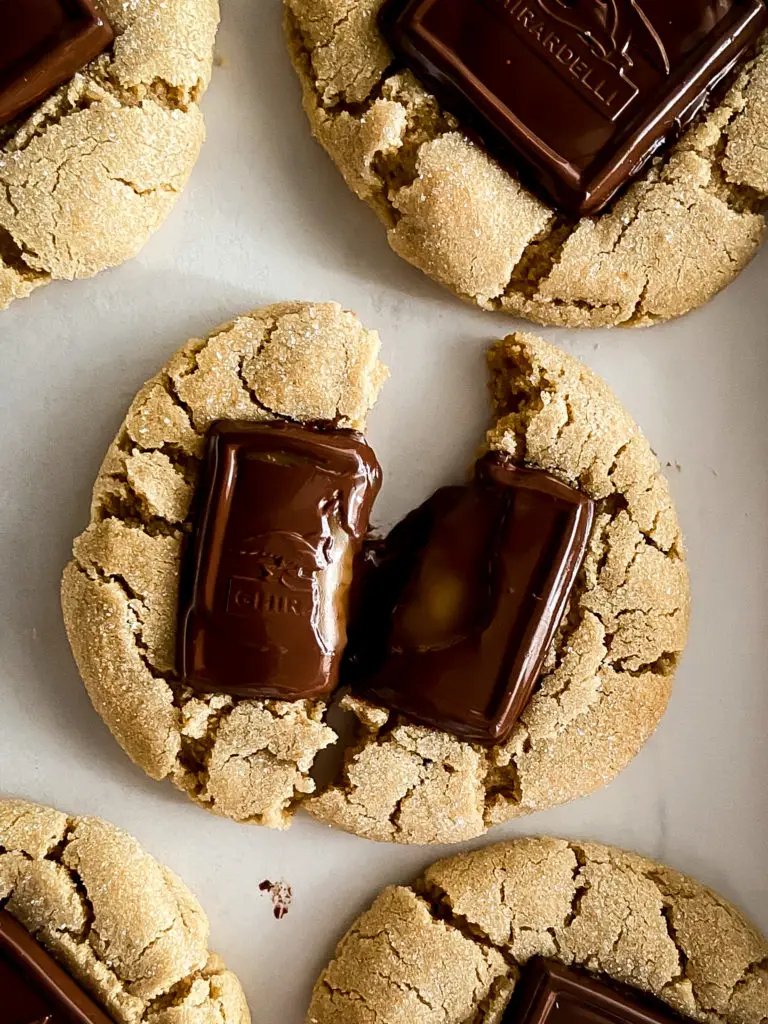
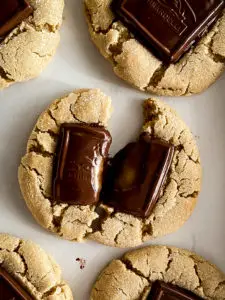
The crystallization problem (where the caramel turns grainy instead of smooth) is the most common home failure. Two preventions: brush down the sides of the pan with a wet pastry brush during the early cook to dissolve any sugar crystals that splash up, and add a tablespoon of corn syrup or honey to the sugar at the start, which interferes with crystal formation. Dark Chocolate Peanut Butter Cookie uses caramel chips rather than homemade caramel for convenience, but the homemade version would work in the same recipe with a small adjustment to the wet-ingredient balance.
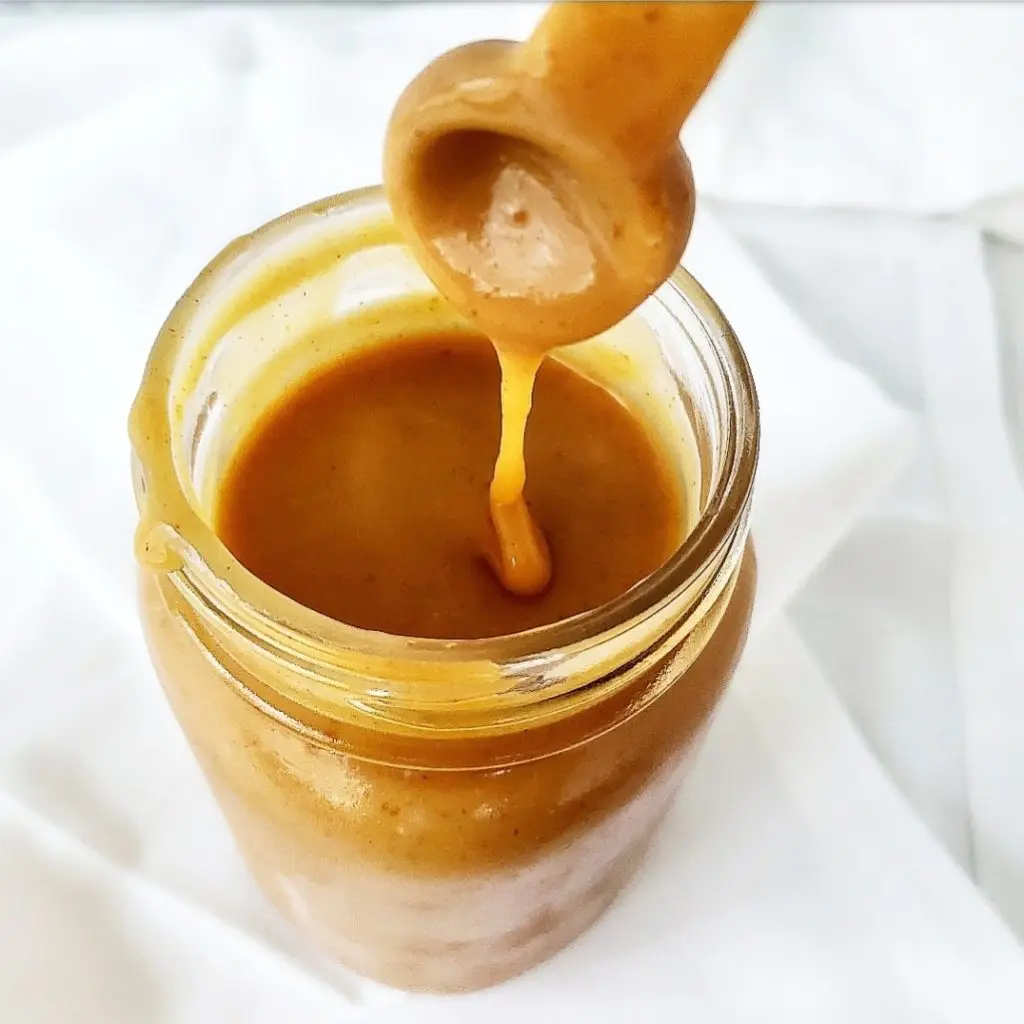
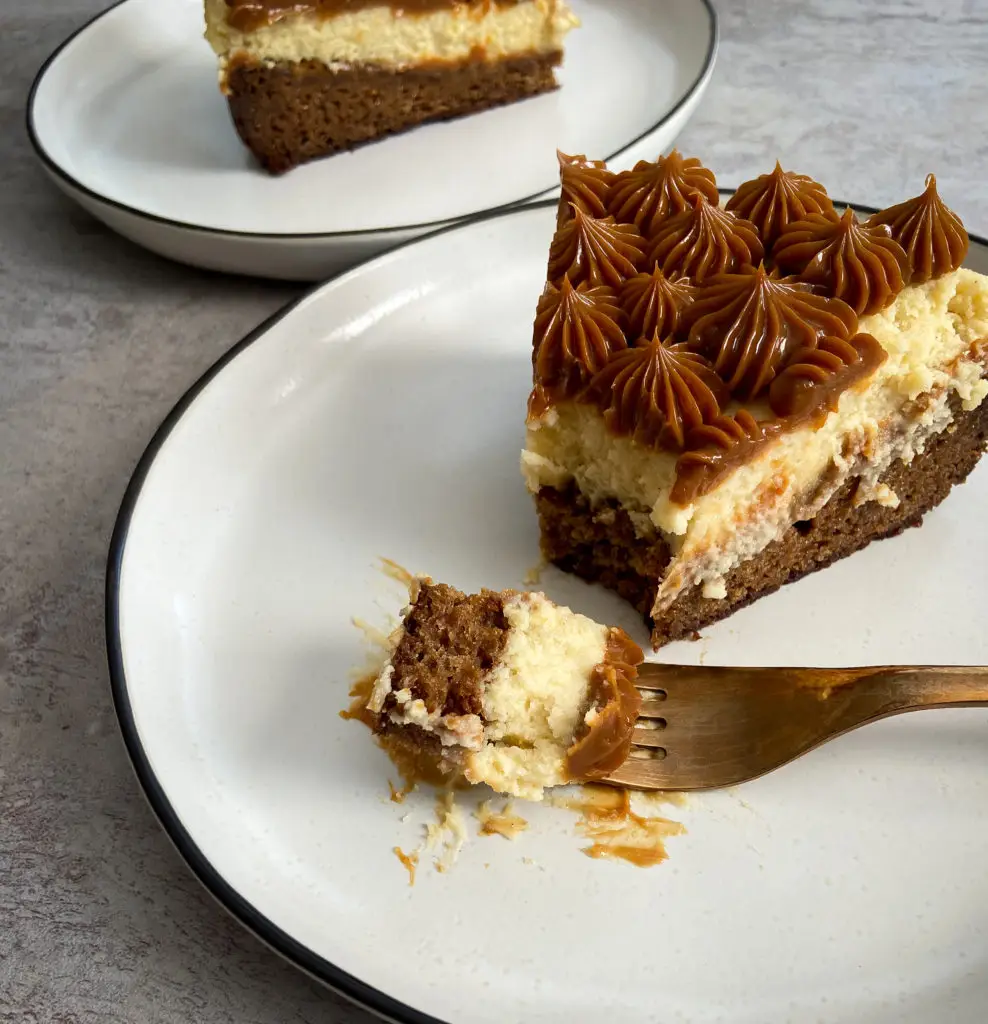
For finishing caramel with cream (which transforms it from hard candy into pourable sauce), the cream needs to be warm before adding to the hot caramel. Cold cream causes the caramel to seize and spatter dangerously. Bring the heavy cream to a simmer in the microwave for 30 seconds before adding it slowly to the caramel pan, stirring continuously. The result is a smooth, pourable sauce that thickens as it cools. A tablespoon of vanilla extract stirred in at the end adds depth that the basic three-ingredient caramel sauce otherwise lacks. The same vanilla addition rule applies to most home caramel recipes, add the vanilla at the very end, off heat, so the alcohol does not flash off and lose flavor.