
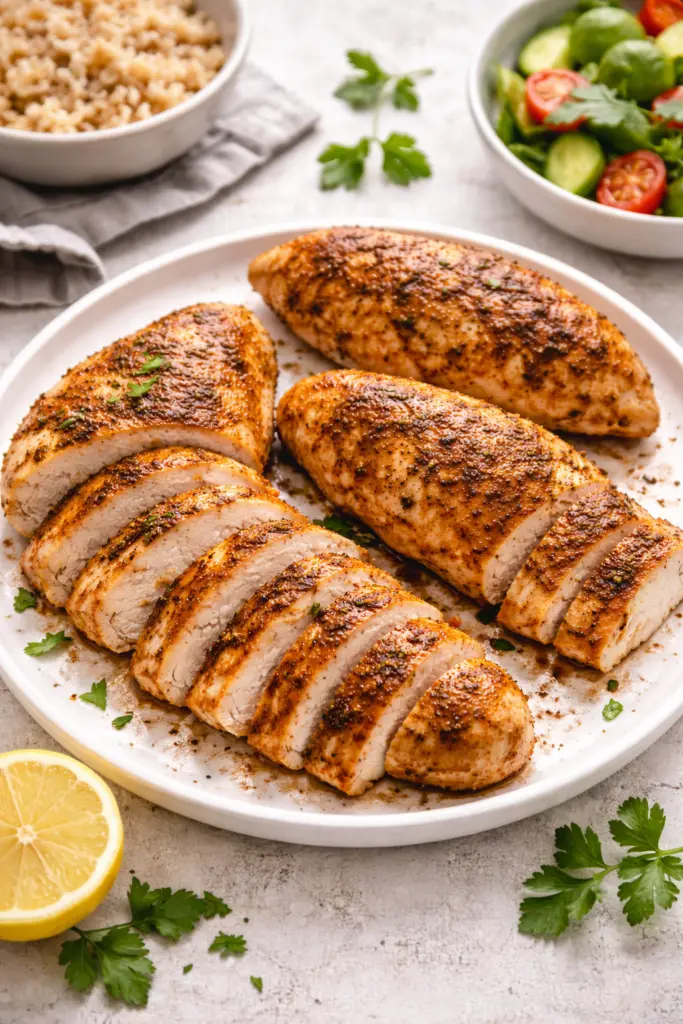
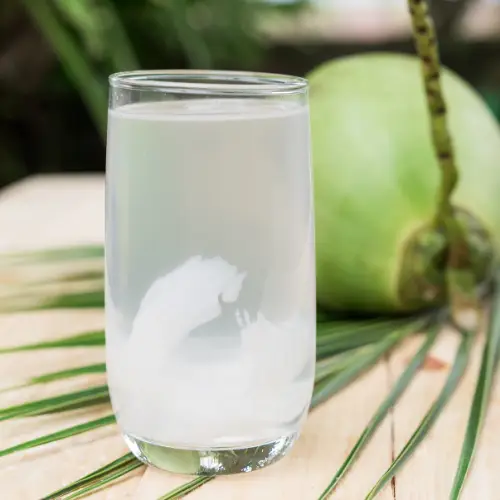
Coconut water is the clear liquid from the inside of young green coconuts (not to be confused with coconut milk, which is pressed from the white flesh). The natural electrolytes and mild sweetness make it a useful brine and marinade liquid for poultry where you want gentle tropical flavor without adding fat. A reader favorite built on it is Boneless Chicken Breast where the coconut water tenderizes the chicken and contributes subtle tropical notes that plain water marinades cannot.

Coconut water versus coconut milk versus coconut cream are three different products from the same fruit. Coconut water is the clear liquid inside young green coconuts (mostly water, with light sweetness and electrolytes). Coconut milk is the white liquid extracted from grated mature coconut flesh (creamy, fatty, used in curries). Coconut cream is the thicker, fattier version of coconut milk. Coconut water is not interchangeable with the other two in cooking.
For marinades and brines, the natural sugars and electrolytes in coconut water work the same way as buttermilk or pineapple juice, tenderizing protein through mild acid and enzymatic action. The standard ratio for chicken breast is 2 cups coconut water + 1 tablespoon salt (as in Homemade Hamburger Helper and Egg Free Cottage Cheese Muffins) + 2 cloves crushed garlic (used in Ground Beef and Tater Tot Casserole and The Best Sheperds Pie) + zest of 1 lime (seen in Healthy Chicken Wrap and Chicken Taco Soup), marinate 2-6 hours. The result is chicken that stays juicier through cooking with a subtle background of tropical flavor.
For hydration and beverages, coconut water is the sports-drink alternative for endurance activity. The natural potassium content (around 600mg per cup) is higher than most commercial sports drinks. Look for unsweetened, no-added-sodium versions; many supermarket brands add sugar that cancels out the health benefits. The flavor varies by brand from clean and slightly nutty to overly sweet and processed.
For cooking applications beyond marinades, coconut water can replace plain water in rice (such as in Poppy Seed Chicken and Chicken Shawarma Bowls), quinoa, or grain cooking for subtle sweetness. Use 1 cup coconut water + 1 cup water for the cooking liquid to avoid the rice becoming too sweet. Works well for Thai sticky rice, Caribbean rice and beans, and any preparation where mild tropical sweetness fits the dish.
For storage, opened coconut water keeps 1-2 days refrigerated and degrades quickly once exposed to air. Tetra-pak containers extend shelf life unopened to 6-12 months at room temperature. Once opened, the flavor goes from clean to slightly fermented within 48 hours. Discard if it tastes sour or carbonated. The same shelf-life sensitivity applies to most fresh fruit juices and minimally-processed beverages.
Coconut water can be used as a base for smoothies, juices, and beverages. It can also be added to soups, rice dishes, or marinades to add light flavor and moisture.
Recipes that use coconut water include smoothies, fruit drinks, popsicles, light soups, rice dishes, and tropical desserts. It works well in both sweet and savory recipes.
Drinking coconut water daily can help with hydration and provide electrolytes like potassium. However, it should be consumed in moderation as part of a balanced diet.
Coconut water is low in calories and can be a good alternative to sugary drinks, which may support weight management when combined with a healthy diet and lifestyle.
For more tropical and tenderizing-liquid options, see our coconut milk and chicken broth recipes.