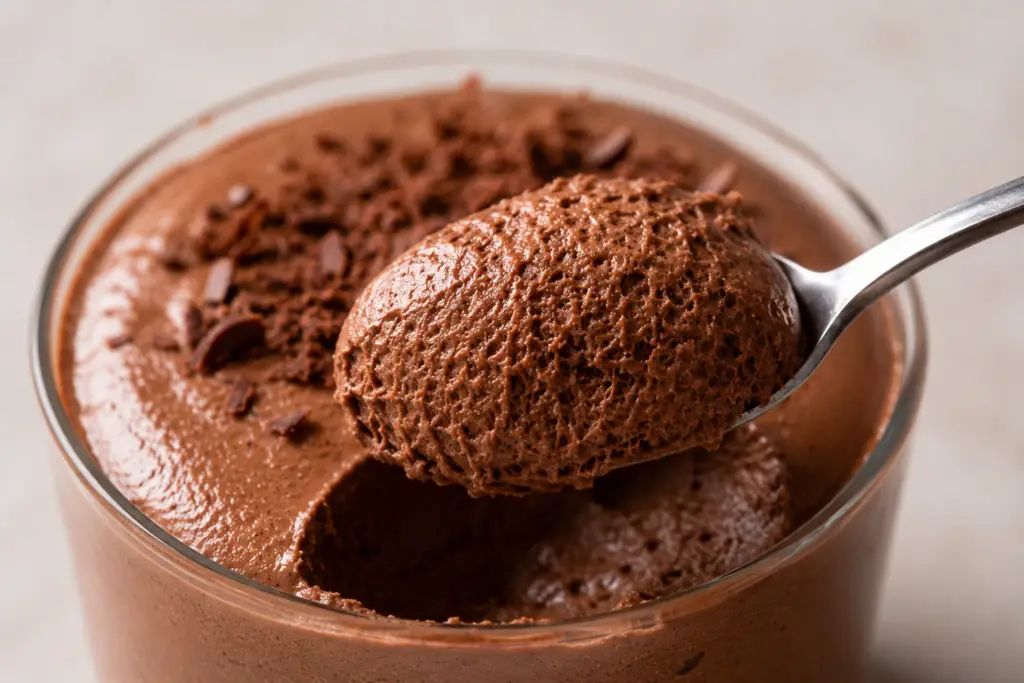
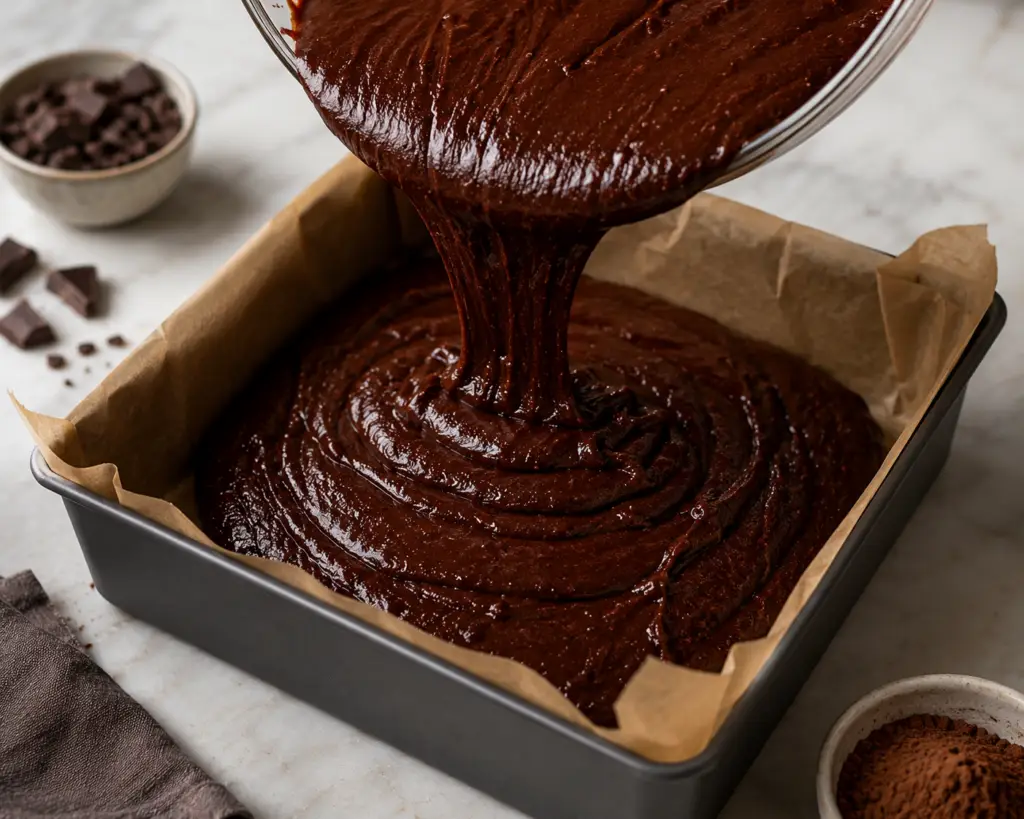
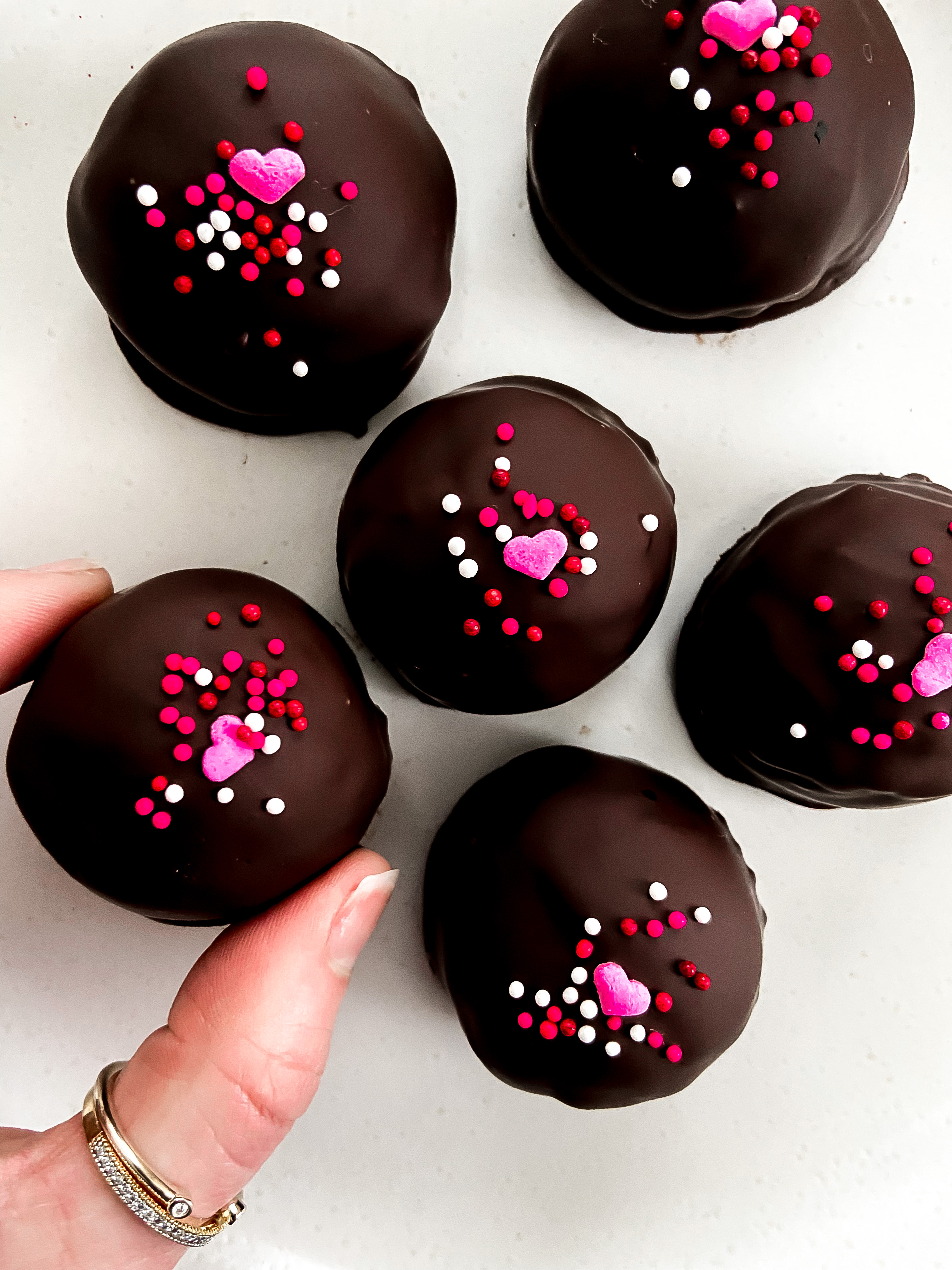
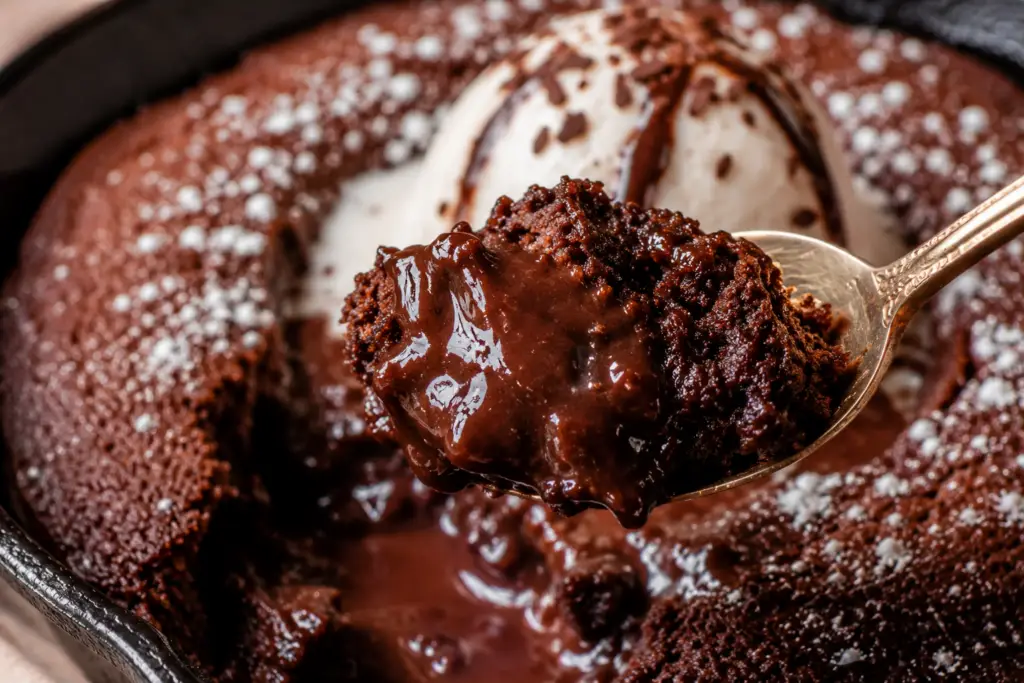
Chopped chocolate and heavy cream together produce ganache, which is the foundation of most chocolate finishing work in baking. The standard ratio is 2:1 chocolate to cream by weight for a thick ganache (truffles, dipped fruit), 1:1 for a pourable ganache (cake glaze), and 1:2 for whipped ganache (mousses, frostings). The same chopped chocolate works in all three formats; only the ratio changes. Skip the chopping step and use chips, and the stabilizers prevent the smooth emulsion that real ganache requires.
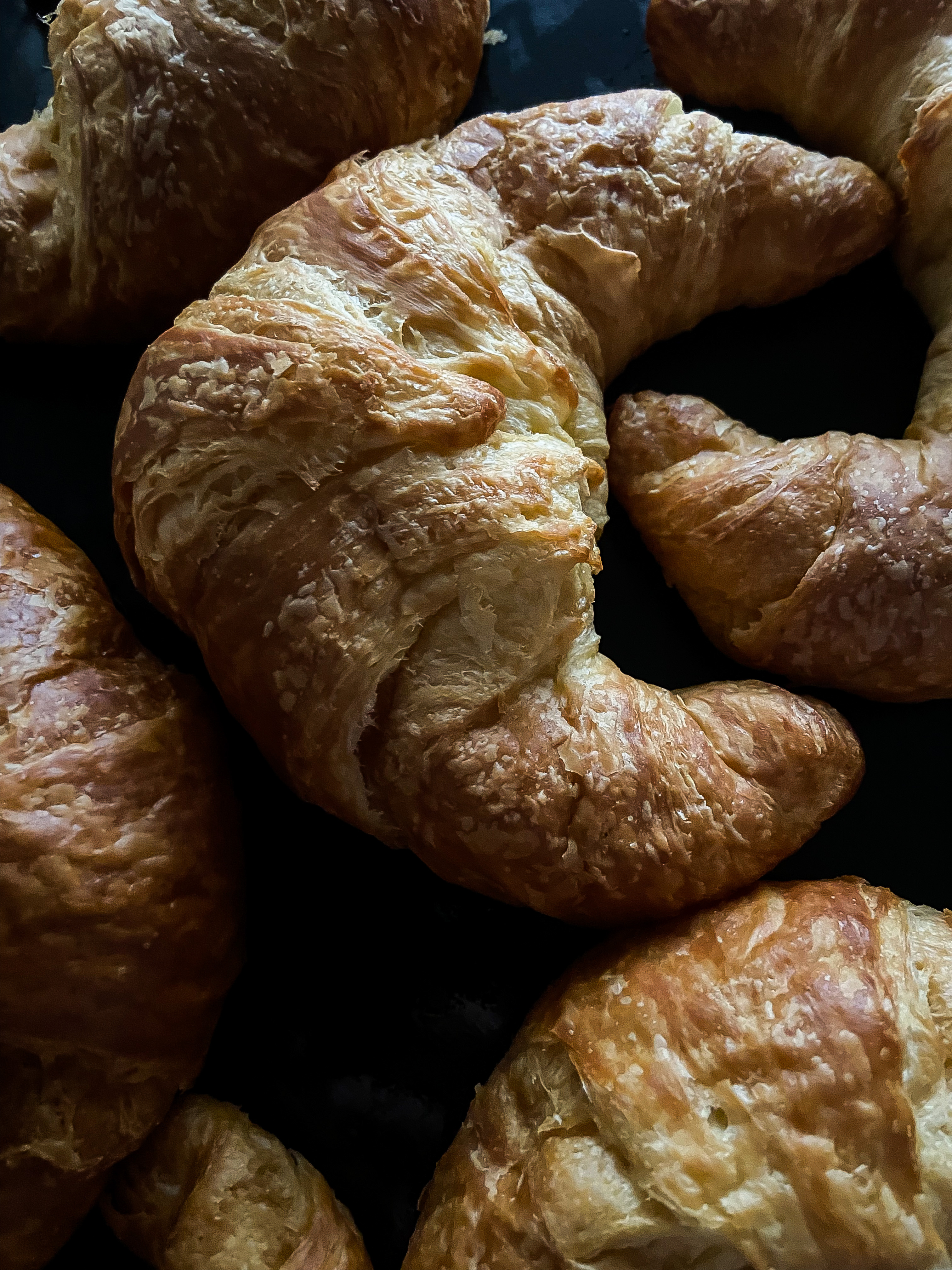
The melting technique determines whether chopped chocolate produces a glossy, smooth result or a broken, grainy mess. The double-boiler method (chocolate over barely-simmering water, never boiling) is the safest. Microwaving works at 50% power in 20-second bursts with stirring between each burst. Either way, water is the enemy, a single drop of moisture in the chocolate causes seizing, where the cocoa solids clump and the fat separates. Homemade Croissants demonstrates a chocolate-pastry application where chopped chocolate gets folded into the dough during the lamination process, melting during the bake into pockets rather than coating the entire pastry.
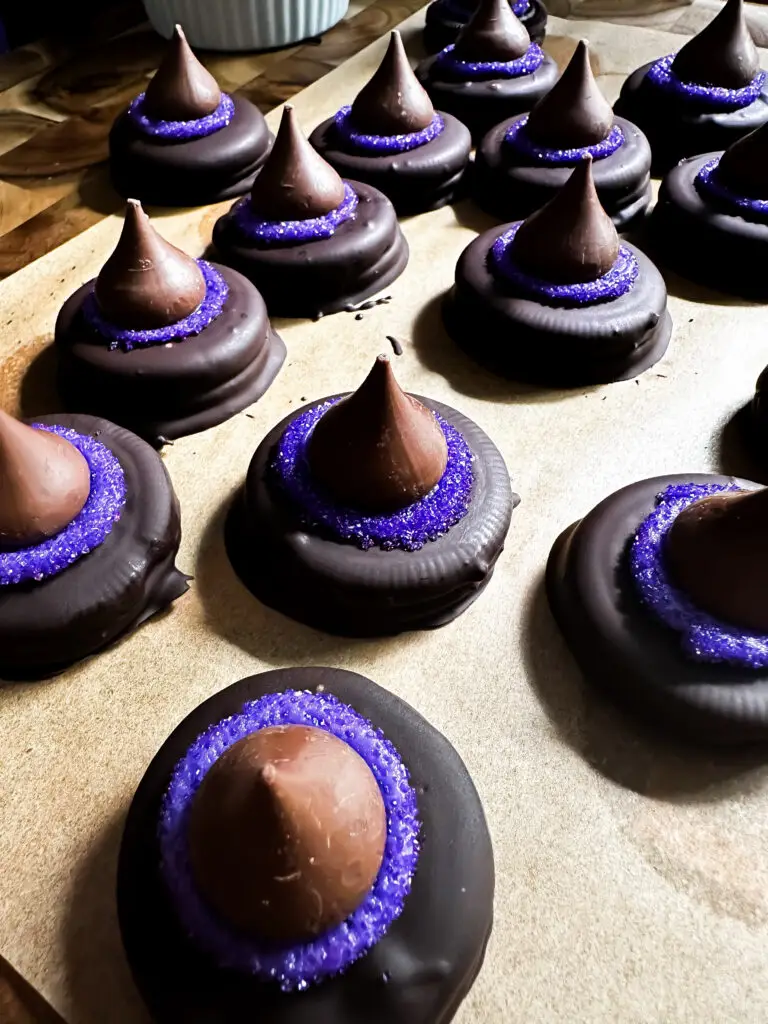
For tempering (the process that gives chocolate its snap and shine), the technique requires bringing the melted chocolate to 88-90°F after a brief warm-up cycle through 115°F. Skipping tempering produces chocolate that hardens dull and slightly soft instead of glossy and snappy. The shortcut for home cooks is seeding: melt 75% of the chocolate, then stir the remaining 25% (still solid) into the melt. The solid chocolate cools the melt and seeds the proper crystal structure. Most recipes can use untempered chocolate without dramatic consequences, but dipped truffles and decorative work require the snap. Chocolate Hazelnut Spread skips tempering entirely since the spread stays soft and never needs to set up firm.
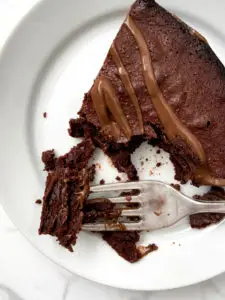
For storage, chocolate keeps for 1-2 years in a cool, dry, dark spot. Refrigeration causes condensation when the chocolate returns to room temperature, which produces “bloom” the gray-white surface that does not affect taste but ruins appearance. Wrap chocolate in plastic and keep it at 60-65°F if possible. Healthy No Bake Date Bars uses melted chocolate as a finishing drizzle, where the simple double-boiler melt produces enough finish for a 9×13 pan of bars with no tempering required. butter can be added to thinned chocolate (about 1 tablespoon per cup) to produce a softer coating that does not snap when bitten — useful for soft-coated truffles and finishing drizzles where snap is not the goal. The same butter trick works for powdered sugar-based ganaches.