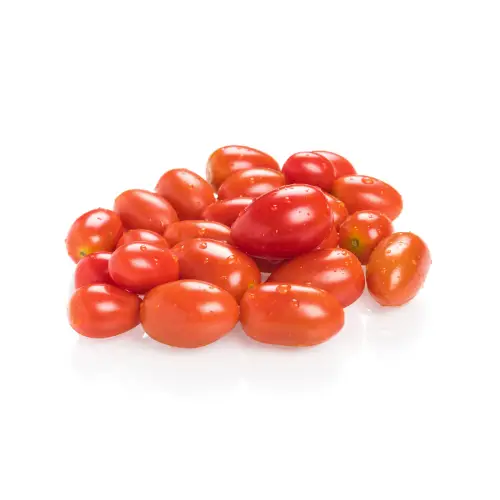
Cherry tomatoes, grape tomatoes, and cocktail tomatoes are all small tomato varieties with slightly different shapes and flavor profiles. Cherry tomatoes are round and sweet, the standard for most American cooking. Grape tomatoes are oval and slightly firmer. Cocktail tomatoes are larger (golf-ball sized) and bridge cherry and standard tomato applications. For most recipes calling for ‘cherry tomatoes,’ grape tomatoes substitute fine.
Blistering cherry tomatoes (the technique that transforms them into a pasta-sauce ingredient) takes 5-10 minutes total. Heat olive oil in a skillet, add whole cherry tomatoes in a single layer, cook over medium-high heat for 3-5 minutes until skins blister and tomatoes start to burst. Add garlic, salt, fresh basil at the end. The result tastes dramatically more concentrated and sweet than raw cherry tomatoes.
For pasta with blistered cherry tomatoes (the 15-minute weeknight dinner), the technique is to start the pasta water, blister the tomatoes while it heats, cook pasta, drain and combine. Add fresh garlic, fresh basil, olive oil, salt, and parmesan cheese grated over the top. The whole dish takes 20 minutes and tastes restaurant-quality.
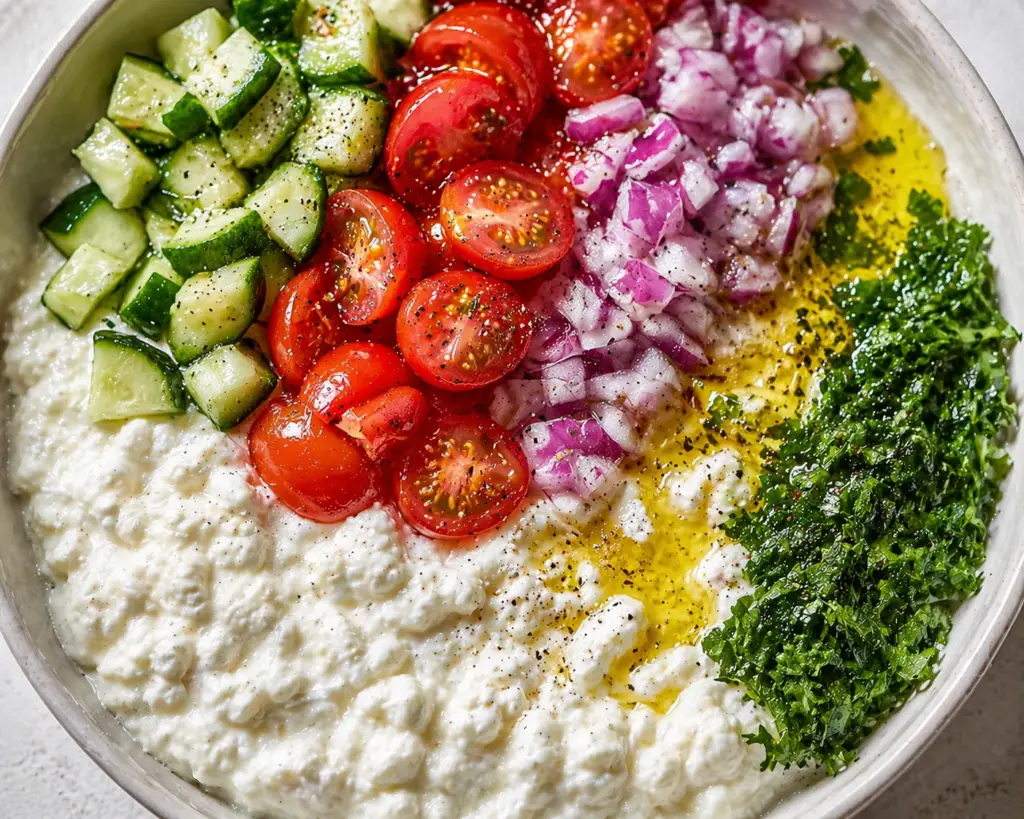
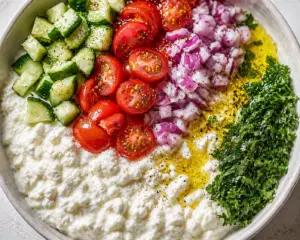
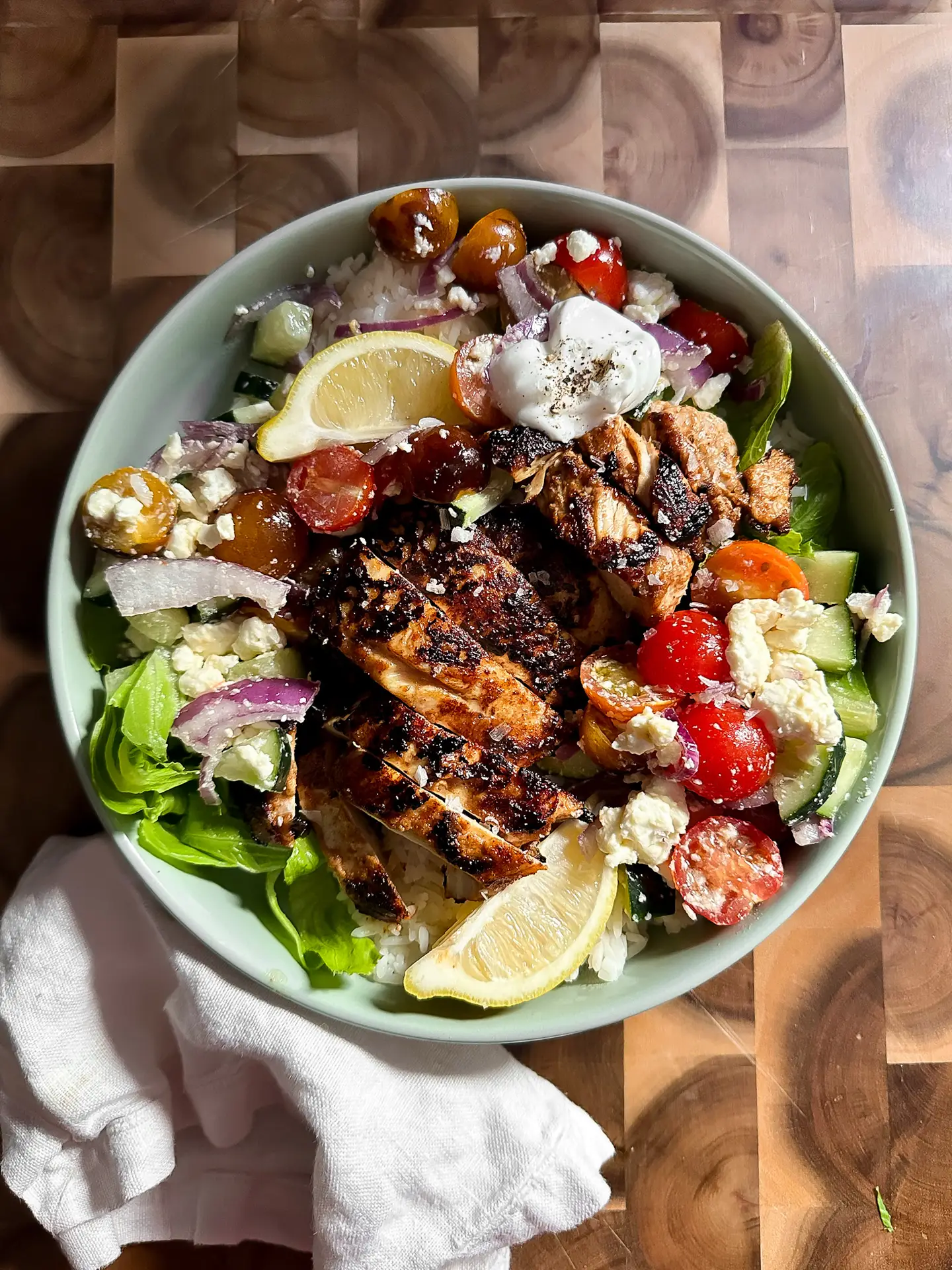
For salads, halved cherry tomatoes pair particularly well with cucumbers, feta cheese, red onion, olives, and olive oil, the standard Greek salad in cherry-tomato form. For storage, cherry tomatoes keep 5-7 days at room temperature, 7-10 days refrigerated (though refrigeration dulls the flavor). For meal prep, halving Sunday and storing in an airtight container makes weeknight salads and pasta dishes take 5 minutes instead of 15. Other reader picks that build on cherry tomatoes include Tuscan Chicken Pasta and The Best Roasted Tomato Soup. Browse tomatoes, basil, and salt for closely related cooking applications.