


BBQ sauce is the sweet, smoky, and tangy glaze that defines American grilling, whether you are brushing it on ribs, tossing it with chicken wings, or stirring it into pulled meat. Ketchup, vinegar, brown sugar, and smoked paprika are the four building blocks every homemade BBQ sauce starts from. Recipes on this site that use BBQ sauce include BBQ Chicken Naan Pizza and Oven Baked Chicken Wings where BBQ sauce functions as both a glaze and the primary flavor driver.

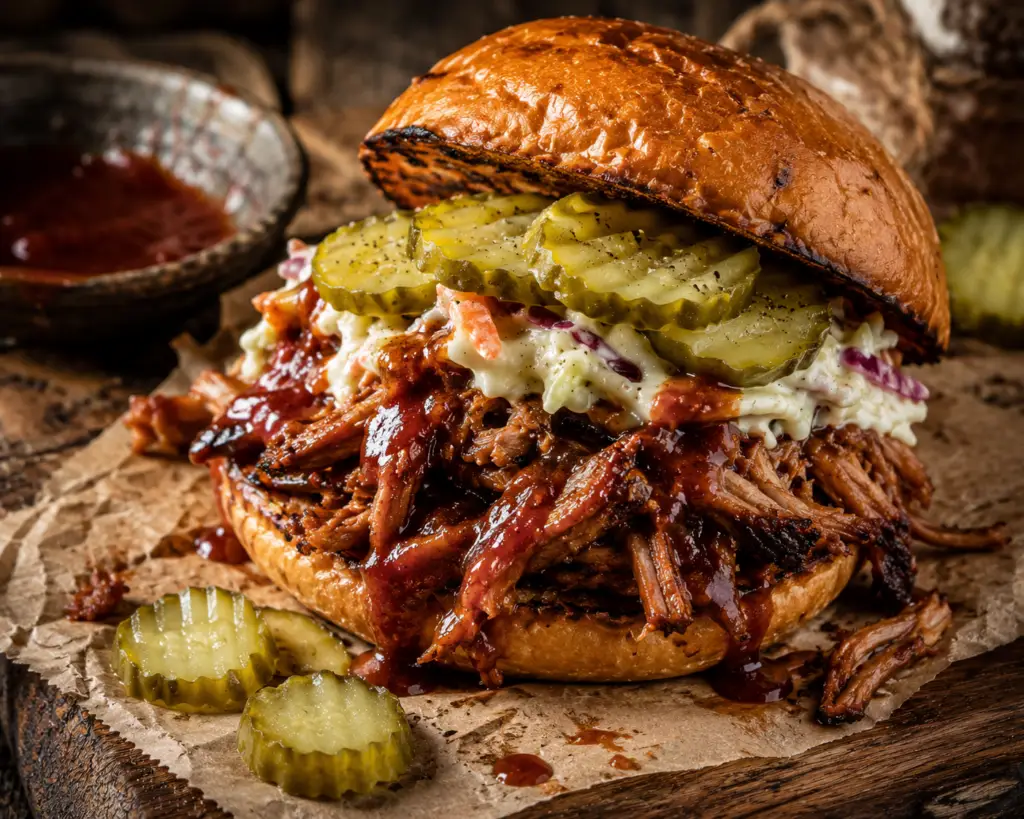




The four BBQ sauce styles worth knowing map to American regions: Kansas City (thick, sweet, tomato-based), Carolina (thin, vinegar-forward, often mustard-based), Texas (beef-forward, dry-rub heavy, sauce minimal), and Memphis (sweet and tangy, heavy on molasses). Most grocery store bottles are Kansas City style. When a recipe calls for BBQ sauce without specifying, Kansas City style is the assumed default. brown sugar and smoked paprika are the two shortcuts that move a homemade sauce from flat to restaurant-level without a long ingredient list.
For homemade BBQ sauce, the base recipe is 1 cup ketchup, 3 tablespoons brown sugar, 2 tablespoons apple cider vinegar, 1 tablespoon Worcestershire sauce, 1 teaspoon smoked paprika, 1 teaspoon garlic powder, and a pinch of cayenne simmered over medium heat for 10 minutes. The result is better than most mid-range store-bought bottles and takes 15 minutes total. Adding a tablespoon of honey at the end produces a glossier, stickier glaze that caramelizes better on the grill or under the broiler. The BBQ Chicken Naan Pizza uses BBQ sauce as the pizza base in place of tomato sauce, paired with shredded rotisserie chicken and red onion for a fast weeknight dinner that requires no cooking from scratch.
For chicken wings with BBQ sauce, the technique is to bake or fry the wings first until fully cooked and crispy, then toss in the sauce at the end. Saucing raw wings before cooking produces a soggy, burnt result. The Oven Baked Chicken Wings recipe on this site achieves a crispy skin through high-heat baking at 425°F before the sauce is applied in the final 5 minutes. The Baked Chicken Thighs recipe uses a BBQ sauce brush in the last 10 minutes of baking, allowing the sugars to caramelize into a sticky crust without burning against the longer initial bake time. Browse worcestershire sauce, apple cider vinegar, and honey for closely related BBQ sauce building applications.
For storage, homemade BBQ sauce keeps in a sealed jar in the refrigerator for up to 3 weeks. Store-bought BBQ sauce keeps up to 4 months after opening when refrigerated. Applying BBQ sauce during cooking always requires watching for burning since the sugar content means it can go from caramelized to charred in under 2 minutes over high heat.
Most BBQ sauces start with a tomato base (ketchup or tomato paste), vinegar for acidity, a sweetener (brown sugar, molasses, or honey), Worcestershire sauce for savory depth, and spices like smoked paprika, garlic powder, and cayenne for heat. Regional styles vary significantly: Kansas City sauce is thick and sweet, Carolina sauce is thin and vinegar-forward, and Texas sauce is minimal and beef-focused. Most grocery store bottles default to the Kansas City sweet-tomato style.
Combine 1 cup ketchup, 3 tablespoons brown sugar, 2 tablespoons apple cider vinegar, 1 tablespoon Worcestershire sauce, 1 teaspoon smoked paprika, 1 teaspoon garlic powder, and a pinch of cayenne in a small saucepan. Simmer over medium heat for 10 minutes, stirring occasionally, until slightly thickened. Taste and adjust sweetness, acidity, or heat. The sauce is ready immediately and keeps in the refrigerator for up to 3 weeks.
Apply BBQ sauce in the final 5 to 10 minutes of cooking, not at the beginning. The sugars in BBQ sauce burn quickly over high heat, producing a bitter, blackened crust if applied too early. Cook the chicken to near-done over direct or indirect heat, then brush the sauce on, return to heat for 3 to 5 minutes, brush again, and finish. This produces a sticky, caramelized glaze rather than a burnt coating.
BBQ sauce is sweetened, acidic from vinegar, and heavily spiced with smoke and paprika. It is designed for high-heat grilling, glazing, and dipping. Regular tomato sauce is unsweetened, herb-seasoned, and built for Italian-style pasta and pizza applications. They are not interchangeable in recipes. The sugar content in BBQ sauce means it behaves very differently under heat compared to plain tomato sauce.