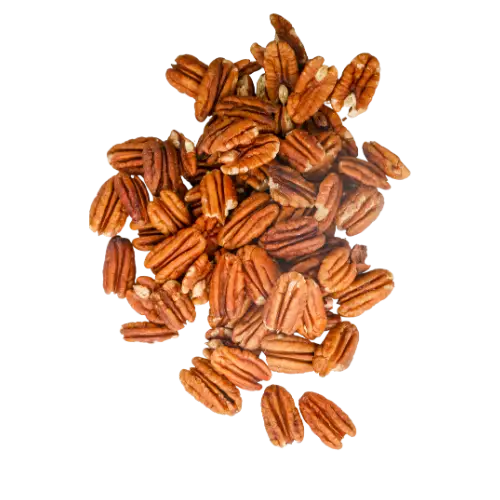
Toasting pecans before using them transforms the flavor dramatically. Raw pecans taste soft and slightly grassy; toasted pecans taste deeply nutty, slightly caramel, and pleasantly bitter. The technique: spread pecans on a sheet pan in a single layer, roast at 350°F for 7-10 minutes, watching carefully to prevent burning. The nuts continue cooking on the hot pan after coming out, so pull them at the just-fragrant stage. The maple syrup pairing on candied pecans (toss with maple, salt, and a touch of cinnamon before toasting) produces a snack that lasts weeks in a sealed jar.
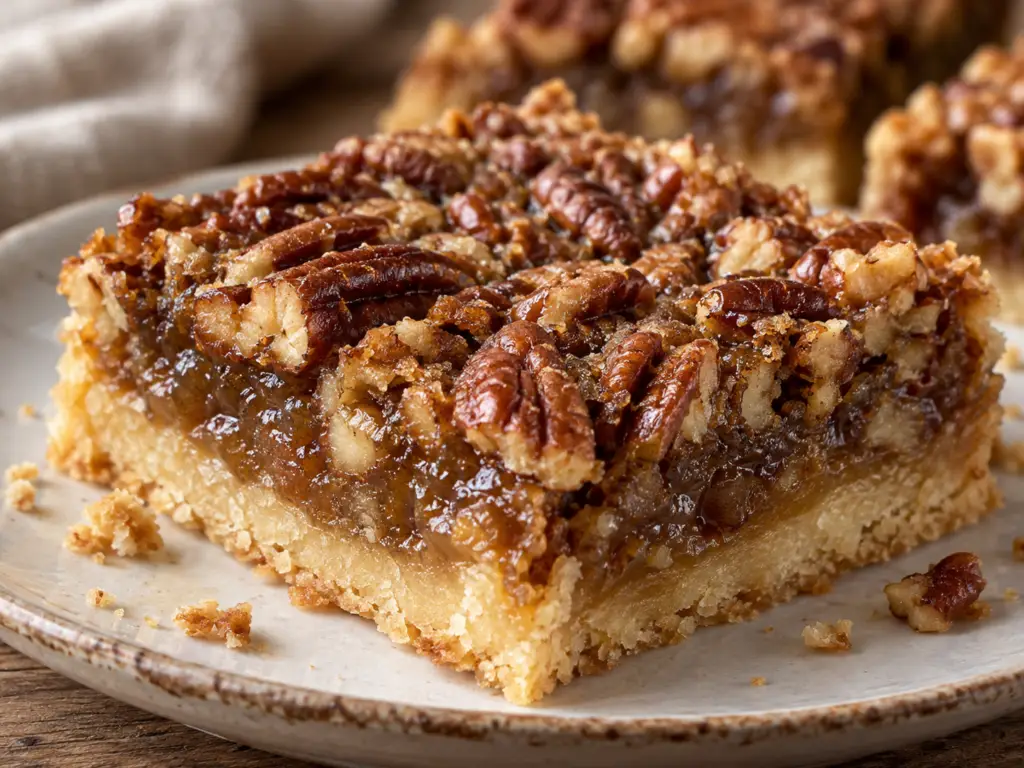
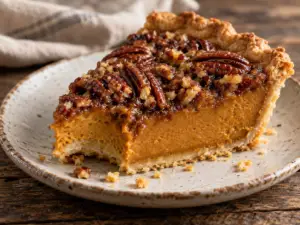
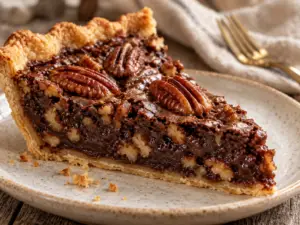
For pies and tarts, pecans are the headline ingredient in pecan pie. One of the few American desserts where a single nut variety carries the entire dessert. The standard filling is corn syrup, sugar, eggs, and butter, plus 1.5 cups of toasted pecan halves. The pecans float to the top during baking and form the characteristic dark crust over the caramel filling underneath. Apple Maple Upside Down Bundt Cake uses pecans as a complementary nut to the apple, where the pecan layer at the top of the cake (which becomes the bottom when inverted) provides crunch and caramel notes against the soft cooked apple slices.
For savory applications, pecans work in salads, stuffings, and as toppers for roasted vegetables. The standard fall salad is mixed greens, sliced pear, crumbled blue cheese, dried cranberries, and toasted pecans, dressed with a maple vinaigrette. Roasted Vegetables demonstrates the topping use, where toasted pecan pieces scattered over the finished roasted vegetables add crunch and richness that the vegetables alone could not provide. cinnamon-spiced pecans take the same vegetable side dish in a Thanksgiving-warm direction with one ingredient change.
For storage, pecans (like all high-fat nuts) go rancid faster than most home cooks realize. At room temperature in a sealed container, they last 2-3 months. In the fridge, 6 months. In the freezer, a year. The signal for rancidity is a soapy or paint-like smell. If you smell that, throw them away because rancid nuts taste terrible and may have negative health effects from oxidized fats. Adding vanilla extract to a candy or caramel sauce containing pecans amplifies the nutty flavor noticeably, and the trick works for praline-style pecan applications where the nut flavor should read as the dominant note rather than a supporting one. Recipes that work with this ingredient often share territory with walnuts and almonds.