Seasonal recipes follow the rhythm of the year. The recipes here are organized around the holidays, weather, and produce that actually drive home cooking through the calendar, spring brunches with asparagus and lemon, summer grills with corn and stone fruit, fall pies built on pumpkin and apple, winter braises that fill a kitchen with steam. The breakfast recipes library cross-lists heavily with this section because morning meals shift more by season than any other category: oatmeal in winter, fruit-and-yogurt in summer.
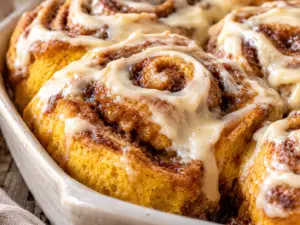
The technique that separates a true seasonal cook from someone just adding a pumpkin garnish to a generic dessert in October is building flavors that match the season’s actual mood. Hot, bright, fresh flavors in summer. Warm, baked, spiced flavors in fall and winter. Light, herbal, citrus-driven flavors in spring. The seasoning choice often matters more than the ingredient. Pumpkin Blondies demonstrates this principle on a fall-specific bake, the spice blend (cinnamon, nutmeg, clove, ginger) does most of the seasonal work, not the pumpkin itself.
For dinner planning across seasons, dinner recipes include the year-round options that adjust by the side dishes and finishing touches rather than the main protein. A grilled chicken in July becomes the same chicken braised with root vegetables in February. Christmas Cookie Box Guide is the project-format example of seasonal cooking, a guide that turns a single afternoon of baking into a holiday tradition rather than a one-off bake.
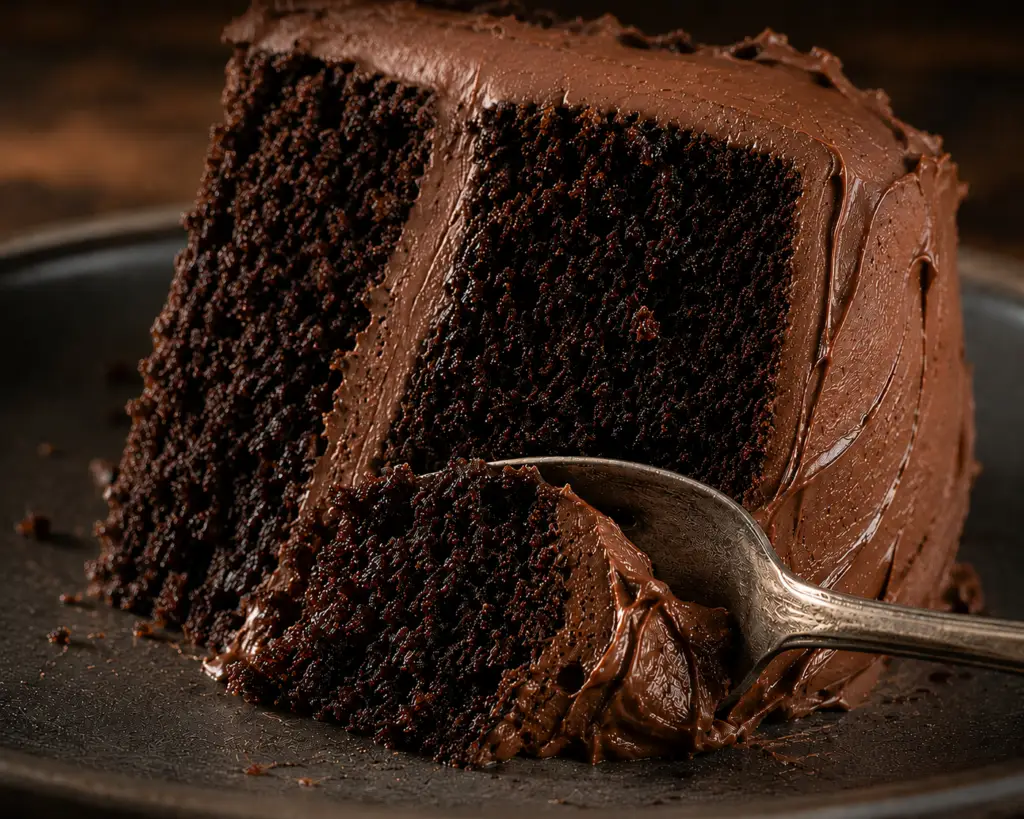
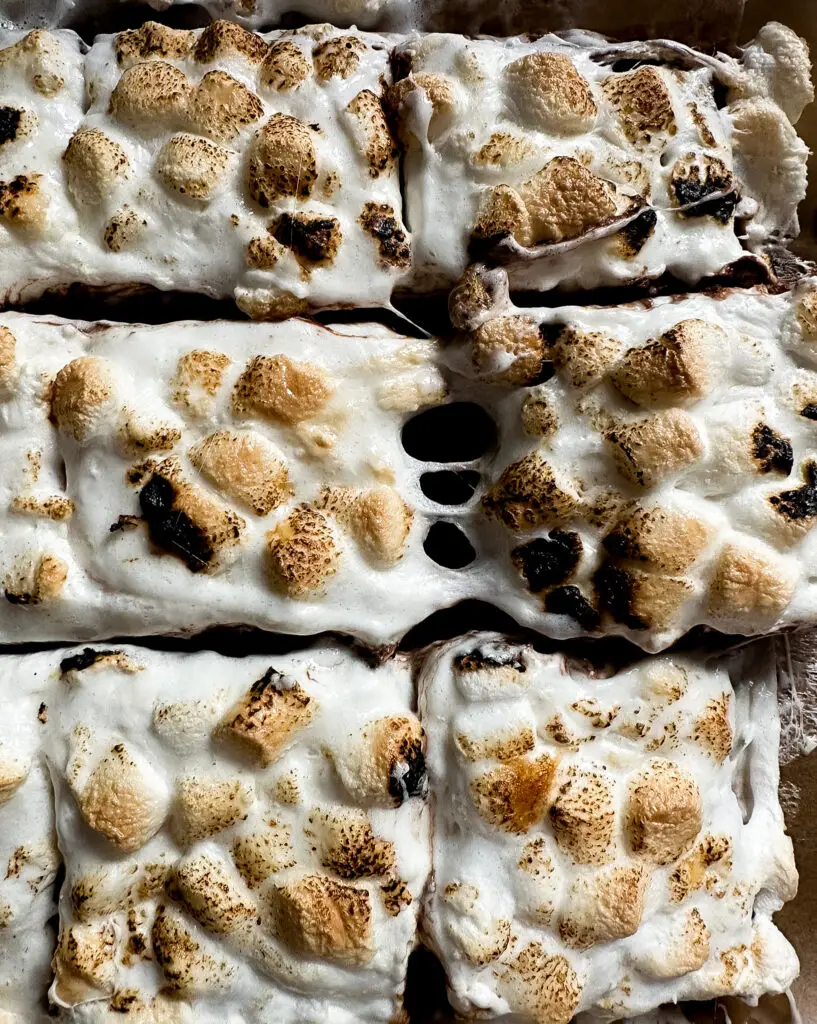
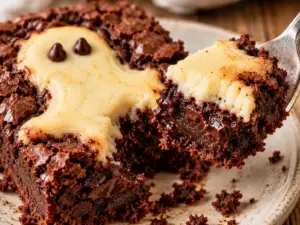
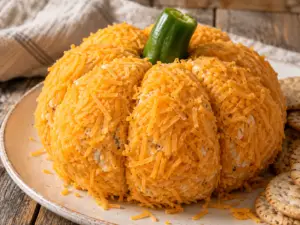
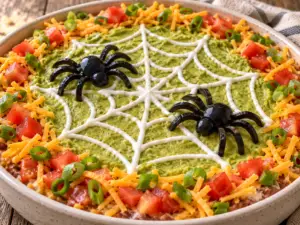
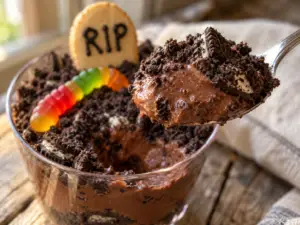
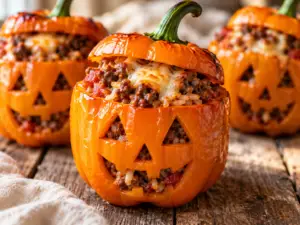
For dessert-driven seasonal cooking specifically, dessert recipes include the holiday-anchored baking that defines most American cooking calendars: Halloween cookies, Thanksgiving pies, Christmas cookies, Valentine’s chocolate, Easter cakes, summer ice cream and stone-fruit pies. The dessert calendar is more strictly seasonal than any other category, because holidays drive demand and produce drives availability. The cooks who plan their dessert calendar in advance end up baking less but enjoying it more.