
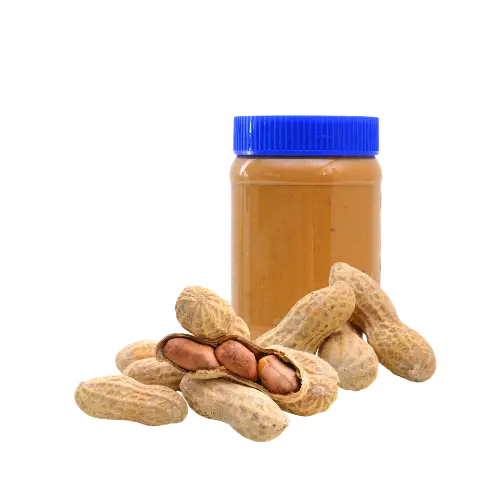
Peanuts are the legume (not a tree nut) that anchors peanut butter, Thai pad thai, peanut sauces, and most Asian peanut-forward cooking. Roasted peanuts also work as garnish on noodle bowls, salads, and stir-fries, providing both crunch and the toasted-peanut flavor that raw peanuts lack. Reader favorites built on it include Peanut Butter Protein Balls, Chocolate Peanut Butter Swirl Fudge, and The Best Peanut Butter Cookies where the peanut flavor (via peanut butter or whole peanuts) provides the rich, salty-sweet note that defines comfort-food and Asian peanut-forward cooking.
Roasted peanuts, raw peanuts, dry-roasted peanuts, and honey-roasted peanuts each serve different culinary purposes. Roasted salted peanuts work for trail mix, brittle, and most baking applications. Raw peanuts are required for homemade peanut butter and any application where you’ll be roasting them yourself. Dry-roasted peanuts have no added oil and slightly more concentrated flavor. Honey-roasted peanuts are sweet snacking peanuts; not interchangeable in cooking.
For pad thai and Thai noodle dishes, chopped roasted peanuts go on top of the finished dish as a textural element. The standard amount is 2 tablespoons chopped peanuts per serving, sprinkled on with chopped cilantro and a lime wedge. The crunchy peanuts contrast with the soft noodles and sticky sauce.
For peanut butter cookies, the standard recipe is 1 cup peanut butter + 1 cup sugar + 1 egg + 1 teaspoon vanilla. This 3-4 ingredient flourless version is the simplest peanut cookie recipe. Adding 1/2 cup chopped roasted peanuts to the dough increases the peanut intensity and adds texture. Bake at 350°F for 10-12 minutes. The Best Peanut Butter Cookies is the worked version of this build.
For peanut brittle, roasted peanuts get folded into hot caramelized sugar syrup. The standard recipe is 2 cups sugar + 1 cup corn syrup + 1/2 cup water + 1/4 cup butter + 1 teaspoon baking soda + 2 cups roasted peanuts. The baking soda creates the airy, crackable texture distinct from a flat hard candy.
For Asian peanut sauce, mix 1/2 cup creamy peanut butter + 1/4 cup soy sauce + 2 tablespoons rice vinegar + 1 tablespoon honey + 1 minced garlic clove + 1 tablespoon grated ginger + water to thin. Use as dipping sauce, noodle dressing, or grill glaze.
For trail mix and homemade snack mixes, peanuts combine with raisins, M&M’s, and pretzels for the classic gorp formula. The 2:1:1:1 ratio of peanuts to other ingredients produces a balanced mix. For a no-bake protein-bite alternative, Peanut Butter Protein Balls and Chocolate Peanut Butter Swirl Fudge both work peanuts into easy-prep treats. Toasting raw peanuts at home (350°F for 10-12 minutes) produces fresher, more flavorful results than packaged roasted versions.
For roasting raw peanuts at home, spread on a sheet pan, roast at 350°F for 15-20 minutes stirring every 5 minutes until golden and aromatic. Salt while still warm so it sticks to the oily surface.
For allergy considerations, peanut allergies are among the most common and dangerous food allergies. Recipes featuring peanuts should be clearly labeled; cross-contamination concerns are real for kitchens that also bake peanut-free items. Sunflower seed butter, almond butter, and cashew butter are common peanut butter substitutes for allergic households.
For storage, roasted peanuts keep 4-6 months at room temperature, 1 year refrigerated, 2 years frozen. The oils go rancid over time; smell-test before using older containers. In-shell peanuts keep longer than shelled because the shells protect from oxidation. Browse peanut butter and almonds for closely related nut ingredients. Reader favorites built on it include Dark Chocolate Peanut Butter Cookie.
Boiled peanuts are made by simmering raw peanuts in salted water until they become soft and flavorful. The peanuts are typically cooked for several hours so the shells absorb the salty liquid. After boiling, drain and serve warm as a snack. Seasonings like garlic, chili flakes, or spices can be added for extra flavor.
Peanuts can be used in many dishes including stir-fries, noodle bowls, salads, sauces, and baked desserts. They can be roasted for crunch, crushed for toppings, or blended into sauces like peanut sauce. Peanuts also work well in cookies, candies, and snack mixes.
Raw or dry-roasted peanuts without added salt or sugar are generally the healthiest choice. These versions keep the natural nutrients such as protein, healthy fats, and fiber. Choosing minimally processed peanuts helps reduce extra sodium and added ingredients.
Peanuts contain about 7 grams of protein per one-ounce serving, which is roughly a small handful. This makes them a good plant-based protein source for snacks and meals. They also provide healthy fats and important nutrients that support a balanced diet.
For more nut and peanut butter options, see our almond and almond butter recipes.