

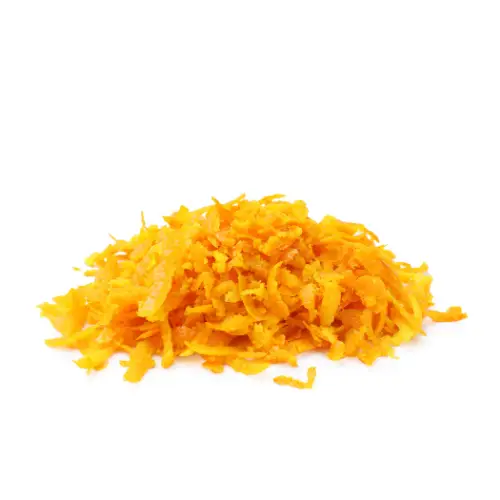
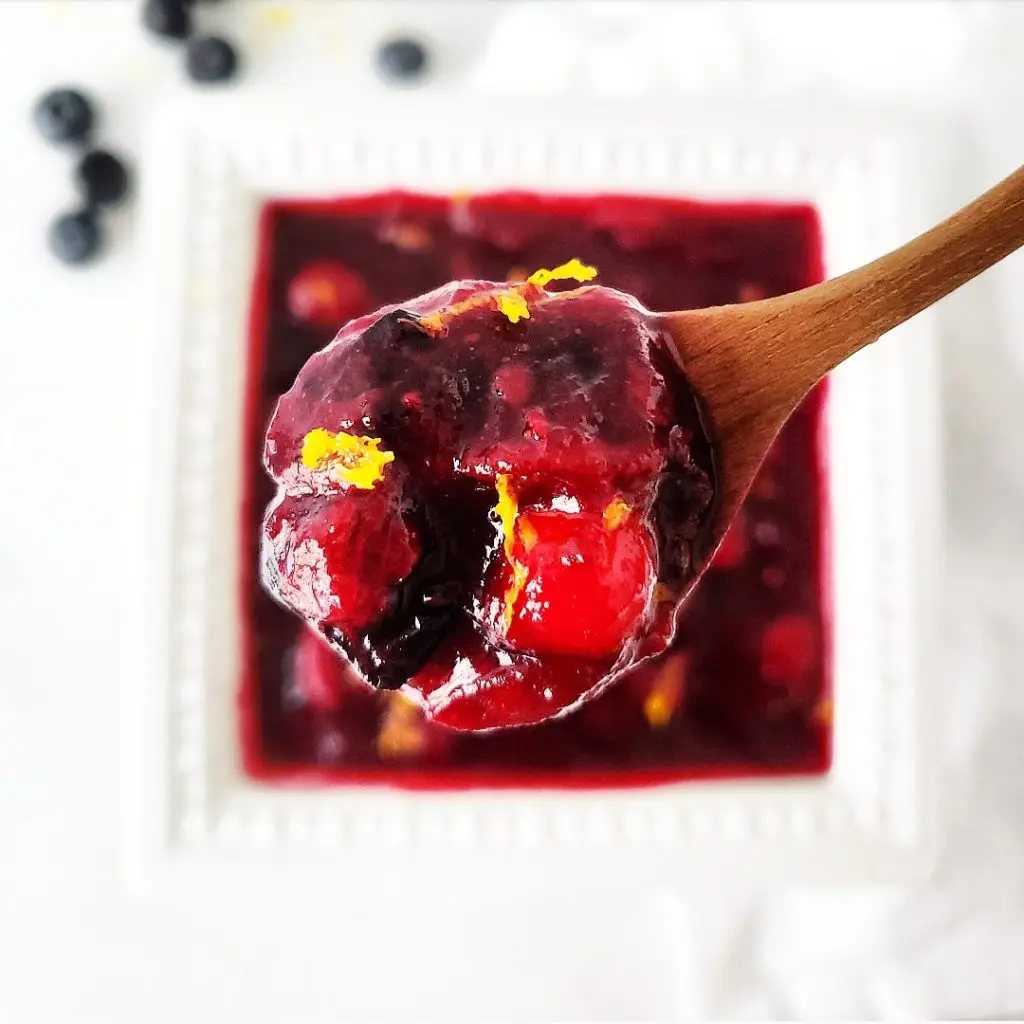
Orange zest is the aromatic outer layer of orange peel. The source of all the volatile citrus oils that don’t transfer through the juice alone. Used in biscotti, scones, cranberry sauce, Italian cookies, and most baked applications where you want orange flavor without the moisture from juice. Reader favorites that build on citrus zest include Homemade Cranberry Blueberry Sauce, The Best Lemon Bars, and Lemon Raspberry Muffins where the bright oils in the zest carry the citrus flavor through the cooked or baked dish.



Microplane graters produce the finest, fluffiest zest. The ideal texture for baking applications where the zest disappears into the batter. Box graters produce thicker, less aromatic zest that works for marinades but reads as too coarse in delicate baking. Vegetable peelers produce wide strips suitable for cocktails (Old Fashioned twist) and stocks where the zest can be removed.
Avoiding the white pith underneath the zest is critical. The pith is bitter and ruins the bright orange flavor. The technique: hold the orange firmly and grate gently, stopping the moment you see white. Rotate the orange and continue. A single navel orange yields 1-2 tablespoons of zest. Wash and dry the orange before zesting to remove any pesticide residue or wax.
For cranberry orange scones (a brunch classic), the technique is to combine 2 cups flour, 1/3 cup sugar, 1 tablespoon baking powder, 1/2 teaspoon salt, 2 tablespoons orange zest, 1/2 cup cold butter cut into pieces, 1 cup dried cranberries, 1/2 cup heavy cream, 1 egg. Mix gently, shape into wedges, bake at 400°F for 18-20 minutes. vanilla extract added to the wet ingredients pairs well with the orange and vanilla combination.
For Italian biscotti, orange zest is one of the defining flavors alongside almonds and almond extract. The zest goes into the dough; the almond extract supports it; the toasted almonds provide texture. Twice-baked biscotti gets its characteristic crunch from the second 15-minute oven trip after slicing the cooled log. For storage, fresh orange zest keeps 1-2 days refrigerated tightly wrapped. For longer storage, freeze in small portions; thaws instantly when added to batter. Other reader picks that build on orange zest include Egg Free Cottage Cheese Muffins and Why Muffins stick to liners?. Browse orange juice, lemon zest, and salt for closely related cooking applications.
Orange zest is the thin outer layer of the orange peel that contains aromatic citrus oils. The peel includes both the zest and the white pith underneath. Zest is typically used in recipes because it provides strong flavor without bitterness.
Orange zest is made by grating the outer peel of a fresh orange using a microplane or fine grater. Only the colored outer layer should be grated, avoiding the white pith underneath which can taste bitter.
Yes, orange chicken can still be made without orange zest by using orange juice instead. However, orange zest adds stronger citrus aroma and flavor, so the dish may taste slightly less vibrant without it.
Orange zest is commonly used to flavor baked goods, desserts, sauces, marinades, and salad dressings. It adds bright citrus aroma and concentrated orange flavor to many sweet and savory recipes.
For more citrus zest and juice variation options, see our lime juice and lime recipes.