
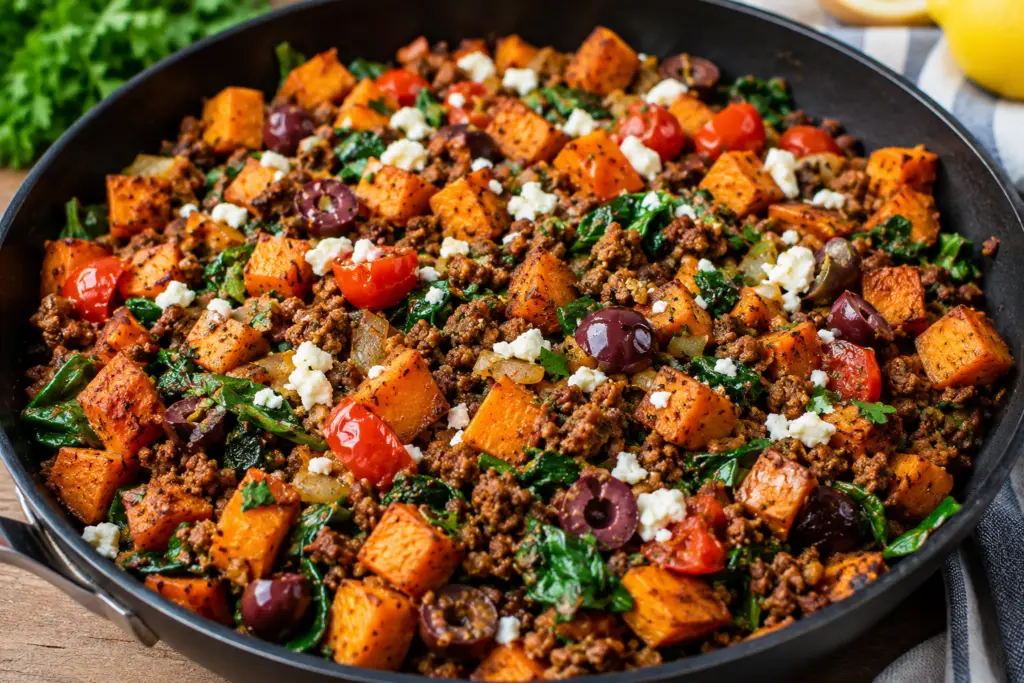
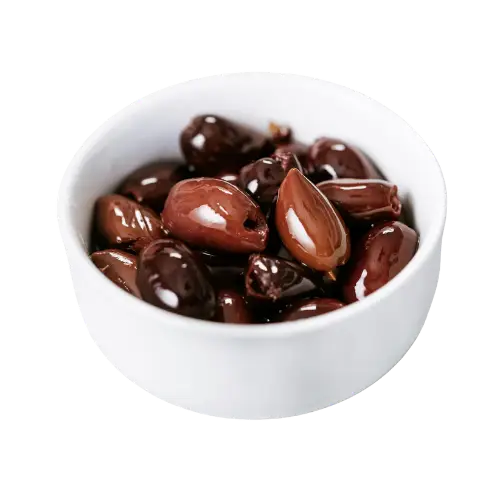
Kalamata olives are the deep purple-black, almond-shaped olives from Greece, cured in red wine vinegar brine. The flavor is rich, slightly fruity, and meatier than most other olive varieties. Best applications: Greek salads, Mediterranean grain bowls, olive tapenade, and any dish where the olive is featured as a flavor element. A reader favorite that builds on it is Greek Chicken Souvlaki where the Kalamata olives provide the briny, fruity Mediterranean note that defines authentic Greek cuisine.
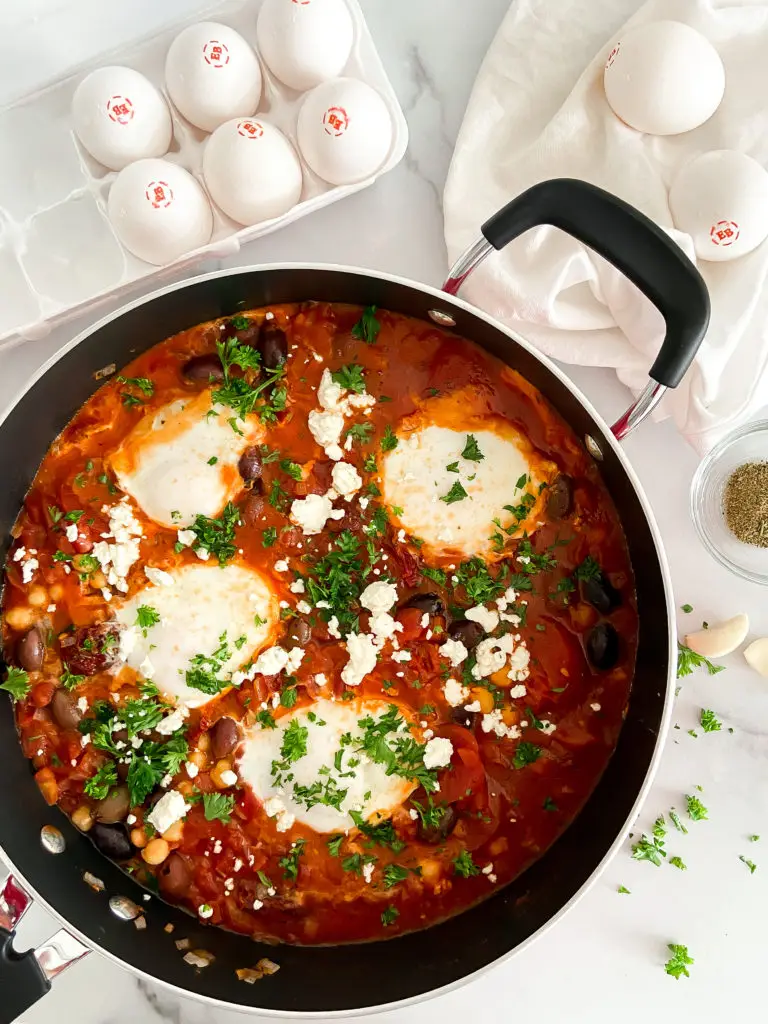

Kalamata olives and standard black olives (the canned California black olives) are not the same. California black olives are picked unripe (green) and then dyed black with ferrous gluconate; they have a mild, somewhat flat flavor and a soft texture. Real kalamata olives are tree-ripened (which is what produces the purple-black color naturally) and brine-cured for months, developing the deep fruity, winey flavor that no canned black olive can replicate. Most recipes that call for kalamata olives are calling for the brine-cured Greek variety, not the canned American substitute.
For Greek salads and Mediterranean dishes, kalamata olives are the briny, salty component that balances rich feta cheese and bright vegetables. The standard Greek salad is tomato, cucumber, red onion, kalamata olives, feta, oregano, and olive oil, with no lettuce in the traditional version. The kalamatas provide the deep umami note that distinguishes a real Greek salad from a generic Mediterranean one. Pairing them with extra virgin olive oil drizzled over the top brings out the olive flavor without competing with it.
For pasta and sauce applications, kalamata olives work in Mediterranean-style sauces alongside garlic (used in Ground Beef and Tater Tot Casserole and The Best Sheperds Pie), tomato, and capers. The standard puttanesca sauce (anchovy, garlic, kalamata, capers, tomato, red pepper flakes, olive oil) is the Italian application that demonstrates the olives’ role as a flavor anchor rather than a topping. The brine that comes in the jar with the olives is also useful, working as a quick acid component in dressings or as a brining liquid for chicken when you want a salty, briny finish.
For storage, jarred kalamata olives keep 6-12 months unopened in the pantry. Once opened, they keep 1-2 months refrigerated as long as the olives stay submerged in their brine. If the brine level drops below the olives, top off with a 5% saltwater solution (1 tablespoon salt per cup of water) to extend the storage life. Olives that have started to soften, develop fuzz, or smell off should be discarded. For broader Mediterranean cooking applications, kalamata olives pair particularly well with lemon (seen in Chicken Shawarma Bowls and Chicken Francese) and fresh herbs in finishing applications, and a few chopped olives stirred into hummus (such as in One Pot Eggplant Curry and One Pot Moroccan Lettue Wraps) or yogurt-based dips transforms them into more complex Mediterranean spreads.
Kalamata olives are commonly used in salads, pasta dishes, spreads, and Mediterranean-style recipes. Their rich, briny flavor works well with tomatoes, feta cheese, olive oil, and herbs. They can be sliced into dishes or blended into spreads and sauces.
Kalamata olives add bold flavor and texture to many savory dishes. They are often used in salads, grain bowls, pasta, and appetizer platters. Their slightly fruity and salty taste enhances recipes that feature Mediterranean ingredients.
Kalamata olive spread can be made by blending pitted olives with olive oil, garlic, lemon juice, and herbs in a food processor. Process the mixture until smooth or slightly chunky. The spread can be served with bread, crackers, or vegetables.
Kalamata olives contain healthy fats, antioxidants, and small amounts of vitamins and minerals. These nutrients may support heart health and help reduce oxidative stress. Including olives in moderation can add flavor and beneficial nutrients to meals.