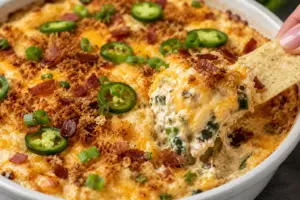
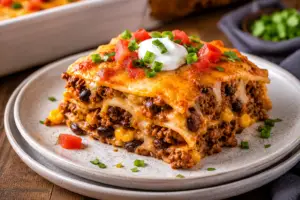
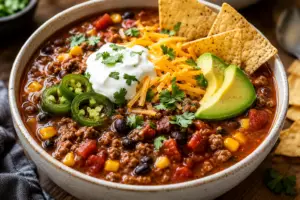
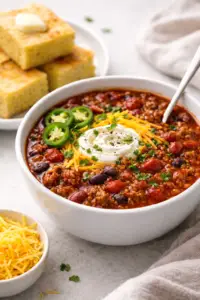
Jalapeños are the medium-heat green chile pepper that anchors most American spicy cooking. The Scoville Heat Units typically range from 2,500-8,000, mild compared to serrano (10,000-23,000) or habanero (100,000-350,000). The heat varies significantly by individual pepper; tasting a small piece before adding to a dish prevents accidental over-heating.
The seeds and ribs (the white interior membrane) contain the most capsaicin and therefore the most heat. Removing them before cooking reduces heat dramatically while preserving the green pepper flavor. For mild applications, slit the jalapeño lengthwise and scrape out the seeds and ribs with a spoon. For aggressive heat, leave the seeds in.
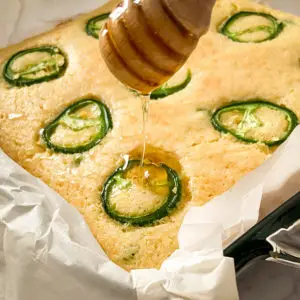
For jalapeño cornbread, finely diced jalapeño (1-2 peppers per batch) goes into the batter alongside the cornmeal, flour, and other dry ingredients. The pepper bits stay distinct in the finished cornbread, providing bursts of heat throughout. Adding 1 cup shredded sharp cheddar produces the classic Tex-Mex jalapeño-cheddar cornbread combination.
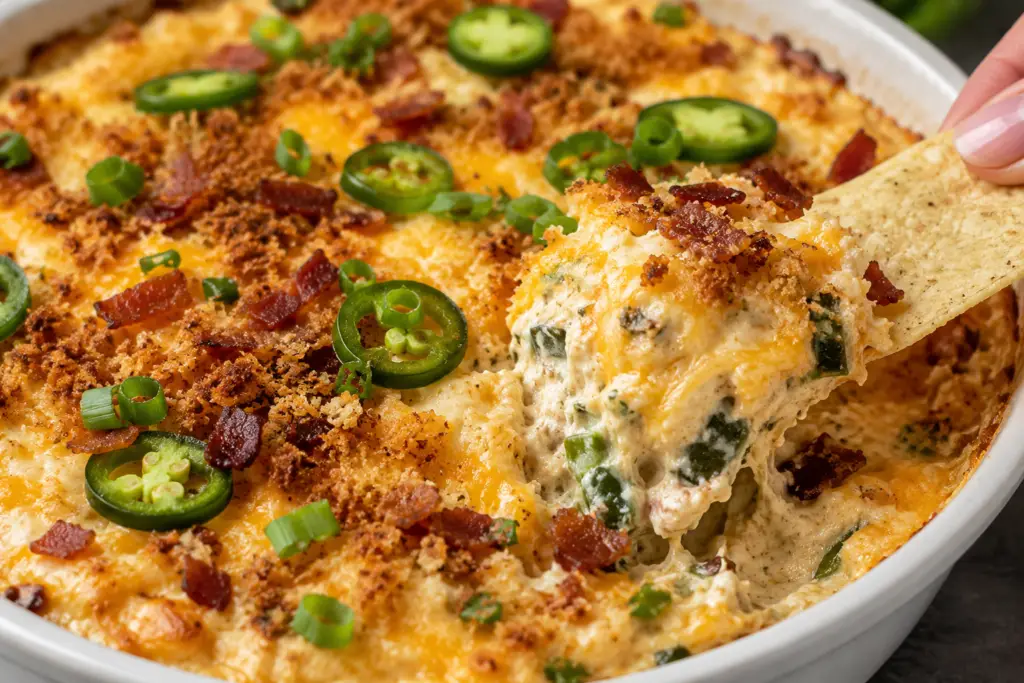
For jalapeño poppers, the standard preparation is to halve jalapeños lengthwise, remove seeds and ribs, fill with cream cheese mixed with shredded cheddar and bacon bits, top with breadcrumbs, bake at 400°F for 20-25 minutes. Wrapping each half in bacon before baking adds richness; the bacon crisps and the cream cheese softens during baking.
For pickled jalapeños, thinly sliced fresh jalapeños go into a brine of 1 cup white vinegar + 1 cup water + 1 tablespoon salt + 1 tablespoon sugar + 1 teaspoon pickling spice, heated until just dissolved, poured over the peppers in a jar. Refrigerated quick pickles are ready in 1 hour and keep 4-6 weeks.
For salsa, finely chopped jalapeño (with or without seeds based on heat preference) goes into pico de gallo, restaurant-style salsa, and salsa verde. The standard ratio is 1-2 jalapeños per 4 cups chopped tomatoes or tomatillos. Roasting the jalapeño before chopping mellows the heat and adds smoky depth.
For substitution, serrano peppers are spicier alternatives (use about half as many). Anaheim or poblano peppers are milder substitutes (use about twice as many for similar heat). Pickled jalapeños substitute for fresh in cooked applications but not vice versa.
For handling, the capsaicin in jalapeños can transfer to skin and irritate eyes and other sensitive areas. Gloves are recommended for handling multiple peppers; at minimum, wash hands thoroughly with soap (not just water) before touching your face. The compound is oil-soluble, so plain water rinses don’t remove it effectively.
For storage, fresh jalapeños keep 1-2 weeks refrigerated in the produce drawer. Frozen whole or sliced jalapeños keep 8-10 months and work in cooked applications. Pickled jalapeños keep 2 months opened in the refrigerator. Browse jalapeno pepper and smoked paprika for closely related spicy ingredients. Reader favorites built on it include Sikil Pak Mayan Dip.