
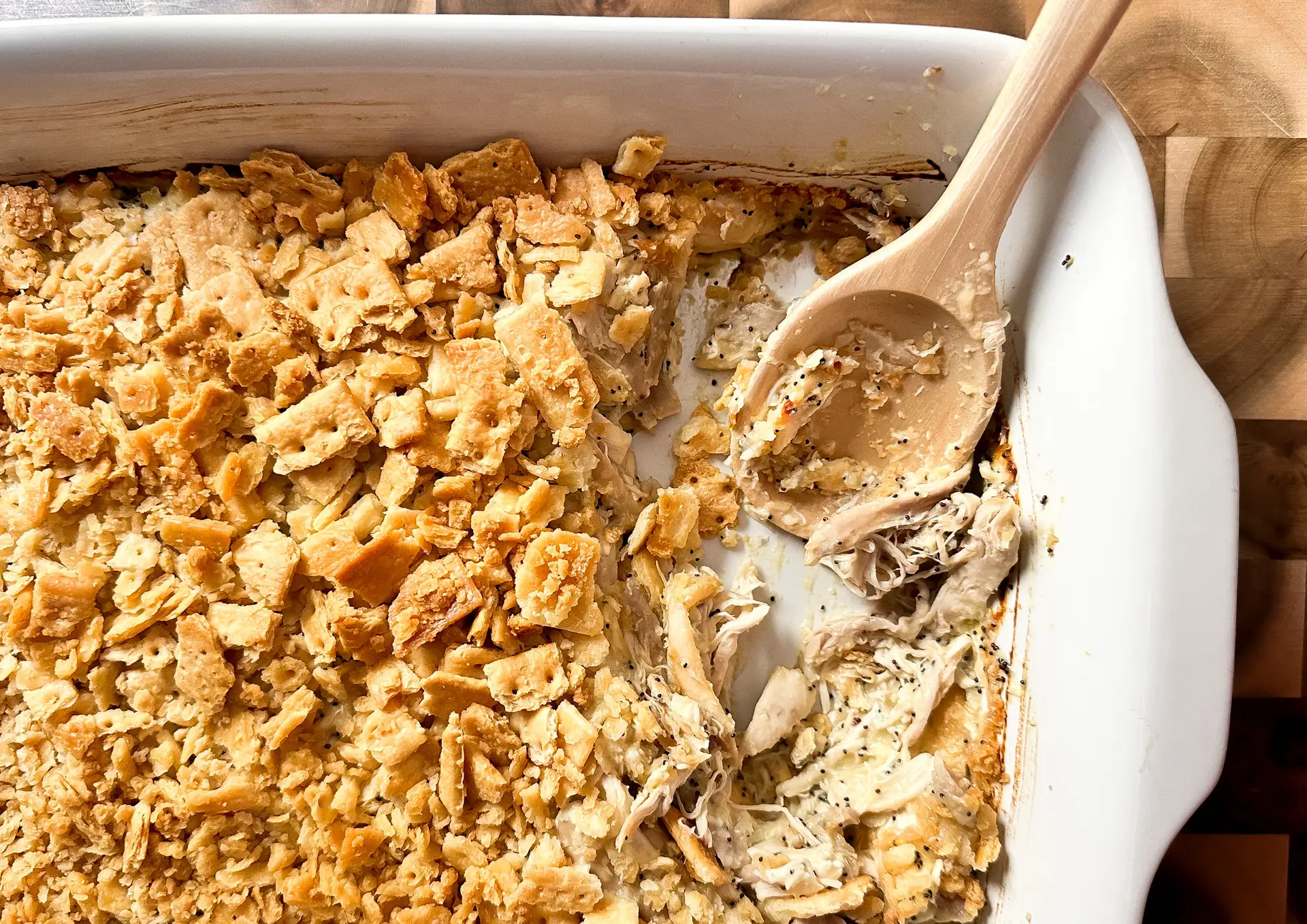

Crackers are the dry, crisp flatbreads that work as cheese-board companions, soup dippers, and base snacks. Homemade crackers are dramatically simpler than store-bought (typically just flour, fat, salt, water) and let you control the salt and seasoning levels. A reader favorite that builds on it is Easy Homemade Crackers where the homemade cracker is the featured baking project that produces fresher, more flavorful crackers than store-bought versions.
Homemade crackers and store-bought crackers serve similar roles but with very different flavor and texture results. Store-bought crackers are mass-produced with stabilizers and preservatives for long shelf life. Homemade crackers use 4-5 simple ingredients (flour, fat, salt, water, herbs) and taste noticeably fresher; the trade-off is they only keep 1-2 weeks versus 6+ months for boxed.
For basic homemade crackers, the standard formula is 2 cups all-purpose flour + 1/4 cup olive oil + 1/2 cup water + 1 teaspoon salt + 1 tablespoon herbs (rosemary, thyme, or everything bagel seasoning). Mix, knead briefly, roll thin (1/8 inch or thinner), cut into squares or rectangles, prick with a fork to prevent puffing, bake at 400°F for 12-15 minutes until golden.
For cheese boards and charcuterie, the right cracker is sturdy enough to hold soft cheese and toppings without crumbling. Water crackers, seedy whole grain crackers, and rosemary-olive oil crackers are the workhorse choices. Avoid heavily flavored crackers that compete with the cheese; the cracker should be the structural element, not the flavor lead.
For soup dippers, oyster crackers and saltine crackers are the American classics. The small size lets them float on top of the soup before sinking; the salt and crisp texture contrast with the soup base. Tomato soup with saltines is the canonical American comfort meal.
For substitution, pita chips, bagel chips, melba toast, and crispbreads all serve cracker functions in different ways. Each has different sturdiness and flavor; choose based on what the dish needs. Tortilla chips work as a cracker substitute for dips but have softer texture and stronger corn flavor.
For seasoning variations, the basic dough can be customized infinitely. Adding 1/2 cup grated parmesan + 1 teaspoon black pepper produces parmesan-pepper crackers. Adding 2 tablespoons sesame seeds + 1 tablespoon poppy seeds + 1 tablespoon dried onion produces everything-bagel-style crackers. The base formula tolerates almost any savory addition.
For thin and crispy results, the rolling is the critical step. Roll the dough on a lightly floured surface, turning frequently and rolling thinner than seems right. The crackers puff slightly during baking, so they look thicker in the finished product. Crackers rolled too thick stay chewy rather than crisp.
For storage, homemade crackers keep 1-2 weeks at room temperature in an airtight container. Re-crisp in a 300°F oven for 5 minutes if they soften during storage. Discard if any rancid odor develops (rare but possible with cracker recipes using nut or seed oils). Browse pita bread and everything bagel seasoning for closely related savory baking ingredients.
The healthiest crackers are typically made with whole grains, minimal added sugar, and simple ingredients. Look for options with high fiber and low sodium.
Good replacements for crackers include sliced vegetables, rice cakes, whole grain bread, or lettuce wraps depending on how they are being used.
Easy cracker recipes include whole wheat crackers, cheese crackers, seed crackers, and herb-flavored crackers that can be baked quickly at home.
Crackers are great with cheese, dips, spreads, soups, and salads. They also pair well with meats, hummus, and various savory toppings.
For more cracker and savory bake options, see our cheese and peanut butter recipes.