
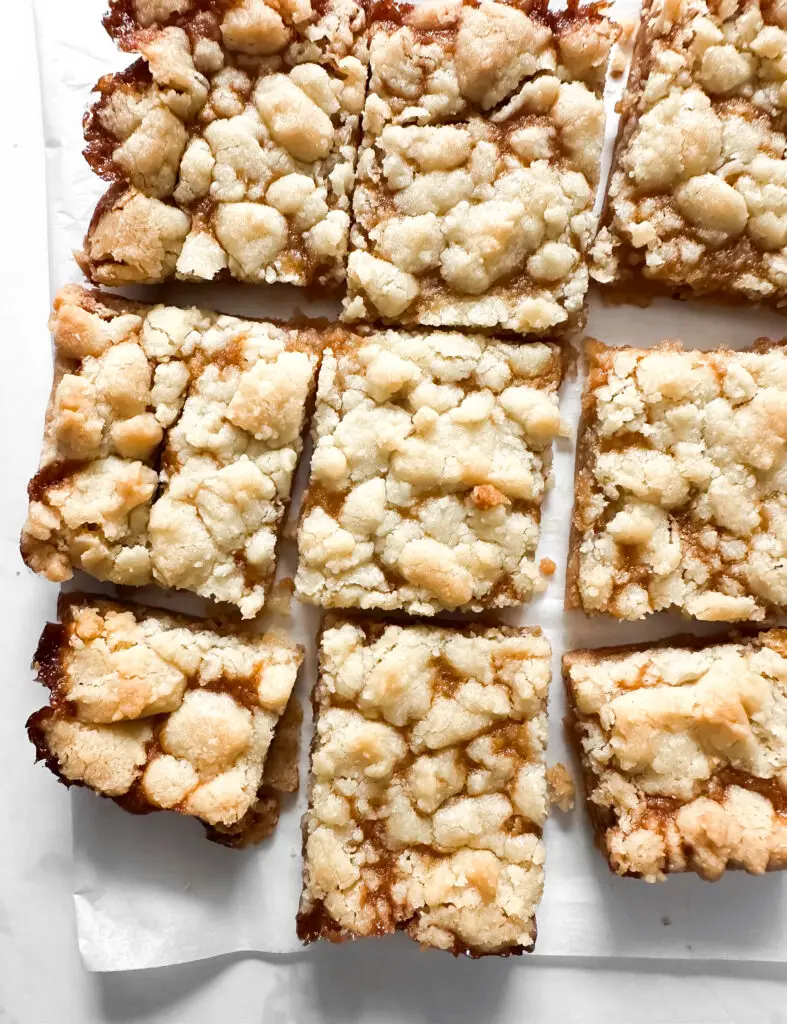
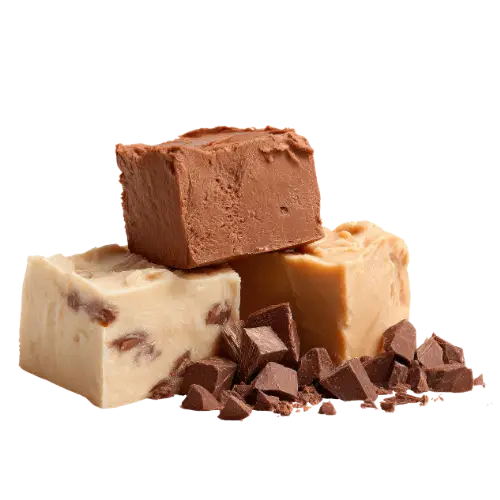
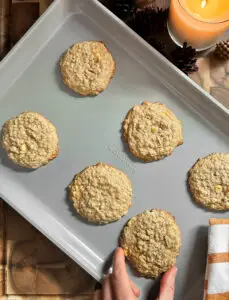
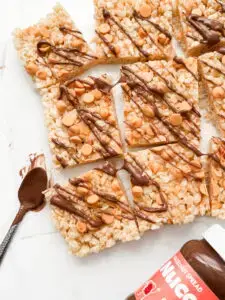
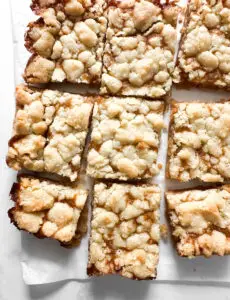
Butterscotch chips are the brown-sugar-and-butter-flavored baking chips that anchor butterscotch cookies, oatmeal bars, blondies, and most fall-flavor bakes. The flavor is deeply caramel-leaning with toasted-butter notes, richer and more complex than plain brown sugar, which is why they can’t be substituted in any recipe. Butterscotch and butter-caramel favorites include The Best Oatmeal Butterscotch Cookies, Pumpkin Blondies, and The Ultimate S’more Cookie Bars where the chips melt slightly during baking to release their caramel notes into the dough.
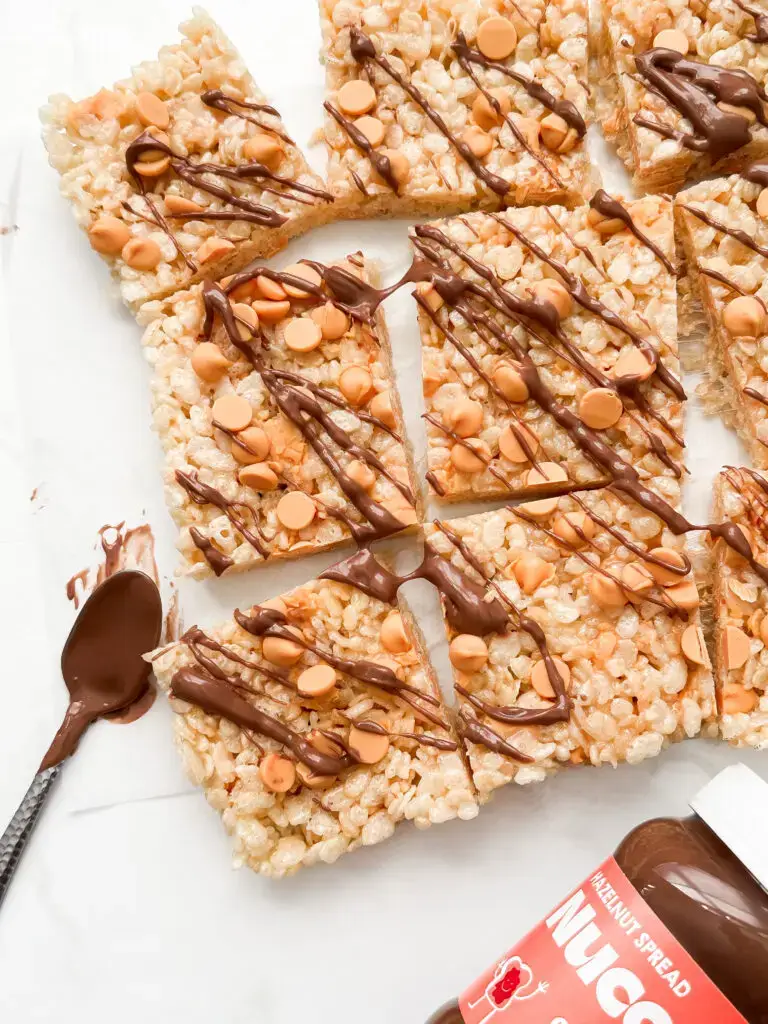
Butterscotch chips look similar to chocolate chips but have a fundamentally different ingredient profile. Standard butterscotch chips are made from sugar, partially hydrogenated palm oil, nonfat dry milk, lactose, salt, and artificial flavoring, not actual butterscotch candy melted into chip form. The flavor is engineered to taste like butterscotch; the texture is engineered to hold shape in baking like chocolate chips. Both work as designed.
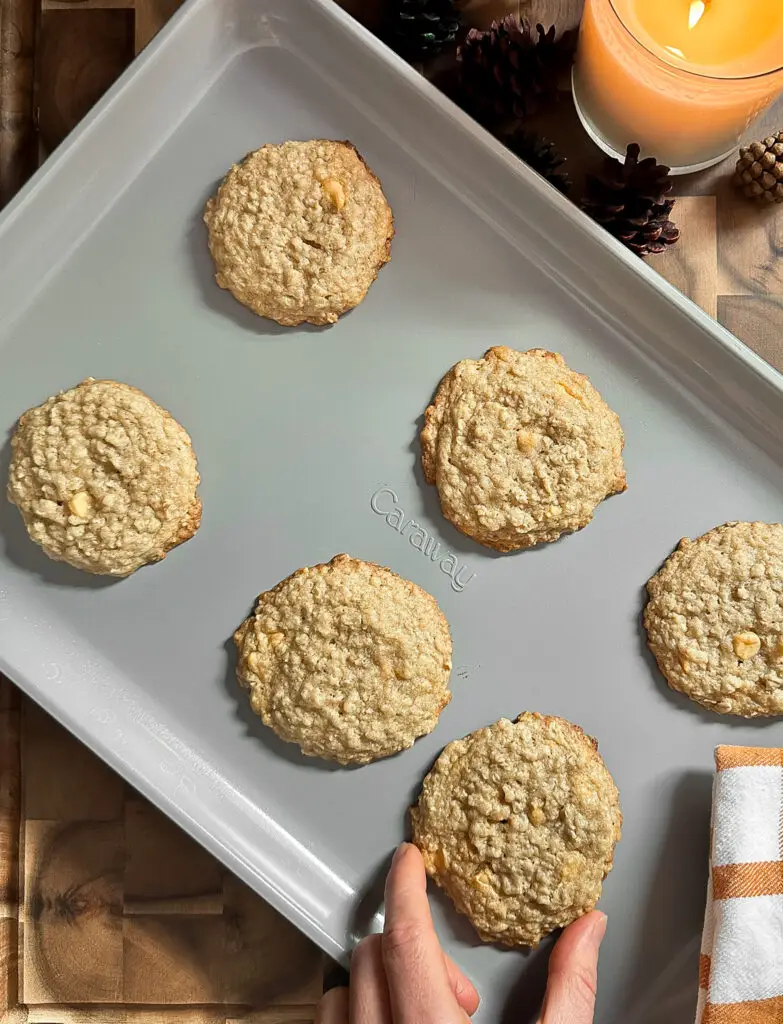
For oatmeal butterscotch cookies, the standard recipe is the same as standard oatmeal cookies but with 1 cup butterscotch chips replacing or supplementing the chocolate chips or raisins. The butterscotch flavor pairs particularly well with rolled oats, both have similar toasted-warm flavor profiles that compound rather than compete.
For blondies (the butterscotch-leaning cousin of brownies), butterscotch chips fold into a brown sugar-heavy butter-and-flour batter, producing bars that taste like concentrated butterscotch. The standard recipe is 1 cup melted butter, 2 cups brown sugar, 2 eggs, 2 cups flour, 1 cup butterscotch chips, 1 teaspoon vanilla. Bake in a 9×13 pan at 350°F for 25-30 minutes.
For storage, butterscotch chips keep 1-2 years in a sealed bag at room temperature. They develop a slight white film (sugar bloom) when stored at fluctuating temperatures, the chips are still safe to use but the texture during melting is affected. Pairing butterscotch chips with chocolate chips in the same cookie or bar produces a sweet-caramel combination that works in any cookie-and-bar baking. The vanilla extract added to most butterscotch recipes amplifies both the butter and brown sugar notes. Another reader pick that builds on butterscotch chips is The Best Chewy Blondies. Browse chocolate chips, caramel, and salt for closely related cooking applications.
Butterscotch chip cookies are made by mixing butter, sugar, eggs, flour, and baking soda into a cookie dough and then folding in butterscotch chips. Scoop the dough onto a baking sheet and bake until the edges are golden. The chips melt slightly and add rich caramel flavor to the cookies.
Butterscotch chips are usually made from sugar, palm oil or butter, milk solids, and flavoring that creates the classic butterscotch taste. These ingredients give the chips their smooth texture and caramel-like sweetness. They are commonly used in cookies, dessert bars, and baking recipes.
Good substitutes for butterscotch chips include caramel chips, white chocolate chips, or toffee bits. These options provide similar sweetness and texture in cookies and dessert bars. Choose the substitute based on the flavor profile you want in the recipe.
Butterscotch chips typically last about one to two years when stored in a cool, dry place in a sealed container. Keeping them away from heat and moisture helps maintain their texture and flavor. Always check for changes in smell or appearance before using them in baking.
For more caramel and chip options, see our dulce de leche and dark chocolate chips recipes.